
Aglaonema Plant Care: A Complete Guide for Healthy Growth
Aglaonema, commonly known as the Chinese Evergreen, is a popular indoor plant valued for its attractive foliage, adaptability, and relatively easy care requirements. It is available in many varieties with green, silver, cream, pink, or patterned leaves, making it suitable for homes, offices, bedrooms, living rooms, and other indoor spaces.
Although Aglaonema is generally considered an easy-care plant, providing the right balance of light, water, soil, temperature, humidity, and nutrition can help it maintain healthy foliage and steady growth.
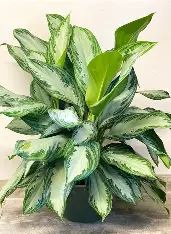
Aglaonema Plant Care at a Glance
Aglaonema prefers bright indirect light to moderate indoor light, moderately moist but well-draining soil, warm temperatures, and protection from harsh direct sunlight.
| Care Factor | General Requirement |
|---|---|
| Light | Bright indirect to moderate light |
| Water | Water when the upper layer of soil begins to dry |
| Soil | Well-draining, moisture-retentive growing medium |
| Humidity | Moderate to higher humidity is generally beneficial |
| Temperature | Warm, stable indoor conditions |
| Fertilizer | Moderate feeding during active growth |
What Is an Aglaonema Plant?
Aglaonema is a group of tropical foliage plants widely grown as ornamental houseplants. The plants are appreciated primarily for their decorative leaves rather than flowers. Their compact growth and tolerance of many indoor conditions have made them popular choices for beginner gardeners.
Different Aglaonema varieties can have significantly different leaf patterns and colors. Some varieties have predominantly green foliage, while others feature silver, cream, pink, or red patterns.
Why Aglaonema Is Popular as an Indoor Plant
Attractive Foliage
Aglaonema varieties offer a wide range of leaf colors, patterns, and shapes that can complement different indoor spaces.
Adaptable Growth
Many Aglaonema plants can adapt to moderate indoor light, although their exact requirements vary between varieties.
Beginner Friendly
With appropriate watering, drainage, light, and temperature, Aglaonema can be relatively easy to maintain.
Aglaonema Light Requirements
Light is one of the most important factors in Aglaonema care. The plant generally performs well in bright indirect light and can tolerate moderate indoor light. However, strong direct sunlight, particularly through hot windows, can scorch its leaves.
| Light Condition | Possible Effect |
|---|---|
| Bright Indirect Light | Generally suitable for healthy growth and attractive foliage. |
| Moderate Light | Many Aglaonema plants can continue growing, although growth may be slower. |
| Very Low Light | Growth may become slower and the plant may become less vigorous. |
| Harsh Direct Sunlight | Can cause leaf scorching or fading, especially during intense heat. |
Tip for Choosing the Right Location
Place Aglaonema near a bright window where it receives filtered or indirect light rather than intense direct afternoon sunlight. Varieties with more colorful or patterned foliage may have somewhat different light preferences, so observe how the particular plant responds.
How to Water Aglaonema
Aglaonema prefers consistent moisture but does not perform well when its roots remain in constantly waterlogged soil. Instead of following a fixed watering schedule, check the growing medium and consider the plant's environment before watering.
- Check the upper layer of soil before watering.
- Water thoroughly when the plant needs moisture.
- Allow excess water to drain from the container.
- Do not leave the pot sitting in stagnant water.
- Adjust watering according to light, temperature, season, and soil.
Avoid Overwatering
Overwatering and poor drainage can create conditions that damage roots. Yellowing leaves, persistent wet soil, unpleasant soil odor, and declining growth can be warning signs that the plant's growing conditions need closer inspection.
Choosing the Right Soil for Aglaonema
Aglaonema grows best when its growing medium provides both moisture retention and good drainage. The soil should hold enough moisture for the roots without staying saturated for long periods.
A compact, poorly draining growing medium can restrict airflow around the roots and increase the risk of root problems. A loose and well-draining mixture is therefore an important part of Aglaonema plant care.
| Soil Property | Why It Matters |
|---|---|
| Good Drainage | Helps excess water move away from the root zone. |
| Moisture Retention | Keeps sufficient moisture available between watering sessions. |
| Air Spaces | Supports healthier root-zone conditions. |
| Organic Matter | Can contribute to a suitable growing environment and soil structure. |
Best Pot and Container for Aglaonema
The container is just as important as the soil. Choose a pot with adequate drainage holes so excess water can escape after watering. Decorative containers can be used as outer pots, but the plant's growing container should still provide proper drainage.
Avoid choosing a container that is unnecessarily large. A very large pot can hold more growing medium and may take longer to dry, which can make moisture management more difficult.
Drainage Holes
Essential for allowing excess water to leave the container.
Appropriate Size
Select a pot that provides adequate room without creating excessive unused soil around the root system.
Stable Container
A stable pot helps support the plant as its foliage and root system develop.
Aglaonema Temperature Requirements
Aglaonema is a tropical plant and generally prefers warm, stable conditions. Sudden temperature changes, cold drafts, or prolonged exposure to unsuitable temperatures can place stress on the plant.
Keep Aglaonema away from strong cold drafts, air-conditioner outlets, and locations where temperatures fluctuate significantly. In warm climates, protect the plant from excessive heat and harsh direct sunlight.
Stable Conditions Matter
A comfortable indoor location with consistent temperatures is generally easier for Aglaonema to adapt to than a location exposed to frequent temperature changes.
Humidity for Aglaonema
Aglaonema can benefit from moderate to higher humidity, particularly in dry indoor environments. Low humidity may contribute to dry or brown leaf edges, although leaf browning can have several possible causes.
Instead of relying on frequent misting alone, consider the overall environment. Grouping compatible plants, using an appropriate humidifier, or keeping the plant away from very dry airflow can help create a more comfortable environment.
Fertilizing Aglaonema
Aglaonema generally does not require heavy feeding. During active growth, an appropriate balanced houseplant fertilizer can be used according to the product's instructions.
The correct feeding routine depends on factors such as the growing medium, plant size, growth rate, season, and fertilizer formulation. Avoid increasing fertilizer concentration simply because the plant appears to be growing slowly.
Fertilizer Tip
Always follow the fertilizer manufacturer's application instructions. Excess fertilizer can accumulate in the growing medium and may damage plant roots.
Aglaonema Pruning and Cleaning
Regular observation and occasional pruning can help keep an Aglaonema looking tidy. Remove leaves that are completely dead or severely damaged using clean cutting tools.
Dust can also accumulate on broad leaves, particularly when the plant is kept indoors. Gently cleaning the foliage can improve its appearance and allows you to inspect the leaves more easily for pests or unusual changes.
- Remove completely dead leaves.
- Trim severely damaged foliage when appropriate.
- Use clean tools when pruning.
- Gently clean dusty leaves.
- Inspect foliage regularly while cleaning.
How to Repot an Aglaonema Plant
Aglaonema does not necessarily need frequent repotting. Repotting can be considered when the plant has substantially outgrown its container, the root system is becoming crowded, or the growing medium has deteriorated.
Prepare
Select a suitable container and fresh, well-draining growing medium.
Remove
Carefully remove the plant while minimizing unnecessary root damage.
Replant
Position the plant appropriately in the new container and add fresh growing medium.
Monitor
Observe the plant after repotting and adjust watering according to its new conditions.
Key Aglaonema Care Principle
Aglaonema care is mainly about maintaining balance. Provide enough light without harsh exposure, enough water without keeping the soil saturated, and enough nutrition without over-fertilizing. Regular observation is more useful than following a rigid routine that ignores the plant's actual growing conditions.
Aglaonema Propagation: How to Grow New Plants
Aglaonema can be propagated to create new plants from an established specimen. Depending on the plant's growth habit, division is one of the practical methods for multiplying mature Aglaonema plants.
Propagation is generally easier when the parent plant is healthy and actively growing. Avoid propagating a plant that is already severely stressed or showing significant signs of disease or root problems.
Propagating Aglaonema by Division
- Carefully remove the mature Aglaonema from its container.
- Examine the root system and identify naturally separable sections with roots and healthy growth.
- Gently separate suitable sections while minimizing unnecessary root damage.
- Place each section into an appropriately sized container with a well-draining growing medium.
- Keep the newly divided plants in suitable light and monitor their moisture and overall condition.
Propagation Tip
Do not divide an Aglaonema simply to create more plants. The sections should have sufficient roots and healthy growth to establish successfully.
Aglaonema Care in Different Indoor Locations
The best location for Aglaonema depends on the amount and quality of light, temperature, airflow, and available space. A plant placed in a bright living room may need different watering attention from one kept in a darker corner.
| Location | What to Consider |
|---|---|
| Living Room | Choose a bright or moderately lit position away from harsh direct sunlight. |
| Bedroom | Ensure there is sufficient natural or suitable artificial light for the particular variety. |
| Office | Avoid placing the plant directly beside strong air-conditioning airflow. |
| Balcony | Protect the plant from harsh direct sunlight and extreme heat, especially during hot weather. |
Aglaonema Care During Different Seasons
Aglaonema care should change according to environmental conditions rather than following exactly the same routine throughout the year. Temperature, sunlight, humidity, and the plant's growth rate can all influence its requirements.
Summer
- Monitor soil moisture more frequently.
- Protect foliage from intense direct sunlight.
- Watch for excessive heat near windows.
- Maintain good airflow without strong drafts.
Monsoon
- Check soil before adding additional water.
- Pay close attention to drainage.
- Avoid keeping the pot continuously wet.
- Monitor foliage in humid conditions.
Winter
- Water according to actual soil moisture.
- Protect the plant from cold drafts.
- Monitor changes in indoor light.
- Growth may slow in cooler conditions.
Spring
- Monitor new growth.
- Review watering as temperatures change.
- Consider feeding during active growth.
- Check whether the container remains suitable.
Common Aglaonema Problems and Their Possible Causes
Changes in Aglaonema leaves can provide clues about the plant's growing conditions. However, a single symptom can have multiple possible causes, so avoid changing the care routine based on one observation alone.
| Symptom | Factors to Check |
|---|---|
| Yellow Leaves | Watering, drainage, light, nutrition, natural leaf aging, and root condition. |
| Brown Leaf Edges | Moisture, humidity, environmental stress, fertilizer buildup, and other growing conditions. |
| Drooping Leaves | Soil moisture, root condition, temperature, light, and recent environmental changes. |
| Slow Growth | Light availability, season, nutrition, root space, temperature, and overall plant condition. |
| Leaf Scorching | Strong direct sunlight, excessive heat, or other environmental stress. |
Why Are Aglaonema Leaves Turning Yellow?
Yellow leaves are one of the most common concerns among Aglaonema gardeners. The cause is not always the same. Overwatering, poor drainage, insufficient light, nutritional issues, natural aging, and root problems can all be relevant depending on the situation.
Start by checking the soil moisture and drainage before making major changes. Also consider whether the plant has recently been moved, exposed to a different light level, or experienced a change in temperature.
A Better Troubleshooting Approach
- Observe the symptom carefully.
- Check soil moisture and drainage.
- Review the plant's light exposure.
- Consider recent changes in its environment.
- Inspect leaves and stems for visible pests or damage.
- Make one appropriate change at a time when possible.
- Monitor the plant's response over the following days and weeks.
Aglaonema Plant Care for Beginners
Beginners often make plant care more complicated than necessary. For Aglaonema, focus first on the fundamentals: appropriate light, well- draining soil, sensible watering, suitable temperature, and regular observation.
Light
Provide suitable indirect or moderate light.
Water
Check the soil before watering.
Drainage
Use a container and growing medium that drain well.
Observation
Watch leaves and growth for changes.
Simple Aglaonema Care Routine
Check the plant regularly, inspect the soil before watering, make sure excess water can drain away, keep the plant in suitable indirect light, remove completely dead foliage, and review its growing conditions when you notice changes in appearance or growth.
Common Aglaonema Care Mistakes to Avoid
Aglaonema is relatively easy to care for, but incorrect watering, poor lighting, unsuitable soil, and sudden environmental changes can affect its growth. Understanding common mistakes can help you maintain healthier foliage and avoid unnecessary plant stress.
| Common Mistake | Why It Can Be a Problem | Better Approach |
|---|---|---|
| Watering on a Fixed Schedule | Soil can remain wet for too long when environmental conditions change. | Check the soil before watering. |
| Using Poorly Draining Soil | Excess moisture can remain around the roots. | Use a suitable, well-draining growing medium. |
| Harsh Direct Sunlight | Strong sunlight can cause leaf scorching. | Provide bright filtered or indirect light where appropriate. |
| Oversized Pot | A large volume of soil may stay wet for longer. | Choose a container appropriate for the root system. |
| Excess Fertilizer | Fertilizer salts can accumulate and potentially damage roots. | Follow the fertilizer product instructions. |
| Ignoring Environmental Changes | Seasonal or location changes can alter the plant's requirements. | Adjust care according to actual growing conditions. |
How to Keep Aglaonema Leaves Healthy and Attractive
Aglaonema is primarily grown for its foliage, so maintaining healthy leaves is an important part of its care. Healthy-looking leaves generally depend on consistent growing conditions rather than a single treatment.
- Provide suitable indirect or moderate light.
- Keep watering consistent with the plant's actual needs.
- Use well-draining soil and a container with drainage holes.
- Protect the plant from harsh sunlight and extreme temperature changes.
- Keep foliage clean and inspect it regularly.
- Remove completely dead or severely damaged leaves.
- Monitor the plant after making any significant care changes.
How Often Should You Water Aglaonema?
There is no single watering frequency that works for every Aglaonema. Water requirements can change according to pot size, soil composition, light, temperature, humidity, season, and plant size.
Instead of watering simply because a certain number of days have passed, check the growing medium. When the upper portion has started to dry, assess whether the plant needs a thorough watering.
Remember: Soil Comes First
A calendar can remind you to check your Aglaonema, but the condition of the soil should help determine whether watering is actually needed.
How to Make Aglaonema Grow Faster
Aglaonema growth depends on its variety and growing environment. Rather than trying to force rapid growth with excessive fertilizer or water, focus on providing stable conditions that support healthy development.
Focus On
- Suitable light
- Healthy root-zone conditions
- Appropriate watering
- Suitable temperature
- Balanced nutrition
- Enough space for root development
Avoid
- Excessive watering
- Excessive fertilizer
- Harsh direct sunlight
- Constantly wet soil
- Frequent unnecessary repotting
- Sudden environmental changes
Aglaonema Pests and Plant Health Problems
Like other houseplants, Aglaonema can sometimes be affected by pests or environmental stress. Regularly inspecting the leaves, stems, and growing conditions can help you notice unusual changes earlier.
Look for visible signs such as unusual spots, distorted growth, sticky residue, webbing, discoloration, or insects on the foliage. If you notice a problem, first identify what you are observing before applying a treatment.
Inspect Before Treating
Not every yellow, brown, or damaged leaf is caused by a pest. Watering, light, temperature, humidity, nutrition, physical damage, and natural leaf aging can produce similar-looking symptoms. Examine the complete situation before choosing a treatment.
Frequently Asked Questions About Aglaonema Plant Care
Is Aglaonema a good indoor plant?
Yes. Aglaonema is widely grown as an indoor foliage plant because many varieties can adapt to moderate indoor light and provide attractive foliage when their basic care requirements are met.
Does Aglaonema need direct sunlight?
Aglaonema generally does not require harsh direct sunlight. Bright indirect light is often suitable, while intense direct exposure can scorch the foliage.
Why are my Aglaonema leaves turning yellow?
Yellow leaves can have several possible causes, including excessive moisture, poor drainage, insufficient or unsuitable light, nutritional issues, natural aging, and root problems. Check the overall growing conditions before changing the care routine.
Can Aglaonema grow in low light?
Many Aglaonema plants can tolerate lower indoor light than plants that require strong sunlight. However, very low light can slow growth, and different varieties may respond differently.
How often should I water an Aglaonema?
Watering frequency depends on the plant's environment. Check the soil before watering and adjust the routine according to moisture, light, temperature, pot size, and season rather than following a rigid calendar.
Why are my Aglaonema leaves turning brown?
Brown leaf edges or spots can be associated with moisture problems, low humidity, excessive fertilizer, environmental stress, direct sunlight, or other factors. Inspect the plant and its environment to determine what has changed.
Does Aglaonema need high humidity?
Aglaonema generally appreciates moderate to higher humidity, although it can adapt to many typical indoor conditions. Very dry air may contribute to leaf-edge browning in some situations.
When should I repot Aglaonema?
Consider repotting when the plant has substantially outgrown its container, roots are becoming crowded, or the growing medium is no longer performing well. Avoid repotting simply because a fixed amount of time has passed.
Can Aglaonema be propagated at home?
Yes. Healthy mature Aglaonema plants can be propagated through suitable methods such as division when the plant has separable rooted sections.
Is Aglaonema safe for pets?
Aglaonema contains calcium oxalate crystals and should be kept away from pets and children who may chew or ingest plant material. If ingestion occurs, seek appropriate medical or veterinary guidance.
Important Aglaonema Care Reminder
Plant symptoms can have multiple causes, and visual signs alone may not reveal the underlying problem. Use the care guidance in this article as general information, observe your plant and growing medium carefully, and seek professional horticultural advice when a problem is severe, persistent, or difficult to identify.
Aglaonema Plant Care Checklist
Consistent observation is one of the easiest ways to keep an Aglaonema healthy. Use this simple checklist to review the plant's growing conditions and routine care.
Weekly Aglaonema Care Checklist
- ✓ Check the leaves for discoloration, spots, pests, or damage.
- ✓ Check the growing medium before watering.
- ✓ Make sure excess water can drain from the pot.
- ✓ Observe whether the plant is receiving suitable light.
- ✓ Check for dry or damaged foliage.
- ✓ Clean dusty leaves gently when necessary.
- ✓ Check for sudden changes in growth or appearance.
Monthly Aglaonema Care Routine
In addition to regular watering checks, a monthly review can help you identify changes in the plant's environment before they become larger problems.
| Task | What to Check |
|---|---|
| Foliage Inspection | Look for yellowing, browning, spots, pests, or unusual growth. |
| Soil Condition | Check moisture, drainage, and the overall condition of the growing medium. |
| Container | Make sure the pot remains stable and drainage holes are not blocked. |
| Location | Check whether light, temperature, and airflow remain appropriate. |
| Growth | Observe new leaves and overall plant development. |
How to Maintain a Healthy Aglaonema Long Term
Long-term Aglaonema care is less about performing complicated tasks and more about maintaining suitable growing conditions consistently. Avoid making frequent unnecessary changes when the plant is growing well.
Consistent Environment
Keep the plant in a suitable location and avoid unnecessary exposure to extreme temperature changes or harsh sunlight.
Balanced Watering
Adjust watering according to soil moisture and environmental conditions rather than following a rigid schedule.
Regular Observation
Check the plant regularly so changes in leaves, growth, soil, or pests can be noticed early.
Aglaonema Care for Indian Homes
Aglaonema can be a practical choice for indoor gardening in many parts of India. However, local weather and indoor conditions can vary considerably. Hot summers, monsoon humidity, air conditioning, and changes in natural light can all affect how quickly the growing medium dries.
During hot weather, monitor moisture more frequently without automatically increasing watering. During the monsoon, check the soil and drainage carefully because higher humidity and rainfall can reduce the need for additional water. In air-conditioned rooms, avoid placing the plant directly in the path of cold, dry airflow.
Climate-Based Care
The best Aglaonema watering routine for one home may not be appropriate for another. Always consider your room temperature, sunlight, humidity, pot size, soil, and drainage when adjusting care.
Aglaonema Care Summary
Successful Aglaonema care comes down to a few important principles. Provide suitable indirect light, use well-draining soil, water according to actual soil moisture, maintain appropriate indoor temperatures, provide reasonable humidity, and monitor the plant regularly.
| Care Requirement | Key Point |
|---|---|
| Light | Bright indirect to moderate light is generally suitable. |
| Water | Check the soil before watering and avoid prolonged saturation. |
| Soil | Use a loose, well-draining growing medium. |
| Humidity | Moderate to higher humidity can support healthy foliage. |
| Fertilizer | Feed moderately according to the fertilizer's instructions. |
| Maintenance | Clean foliage, remove dead leaves, and inspect regularly. |
Final Thoughts on Aglaonema Plant Care
Aglaonema is an attractive foliage plant that can fit well into many indoor gardening spaces. Its colorful leaves and adaptability make it a popular choice for beginners as well as experienced home gardeners.
The key is to understand the conditions around your particular plant. Instead of relying on fixed watering schedules or generic instructions, observe the soil, foliage, light, temperature, and overall growth. Small adjustments based on these observations can make plant care more effective.
With the right balance of light, moisture, drainage, nutrition, and regular maintenance, your Aglaonema can remain an attractive part of your indoor garden for a long time.
Grow Healthier Plants with BloomingDen
From choosing the right plants to understanding everyday plant care, BloomingDen helps you create and maintain a healthier, more beautiful home garden.
Explore BloomingDen