
Aloe Vera Plant Care Guide 2026: How to Grow Thriving Aloe Vera Indoors in India
GARDENING MADE EASY: EVERYTHING YOU NEED TO KNOW TO KEEP YOUR ALOE VERA HAPPY, HEALTHY AND HEALING
Posted: April 30, 2026 | Plant Care
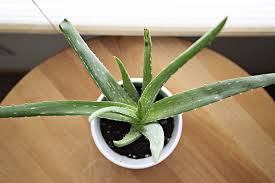
One of the most rewarding (and practical) houseplants, the Aloe Vera can provide soothing gel for minor burns and skin care while adding a striking architectural look to your space – here’s exactly how to make it thrive indoors.
Aloe Vera plants, known for their plump, sword-shaped leaves filled with beneficial gel, are a favorite among urban gardeners and health-conscious homes in India. This low-maintenance succulent is perfect for busy professionals, beginners, and anyone wanting a plant with both beauty and utility. Whether you grow the classic Aloe barbadensis Miller or other varieties, these resilient plants adapt well to Indian indoor conditions and can live for years with the right care.
At Blooming Den, we’ve helped many busy professionals successfully grow thriving Aloe Vera at home. This guide covers everything from light and watering to troubleshooting common issues – plus when it’s smart to call in a verified gardener.
IN THIS ARTICLE
- Types of Aloe Vera Plants Popular in India
- Light Requirements
- Watering Tips
- Humidity & Temperature
- Soil & Potting
- Fertilizing Schedule
- Propagation Made Simple
- Pruning & Maintenance
- Common Problems & Solutions
- Advanced Tips for Indian Climates
- When to Call a Professional Gardener
- Quick Care Cheat Sheet
- Frequently Asked Questions
Types of Aloe Vera Plants Popular in India
- Aloe barbadensis Miller (True Aloe Vera): The most common and beneficial variety with thick, fleshy leaves rich in healing gel – ideal for home use and skincare.
- Aloe Vera ‘Chinensis’: Compact growth with slightly different leaf markings, great for smaller spaces.
- Variegated Aloe Vera: Attractive striped or edged leaves for added visual interest on tabletops and shelves.
- Other varieties: Tiger Aloe (Aloe variegata), medicinal hybrids, and dwarf types suitable for apartments or offices.
Light Requirements
Aloe Vera loves bright, indirect light with some gentle direct morning sun. Place it near a south- or west-facing window where it can receive 4–6+ hours of bright light daily. Too little light causes leggy, weak growth and pale leaves. In Gurgaon’s harsh summers, protect from intense afternoon direct sun to prevent scorching or browning of leaf tips. A sheer curtain helps diffuse strong midday rays.
Watering Tips
Aloe Vera is a drought-tolerant succulent — overwatering is the #1 killer. Water thoroughly only when the soil is completely dry (check 2–3 inches deep with your finger). In most Indian homes, this means every 7–14 days in summer, less often in monsoon, and even more sparingly in winter (every 3–4 weeks or longer). Always use pots with drainage holes and empty the saucer immediately. Let the soil dry out fully between waterings.
Humidity & Temperature
Aloe Vera prefers low to average humidity (30–50%) and does not need misting — excess moisture can lead to rot. In Indian homes:
- It thrives in dry AC rooms and winters.
- Ideal temperature: 13–27°C (55–80°F). Protect from cold drafts below 10–15°C and avoid placing near heaters.
- No pebble tray or humidifier needed; it loves arid conditions.
Soil & Potting
Use a fast-draining, gritty mix: cactus/succulent potting soil, or make your own with 40–50% regular potting mix + 30–40% coarse sand/perlite/pumice + some compost. Avoid heavy garden soil or coco coir-heavy mixes that retain too much moisture. Our Blooming Den premium succulent mix is specially formulated for Aloe Vera and other succulents. Repot every 2–3 years in spring when roots fill the pot — choose a pot only 1–2 inches larger with excellent drainage.
Fertilizing Schedule
Aloe Vera is a light feeder. Apply a balanced or phosphorus-rich liquid fertilizer (diluted to half strength) once in spring and once in early summer during the growing season. Skip fertilizing in winter or during very hot/monsoon periods when growth slows. Over-fertilizing can cause leaf burn.
Propagation Made Simple
The easiest method: Separate pups (offsets) during repotting in spring.
- Gently remove the mother plant from its pot.
- Carefully detach healthy pups with their own roots using clean shears or hands.
- Plant each pup in fresh succulent soil, water lightly once, and place in bright indirect light.
- New plants usually establish in 3–6 weeks.
Pruning & Maintenance
Remove dead, damaged, or older outer leaves at the base with clean shears. Wipe leaves gently with a damp cloth to remove dust. Harvest gel by cutting a mature outer leaf near the base, slicing it open, and scooping the clear gel — use fresh for skin care.
Common Problems & Solutions
| Problem | Solution |
|---|---|
| Yellow Leaves | Overwatering or poor drainage. Stop watering, improve drainage, trim affected roots, and repot in fresh dry mix. |
| Brown Tips/Edges | Too much direct sun, underwatering in extreme heat, or tap water chemicals. Move to gentler light and use filtered water if needed. |
| Leggy Growth | Insufficient light. Move to a brighter spot with more indirect sun. |
| Pests (Mealybugs, Scale) | Wipe with neem oil spray or soapy water. Common in dry indoor air but less frequent than in tropical plants. |
| Shrivelled Leaves | Underwatering. Give a thorough drink and resume proper schedule. |
Don’t let overwatering or pests win –
Advanced Tips for Indian Climates
- Monsoon: Excellent time to reduce watering drastically; ensure maximum airflow and move to covered spots to prevent waterlogging and fungal issues.
- Winter: Plants may slow down or go semi-dormant — water very sparingly and keep in the warmest, brightest indoor spot. Protect from cold north winds.
- Outdoor transition: Place on a sunny balcony or terrace in mild weather with morning sun, but bring indoors before heavy rains or temperatures drop below 15°C.
Have questions?
When to Call a Professional Gardener
If your Aloe Vera shows persistent rot, heavy pest infestation, or isn’t responding to basic care, or if you need help with repotting and pup separation, our verified gardeners can visit your home for setup, maintenance, or rescue sessions. One visit often revives a struggling succulent!
With the right care, your Aloe Vera can become a long-lasting, useful addition to your home for years. Remember — bright light, excellent drainage, and infrequent watering are the magic trio for this healing succulent.
Ready to start your healing garden journey?
Transform your space with a healthy Aloe Vera from Blooming Den. for easy ordering + gardener booking or .
Quick Care Cheat Sheet
| Aspect | Recommendation for India Homes |
|---|---|
| Light | Bright indirect + some gentle direct sun (south/west window) |
| Water | Only when soil is completely dry; infrequent deep watering |
| Humidity | Low to average – no misting needed |
| Temperature | 13–27°C; protect below 10–15°C |
| Soil | Fast-draining cactus/succulent mix (sand + perlite heavy) |
| Fertilizer | Light feeding once or twice in growing season |
| Toxicity | Mildly toxic if ingested (latex/sap) – keep out of reach of pets & kids |
Frequently Asked Questions
Q1. Is Aloe Vera plant good for indoors in India?
Q2. How often should I water an Aloe Vera plant in Gurgaon or Delhi-NCR?
Q3. Why are my Aloe Vera leaves turning yellow or mushy?
Q4. Can Aloe Vera survive in low light?
Q5. Is Aloe Vera plant toxic to pets or children?
Q6. How do I propagate Aloe Vera plants at home?
Q7. What is the best soil for Aloe Vera plants?
Q8. How do I increase growth or make my Aloe Vera healthier?
Q9. Why do my Aloe Vera leaves have brown tips or spots?
Q10. Can I keep my Aloe Vera plant outdoors on a balcony?
Q11. Does Aloe Vera need fertilizer, and how often?
Q12. How do I save an overwatered, drooping, or struggling Aloe Vera plant?
Author Bio
Written by the Blooming Den Gardening Team – Verified plant experts helping urban India go green since 2025. We deliver plants, supplies, and professional care to your doorstep.