
Master Bonsai Plant Care: From Ficus to Jade – Expert Tips for Urban Indian Spaces
Gardening Made Easy: SMALL TREE, BIG IMPACT: LEARN HOW TO KEEP YOUR BONSAI HEALTHY, SHAPED, AND THRIVING IN INDIA’S CLIMATE.
Posted: April 11, 2026 | Plant Care
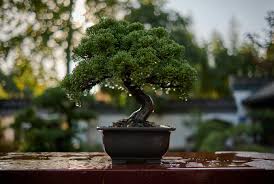
Dreaming of a tiny, elegant tree that brings calm and beauty to your home? Bonsai plants turn ordinary spaces into miniature landscapes – and they’re easier to care for than you think.
Bonsai plants are miniature trees grown in shallow pots through careful pruning, wiring, and root restriction. Popular in India for their artistic appeal and calming presence, they make excellent additions to living rooms, study tables, balconies, and offices.
This guide covers everything from light and watering to shaping techniques and troubleshooting — plus when it’s smart to call in a verified gardener for expert help with pruning or maintenance.
IN THIS ARTICLE
- Popular Bonsai Plant Varieties in India
- Light Requirements
- Watering Tips
- Humidity & Temperature
- Soil & Potting
- Fertilizing Schedule
- Pruning & Maintenance
- Common Problems & Solutions
- Advanced Tips for Indian Climates
- When to Call a Professional Gardener
- Quick Care Cheat Sheet
- Frequently Asked Questions
Popular Bonsai Plant Varieties in India
- Ficus (Ginseng Ficus / Ficus Benjamina): Forgiving, great for beginners, thrives indoors.
- Jade Plant (Crassula): Succulent-style, drought-tolerant, easy to shape.
- Chinese Elm / Indian varieties:trained as Bonsai (like Peepal, Banyan, Neem) – Hardy for semi-outdoor setups.
- Bougainvillea Bonsai: Colorful flowers, loves sun.
- Carmona / Fukien Tea: Glossy leaves, good for indoor tropical feel.
Light Requirements
Bonsai need bright indirect light or 4–6 hours of morning sunlight for healthy growth and compact leaves. Place near east- or west-facing windows. In Gurgaon’s harsh summers, protect from direct afternoon sun to avoid scorching. Low light can cause leggy growth and weak foliage.
Watering Tips
Water thoroughly when the top layer of soil feels dry (usually every 1–3 days in summer, less in winter). Use a gentle stream or soak the pot until water drains out. Never let the soil stay soggy – good drainage is essential. In dry AC rooms or winters, check daily as shallow pots dry out faster. Overwatering is the most common killer.
Humidity & Temperature
Most indoor Bonsai prefer moderate humidity (40–60%). Mist leaves occasionally during dry winters or in air-conditioned spaces. Ideal temperature: 15–30°C. Protect from extreme summer heat above 35°C and cold drafts below 10°C. Tropical varieties like Ficus handle stable indoor conditions better.
Soil & Potting
Use a fast-draining Bonsai-specific mix (combination of Akadama, pumice, lava rock, and some organic matter). This prevents root rot while retaining enough moisture. Repot every 1–3 years in spring, trimming roots lightly. Blooming Den’s premium Bonsai potting mix is formulated for excellent aeration and drainage.
Fertilizing Schedule
Bonsai are heavy feeders during the growing season. Apply a balanced liquid Bonsai fertilizer (diluted) every 2–4 weeks from spring to autumn. Reduce or stop in winter. Always water the plant before and after fertilizing to avoid root burn.
Pruning & Wiring (The Art of Bonsai)
- Pinch pruning: Regularly pinch new growth to maintain shape and encourage bushiness.
- Wiring: Use aluminum or copper wire to gently bend branches into desired styles (formal upright, cascade, etc.).
Prune roots during repotting to keep the tree miniature. Regular maintenance keeps your Bonsai looking artistic.
Struggling with pruning & wiring your Bonsai?
Common Problems & Solutions
| Problem | Solution |
|---|---|
| Yellow Leaves | Often overwatering, poor drainage, or nutrient deficiency. Improve drainage, let soil dry slightly between waterings. |
| Leaf Drop | Sudden changes in light, temperature, or water stress. Stabilize conditions gradually. |
| Pests (Aphids, scale) | Common in dry air. Treat with neem oil spray or soapy water. |
| Dry Tips | Low humidity or underwatering. Mist more frequently. |
| Weak Growth | Insufficient light or nutrients. Move to brighter spot and feed lightly. |
Severe infestation?
Advanced Tips for Indian Climates
- Monsoon: Excellent for growth but ensure good airflow and drainage to prevent fungal issues.
- Winter: Reduce watering and protect from cold nights; some varieties may slow down.
- Outdoor Transition: Many Bonsai (especially Ficus) enjoy shaded balconies in mild weather but bring indoors during extreme heat or cold.
- Styling: Start with easy styles and be patient – Bonsai is a long-term rewarding art.
Have questions?
When to Call a Professional Gardener
If your Bonsai needs shaping, wiring, root pruning, or shows persistent issues like yellowing or pests, our verified gardeners can visit your home for expert styling, maintenance, or rescue sessions. One professional session can transform your tree and teach you hands-on techniques.
Bonsai care combines science and art – with consistent light, proper watering, and regular pruning, your miniature tree can become a beautiful, long-lasting centerpiece in your home.
Ready to start or expand your Bonsai collection? Bring home a beautiful Bonsai from Blooming Den. for easy ordering + gardener booking or .
Quick Care Cheat Sheet
| Aspect | Recommendation (India Homes) |
|---|---|
| Light | Bright indirect light; 4–6 hours morning sun |
| Water | When top soil feels dry; thorough watering |
| Humidity | Moderate (40–60%); mist occasionally |
| Temperature | 15–30°C; avoid extreme heat/cold |
| Soil | Well-draining Bonsai mix (Akadama/lava rock) |
| Fertilizer | Balanced liquid every 2–4 weeks in growing season |
Frequently Asked Questions
Q1. Is Bonsai plant good for indoors in India?
Q2. How often should I water a Bonsai plant?
Q3. Why are my Bonsai leaves turning yellow?
Q4. Can Bonsai plants survive in low light?
Q5. Is Bonsai Plant toxic to pets?
Q6. How do I prune and shape my Bonsai?
Q7. What is the best soil for Bonsai?
Q8. How do I keep my Bonsai healthy?
Q9. Why do my Bonsai leaves drop?
Q10. Can I keep my Bonsai outdoors?
Q11. Do Bonsai plants need fertilizer?
Q12. How do I save an overwatered Bonsai?
Author Bio
Written by the Blooming Den Gardening Team – Verified plant experts helping urban India go green since 2025. We deliver plants, supplies, and professional care to your doorstep.