
Champa Plant Care Guide 2026: How to Grow Fragrant Champa at Home in India
THE TIMELESS SYMBOL OF PURITY, DEVOTION, AND NATURAL FRAGRANCE – PERFECT FOR GARDENS, BALCONIES, AND SPIRITUAL SPACES.
Posted: April 15, 2026 | Plant Care
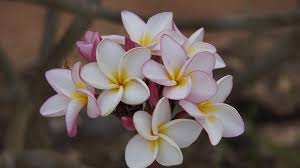
Whether planted in soil in your garden or grown in large decorative pots, Champa fills your space with a soothing aroma and tropical elegance — here’s exactly how to grow and maintain it effortlessly.
Champa, commonly known as Frangipani or Plumeria, is a tropical flowering plant widely loved in India for its beautiful, fragrant flowers and spiritual significance.
Often seen in temples and traditional homes, Champa symbolizes peace, positivity, and devotion. Its thick branches, glossy leaves, and highly fragrant blooms make it a standout choice for outdoor spaces and balconies.
IN THIS ARTICLE
- Popular Champa Varieties in India
- Light Requirements
- Watering Tips
- Humidity & Temperature
- Growing Medium
- Fertilizing Schedule
- Propagation Made Simple
- Pruning & Maintenance
- Common Problems & Solutions
- Advanced Tips for Indian Climates
- When to Call a Professional Gardener
- Quick Care Cheat Sheet
- Frequently Asked Questions
Popular Champa Varieties in India
- White Champa (Plumeria alba): Classic white flowers with yellow centers, highly fragrant.
- Pink Champa (Plumeria rubra): Shades of pink, red, and yellow with vibrant appeal.
- Yellow Champa: Bright and cheerful blooms, often used in landscaping.
- Dwarf Champa: Compact variety suitable for pots and small balconies.
Light Requirements
Champa thrives in full sunlight and requires at least 5–7 hours of direct sunlight daily.
It performs best in open areas like terraces, gardens, or sunny balconies, where it receives plenty of sunlight and fresh air. Avoid placing it in low-light indoor spaces, as insufficient light can hinder its growth and prevent it from flowering properly.
Watering Tips
- In Soil (Recommended Method): Water when the top 2–3 inches of soil feel dry. Champa is drought-tolerant and does not like overwatering.
- In Pots: Ensure proper drainage holes. Reduce watering during winter dormancy.
Humidity & Temperature
Champa plants thrive in warm Indian climates and adapt naturally to outdoor conditions. They prefer moderate humidity and perform best when placed in open, airy spaces like terraces, gardens, or balconies.
- Ideal temperature: 20–35°C.
- Protect from frost (below 10°C), as it can damage the plant.
- Avoid heavy waterlogging during monsoon to prevent root rot.
- Ensure good air circulation for healthy growth and flowering.
Growing Medium
Use a well-draining sandy or loamy soil mix to support healthy root growth and prevent waterlogging.
- Ideal Mix: Garden soil + sand + compost for proper drainage and nutrients
- Avoid heavy clay soil, as it retains excess water and can lead to root rot
- Ensure pots have good drainage holes for excess water to escape
Fertilizing Schedule
Feed your Champa plant with a phosphorus-rich fertilizer every 2–3 weeks during the growing season, especially in spring and summer, to promote healthy growth and abundant flowering. Avoid over-fertilizing, as excessive nutrients can harm the plant and reduce its ability to produce flowers.
Propagation Made Simple
Very easy to propagate!
- Cut a healthy branch (8–12 inches)
- Let it dry for a day (to prevent rot)
- Plant in well-draining soil
- Water lightly
Roots develop in 2–4 weeks in warm conditions.
Pruning & Maintenance
Prune your Champa plant during late winter or early spring to encourage healthy growth and better flowering. Remove any dead, damaged, or weak branches to improve the plant’s shape and allow it to focus its energy on producing more blooms.
Common Problems & Solutions
| Problem | Possible Causes | Solution |
|---|---|---|
| Yellow Leaves | Overwatering or seasonal shedding | Reduce watering, check drainage |
| No Flowers | Lack of sunlight, excess nitrogen | Ensure full sun, use phosphorus fertilizer |
| Root Rot | Waterlogged soil | Improve drainage immediately |
| LPest Attack (Aphids, Spider mites) | Dry conditions | Use neem oil spray or wipe leaves |
| Leaf Drop | Seasonal dormancy (winter) | Normal — reduce watering |
Don’t let pests or root rot win –
Advanced Tips for Indian Climates
- Monsoon: Avoid waterlogging, improve drainage
- Summer: Loves heat — ensure proper watering
- Winter: May go dormant — reduce watering
- Vastu Tips: Place Champa near entrance or garden areas to promote peace and positivity. Commonly used in temples and spiritual corners.
Have questions?
When to Call a Professional Gardener
If your Champa plant shows signs such as no flowering for long periods, severe pest issues, or symptoms of root rot and poor growth, it may need expert attention. These problems can be difficult to manage without the right knowledge and care techniques.
In such cases, a professional gardener can help diagnose the issue accurately and provide solutions like proper pruning, soil correction, pest treatment, and overall plant revival to restore its health and blooming cycle.
Ready to start your jungle journey?
Transform your space with a beautiful Champa plant from Blooming Den. for easy ordering + gardener booking or .
Quick Care Cheat Sheet
| Aspect | Recommendation for India Homes |
|---|---|
| Light | Full sunlight (5–7 hrs daily) |
| Water | Moderate; allow soil to dry between watering |
| Humidity | Low to moderate |
| Temperature | 20–35°C (thrives in warm conditions; protect from cold below 10°C) |
| Growing Medium | Well-draining sandy soil |
| Fertilizer | Phosphorus-rich, every 2–3 weeks |
| Toxicity | Mildly toxic if ingested |
Frequently Asked Questions
Q1. What is Champa flower used for?
Q2. Can we keep Champa plants at home?
Q3. Which type of plant is Champa?
Q4. Do Champa flowers attract snakes?
Q5. Is Champa good as per Vastu?
Q6. Is Champa plant toxic to pets or children?
Q7. How do I propagate Champa at home?
Q8. What is the best soil for Champa plant?
Q9. How do I make my Champa plant grow faster or bloom more?
Q10. Why are my Champa leaves turning yellow?
Q11. Can I keep my Champa plant indoors?
Q12. Does Champa need fertilizer, and how often?
Author Bio
Written by the Blooming Den Gardening Team – Verified plant experts helping urban India go green since 2025. We deliver plants, supplies, and professional care to your doorstep.