
Grow Beautiful Jade Plants Indoors – Low Maintenance Guide for Busy Gurgaon Homes
GARDENING MADE EASY: JADE PLANTS ARE INCREDIBLY FORGIVING SUCCULENTS THAT STORE WATER IN THEIR PLUMP LEAVES AND THRIVE ON NEGLECT – HERE’S EXACTLY HOW TO KEEP THEM LUSH AND HEALTHY.
Posted: April 18, 2026 | Plant Care
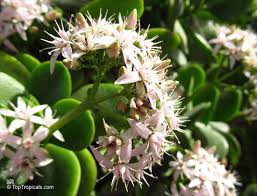
With thick, glossy green leaves, sturdy woody stems, and a tree-like shape, Jade Plants (also known as Money Plant, Lucky Plant, or Friendship Tree) bring timeless elegance, good fortune vibes (as per Feng Shui), and a touch of greenery to your space — even if you forget to water them for weeks.
Jade Plants, scientifically known as Crassula ovata, are one of the most popular and resilient indoor succulents in India. Their oval, jade-like leaves and slow-growing habit make them a stylish addition to living rooms, bedrooms, offices, desks, and bright windowsills in Gurgaon homes.
At Blooming Den, we’ve helped many busy professionals and families succeed with these long-lived plants that can thrive for decades. This guide covers everything from light and watering to troubleshooting — plus when it’s smart to call in a verified gardener for expert help.
IN THIS ARTICLE
Popular Jade Plant Varieties in India
- Crassula ovata (Classic Jade): The most common variety with oval green leaves that develop red edges in bright light — perfect for beginners.
- Gollum / Hobbit: Tubular, finger-like leaves for a unique, sculptural look.
- Hummel's Sunset: Beautiful variegated leaves with yellow, orange, and red tones — very eye-catching.
- Variegata: Striking cream and green variegation.
- Dwarf / Compact varieties: Smaller leaves and bushier growth — ideal for tabletops and small spaces.
- Others: Crosby’s Compact, Money Maker, and tricolor types.
Light Requirements
Jade plants love bright light. They grow best with at least 4–6 hours of bright indirect light or gentle direct morning sun daily. Ideal for south- or east-facing windows and well-lit balconies in Gurgaon. In intense summer afternoons, provide light shade to prevent leaf scorch or reddening. They can tolerate lower light but may become leggy with fewer vibrant colors.
Watering Tips
This is where most people go wrong — overwatering is the #1 killer of Jade plants.
Water thoroughly only when the soil is completely dry (every 2–3 weeks in summer, once a month or less in winter or AC rooms). Stick your finger 2 inches into the soil; if it’s dry, water. Always use pots with drainage holes and empty saucers immediately to prevent root rot. In Gurgaon’s monsoon, water even less and ensure excellent airflow.
Humidity & Temperature
Jade plants prefer dry conditions and don’t need misting. Average room humidity (30–50%) is perfect.
Ideal temperature: 18–30°C. Protect from cold drafts, heaters, or temperatures below 10°C in winter — they can suffer in Gurgaon’s occasional chilly nights.
Growing Medium
Use a well-draining cactus or succulent mix (add perlite or sand for extra drainage). Avoid heavy peat-based or regular garden soil that holds moisture. Repot only when the plant is very root-bound (every 2–3 years) — Jade plants actually prefer being slightly snug in their pots.
Fertilizing Schedule
Jade plants are light feeders. Apply a balanced or cactus/succulent fertilizer at half or quarter strength once in spring and once in mid-summer. Skip fertilizing in winter when growth slows.
Propagation Made Simple
Easiest methods:
- Leaf cuttings: Gently twist off a healthy leaf, let it callus for 2–3 days, then lay it on moist succulent soil.
- Stem cuttings: Cut a healthy branch, let it callus, then plant in well-draining soil.
New plants usually root in 3–6 weeks in a warm, bright spot.
Pruning & Maintenance
Prune leggy stems or old branches with clean shears to encourage bushier growth. Remove yellow or shriveled leaves at the base. Wipe dusty leaves gently with a damp cloth for better photosynthesis. Rotate the pot occasionally for even growth.
Common Problems & Solutions
| Problem | Solution |
|---|---|
| Yellow Leaves | Usually overwatering or root rot. Let soil dry completely, improve drainage, and repot in fresh succulent mix if needed. |
| Wrinkled/Shriveled Leaves | Underwatering. Water thoroughly and increase frequency slightly during hot weather. |
| Brown Tips/Edges | Underwatering, low humidity, or excessive direct sun. Adjust watering and provide filtered light. |
| Soft, Mushy Leaves/Stem | Overwatering/root rot — trim affected parts, dry out soil, and repot. |
| Leggy Growth | Insufficient light. Move to a brighter spot. |
| Pests (Mealybugs, Spider mites) | Rare but possible in dry air. Wipe with neem oil solution or soapy water. |
| No New Growth | Needs more light or it’s time to fertilize lightly in growing season. |
Don’t let pests or diseases spoil your blooms –
Advanced Tips for Indian Climates
- Monsoon: Growth can be good but ensure excellent drainage and airflow to prevent fungal issues and rot.
- Winters: Reduce watering significantly; plants may slow down or go semi-dormant in North India.
- Air Purification & Benefits: Jade plants improve indoor air and are believed to bring prosperity and positive energy — perfect for urban Gurgaon apartments.
- Outdoor Use: Can go on bright shaded balconies in mild weather but bring indoors before extreme summer heatwaves or winter cold below 10°C.
Have questions?
When to Call a Professional Gardener
If your Jade Plant shows persistent yellowing, shriveling, mushy stems, or you’re unsure about repotting, pruning, or propagation, our verified gardeners can visit your Gurgaon home for assessment, treatment, or maintenance. One expert visit often revives a struggling plant quickly!
Jade Plants are the ultimate “set it and forget it” succulent — tough, stylish, long-lived, and full of good-luck symbolism. With minimal care and the right conditions, they’ll reward you with years of beautiful, tree-like foliage.
Ready to add a Jade Plant (or a few) to your space? Transform your balcony or garden with Jade Plants from Blooming Den. for easy ordering + gardener booking or .
Quick Care Cheat Sheet
| Aspect | Recommendation (India Homes) |
|---|---|
| Light | Bright indirect or gentle morning sun (4–6+ hours); avoid harsh afternoon sun in summer |
| Water | Every 2–3 weeks; let soil dry out completely |
| Humidity | Low (30–50%); no misting needed |
| Temperature | 18–30°C; protect from cold drafts below 10°C |
| Growing Medium | Well-draining cactus/succulent mix |
| Fertilizer | Minimal – once or twice a year in growing season at half strength |
| Toxicity | Mildly toxic to pets/kids if ingested – keep out of reach |
Frequently Asked Questions
Q1. Is Jade Plant good for indoors in India?
Q2. How often should I water a Jade Plant in Gurgaon or Delhi-NCR?
Q3. Why are my Jade Plant leaves turning yellow?
Q4. Can Jade Plants survive in low light?
Q5. Is Jade Plant toxic to pets or children?
Q6. What is the best soil for Jade Plants?
Q7. How do I increase growth or make my Jade Plant bushier?
Q8. Why do my Jade Plant leaves have brown tips or wrinkles?
Q9. Can I keep my Jade Plant outdoors on a balcony?
Q10. How do I save an overwatered or struggling Jade Plant?
Author Bio
Written by the Blooming Den Gardening Team – Verified plant experts helping urban India go green since 2025. We deliver plants, supplies, and professional care to your doorstep.