
Master Lavender Plant Care: The Fragrant Gateway to Calm & Prosperity in Urban Indian Homes
THE ULTIMATE AROMATIC BEAUTY FOR YOUR BALCONY: LEARN HOW TO GROW LUSH, FRAGRANT LAVENDER IN INDIA’S DIVERSE CLIMATE.
Posted: April 16, 2026 | Plant Care
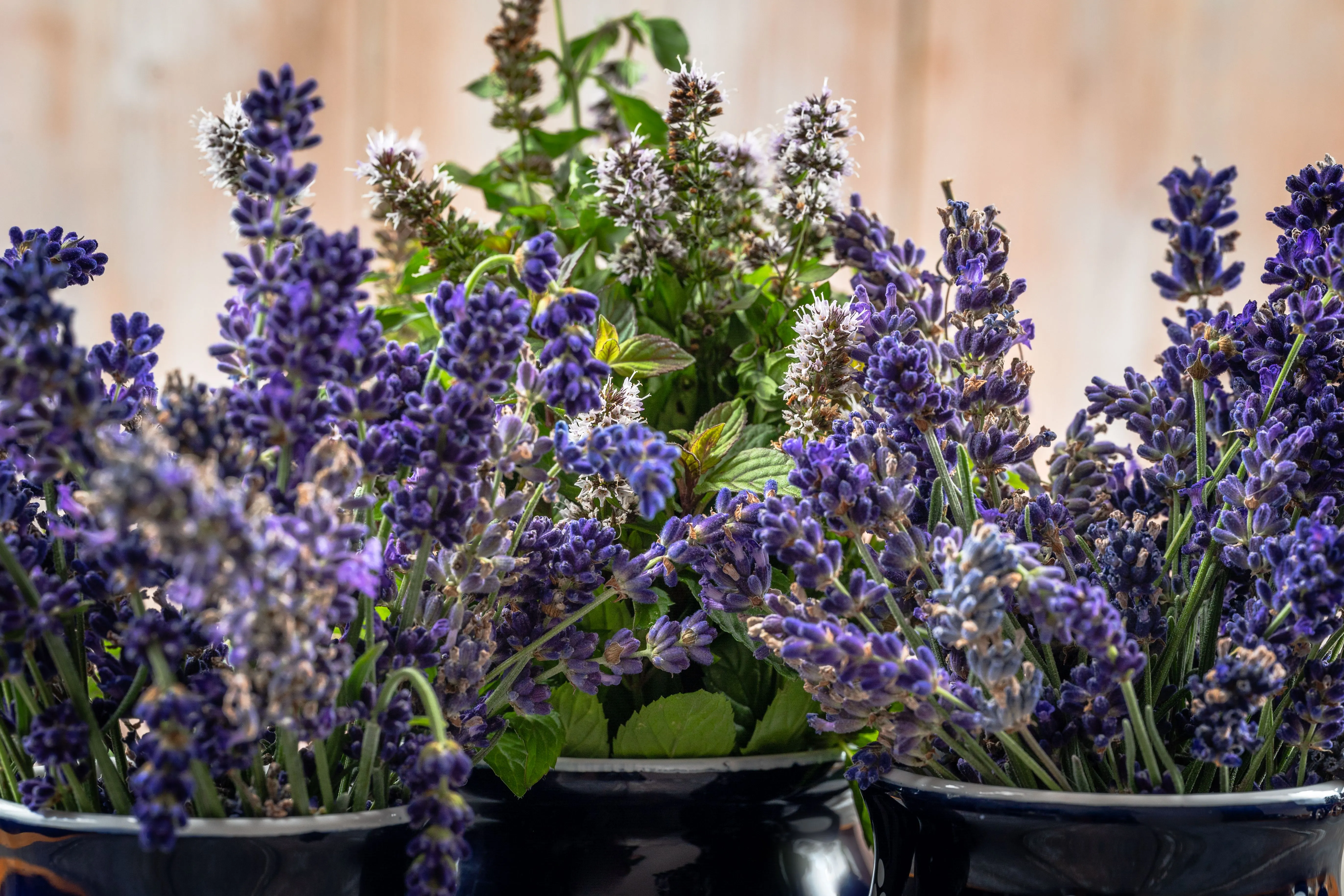
Dreaming of a plant that fills your home with soothing fragrance, beautiful purple blooms, and positive vibes? Lavender (Lavandula) is one of the most loved aromatic plants in urban Indian households. Known for its calming scent, elegant spikes of flowers, and therapeutic benefits, this Mediterranean beauty is perfect for balconies, windowsills, terraces, and small gardens.
This complete guide covers everything—from sunlight and soil to expert tips for year-round blooms in Indian conditions—plus when to call a professional gardener.
IN THIS ARTICLE
Popular Lavender Varieties in India
- English Lavender (Lavandula angustifolia): Most fragrant, ideal for pots and essential oil. Best for cooler regions.
- French Lavender (Lavandula dentata): Heat-tolerant with serrated leaves, excellent for North & Central India.
- Spanish Lavender (Lavandula stoechas): Compact with unique “rabbit ear” flowers, perfect for small balconies and apartments.
- Hidcote & Munstead: Dwarf varieties great for tabletops and borders.
Light Requirements
Lavender is a sun-worshipper. For maximum blooms and strong fragrance, it needs 6–8 hours of direct sunlight daily.
- Outdoor: Full sun on south or west-facing balconies works best.
- Indoor: Place near brightest south-facing windows. Use grow lights in low-light apartments.
- Caution: In extreme North Indian summers (April–June), provide light afternoon shade to prevent leaf scorch.
Watering Tips
Lavender is drought-tolerant and hates overwatering—the #1 reason for failure in India.
- Summer: Water deeply every 4–7 days. Let the top 2–3 inches of soil dry completely between waterings.
- Monsoon: Reduce watering drastically. Ensure excellent drainage.
- Winter: Water once every 10–15 days.
- Pro Tip: Always water at the base in the morning. Never let the plant sit in water.
Humidity & Temperature
Lavender loves dry air and moderate temperatures (ideal range 15°C to 30°C).
- Dry Summers: It thrives in low humidity. Avoid misting—dry foliage prevents fungal issues.
- Monsoon: High humidity can cause fungal problems. Keep good airflow around the plant.
- Winter: Tolerates down to 5–10°C. Protect from heavy frost in North India with a frost cloth.
Growing Medium
Lavender thrives in well-draining, slightly alkaline soil, which is key to its healthy growth. An ideal potting mix includes 40% garden soil, 30% cocopeat, 20% sand or perlite for drainage, and 10% neem cake or bone meal for added nutrients. Using terracotta pots is recommended as they provide better airflow to the roots. Repot the plant every 2 years in early spring, especially if the roots start circling the pot. If the soil becomes too acidic, you can balance it by adding lime or crushed eggshells.
Fertilizing Schedule
Lavender prefers low-nutrient soil. Over-fertilizing reduces fragrance and blooms.
- Use diluted balanced organic fertilizer (NPK 5-5-5) or vermicompost once every 6–8 weeks during spring and early autumn.
- Skip fertilizing in winter and peak monsoon.
- Seaweed extract spray every 15 days promotes healthy growth and more flowers.
Pruning & Shaping
Regular pruning keeps lavender compact, bushy, and blooming profusely.
- Light Pruning: After each flowering season, cut back spent flower stalks just above the first set of leaves.
- Hard Pruning: In early spring, trim up to one-third of the plant to maintain shape.
- Tip: Never cut into old woody stems—new growth comes from green stems only.
Struggling with shape? {" "}
Common Problems & Solutions
| Problem | Possible Causes | Solution |
|---|---|---|
| Yellow Leaves | Overwatering, poor drainage | Reduce water, improve drainage, add grit |
| No Blooms | Too much shade, excess nitrogen | Move to full sun, stop high-nitrogen fertilizer |
| Brown Tips | Dry heat, underwatering | Deep water, mulch with pebbles |
| Leggy Growth | Insufficient sunlight | Relocate to brighter spot |
| Fungal Issues | High humidity + poor airflow | Improve ventilation, apply neem oil |
| Root Rot | Waterlogging | Repot in fresh dry soil, trim damaged roots |
Don’t let pests or root rot win –
Advanced Tips for Indian Climates
- Monsoon: This is the peak growth season. However, high humidity can lead to fungal growth inside the dense foliageElevate pots to prevent water stagnation. Use raised platforms on balconies.
- North India Winters: Protect young plants from frost. Mulch with dry leaves.
- South India Heat: Choose French or Spanish varieties—they handle humidity and heat better.
- Vastu & Feng Shui: Lavender brings peace, love, and positive energy. Place it in the North-East (for wisdom & calmness) or South-West (for relationships). Its soothing aroma is believed to reduce stress and invite harmony.
- Air Purification & Benefits: Excellent natural air purifier. The fragrance helps with anxiety, better sleep, and repels mosquitoes.
Have questions?
When to Call a Professional Gardener
If your lavender shows persistent yellowing, no flowering, woody leggy growth, or you want perfect rounded shapes for gifting or décor, our verified gardeners can help with root treatment, proper pruning, and soil correction.
Ready to bring home fragrant lavender? for easy ordering + gardener booking or .
Quick Care Cheat Sheet
| Aspect | Recommendation (India Homes) |
|---|---|
| Light | 6–8 hours direct sunlight |
| Water | Deep but infrequent; let soil dry between waterings |
| Humidity | Low to moderate; avoid misting |
| Temperature | 15–30°C; protect from frost & extreme heat |
| Growing Medium | Well-draining, slightly alkaline, sandy mix |
| Fertilizer | Light organic every 6–8 weeks (Spring-Autumn) |
| Toxicity | Generally safe; mild irritation if ingested |
Frequently Asked Questions
Q1. Is lavender good for indoors in India?
Q2. How often to water lavender in Delhi, Mumbai or Bangalore?
Q3. Why are my lavender leaves turning yellow or brown?
Q4. Can lavender survive in low light?
Q5. Is lavender toxic to pets or children?
Q6. How to make lavender grow bushier and more fragrant?
Q7. Where should I keep a lavender plant as per Vastu?
Q8. What is the lifespan of a lavender plant?
Q9. How to grow lavender at home in pots?
Q10. Can I grow lavender in India?
Q11. Does lavender like full sun or shade?
Author Bio
Written by the Blooming Den Gardening Team – Verified plant experts helping urban India go green since 2025. We deliver plants, supplies, and professional care to your doorstep.