
Lucky Bamboo Care Guide 2026: How to Grow Thriving Lucky Bamboo Indoors in India
Gardening Made Easy: THE ULTIMATE SYMBOL OF LUCK, PROSPERITY, AND EASY GREENERY – PERFECT FOR BUSY URBAN HOMES AND VASTU ENTHUSIASTS.
Posted: April 11, 2026 | Plant Care
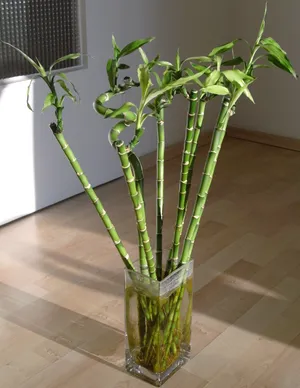
Whether grown in a stylish glass vase with pebbles or in soil, Lucky Bamboo adds modern charm and good vibes – here’s exactly how to keep it thriving effortlessly.
Lucky Bamboo, scientifically known as Dracaena sanderiana, is a popular indoor plant in India loved for its straight or spiralled green stalks and easy care. Often grown in water with pebbles or in soil, it adds elegant vertical interest to desks, shelves, living rooms, and offices while being associated with luck, prosperity, and positive energy in Vastu and Feng Shui.
This guide covers everything from light and watering to propagation and troubleshooting — plus when it’s smart to call in a verified gardener for expert help.
IN THIS ARTICLE
- Popular Lucky Bamboo Varieties & Styles in India
- Light Requirements
- Watering Tips
- Humidity & Temperature
- Growing Medium
- Fertilizing Schedule
- Propagation Made Simple
- Pruning & Maintenance
- Common Problems & Solutions
- Advanced Tips for Indian Climates
- When to Call a Professional Gardener
- Quick Care Cheat Sheet
- Frequently Asked Questions
Popular Lucky Bamboo Varieties & Styles in India
- Straight Stalks: Classic upright form, often sold in groups of 3, 5, or more.
- Curly / Spiral Lucky Bamboo: Twisted stalks for artistic appeal.
- Braided Lucky Bamboo: Multiple stalks braided together.
- Lucky Bamboo in different stalk counts: 2 (love), 3 (happiness), 5 (health), 8 (wealth), 9 (good fortune) – popular as gifts.
Varieties with variegated leaves are also available for added visual interest.
Light Requirements
Lucky Bamboo thrives in bright indirect light (east or north-facing windows with sheer curtains). It tolerates low to medium light well, making it ideal for offices or darker corners. Avoid direct harsh sunlight, which can scorch leaves and cause yellowing. In Gurgaon’s intense summers, protect from strong afternoon rays.
Watering Tips
- In Water (Hydroponic): Keep roots submerged with at least 1–2 inches of water above the roots. Change water completely every 7–10 days using filtered, distilled, or rainwater. Clean the container and pebbles regularly.
- In Soil: Water when the top 1 inch of soil feels dry – keep soil moist but never soggy. Good drainage is essential.
In dry winters or AC rooms, check more frequently.
Humidity & Temperature
Moderate humidity (40–60%) is ideal. Mist leaves occasionally during dry winters or in air-conditioned spaces. Ideal temperature: 18–32°C. Protect from cold drafts below 10°C. These tropical plants love the stable indoor conditions common in Indian homes.
Growing Medium
- Water Method: Use a glass vase or container with clean pebbles or marbles to anchor stalks.
- Soil Method: Use well-draining houseplant or aroid mix. Repot when roots become crowded (every 1–2 years).
Blooming Den’s premium potting mix works excellently for soil-grown Lucky Bamboo.
Fertilizing Schedule
Lucky Bamboo needs very little fertilizer. If desired, apply a diluted balanced liquid houseplant fertilizer every 4–6 weeks during the growing season (spring to autumn). Skip in winter. Over-fertilizing can cause leaf burn or algae in water-grown plants.
Propagation Made Simple
Very Easy!
- Cut a healthy stalk just above a node.
- Place the cutting in fresh water (change regularly) or moist soil.
- Roots develop in 2–4 weeks in bright indirect light.
- New stalks can also be grown from side shoots.
Pruning & Maintenance
Trim yellow or damaged leaves at the base with clean shears. Cut stalks at an angle if shaping is needed. Rotate the container occasionally for even growth. For curly or braided styles, maintain the arrangement carefully.
Common Problems & Solutions
| Problem | Possible Causes | Solution |
|---|---|---|
| Yellow Leaves | Chlorinated/fluoride tap water, direct sun, over-fertilizing | Switch to filtered water. Move to bright indirect light. Weekly water changes. |
| Brown Tips | Low humidity, dry AC air, tap water chemicals | Mist leaves regularly. Use filtered water. Maintain 40-60% humidity. |
| Algae Growth | Direct light on vase, infrequent water changes | Change water weekly. Clean vase and pebbles. Keep away from direct sun. |
| Leggy Growth | Insufficient light | Move to brighter indirect light spot. Rotate arrangement occasionally. |
| Soft Stalks | Overwatering (in soil), stagnant water | Improve drainage or change water immediately. Trim mushy parts. |
Don’t let pests or root rot win –
Advanced Tips for Indian Climates
- Monsoon: High humidity is beneficial; change water more often to prevent algae or rot.
- Winter: Reduce fertilizer and protect from cold windows; growth may slow.
- Vastu Tip: Place in the east or southeast corner of your home. Avoid bathrooms or northeast directions.
- Air Purification: Lucky Bamboo helps remove indoor toxins, making it great for city apartments.
Have questions?
When to Call a Professional Gardener
If your Lucky Bamboo shows persistent yellowing, algae buildup, shaping issues, or you want help with pruning or custom arrangements, our verified gardeners can visit your home for expert care. One session can refresh and restyle your plant beautifully.
Lucky Bamboo is the perfect low-maintenance plant for busy urban lives – elegant, forgiving, and full of positive symbolism. With clean water, indirect light, and occasional care, it will thrive for years.
Ready to bring home your own Lucky Bamboo arrangement? for easy ordering + gardener booking or .
Quick Care Cheat Sheet
| Aspect | Recommendation for India Homes |
|---|---|
| Light | Bright indirect light; tolerates low to medium light |
| Water | In water: Change weekly; In soil: Keep moist but not soggy |
| Humidity | Moderate (40–60%); mist in dry winters/AC rooms |
| Temperature | 18–32°C; protect from cold below 10°C |
| Medium | Water with pebbles or well-draining mix |
| Fertilizer | Minimal – diluted liquid every 4–6 weeks |
| Toxicity | Mildly toxic to pets/kids – keep out of reach |
Frequently Asked Questions
Q1. Is Lucky Bamboo good for indoors in India?
Q2. How often should I change water in Lucky Bamboo?
Q3. Why are my Lucky Bamboo leaves turning yellow?
Q4. Can Lucky Bamboo survive in low light?
Q5. Is Lucky Bamboo toxic to pets?
Q6. How do I propagate Lucky Bamboo at home?
Q7. What is the best growing medium?
Q8. How do I make it grow taller?
Q9. Why are there brown tips on leaves?
Q10. Can I keep it outdoors on a balcony?
Q11. Does it need fertilizer?
Q12. How do I save a yellowing Lucky Bamboo?
Author Bio
Written by the Blooming Den Gardening Team – Verified plant experts helping urban India go green since 2025. We deliver plants, supplies, and professional care to your doorstep.