
Grow Beautiful Marigold Plants Indoors & Outdoors – Low Maintenance Guide for Busy Gurgaon Homes
GARDENING MADE EASY: MARIGOLDS BURST WITH VIBRANT COLORS, REPEL PESTS NATURALLY, AND THRIVE WITH MINIMAL FUSS – HERE’S EXACTLY HOW TO KEEP THEM BLOOMING BEAUTIFULLY.
Posted: April 18, 2026 | Plant Care
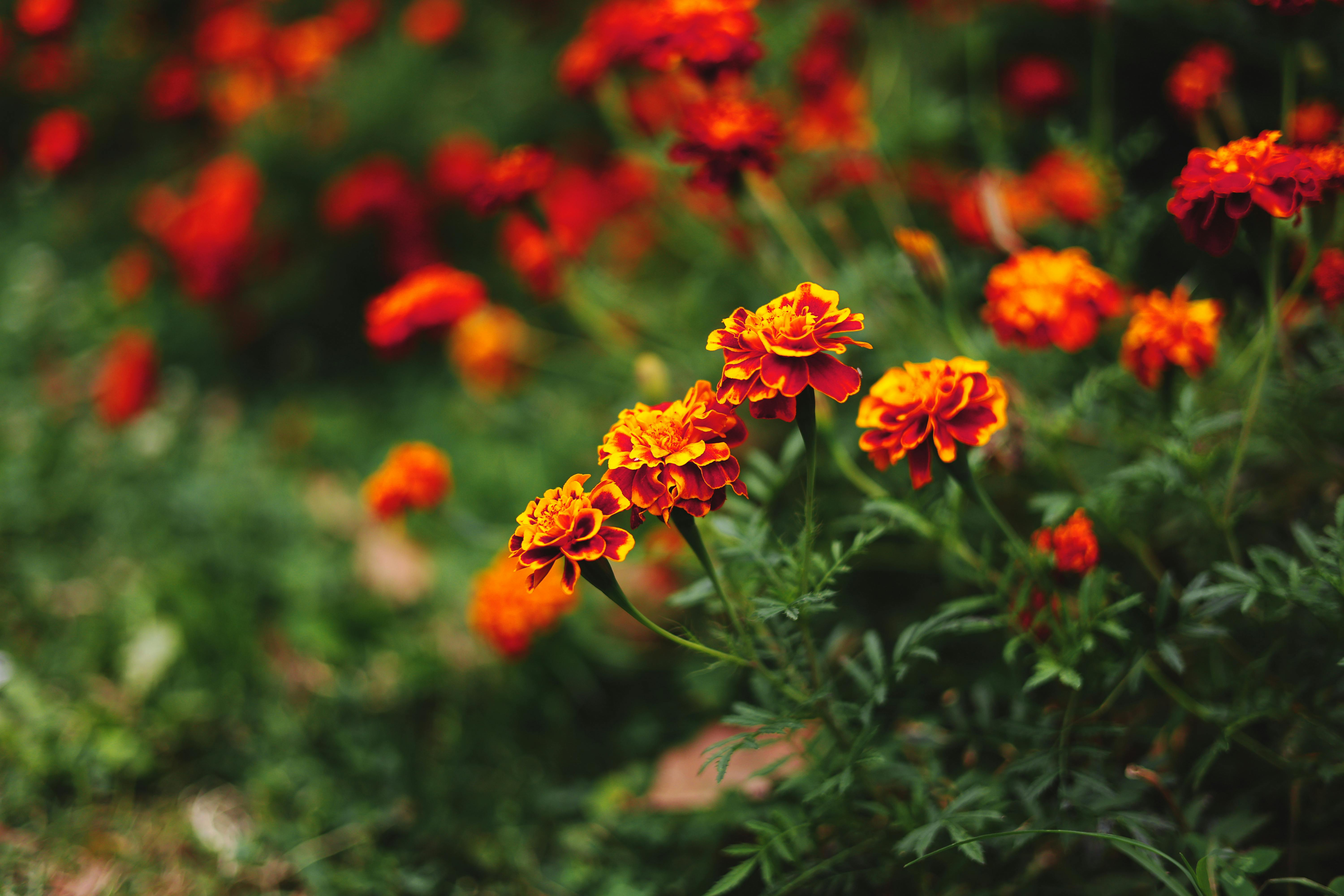
With cheerful pom-pom or daisy-like flowers in shades of yellow, orange, gold, and red, Marigolds (also known as Genda Phool) bring instant warmth, joy, and a touch of festival spirit to your space. These hardy annuals are perfect for balconies, terraces, windowsills, and even small Gurgaon apartments.
At Blooming Den, we’ve helped countless busy professionals and families in Delhi-NCR transform their spaces with these easy-to-grow flowers. This guide covers everything from light and watering to troubleshooting — plus when it’s smart to call in a verified gardener for expert help.
IN THIS ARTICLE
Popular Marigold Varieties in India
- African Marigold (Tagetes erecta): Tall plants with large, double, globe-shaped flowers — ideal for bold displays and cut flowers.
- French Marigold (Tagetes patula): Compact, bushy plants with smaller, multi-colored flowers — great for pots, borders, and edging.
- Pusa Varieties: Popular Indian hybrids like Pusa Basanti Gainda (yellow) and Pusa Narangi Gainda (orange) — high-yielding and heat-tolerant.
- Dwarf & Signet Types: Petite varieties for tabletops or small spaces; some with single, dainty blooms and lemony fragrance.
- Others: Cracker Jack, Giant Double, Butterscotch, Red Brocade, and white/cream hybrids.
Light Requirements
Marigolds are sun-lovers. They need full sun (at least 6–8 hours of direct sunlight daily) for abundant blooms and strong growth. In Gurgaon’s hot summers, provide morning sun with light afternoon shade to prevent scorching. They perform well on south- or west-facing balconies but may stretch and flower less in low-light indoor corners.
Watering Tips
Marigolds prefer consistent moisture but hate soggy roots — overwatering leads to rot and fewer flowers.
Water thoroughly when the top 1 inch of soil feels dry (every 2–3 days in peak summer heat, less in cooler months or rainy season). Use pots with drainage holes and empty saucers. Water at the base to keep foliage dry and reduce disease risk. In Gurgaon’s monsoon, ensure excellent drainage and good airflow.
Humidity & Temperature
Marigolds enjoy warm, dry-to-moderate conditions and tolerate Gurgaon’s humidity well once established. Ideal temperature: 20–35°C. They bloom best in warmth but may slow down or suffer below 10–15°C in winter. Protect young plants from cold drafts.
Growing Medium
Use well-draining, moderately fertile potting mix (garden soil + compost + sand or perlite). Avoid heavy clay soils that retain too much water. Marigolds grow happily in pots, grow bags, or ground beds. Repot or refresh soil annually for container plants.
Fertilizing Schedule
Marigolds are light feeders. Too much nitrogen produces leaves at the expense of flowers. Apply a balanced or high-phosphorus fertilizer (like 5-10-5) at half strength every 4–6 weeks during the growing season (spring to monsoon). Skip or minimize in peak summer heat or winter.
Propagation Made Simple
Easiest methods:
- From Seeds: Sow directly in pots or beds ¼ inch deep. Germination in 5–10 days in warm soil. Start indoors 6–8 weeks before transplanting.
- Seedlings/Transplanting: Buy healthy young plants and space them 6–12 inches apart depending on variety.
New plants establish quickly in warm, sunny spots.
Pruning & Maintenance
Deadhead spent flowers regularly to encourage continuous blooming. Pinch young plants for bushier growth. Remove yellow or damaged leaves. Wipe or rinse dusty foliage gently. Rotate pots for even sun exposure.
Common Problems & Solutions
| Problem | Solution |
|---|---|
| Yellow Leaves | Usually overwatering, poor drainage, or nutrient deficiency. Let soil dry between waterings; improve drainage and apply balanced fertilizer. Check for aster yellows disease (destroy affected plants). |
| Few or No Flowers | Insufficient sunlight or excess nitrogen. Move to full sun and switch to bloom-boosting fertilizer. |
| Leggy/Stretchy Growth | High humidity with poor airflow. Improve ventilation; avoid overhead watering. |
| Pests (Aphids, Spider, mites,Whiteflies, Thrips) | Wipe with neem oil solution or soapy water. Marigolds naturally repel many insects. |
| Root Rot | Overwatering or poor drainage. Repot in fresh, well-draining mix after trimming affected roots. |
Don’t let pests or diseases spoil your blooms –
Advanced Tips for Indian Climates
- Monsoon: Excellent for growth but protect from heavy waterlogging with raised beds or excellent drainage. Good airflow prevents fungal issues.
- Winters: Prime blooming season in North India! Plant in October–November for vibrant winter displays in Gurgaon/Delhi-NCR. Reduce watering as temperatures drop.
- Pest Repellent Powers: Marigolds naturally deter nematodes, aphids, and some garden pests — perfect companion plants for vegetables and flowers.
- Outdoor Use: Ideal for balconies, terraces, and gardens in mild weather. Bring pots indoors during extreme summer heatwaves or heavy rains.
Have questions?
When to Call a Professional Gardener
If your Marigold plants show persistent yellowing, leggy growth, pest infestations, or you need help with sowing, deadheading, or reviving struggling plants, our verified gardeners can visit your Gurgaon home for assessment, treatment, or full maintenance. One expert visit often restores beautiful blooms quickly!
Marigolds are the ultimate cheerful, “plant-and-enjoy” flowers — colorful, pest-repelling, and perfect for adding festival vibes to your home with minimal effort. With the right sun and care, they’ll reward you with months of vibrant blooms.
Ready to add Marigolds (or a colorful mix) to your space? Transform your balcony or garden with Marigolds from Blooming Den. for easy ordering + gardener booking or .
Quick Care Cheat Sheet
| Aspect | Recommendation (India Homes) |
|---|---|
| Light | Full sun (6–8+ hours direct); morning sun + afternoon shade in peak summer |
| Water | Every 2–3 days when top soil is dry; reduce in monsoon/winter |
| Humidity | Moderate; good airflow important |
| Temperature | 20–35°C; protect from frost below 10°C |
| Growing Medium | Well-draining potting mix with compost |
| Fertilizer | Light, bloom-boosting every 4–6 weeks in growing season |
| Toxicity | Mildly toxic if ingested; generally safe around pets but keep out of reach of curious kids/pets |
Frequently Asked Questions
Q1. Is Marigold good for balconies and gardens in India?
Q2. How often should I water Marigold plants in Gurgaon or Delhi-NCR?
Q3. Why are my Marigold leaves turning yellow?
Q4. Can Marigolds grow in low light?
Q5. Are Marigold plants toxic to pets or children?
Q6. How do I propagate Marigold plants at home?
Q7. What is the best soil for Marigold plants?
Q8. How do I increase blooms on my Marigold plants?
Q9. Why do my Marigold plants have few flowers or leggy stems?
Q10. Can I keep Marigold plants outdoors on a balcony year-round?
Author Bio
Written by the Blooming Den Gardening Team – Verified plant experts helping urban India go green since 2025. We deliver plants, supplies, and professional care to your doorstep.