
Master Morpankh (Thuja) Plant Care: The Gateway to Prosperity in Urban Indian Spaces
THE "TREE OF LIFE" IN YOUR HOME: LEARN HOW TO KEEP YOUR MORPANKH LUSH, EMERALD-GREEN, AND THRIVING IN INDIA’S UNIQUE CLIMATE.
Posted: April 16, 2026 | Plant Care
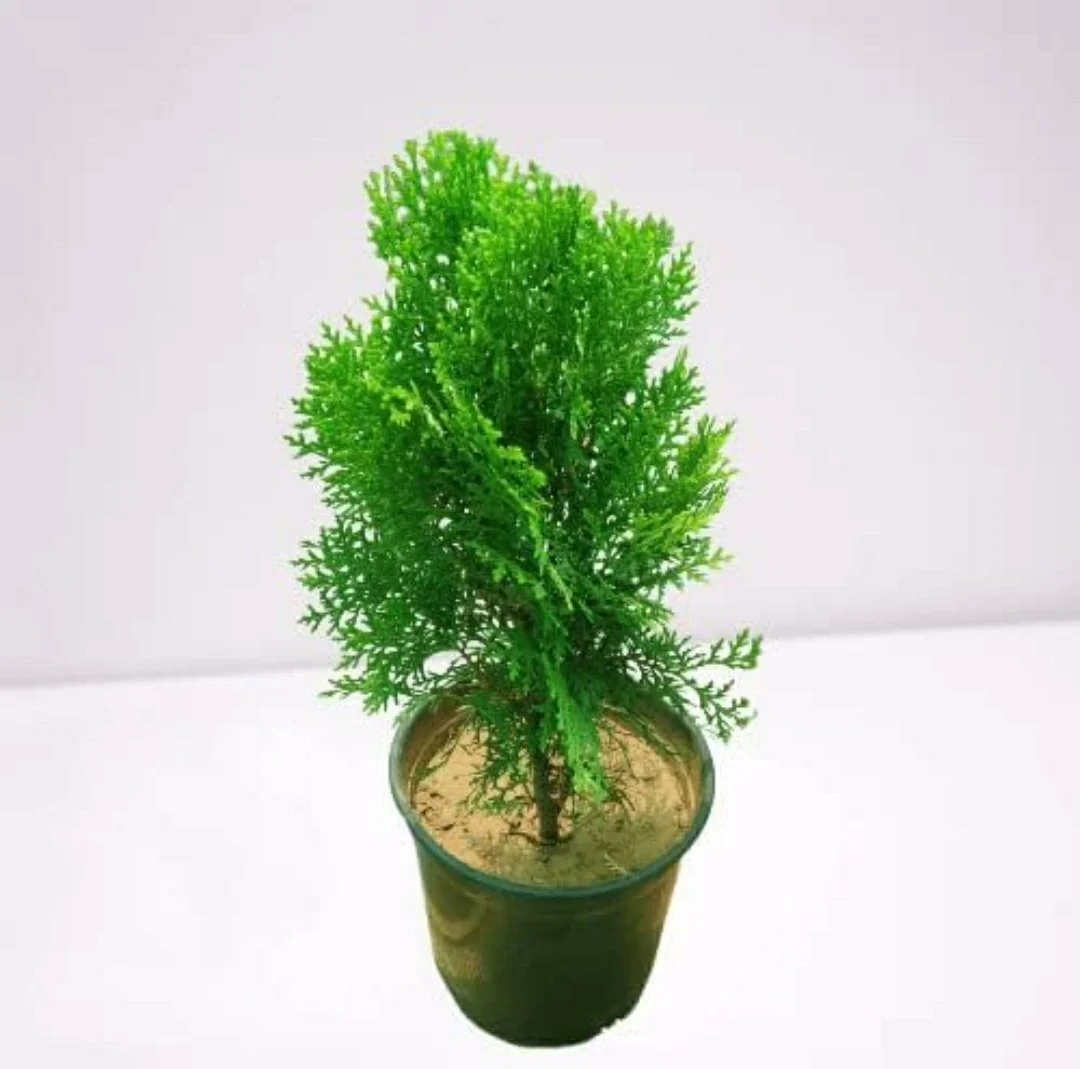
Dreaming of a symmetrical, feather-like evergreen that brings positive energy and structure to your home? The Morpankh (Thuja)—often called the "Vidya Plant" or "Oriental Arborvitae"—is a staple in Indian households. Known for its fan-shaped foliage that resembles a peacock’s tail, it’s a symbol of luck and longevity that fits perfectly in balconies and entrance ways.
This guide covers everything from sunlight and soil to the secret of keeping it green year-round—plus when to call in a professional for that perfect geometric trim.
IN THIS ARTICLE
- Popular Morpankh Varieties in India
- Light Requirements
- Watering Tips
- Humidity & Temperature
- Growing Medium
- Fertilizing Schedule
- Pruning & Shaping
- Propagation Made Simple
- Common Problems & Solutions
- Advanced Tips for Indian Climates
- When to Call a Professional Gardener
- Quick Care Cheat Sheet
- Frequently Asked Questions
Popular Morpankh Varieties in India
- Thuja Orientalis (Standard): The classic tall, conical variety seen in gardens.
- Golden Thuja: A compact version with stunning lime-yellow tips that glow in the sun.
- Nana (Dwarf Morpankh): Perfect for small pots and tabletop displays in urban apartments.
Light Requirements
Morpankh is a sun-lover. For that vibrant, dense green look, it needs 4–6 hours of direct sunlight.
- Outdoor: Thrives in full sun on balconies or terraces.
- Indoor: If kept inside, place it right next to the brightest south or east-facing window.
- Caution: In extreme heat (like May in North India), provide afternoon shade to prevent the delicate "fans" from turning brown.
Watering Tips
Morpankh likes consistent moisture but hates "wet feet."
- Summer: Water daily or every alternate day. The soil should stay moist but not slushy.
- Winter: Reduce watering; check the top 2 inches of soil—if it's dry, it’s time to hydrate.
- Pro Tip: Always water at the base. Avoid splashing water on the foliage during the heat of the day, as this can cause fungal "burns."
Humidity & Temperature
The Morpankh is incredibly hardy and can withstand the Indian temperature range of 10°C to 38°C.
- Dry Heat: During dry summers, mist the plant early in the morning to replicate a humid environment.
- Monsoon: Ensure the pot is not sitting in a plate of water, as root rot happens quickly during heavy rains.
Growing Medium
Morpankh plant ke liye halki si acidic aur well-draining soil best hoti hai. Iske liye ek ideal potting mix bana sakte hain jisme 50% garden soil, 30% organic compost (jaise vermicompost), aur 20% sand ya perlite drainage ke liye ho. Potting karte waqt hamesha aisa gamla use karein jisme kam se kam 2–3 drainage holes ho, taaki paani jama na ho. Agar plant ki roots neeche se bahar nikalne lagen (root-bound ho jaye), to ise early spring me 2 inch bada pot me shift kar dena chahiye.
Fertilizing Schedule
Morpankh plants require very little fertilizer. If needed, you can apply a diluted balanced liquid fertilizer every 4–6 weeks during the growing season (spring to autumn). Avoid fertilizing in winter, as the plant’s growth slows down. Over-fertilizing can lead to leaf burn and may negatively affect the plant’s overall health.
Pruning & Shaping
Unlike Bonsai, Morpankh is pruned for thickness and symmetry.
- Trimming: Lightly snip the outer tips in spring to encourage the plant to grow bushier rather than leggy.
- Dead Wood:Regularly remove any brown or dry interior branches to allow better airflow.
- Shaping: You can prune them into perfect cones, spheres, or even spirals if you're feeling artistic!
Propagation Made Simple
Easiest method:
- Take a 4–6 inch semi-hardwood cutting from a healthy branch
- Remove leaves from the lower part of the cutting
- Dip the cut end in rooting hormone (optional but helpful)
- Plant it in well-draining moist soil (avoid water propagation)
- Keep in partial shade and maintain humidity
- Roots usually develop in 3–6 weeks
Common Problems & Solutions
| Problem | Possible Causes | Solution |
|---|---|---|
| Yellow Leaves | Overwatering or Lack of Nitrogen | Reduce water; add nitrogen-rich fertilizer or compost. |
| Browning from Inside | Lack of sunlight or airflow | Move to a sunnier spot; prune dead interior twigs. |
| Spider Mites | Dry, dusty conditions | Wash the plant with a strong jet of water; use Neem oil spray. |
| Drooping Branches | Underwatering | Deep-soak the pot immediately and check soil moisture daily. |
Don’t let pests or root rot win –
Advanced Tips for Indian Climates
- Monsoon: This is the peak growth season. However, high humidity can lead to fungal growth inside the dense foliage. Ensure good airflow and avoid overhead watering to prevent "leaf blight."
- Winter: Growth slows down significantly. Reduce watering and avoid heavy pruning. If you live in North India (Delhi/NCR/Punjab), protect young saplings from extreme frost using a net.
- Vastu & Feng Shui: In Indian tradition, Morpankh is a "Vastu" favorite. Place a pair of Morpankh plants at your main entrance to invite prosperity and keep away negative energy. Ideally, place them in the East or North direction for growth and harmony.
- Air Purification: Like most evergreens, it’s a hardworking air purifier, filtering dust and common urban toxins, making it a "breath of fresh air" for polluted cities.
Have questions?
When to Call a Professional Gardener
If your Morpankh shows persistent browning, sparse growth at the bottom, or if you want to achieve professional "topiary" shapes (like perfect cones or spirals), our verified gardeners can help. We provide specialized root-feeding treatments and structural pruning to ensure your "Tree of Life" stays lush and vibrant.
Ready to bring home your own Morpankh. for easy ordering + gardener booking or .
Quick Care Cheat Sheet
| Aspect | Recommendation (India Homes) |
|---|---|
| Light | 4–6 hours direct sunlight; thrives in bright spots |
| Water | Keep soil consistently moist; avoid waterlogging |
| Humidity | Prefers moderate humidity; mist during dry summers |
| Temperature | 10–35°C; protect from extreme frost and scorching heat |
| Growing Medium | Loamy, well-draining soil (Mix of compost and sand) |
| Fertilizer | Organic compost or balanced NPK every 45 days (Spring-Autumn) |
| Toxicity | Low toxicity, generally safe but keep away from curious pets |
Frequently Asked Questions
Q1. Is Morpankh good for indoors in India?
Q2. How often should I water Morpankh in Gurgaon or Delhi-NCR?
Q3. Why are my Morpankh leaves turning brown or yellow?
Q4. Can Morpankh survive in low light?
Q5. Is it toxic to pets or children?
Q6. How do I make my Morpankh grow faster and bushier?
Q7. Can I keep my Morpankh on a balcony?
Q8. How do I save a dying Morpankh?
Q9. How to grow Morpankhi plants at home?
Q10. Which is the luckiest plant for home?
Q11. Where should I keep a Morpankhi plant?
Author Bio
Written by the Blooming Den Gardening Team – Verified plant experts helping urban India go green since 2025. We deliver plants, supplies, and professional care to your doorstep.