
Orchid Care Guide 2026: How to Grow Thriving Orchids Indoors in India
ELEGANT, EXOTIC, AND SURPRISINGLY MANAGEABLE – ORCHIDS BRING LUXURY AND CALM TO MODERN INDIAN HOMES WHILE FITTING BEAUTIFULLY INTO VASTU-FRIENDLY DÉCOR.
Posted: April 7, 2026 | Plant Care
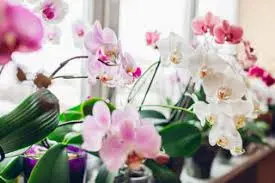
Orchids, especially popular varieties like Phalaenopsis Orchid (Moth Orchid), are among the most loved indoor flowering plants in India. Known for their long-lasting blooms and sculptural beauty, they are perfect for living rooms, bedrooms, and office spaces.
They symbolize love, beauty, and strength — and when cared for properly, can bloom multiple times a year.
This guide covers everything from light and watering to propagation and troubleshooting — plus when it’s smart to call in a verified gardener for expert help.
IN THIS ARTICLE
- Popular Orchids Plants in India
- Light Requirements
- Watering Tips
- Humidity & Temperature
- Growing Medium
- Fertilizing Schedule
- Propagation Made Simple
- Pruning & Maintenance
- Common Problems & Solutions
- Advanced Tips for Indian Climates
- When to Call a Professional Gardener
- Quick Care Cheat Sheet
- Frequently Asked Questions
Popular Orchid Plants in India
- Phalaenopsis (Moth Orchid): Best for beginners; long-lasting flowers
- Dendrobium Orchids: Hardy and suited for Indian climates
- Cattleya Orchids: Fragrant, bold blooms
- Oncidium (Dancing Lady): Multiple small flowers on one spike
- Mini Orchids: Compact and ideal for desks
Light Requirements
Orchids thrive in bright indirect light.
- Best placement: East or north-facing window with sheer curtain
- Leaves should be light green (dark green = too little light, yellowish = too much)
- Avoid harsh direct sunlight, especially in Indian summers
- Oncidium (Dancing Lady): Multiple small flowers on one spike
- Mini Orchids: Compact and ideal for desks
Watering Tips
How Often?
- Water once every 5–10 days, depending on season and humidity
- Always let the growing medium dry slightly between watering
Best Method:
- Water thoroughly until it drains out
- Never let roots sit in stagnant water
Water Quality:
- Use filtered, RO, or rainwater
- Avoid hard tap water (can damage roots over time)
Humidity & Temperature
Orchids thrive best in environments with an ideal humidity level of 50–70% and a temperature range between 18–30°C. In dry conditions, such as air-conditioned rooms or during winter months, it’s helpful to maintain humidity by lightly misting the plant or placing a tray filled with water and pebbles nearby to create a more suitable microclimate.
Growing Medium
Orchids are epiphytes (they grow on trees in nature), so they need airy media
- Bark chips (pine bark)
- Coco chips
- Charcoal mix
- Sphagnum moss (for moisture retention)
Never use normal garden soil — it suffocates roots.
Fertilizing Schedule
Use a balanced orchid fertilizer (20-20-20) and feed your plant every 2–3 weeks during its growth phase. Make sure to dilute the fertilizer to about one-quarter strength to avoid overfeeding. During dormancy or in winter, it’s best to skip feeding altogether, as the plant’s nutrient needs are minimal during this period.
Propagation Made Simple
Easiest method:
Orchids can be propagated through:
- Keikis (baby plants) that grow on flower spikes
- Division (for mature plants with multiple growths)
Steps:
- Wait until keiki has roots (2–3 inches long)
- Cut and plant in orchid medium
- Maintain humidity and indirect light
Pruning & Maintenance
After flowering, you can encourage reblooming in orchids like Phalaenopsis by cutting the flower spike just above a node. It’s also important to regularly remove any yellow leaves and dead roots to keep the plant healthy. Additionally, gently wiping the leaves from time to time helps remove dust and allows the plant to breathe and photosynthesize more effectively.
Common Problems & Solutions
| Problem | Possible Causes | Solution |
|---|---|---|
| Yellow Leaves | Overwatering, poor drainage, aging leaves | Reduce watering, check roots |
| Root Rot | Waterlogging | Repot in fresh dry medium |
| No Flowers | Low light or no temperature variation | Increase indirect light, cooler nights |
| Wrinkled Leaves | Underwatering or root damage | Check roots, adjust watering |
| Bud Drop | Sudden temp change or stress | Keep environment stable |
| Brown Leaf Tips | Low humidity or hard water | Increase humidity, use filtered water |
| Pests (mealybugs, aphids) | Dry conditions | Clean with neem oil or mild soap spray |
Don’t let pests or root rot win –
Advanced Tips for Indian Climates
- Monsoon: High humidity is beneficial for orchids, but ensure good airflow around the plant to prevent fungal infections and root rot. Avoid overwatering during this time and make sure the growing medium drains well.
- Winter: Reduce watering and fertilizer as growth slows down. Keep orchids away from cold drafts or chilly windows, and maintain a stable indoor temperature to avoid stress
- Vastu & Feng Shui Tips: Place orchids in the east direction for health and harmony or southeast for attracting prosperity and positive energy. Avoid placing them in dark corners or bathrooms where conditions are unfavorable.
- Air Purification: Orchids can help improve indoor air quality and add freshness to your space, making them a great choice for urban homes with limited ventilation.
Have questions?
Vastu & Feng Shui Tips
Place orchids in:
- Living room or dining area for positivity
- East direction for health
Avoid:
- Bathrooms
- Dark corners
They symbolize fertility, elegance, and harmony.
When to Call a Professional Gardener
Consider seeking expert help if your orchid’s roots are rotting repeatedly, the plant hasn’t flowered for a long time, you need assistance with repotting or styling, or if there is a severe pest infestation. A professional gardener can quickly revive and rebalance your orchid, restoring its health and encouraging better growth and blooming.
Orchids Plants are the ultimate “set it and forget it” houseplant — tough, stylish, and beneficial for your home’s air quality. With minimal care and the right conditions, they’ll reward you with years of beautiful upright foliage.
Ready to bring home your own Orchids Plants?
Transform your space with Orchids Plants from Blooming Den. for easy ordering + gardener booking or .
Quick Care Cheat Sheet
| Aspect | Recommendation (India Homes) |
|---|---|
| Light | Bright indirect light is ideal; avoid direct harsh sun as it can burn leaves. |
| Water | Water every 5–10 days, allowing the growing medium to dry slightly between watering to prevent root rot. |
| Humidity | Maintain 50–70% humidity; orchids prefer slightly humid environments for healthy growth. |
| Temperature | Keep between 18–30°C; avoid sudden drops and protect from cold drafts. |
| Growing Medium | Use bark or coco chips for good airflow; never use regular soil as it suffocates roots. |
| Fertilizer | Apply diluted liquid fertilizer every 2–3 weeks during the growing phase for better blooms. |
| Toxicity | Generally pet-safe, but it’s still best to keep the plant out of reach of pets and small children. |
Frequently Asked Questions
Q1. Is an orchid a good indoor plant?
Q2. What is special about an orchid plant?
Q3. How do you take care of an orchid?
Q4. Why is my orchid not flowering?
Q5. How often should I water my orchid in India?
Q6. Why are my orchid leaves turning yellow?
Q7. Can orchids survive in low light?
Q8. Are orchids safe for pets and children?
Q9. What is the best potting medium for orchids?
Q10. How do I make my orchid bloom again?
Q11. Why do orchid leaves have brown tips?
Q12. Can I keep orchids on a balcony?
Author Bio
Written by the Blooming Den Gardening Team – Verified plant experts helping urban India go green since 2025. We deliver plants, supplies, and professional care to your doorstep.