
Grow Beautiful Peace Lilies Indoors – Low Maintenance Guide for Busy Gurgaon Homes
GARDENING MADE EASY: PEACE LILIES ARE ELEGANT, FORGIVING HOUSEPLANTS THAT THRIVE ON A BIT OF NEGLECT AND ARE FAMOUS FOR THEIR LUSH GREEN FOLIAGE AND GRACEFUL WHITE FLOWERS.
Posted: April 18, 2026 | Plant Care
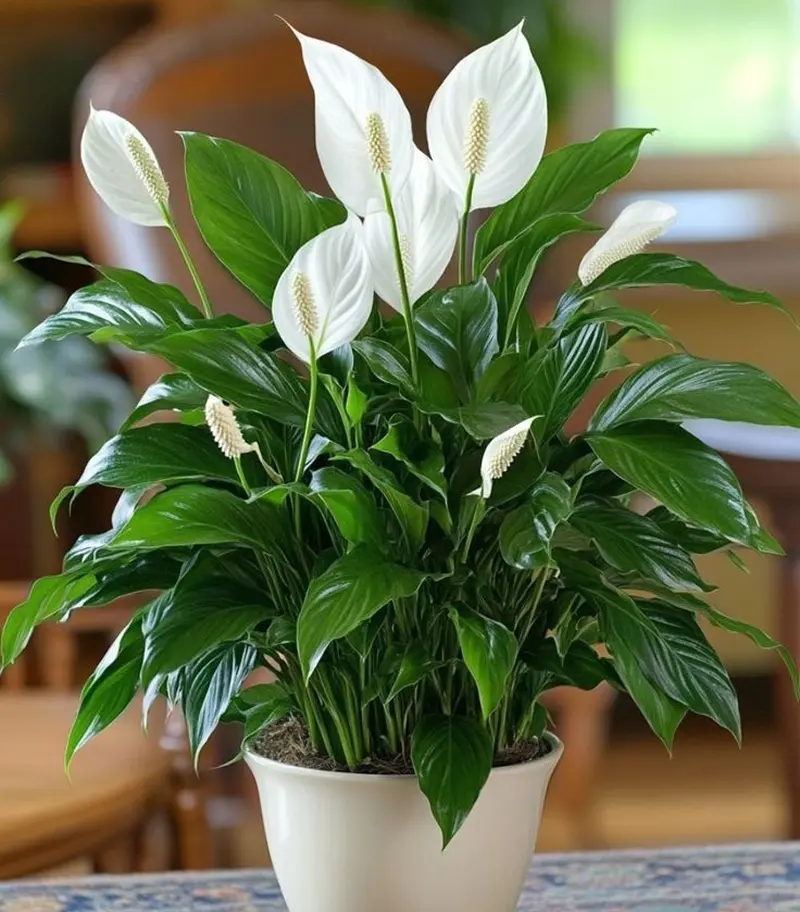
With glossy, dark green leaves and striking white “peace” flowers (actually modified leaves called spathes), Peace Lilies bring a calm, refreshing, and sophisticated look to any space. Known as one of the best air-purifying plants, they are perfect for urban apartments, offices, and busy households in Gurgaon and Delhi-NCR.
Peace Lilies (Spathiphyllum) are excellent indoor plants for Indian homes. They tolerate lower light better than many flowering plants and forgive occasional missed waterings, making them ideal for busy professionals and families.
At Blooming Den, we’ve helped hundreds of Gurgaon homes grow healthy, long-lasting Peace Lilies. This guide covers everything from light and watering to troubleshooting — plus when it’s smart to call a verified gardener for expert help.
IN THIS ARTICLE
Popular Peace Lily Varieties in India
- Classic Peace Lily: The most common variety with large, dark green leaves and elegant white flowers.
- Sensation: Large, impressive plant with broad leaves — great as a floor plant.
- Domino: Attractive variegated leaves with white and green patterns.
- Mauna Loa: Compact growth with abundant white blooms.
- Little Angel/Petite: Smaller, bushier varieties perfect for tabletops and desks.
- Power Leaf: Larger, more robust foliage with frequent flowering.
Light Requirements
Peace Lilies prefer bright indirect light but are surprisingly tolerant of low to medium light conditions — one of their biggest advantages for Gurgaon apartments. They do best near east- or north-facing windows or in well-lit living rooms. Avoid harsh direct afternoon sun, which can scorch the leaves. In very low light, they may produce fewer flowers but will still maintain beautiful foliage.
Watering Tips
Peace Lilies are dramatic when thirsty — they droop noticeably to tell you they need water.
Water thoroughly when the top 1–2 inches of soil feels dry (usually every 7–10 days in summer, every 10–14 days in winter or AC rooms). Never let the plant sit in standing water. Always use pots with drainage holes and empty the saucer after 30 minutes. In Gurgaon’s humid monsoon, reduce watering and ensure good airflow to prevent fungal issues.
Humidity & Temperature
Peace Lilies love higher humidity (50–70%) compared to succulents. They appreciate occasional misting or placement near a humidifier, especially in dry AC rooms or Gurgaon winters.
Ideal temperature: 18–28°C. Protect from cold drafts and temperatures below 15°C. They dislike sudden temperature changes.
Growing Medium
Use a well-draining, peat-based potting mix rich in organic matter (a mix of potting soil + perlite + a little coco peat works well). Peace Lilies prefer slightly moist but not soggy soil. Repot every 1–2 years when the plant becomes root-bound or growth slows.
Fertilizing Schedule
Feed with a balanced liquid fertilizer (diluted to half strength) once a month during spring and summer (growing season). Reduce or stop fertilizing in winter when growth slows. Over-fertilizing can cause brown leaf tips.
Propagation Made Simple
Peace Lilies are easy to propagate by division:
- Gently remove the plant from its pot.
- Separate the clumps (each with roots and leaves) using clean hands or a knife.
- Repot each division in fresh soil and keep in bright indirect light. New plants usually establish quickly. They can also be grown from seeds, but division is much faster and more reliable.
Pruning & Maintenance
- Remove yellow or dead leaves at the base.
- Cut off spent flower stalks (spathes) near the base to encourage new blooms.
- Wipe dusty leaves gently with a damp cloth for better photosynthesis.
- Rotate the pot occasionally for even growth.
Common Problems & Solutions
| Problem | Solution |
|---|---|
| Yellow Leaves | Usually overwatering or poor drainage. Let soil dry slightly between waterings and improve drainage. |
| Brown Leaf Tips | Low humidity, dry air from AC, or over-fertilizing. Increase humidity and flush soil occasionally. |
| Brown Tips/Edges | Underwatering, low humidity, or excessive direct sun. Adjust watering and provide filtered light. |
| Drooping / Wilting | Underwatered — water thoroughly. (Peace Lilies are famous for dramatic drooping when thirsty.) |
| No Flowers | Insufficient light or lack of fertilizer. Move to brighter indirect light and feed monthly in growing season. |
| Brown or Black Spots | Overwatering or fungal issue — improve airflow and reduce watering. |
| Leggy Growth | Too little light — move to a brighter spot. |
| Pests (Mealybugs, Spider mites) | Wipe leaves with neem oil solution or soapy water. |
Don’t let pests or diseases spoil your blooms –
Advanced Tips for Indian Climates
- Monsoon: High humidity helps growth but watch for fungal issues. Ensure excellent drainage.
- Winter: Reduce watering and keep away from cold windows. Plants may slow down in North India.
- Air Purification: Peace Lilies are excellent at removing indoor toxins like benzene, formaldehyde, and ammonia — one of NASA’s top air-purifying plants. They also add a calming, peaceful vibe to busy Gurgaon homes.
- Outdoor Use: Best kept indoors. Can be placed on shaded balconies during mild weather but bring inside during extreme heat or cold.
Have questions?
When to Call a Professional Gardener
If your Peace Lily shows persistent yellowing, brown tips, no new growth, or you need help with repotting, division, or pest treatment, our verified gardeners can visit your Gurgaon home for quick assessment and expert care. One visit can revive even a struggling plant!
Peace Lilies are the perfect “forgiving yet beautiful” indoor plant — elegant, air-purifying, and capable of producing lovely white flowers with minimal effort. With the right care, they’ll bring calm and greenery to your Gurgaon home for years.
Ready to add Peace Lily (or a few) to your space? Transform your balcony or garden with Peace Lily from Blooming Den. for easy ordering + gardener booking or .
Quick Care Cheat Sheet
| Aspect | Recommendation (India Homes) |
|---|---|
| Light | Bright indirect light; tolerates medium to low light |
| Water | Every 7–10 days (when top soil is dry); dramatic droop when thirsty |
| Humidity | Moderate to high (50–70%); mist occasionally |
| Temperature | 18–28°C; protect from cold drafts below 15°C |
| Growing Medium | Well-draining peat-based mix with perlite |
| Fertilizer | Half-strength balanced fertilizer once a month in spring/summer |
| Toxicity | Mildly toxic to pets and children if ingested — keep out of reach |
Frequently Asked Questions
Q1. Is Peace Lily good for indoors in India?
Q2. How often should I water a Peace Lily in Gurgaon?
Q3. Why are my Peace Lily leaves turning yellow?
Q4. Can Peace Lilies survive in low light?
Q5. Is Peace Lily toxic to pets or children?
Q6. How do I propagate Peace Lilies at home?
Q7. What is the best soil for Peace Lilies?
Q8. How do I make my Peace Lily bloom more?
Q9. Can I keep my Peace Lily outdoors on a balcony?
Q10. How do I save an overwatered Peace Lily?
Author Bio
Written by the Blooming Den Gardening Team – Verified plant experts helping urban India go green since 2025. We deliver plants, supplies, and professional care to your doorstep.