
Rose Plant Care Guide 2026: How to Grow Thriving Rose Indoors in India
GARDENING MADE EASY: EVERYTHING YOU NEED TO KNOW TO KEEP YOUR ROSE HAPPY, HEALTHY AND FRAGRANT
Posted: April 29, 2026 | Plant Care
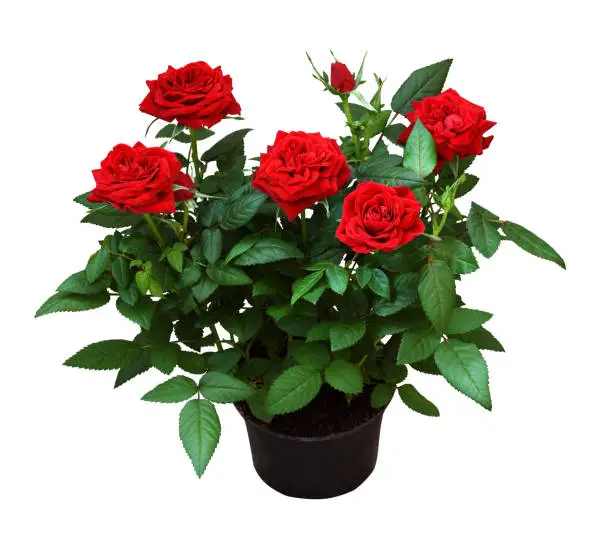
One of the most rewarding (and Instagram-worthy) houseplants, the Rose can produce elegant, fragrant flowers in a wide range of colors – here’s exactly how to make it thrive indoors.
Rose plants, known for their classic beauty, soft petals, and delightful fragrance, are a favorite among urban gardeners in India. Whether you choose compact miniature roses or modern indoor-friendly hybrids, these flowering plants can transform balconies, living rooms, and sunny windows into romantic floral displays.
At Blooming Den, we’ve helped many busy professionals bring these beloved flowers home successfully. This guide covers everything from light and watering to troubleshooting common issues – plus when it’s smart to call in a verified gardener.
IN THIS ARTICLE
- Types of Rose Plants Popular in India
- Light Requirements
- Watering Tips
- Humidity & Temperature
- Soil & Potting
- Fertilizing Schedule
- Propagation Made Simple
- Pruning & Maintenance
- Common Problems & Solutions
- Advanced Tips for Indian Climates
- When to Call a Professional Gardener
- Quick Care Cheat Sheet
- Frequently Asked Questions
Types of Rose Plants Popular in India
- Miniature Roses: Compact size with small, perfectly formed flowers in various colors – ideal for tabletops and small spaces.
- Floribunda & Hybrid Tea Roses (Indoor varieties): Slightly larger blooms with excellent fragrance and repeat flowering – great for bigger pots.
- Other varieties:Patio roses, climbing miniatures for trellises, and fragrant Indian varieties like ‘Gulab’ hybrids suitable for container growing.
Light Requirements
Roses are sun-loving plants and need bright, direct sunlight for strong growth and abundant blooming. Place them near a south- or west-facing window where they can receive at least 5–6 hours of direct sun daily. Bright light promotes healthy foliage and frequent flowers. Insufficient light leads to leggy growth and fewer blooms. In Gurgaon’s harsh summers, provide bright morning sun and protect from intense afternoon heat using sheer curtains if needed.
Watering Tips
Keep the soil evenly moist but never soggy. Water thoroughly when the top 1–2 inches feel dry (check with your finger). In hot summers, water every 3–6 days; reduce frequency in monsoon and winter. Roses dislike sitting in water, so always use pots with drainage holes to prevent root rot.
Humidity & Temperature
Roses prefer moderate humidity (40–60%). In Indian homes:
- Mist leaves occasionally, avoiding the flowers to prevent fungal issues.
- Good airflow is essential.
- Ideal temperature: 18–28°C during the day. Protect from cold drafts and temperatures below 15°C, especially at night.
Soil & Potting
Use a well-draining, nutrient-rich mix: 40% potting soil or coco coir, 30% perlite/pumice/sand, 20% compost, and 10% vermicompost. Our Blooming Den premium potting mix is specially formulated for flowering plants like roses. Repot every 1–2 years in spring when roots fill the pot – choose a pot 1–2 inches larger.
Fertilizing Schedule
Heavy feeders! Apply a balanced or bloom-boosting liquid fertilizer (NPK 10-20-20 or rose-specific, diluted to half strength) every 2–3 weeks from March to September. Reduce or stop in winter when growth slows. Always water thoroughly after fertilizing to avoid root burn.
Propagation Made Simple
Easiest method: Stem cuttings during spring/summer.
- Take 4–6 inch semi-hardwood cuttings with a few nodes.
- Dip in rooting hormone (optional) and plant in well-draining soil.
- Keep in bright indirect light and warm, humid conditions.
- Roots usually develop in 4–8 weeks.
Pruning & Maintenance
Prune regularly to maintain shape and encourage bushier growth and more flowers. Remove dead, damaged, or crossing stems with clean shears. Deadhead spent flowers by cutting just above a leaf node to promote repeat blooming. Wipe leaves gently to remove dust.
Common Problems & Solutions
| Problem | Solution |
|---|---|
| Yellow Leaves | Overwatering/root rot or lack of nutrients. Improve drainage and fertilize appropriately. |
| Brown Tips/Edges | Dry soil or low humidity. Maintain consistent moisture. |
| Pests (Spider mites, mealybugs, aphids) | Common on new growth. Treat with neem oil spray (available in our shop) or wipe with soapy water. |
| Powdery Mildew | Poor airflow or high humidity on leaves – improve ventilation and avoid wetting foliage. |
| No Blooms / Few Flowers | Insufficient direct sunlight or nutrient deficiency. Move to brighter spot and use bloom booster. |
Don’t let pests or root rot win –
Advanced Tips for Indian Climates
- Monsoon: Excellent natural light but watch for fungal diseases due to high humidity. Ensure good airflow and reduce watering.
- Winter: Reduce watering and fertilizer; keep in the brightest sunny spot possible. Plants may slow down.
- Outdoor transition: Roses bloom best on sunny balconies. Move outdoors in mild weather for maximum flowers, but bring indoors before heavy rains or winter chills.
Have questions?
When to Call a Professional Gardener
If your Rose isn’t blooming despite following the guide, or you’re worried about pests, pruning, training, or disease, our verified gardeners can visit your home for setup, maintenance, or rescue sessions. One visit often saves a struggling plant!
With the right care, your Rose can become a fragrant, colorful showstopper in your home for years. Remember – plenty of direct sunlight, consistent moisture, and regular feeding are the magic trio.
Ready to bring classic elegance and fragrance to your space?
Transform your space with a Rose from Blooming Den. for easy ordering + gardener booking or .
Quick Care Cheat Sheet
| Aspect | Recommendation for India Homes |
|---|---|
| Light | Bright direct sunlight (5–6+ hours daily, south/west window) |
| Water | Keep soil evenly moist; top 1–2 inches dry between waterings |
| Humidity | 40–60% – moderate; good airflow is important |
| Temperature | 18–28°C day; avoid below 15°C |
| Soil | Well-draining, nutrient-rich mix (potting soil + perlite/sand + compost) |
| Fertilizer | Bloom-boosting liquid every 2–3 weeks in growing season |
| Toxicity | Mildly toxic to pets/kids if ingested – keep out of reach |
Frequently Asked Questions
Q1. Is Rose plant good for indoors in India?
Q2. How often should I water a Rose plant in Gurgaon or Delhi-NCR?
Q3. Why is my Rose not blooming?
Q4. Can Rose plants survive in low light?
Q5. Is Rose plant toxic to pets or children?
Q6. What is the best soil for Rose plants?
Q7. How do I increase blooming on my Rose plant?
Q8. Why do my Rose leaves have yellowing or black spots?
Q9. Can I keep my Rose plant outdoors on a balcony?
Q10. Do Rose plants need fertilizer, and how often?
Q11. How do I save a struggling or non-blooming Rose plant?
Author Bio
Written by the Blooming Den Gardening Team – Verified plant experts helping urban India go green since 2025. We deliver plants, supplies, and professional care to your doorstep.