
Grow Beautiful Snake Plants Indoors – Low Maintenance Guide for Busy Gurgaon Homes
Gardening Made Easy: Snake plants thrive on neglect and purify your air – here’s exactly how to keep them happy.
Posted: April 7, 2026 | Plant Care
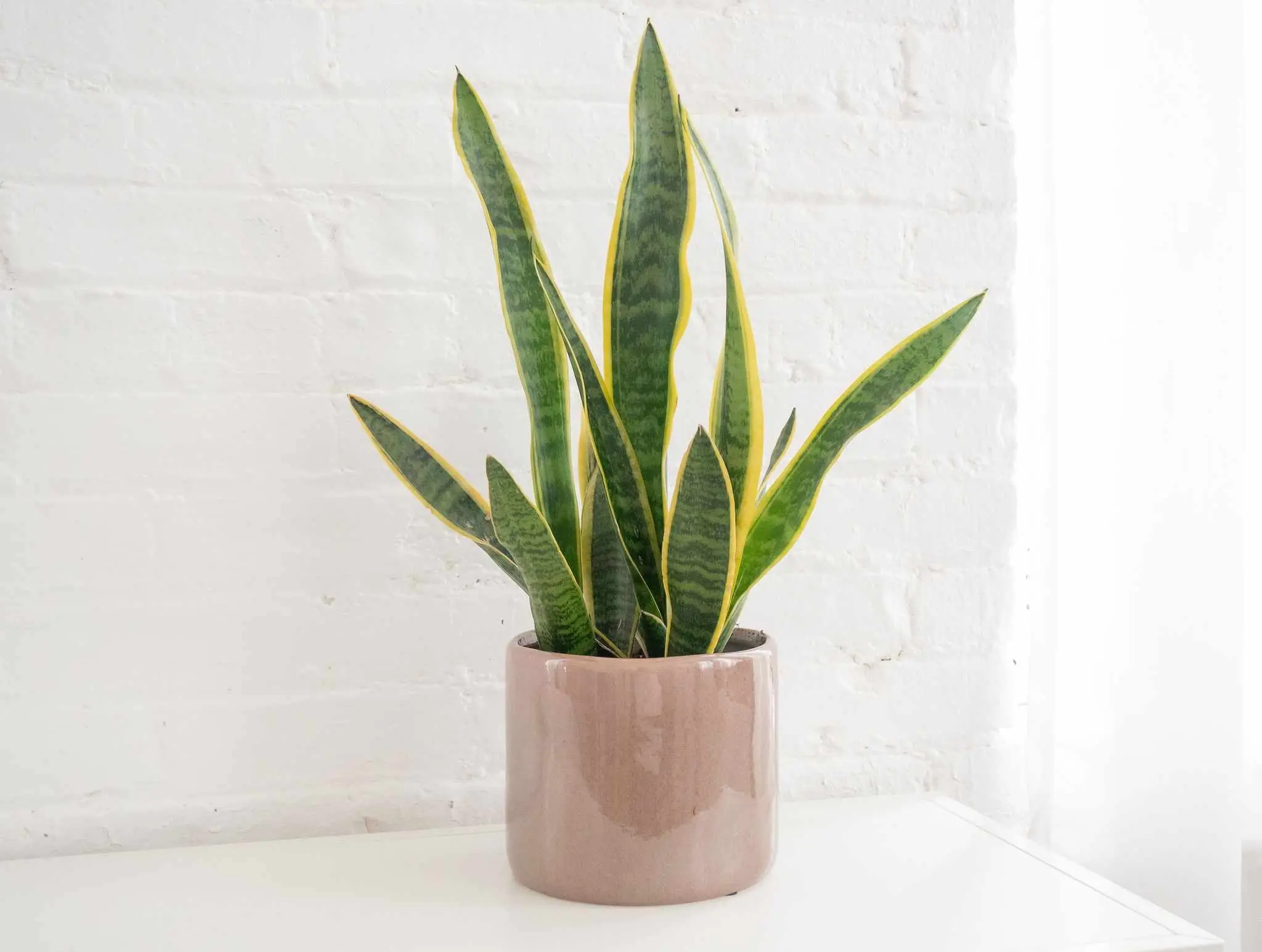
With striking upright leaves and air-purifying powers, Snake Plants bring style and health to your space — even if you forget to water them for weeks.
Snake Plants, also known as Mother-in-Law’s Tongue or Sansevieria, are one of the most popular and resilient indoor plants in India. Their tall, sword-like leaves with beautiful patterns make them a stylish addition to living rooms, bedrooms, offices, and even low-light corners.
At Blooming Den, we’ve helped many busy professionals succeed with these forgiving plants. This guide covers everything from light and watering to troubleshooting — plus when it’s smart to call in a verified gardener for expert help.
IN THIS ARTICLE
- Popular Snake Plant Varieties in India
- Light Requirements
- Watering Tips
- Humidity & Temperature
- Soil & Potting
- Fertilizing Schedule
- Propagation Made Simple
- Pruning & Maintenance
- Common Problems & Solutions
- Advanced Tips for Indian Climates
- When to Call a Professional Gardener
- Quick Care Cheat Sheet
- Frequently Asked Questions
Popular Snake Plant Varieties in India
- Laurentii: Classic variegated leaves with yellow edges — the most popular choice.
- Moonshine: Silvery-gray, broad leaves with a modern matte finish.
- Trifasciata (Common Snake Plant): Dark green with light banding — very hardy.
- Cylindrica (African Spear): Cylindrical, upright leaves for a sculptural look.
- Bird’s Nest / Hahnii: Compact, rosette shape — great for tabletops and small spaces.
- Others: Zeylanica, Futura Superba, Black Gold, and dwarf varieties.
Light Requirements
Snake plants are incredibly versatile. They grow well in low light (ideal for north-facing rooms or offices) but thrive and produce more vibrant colors in bright indirect light. They can even handle a few hours of direct morning sun. In Gurgaon’s intense summers, avoid harsh afternoon direct sunlight to prevent leaf scorch.
Watering Tips
This is where most people go wrong — overwatering is the #1 killer.
Water thoroughly only when the soil is completely dry (every 2–4 weeks in summer, less in winter or AC rooms). Stick your finger 2–3 inches into the soil; if it’s dry, water. Always use pots with drainage holes and empty saucers to prevent root rot. In monsoon season, water even less.
Humidity & Temperature
Snake plants love dry conditions and don’t need misting. Average room humidity (30–50%) is perfect.
Ideal temperature: 16–32°C. Protect from cold drafts, heaters, or temperatures below 10°C in winter.
Soil & Potting
Use a well-draining cactus or succulent mix. Avoid heavy peat-based mixes that hold too much moisture. Repot only when the plant is very root-bound (every 2–3 years) — they actually prefer being slightly snug in their pots.
Fertilizing Schedule
Snake plants are light feeders. Apply a balanced or cactus fertilizer at half strength once in spring and once in mid-summer. Skip fertilizing in winter when growth slows.
Propagation Made Simple
Easiest method:
- Leaf cuttings: Cut a healthy leaf into 5–10 cm pieces, let them callus for a day, then plant upright in moist soil.
- Division: During repotting, separate rhizomes with roots and leaves.
New plants usually root in 4–8 weeks in a warm spot.
Pruning & Maintenance
Remove old, yellow, or damaged leaves at the base with clean shears. Wipe dusty leaves gently with a damp cloth for better photosynthesis. Rotate the pot occasionally for even growth.
Common Problems & Solutions
| Problem | Solution |
|---|---|
| Yellow Leaves | Usually overwatering or root rot. Solution: Let soil dry completely, improve drainage, and repot in fresh succulent mix if needed |
| Brown Tips/Edges | Underwatering, low humidity, or fluoride in tap water. Use filtered or rainwater. |
| Soft, Mushy Leaves | Overwatering/root rot — trim affected parts and repot. |
| Leaves Falling Over | Too much water or weak roots from overpotting. |
| Pests (Spider mites, mealybugs) | Rare but possible in dry air. Wipe with neem oil solution or soapy water. |
| No New Growth | Needs more light or it’s time to fertilize lightly. |
Don’t let pests or root rot win –
Advanced Tips for Indian Climates
- Monsoon: Excellent for growth but ensure good airflow and drainage to avoid fungal issues.
- Winter: Reduce watering significantly; plants may slow down.
- Air Purification: Snake plants are NASA-approved for removing toxins like formaldehyde and benzene — perfect for polluted city homes.
- Outdoor Use: Can go on shaded balconies in mild weather but bring indoors before extreme heat or cold.
Have questions?
When to Call a Professional Gardener
If your Snake Plant shows persistent yellowing, mushy leaves, or you’re unsure about repotting/propagation, our verified gardeners can visit your home for assessment, treatment, or maintenance. One expert visit often revives a struggling plant quickly!
Snake Plants are the ultimate “set it and forget it” houseplant — tough, stylish, and beneficial for your home’s air quality. With minimal care and the right conditions, they’ll reward you with years of beautiful upright foliage.
Ready to add a Snake Plant (or a few) to your space?
Transform your space with Snake Plants from Blooming Den. for easy ordering + gardener booking or .
Quick Care Cheat Sheet
| Aspect | Recommendation (India Homes) |
|---|---|
| Light | Low to bright indirect; tolerates some direct sun |
| Water | Every 2–4 weeks; let soil dry out completely |
| Humidity | Low (30–50%); no misting needed |
| Temperature | 16–32°C; protect from cold drafts below 10°C |
| Soil | Well-draining cactus/succulent mix |
| Fertilizer | Minimal – once or twice a year in growing season |
| Toxicity | Mildly toxic to pets/kids – keep out of reach |
Frequently Asked Questions
Q1. Is Snake Plant good for indoors in India?
Q2. How often should I water a Snake Plant in Gurgaon or Delhi-NCR?
Q3. Why are my Snake Plant leaves turning yellow?
Q4. Can Snake Plants survive in low light?
Q5. Is Snake Plant toxic to pets or children?
Q6. How do I propagate Snake Plants at home?
Q7. What is the best soil for Snake Plants?
Q8. How do I increase growth or make my Snake Plant taller?
Q9. Why do my Snake Plant leaves have brown tips or edges?
Q10. Can I keep my Snake Plant outdoors on a balcony?
Q11. Do Snake Plants need fertilizer, and how often?
Q12. How do I save an overwatered or struggling Snake Plant?
Author Bio
Written by the Blooming Den Gardening Team – Verified plant experts helping urban India go green since 2025. We deliver plants, supplies, and professional care to your doorstep.