
Spider Plant Care Guide 2026: How to Grow Thriving Spider Plants Indoors in India
THE ULTIMATE BEGINNER-FRIENDLY INDOOR PLANT – STYLISH, AIR-PURIFYING, AND INCREDIBLY EASY TO MAINTAIN FOR BUSY HOMES AND OFFICES.
Posted: April 16, 2026 | Plant Care
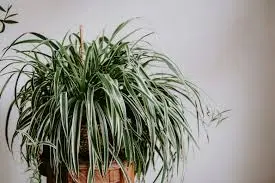
Whether placed in a hanging basket, tabletop pot, or shelf, the Spider Plant adds lush greenery and a fresh vibe to any space – here’s exactly how to keep it thriving effortlessly
Spider Plant, scientifically known as Chlorophytum comosum, is one of the most popular indoor plants in India. Known for its arching green or variegated leaves and baby plantlets (spiderettes), it’s perfect for beginners and thrives in Indian indoor conditions with minimal care. It’s also associated with air purification and positive energy, making it ideal for modern urban homes.
This guide covers everything from light and watering to propagation and troubleshooting — plus when it’s smart to call in a verified gardener for expert help.
IN THIS ARTICLE
- Popular Spider Plant Varieties & Styles in India
- Light Requirements
- Watering Tips
- Humidity & Temperature
- Growing Medium
- Fertilizing Schedule
- Propagation Made Simple
- Pruning & Maintenance
- Common Problems & Solutions
- Advanced Tips for Indian Climates
- When to Call a Professional Gardener
- Quick Care Cheat Sheet
- Frequently Asked Questions
Popular Spider Plant Varieties & Styles in India
- Variegated Spider Plant: Green leaves with white stripes (most common).
- Reverse Variegated: White center with green edges.
- Solid Green Spider Plant: Faster growing, deeper green foliage.
- Curly Spider Plant (Bonnie): Twisted leaves for a decorative look.
- Hanging Basket Style: Best for showcasing cascading baby plants.
Light Requirements
Spider Plants thrive in bright, indirect light and grow best when placed near east- or north-facing windows. While they can tolerate low-light conditions, their growth may slow down. It is important to avoid harsh direct sunlight, as it can scorch the leaves and damage the plant.
In Delhi-NCR summers, keep away from strong afternoon sun.
Watering Tips
Spider Plants are most commonly grown in soil, where they should be watered when the top 1–2 inches feel dry. Keep the soil lightly moist but never soggy, and always ensure proper drainage to prevent root rot. Spider Plants can be sensitive to chemicals found in tap water, so it is best to use filtered, RO, or rainwater whenever possible. During the summer, they may require more frequent watering due to faster evaporation, while in winter, watering should be reduced as the plant’s growth slows down.
Humidity & Temperature
Spider Plants adapt well to normal Indian indoor conditions and prefer moderate humidity levels
- Humidity: 40–60% (adapts well to normal indoor conditions)
- Temperature: 18–30°C (ideal range; protect from extreme cold or heat)
In AC rooms or during dry winters, maintain humidity by misting occasionally or placing the plant near a water tray.
Growing Medium
- Use well-draining potting mix
- Ideal mix: Garden soil + cocopeat + perlite/sand
- Always choose pots with drainage holes
- Repot every 1–2 years (they grow fast!)
Fertilizing Schedule
Feed your Spider Plant lightly with a balanced liquid fertilizer every 4–6 weeks during the growing season, from spring to autumn, to support healthy growth. Avoid fertilizing during winter, as the plant’s growth slows down. Be careful not to over-fertilize, as excess nutrients can lead to brown tips on the leaves.
Propagation Made Simple
One of the easiest plants to propagate
- Method 1: From Spiderettes (Babies): Cut baby plant from mother plant
- Place in water or soil.
- Roots develop in 1–3 weeks.
- Method 2: Root Division: Divide root ball while repotting
Pruning & Maintenance
- Trim brown or yellow leaves from the base
- Remove dried tips for neat appearance
- Clean leaves occasionally to remove dust
- Rotate plant for even growth
Common Problems & Solutions
| Problem | Solution |
|---|---|
| Yellow Leaves | Let soil dry slightly, improve drainage |
| Brown Tips/Edges | Use filtered water, mist occasionally, reduce fertilizer |
| Pale Leaves | Move to indirect light |
| Slow Growth | Move to brighter spot, repot |
| Root Rot | Reduce watering, use well-draining soil |
| Pests (mites, aphids) | Clean leaves, use neem oil spray |
Severe cases?
Advanced Tips for Indian Climates
- Monsoon: High humidity supports lush growth, but ensure good drainage and airflow to prevent root rot. Avoid letting the soil stay soggy for long periods.
- Winter: Growth may slow down. Reduce watering and protect the plant from cold drafts or chilly windows, especially below 10–12°C.
- Summer: Bright light is ideal, but avoid harsh direct sunlight which can scorch leaves. Increase watering slightly as soil dries faster, especially in hot North Indian summers.
- Vastu Tip: Place in the east or north direction for a fresh and calming environment. Ideal for living rooms, study areas, or work desks.
- Air Purification: Spider Plant helps remove indoor pollutants and improves air quality, making it perfect for urban Indian homes.
Have questions?
When to Call a Professional Gardener
If your Spider Plant shows persistent brown tips, yellowing leaves, pest infestations, or you need help with repotting, pruning, or creating beautiful hanging or decorative arrangements, a verified gardener can visit your home for expert care and maintenance. Even a single session can revive, reshape, and refresh your plant beautifully.
Spider Plant is the perfect low-maintenance companion for busy urban homes – lush, adaptable, and effortlessly stylish. With the right light, watering, and occasional care, it will thrive for years while adding freshness and greenery to your space.
Ready to style your home with a thriving Spider Plant? Bring home a vibrant Spider Plant from Blooming Den. for easy ordering + gardener booking or .
Quick Care Cheat Sheet
| Aspect | Recommendation for India Homes |
|---|---|
| Light | Bright indirect light; tolerates low light but grows slower |
| Water | Water when top 1–2 inches are dry; keep soil moist but not soggy |
| Humidity | Moderate (40–60%); mist occasionally in dry winters or AC rooms |
| Temperature | 18–30°C; protect from extreme cold and heat |
| Growing Medium | Well-draining houseplant mix; ensure good drainage |
| Fertilizer | Light feeding every 4–6 weeks during growing season; avoid overfeeding |
| Toxicity | Non-toxic to pets; generally safe for homes |
Frequently Asked Questions
Q1. Is Spider Plant good for indoors in India?
Q2. How often should I water a Spider Plant in Gurgaon or Delhi-NCR?
Q3. Why are my Spider Plant leaves getting brown tips?
Q4. Can Spider Plant survive in low light?
Q5. Is Spider Plant safe for pets or children?
Q6. How do I propagate Spider Plant at home?
Q7. What is the best soil for Spider Plant?
Q8. How do I make my Spider Plant grow faster and healthier?
Q9. Why are my Spider Plant leaves turning yellow?
Q10. Can I keep my Spider Plant outdoors on a balcony?
Q11. Do Spider Plants need fertilizer, and how often?
Q12. How do I revive a struggling Spider Plant?
Author Bio
Written by the Blooming Den Gardening Team – Verified plant experts helping urban India go green since 2025. We deliver plants, supplies, and professional care to your doorstep.