
Master ZZ Plant Care: Drought-Tolerant, Air-Purifying Tips for Urban Indian Spaces
Gardening Made Easy: TOUGH, GLOSSY, AND FORGIVING – BRING HOME A ZZ PLANT THAT FORGIVES YOUR BUSY SCHEDULE
Posted: April 7, 2026 | Plant Care
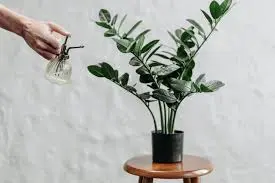
With its dark green, waxy leaves and upright growth, the ZZ Plant brings modern elegance to any space — even if you travel often or work long hours.
ZZ Plants, also known as Zamioculcas zamiifolia or Zanzibar Gem, are among the most resilient and popular indoor plants in India. Their glossy, dark green leaves and upright growth habit make them a stylish addition to living rooms, bedrooms, offices, and even low-light corners.
At Blooming Den, we’ve helped many families successfully grow these forgiving plants. This guide covers everything from light and watering to troubleshooting common issues — plus when it’s smart to call in a verified gardener for expert help.
IN THIS ARTICLE
- Popular ZZ Plant Varieties in India
- Light Requirements
- Watering Tips
- Humidity & Temperature
- Soil & Potting
- Fertilizing Schedule
- Propagation Made Simple
- Pruning & Maintenance
- Common Problems & Solutions
- Advanced Tips for Indian Climates
- When to Call a Professional Gardener
- Quick Care Cheat Sheet
- Frequently Asked Questions
Popular ZZ Plant Varieties in India
- Common ZZ Plant: Classic dark green, glossy leaves – the most hardy and widely available.
- Raven ZZ: Striking near-black foliage for a dramatic, modern look.
- Zamicro: Compact, dwarf variety with smaller leaves – perfect for tabletops and small spaces.
- Lucky Classic / Golden ZZ: Newer variegated or lighter green types gaining popularity.
Light Requirements
ZZ Plants are incredibly versatile and one of the best choices for low-light homes. They grow well in low to medium light (north-facing rooms or offices) but become fuller and faster-growing in bright indirect light. Avoid direct harsh sunlight, especially in Gurgaon’s intense summers, to prevent leaf scorch.
Watering Tips
ZZ Plants are highly drought-tolerant thanks to their thick rhizomes that store water. Water thoroughly only when the soil is completely dry — typically every 2–4 weeks in summer and even less in winter or AC rooms. Overwatering is the #1 killer. Always use pots with drainage holes and empty the saucer after watering.
Humidity & Temperature
These plants love average to low humidity (30–50%) and do not need misting. Ideal temperature range is 18–30°C. Protect them from cold drafts and temperatures below 10°C during winter.
Soil & Potting
Use a well-draining cactus or succulent mix. ZZ Plants prefer being slightly root-bound, so repot only every 2–3 years when roots are very crowded. Blooming Den’s premium potting mix is ideal as it provides excellent drainage and aeration.
Fertilizing Schedule
ZZ Plants are light feeders. Apply a balanced or cactus fertilizer at half strength once in spring and once in mid-summer. Skip fertilizing in winter when growth slows down.
Propagation Made Simple
Easiest method: Division of rhizomes during repotting.
- Gently separate the plant into sections with healthy roots and leaves.
- Plant each section in fresh succulent soil and keep in bright indirect light.
- Leaf cuttings are possible but take much longer (several months). New plants usually establish in 6–12 weeks.
Pruning & Maintenance
Remove yellow or damaged leaves at the base with clean shears. Wipe dusty leaves gently with a damp cloth for better photosynthesis. Rotate the pot occasionally for even growth.
Common Problems & Solutions
| Problem | Solution |
|---|---|
| Yellow Leaves | Usually overwatering or root rot. Let soil dry completely and repot in fresh succulent mix if needed. |
| Brown Tips/Edges | Underwatering or dry air. Water when soil is fully dry. |
| Soft, Mushy Leaves or Stems | Overwatering – trim affected parts and improve drainage. |
| Leaves Falling Over | Weak roots from overwatering or being overpotted. |
| Pests (Mealybugs, spider mites) | Rare but can occur in very dry conditions. Treat with neem oil spray or soapy water. |
| No New Growth | Needs more light or it’s time for light fertilizing. |
Severe cases?
Advanced Tips for Indian Climates
- Monsoon: Good natural humidity but ensure excellent drainage to prevent rot.
- Winter: Reduce watering significantly; plants may slow down or go semi-dormant.
- Air Purification: ZZ Plants are excellent at removing indoor toxins, making them perfect for polluted city apartments.
- Outdoor Use: Can tolerate shaded balconies in mild weather but prefer stable indoor conditions.
Have questions?
When to Call a Professional Gardener
If your ZZ Plant shows persistent yellowing, mushy stems, or you’re unsure about repotting or propagation, our verified gardeners can visit your home for assessment, treatment, or maintenance. One expert visit often revives a struggling plant quickly and confidently.
ZZ Plants are the ultimate low-maintenance houseplant for busy urban lives — tough, stylish, air-purifying, and forgiving. With minimal care and the right conditions, they will thrive for years and bring elegant greenery to your home.
Ready to add a ZZ Plant (or a few) to your space?
Transform your space with ZZ Plants from Blooming Den. for easy ordering + gardener booking or .
Quick Care Cheat Sheet
| Aspect | Recommendation (India Homes) |
|---|---|
| Light | Low to bright indirect; highly tolerant of low light |
| Water | Every 2–4 weeks; let soil dry out completely |
| Humidity | Low (30–50%); no misting needed |
| Temperature | 18–30°C; protect from cold below 10°C |
| Soil | Well-draining cactus/succulent mix |
| Fertilizer | Minimal – once or twice a year in growing season |
| Toxicity | Mildly toxic to pets/kids – keep out of reach |
Frequently Asked Questions
Q1. Is ZZ Plant good for indoors in India?
Q2. How often should I water a ZZ Plant in Gurgaon or Delhi-NCR?
Q3. Why are my ZZ Plant leaves turning yellow?
Q4. Can ZZ Plants survive in low light?
Q5. Is ZZ Plant toxic to pets or children?
Q6. How do I propagate ZZ Plants at home?
Q7. What is the best soil for ZZ Plants?
Q8. How do I increase growth or make my ZZ Plant fuller?
Q9. Why do my ZZ Plant leaves have brown tips or edges?
Q10. Can I keep my ZZ Plant outdoors on a balcony?
Q11. Do ZZ Plants need fertilizer, and how often?
Q12. How do I save an overwatered or struggling ZZ Plant?
Author Bio
Written by the Blooming Den Gardening Team – Verified plant experts helping urban India go green since 2025. We deliver plants, supplies, and professional care to your doorstep.