
Best Soil For Healthy Plants
Posted: March 9, 2026 | Soil in Plants



IN THIS ARTICLE
Can Flowers Grow in Any Soil on Your Balcony?
Have you ever planted pretty flowers on your balcony and asked yourself why they would not bloom? Perhaps it is the secret of the soil. Flowers require proper growing combination in order to remain healthy and to exhibit colorful blooms. Plants that grow in balconies are planted in containers, thus the soil is required to supply nutrients, drainage and sufficient air to the roots.
 Soil Choice Matters for Balcony Flowers
Soil may look the same everywhere. However, not all soil works well for flowers, especially in containers. Balcony gardening is different from ground gardening. Plants in pots depend entirely on the soil you provide. They cannot spread their roots far to find nutrients or water.
The Reason why Balcony Plants require Special Soil
Plants in balconies cannot depend on natural soil in the ground. Pots are likely to get full of garden soil that prevents drainage. Accordingly, roots find it difficult to breathe as well as plants may cease flowering. Rather, the potting mix should be light and well balanced. It assists in water flowing freely but retains sufficient water to the plant.
The Ideal Soil Mix for Blooming Plants
The ideal soil composition to use in a balcony flower has a number of natural components. As an illustration, coco peat will be used to maintain the moisture and make the soil light. Compost contributes to important nutrients that promote good growth. Waterlogging is avoided and drainage is improved with rough sand or perlite.
Nutrients that encourage more blooms
Healthy soil should also be able to offer constant nutrition. The best ones are organic compost and vermicompost since they do not release nutrients very fast. Moreover, little bone meal or flower fertilizer might stimulate the stronger buds. When plants get the proper nutritional value they will give you more flowers, which are brighter and longer.
Simple Tips for Soil Health
The most ideal soil requires maintenance. To start with, loosen the top soil after every few weeks. After that, add compost on a regular basis to restore nutrients. Ensure also the pots are drained with holes to ensure that the surplus water does away.These are only a few suggestions to keep your balcony garden vibrant and fresh throughout the season. You can also manage your plant care schedule and soil nutrition tips with the Blooming Den App.
What Makes Soil Healthy for Plants
- 🍃
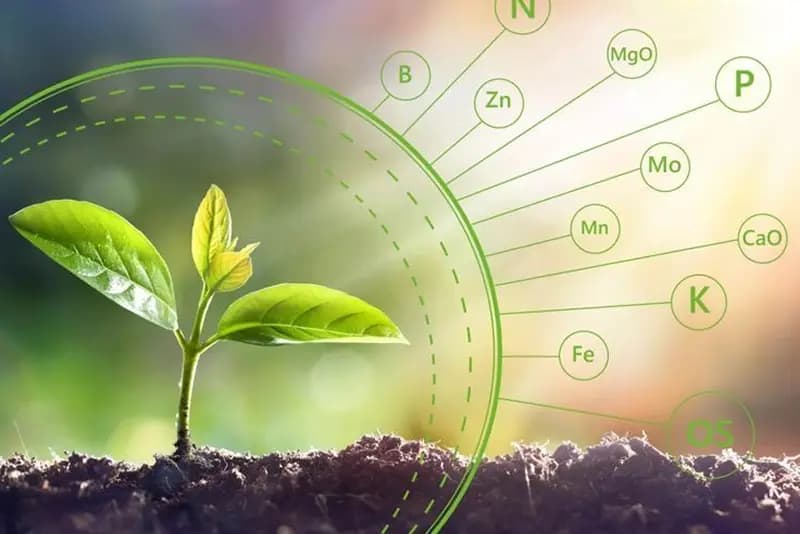
Balanced Nutrients: Healthy soil contains essential nutrients like nitrogen, phosphorus, and potassium that help plants grow strong and develop properly.
- 🍃
Good Drainage: Soil should allow excess water to drain away while still retaining enough moisture for plant roots.
- 🍃
Rich Organic Matter: Decomposed plant material and compost improve soil fertility and provide nutrients for healthy plant growth.
- 🍃
Proper Soil Structure: A balanced mix of sand, silt, and clay helps maintain the right texture for root development.
- 🍃
Adequate Air Spaces: Healthy soil has small air pockets that allow roots to breathe and support beneficial microorganisms.
- 🍃
Healthy Microorganisms: Beneficial bacteria and fungi in the soil help break down organic matter and make nutrients more available to plants.
Common Soil Mistakes to Avoid
Many balcony gardeners unknowingly make small mistakes that affect plant growth. Even good plants may struggle if the soil is not handled properly.
- ❌ Using heavy garden soil in pots which blocks drainage
- ❌ Overwatering that leads to root rot
- ❌ Not refreshing soil for months
- ❌ Ignoring drainage holes in containers
How to Test Your Soil at Home
Before improving your soil, it is important to understand its current condition. You can easily test your soil at home without any special tools.
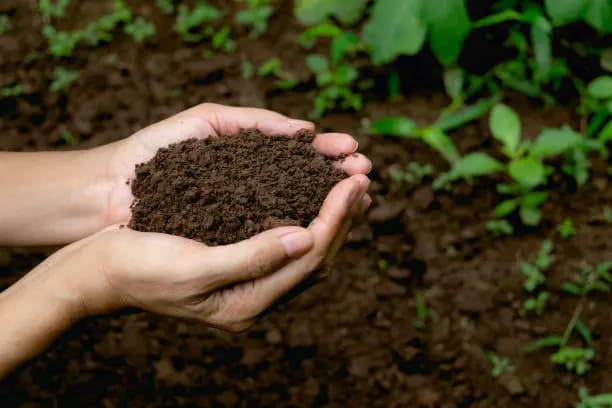
- 🌿 Take a handful of soil and press it lightly
- 🌿 If it feels hard and compact, it needs loosening
- 🌿 If water stays on top, drainage is poor
- 🌿 If it dries too fast, it lacks organic matter
Benefits of Adding Mulch to Soil
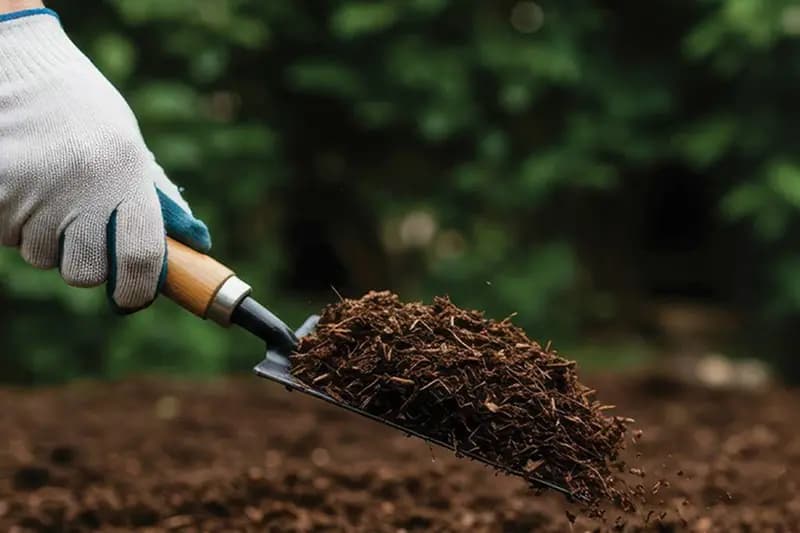
The secret lies in a natural layer covering the ground—mulch. When you bring this simple technique into your home gardening routine, you can transform the health of your plants in a surprisingly effective way. Mulch is not just for outdoor gardens. You can use it for indoor plants too. It helps retain moisture and protects the top layer of soil. Organic mulch like dried leaves or coconut husk works well. It also slowly breaks down and adds nutrients.
Mulch is a layer of material placed on top of the soil. It can be organic, like dried leaves, coconut husk, or wood chips, or inorganic, like stones or gravel. At home, organic mulch works best because it not only protects the soil but also improves it over time. By adding mulch, you create a protective blanket for your plants. This layer helps maintain the right environment for roots to grow strong and healthy.