
Essential Plant Care / Nutrition Guide
Plant Nutrients Guide: Complete Care, Fertilizers & Boosters
Discover the science of feeding your plants. Explore detailed guides on NPK ratios, vermicompost, Epsom salt, seaweed extract, and bone meal to boost lush green leaves, vibrant flowers, and strong roots.
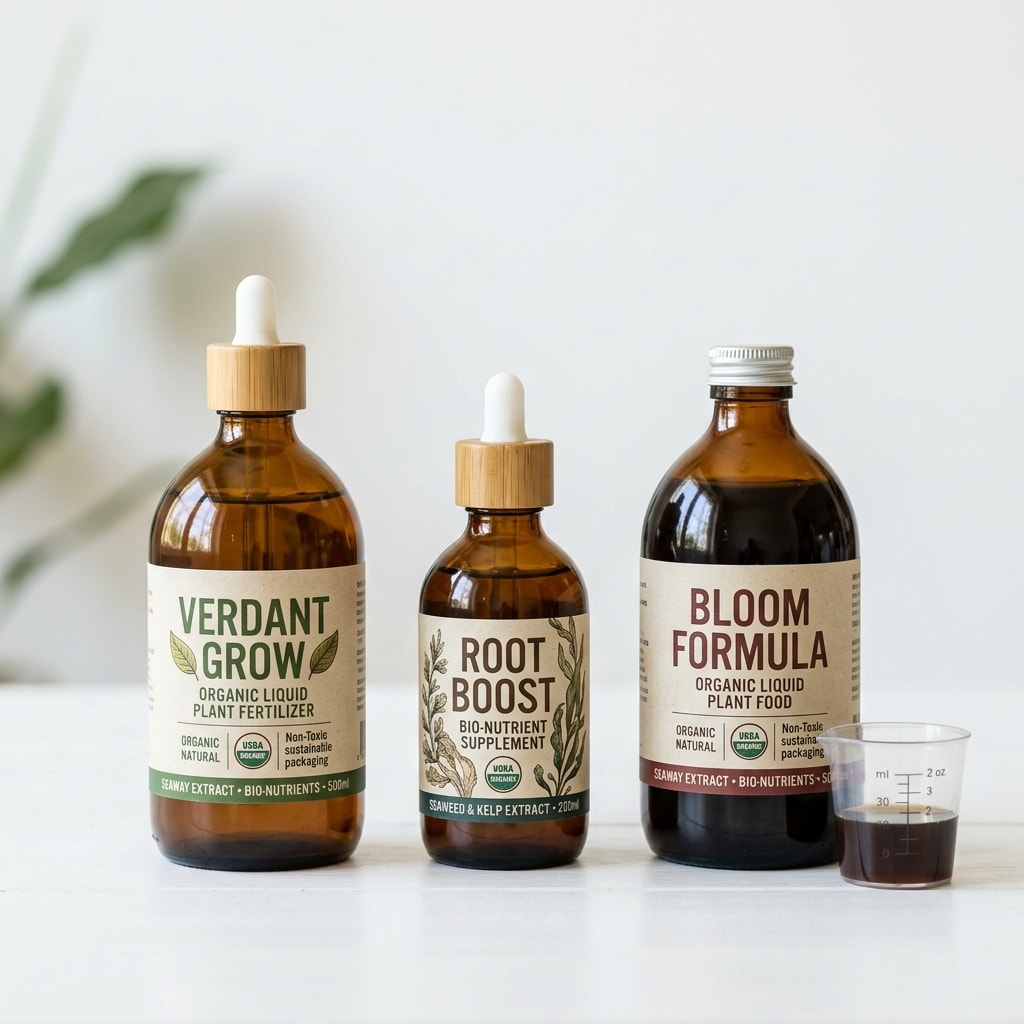
Plant Nutrition Science
Why the Right Nutrients Make All the Difference
Just like humans, plants require a balanced diet of essential primary macronutrients (Nitrogen, Phosphorus, Potassium), secondary minerals (Magnesium, Calcium, Sulfur), and trace micronutrients to thrive. When potted in containers, soil nutrients quickly deplete through plant uptake and drainage water, making regular nourishment vital.
Whether you are reviving yellowing leaves on an indoor houseplant, pushing heavy blooms on flowering plants, or enriching your potting soil mix, selecting the right fertilizer formula ensures healthy growth without chemical burn.
Top Searched Nutrients
The 5 Most Essential Plant Nutrients & Fertilizers
Explore our dedicated in-depth guides for the most researched plant feeds, their scientific benefits, dosage instructions, and application tips.
NPK Fertilizer Guide
The foundational triple element power feed for all plants. Learn how Nitrogen (leafy growth), Phosphorus (root & flower setup), and Potassium (strength & immunity) work in ratios like 19-19-19 and 20-20-20.
Key Role: All-round plant vigor, photosynthesis, root mass, and disease resistance.
Ideal For: All indoor and outdoor potted plants, lawns, vegetables, and ornamentals.
Potash Fertilizer (Potassium Booster)
High-potency potassium plant fertilizer for abundant blooms, sweeter fruits, and drought resistance. Essential for tomatoes, roses, fruit trees, and flowering shrubs.
Key Role: Enzyme activation, photosynthesis efficiency, fruit ripening, and pest resistance.
Ideal For: Roses, Tomatoes, Dragon Fruit, Bougainvillea, Papaya, and flowering pots.
Vermicompost (Worm Castings)
Nature's richest organic amendment produced by earthworms. Packed with beneficial microbes, humic acids, and slow-release minerals that condition soil without any risk of root burn.
Key Role: Soil microbial enrichment, moisture aeration, and non-toxic gentle feeding.
Ideal For: Repotting mixes, indoor foliage, herbs, vegetables, and terrace gardens.
Epsom Salt (Magnesium Sulfate)
The go-to remedy for curing yellowing leaves (interveinal chlorosis) and boosting photosynthesis. Delivers fast-acting Magnesium and Sulfur for lush emerald foliage and vibrant blooms.
Key Role: Chlorophyll production, enzyme synthesis, and flower/fruit set boost.
Ideal For: Roses, Tomatoes, Chillies, Hibiscus, Palms, Snake Plants, and Fiddle Leaf Figs.
Seaweed Extract (Kelp Meal)
Organic liquid gold derived from cold-water kelp. Contains over 60 trace minerals and natural growth hormones (auxins, cytokinins) that stimulate exploding root growth and heat stress immunity.
Key Role: Root branching, stress shock recovery, flower initiation, and nutrient uptake.
Ideal For: Transplanted seedlings, stressed indoor plants, flowering shrubs, and bonsai.
Bone Meal Organic Fertilizer
The premier organic root booster and flower enhancer. Provides slow-release phosphorus (~12-15%) and calcium (~15-20%) to build sturdy root systems and prevent blossom drop.
Key Role: Deep root expansion, heavy blooming, fruit setting, and cell wall strength.
Ideal For: Roses, Hibiscus, Bougainvillea, Jasmine, flowering bulbs, and fruit trees.
Diagnostic helper
What Is Your Plant Missing? (Quick Nutrient Symptom Guide)
Identify common plant deficiency symptoms and find the exact organic or mineral remedy.
Pale / Yellow Older Leaves (Nitrogen Deficiency)
Purple Stems & Stunted Roots (Phosphorus Deficiency)
Brown Scorched Leaf Margins (Potassium Deficiency)
Yellow Leaves with Green Veins (Magnesium Deficiency)
Distorted New Leaves & Bud Drop (Calcium Deficiency)
Slow Growth & Dull Foliage (Trace Mineral Lack)
Seasonal Nutrition
Plant Feeding Schedules: When & How Often to Fertilize
Fertilizing frequency depends on whether your plants are indoors, outdoors, or in flowering phase. Follow these guidelines to maintain steady, vibrant growth.
Low & Slow Nutrition Routine
Frequency: Every 3 to 4 Weeks (Spring & Summer)
Indoor plants receive filtered light and consume nutrients at a slower pace. Avoid heavy chemical doses which cause fertilizer burn.
- ✓Feed half-strength liquid Seaweed Extract or diluted 19-19-19 NPK once a month.
- ✓Top-dress pots with 2 tablespoons of Vermicompost every 60 days.
- ✓Rest feeding during peak winter dormant months.
Heavy Bloom & Foliage Routine
Frequency: Every 14 to 21 Days (Active Growth)
Flowering plants like Roses, Hibiscus, Bougainvillea, and Jasmine have high metabolic demands for Phosphorus and Potassium.
- ✓Apply 2 tablespoons of Bone Meal + Vermicompost every 45 days.
- ✓Spray Epsom Salt solution once a month for vibrant petal color.
- ✓Alternate with water-soluble 10-26-26 or 19-19-19 NPK during bud initiation.
Organic Yield & Root Routine
Frequency: Every 10 to 14 Days
Tomatoes, Chillies, Herbs, and Leafy Greens require steady organic energy for healthy harvest without chemical residues.
- ✓Mix 25-30% Vermicompost into initial potting mix.
- ✓Drench roots with Vermicompost Tea or Seaweed Extract every 2 weeks.
- ✓Foliar spray Epsom Salt at early flowering stage to prevent blossom end rot.
Fertilizer Types
Organic vs Inorganic Fertilizers: Finding the Right Balance
- • Organic fertilizers (Vermicompost, Seaweed, Bone Meal) enrich living soil microbiology, earthworms, and long-term soil structure.
- • Organic nutrients release slowly, virtually eliminating the danger of root fertilizer burn.
- • Water-soluble mineral feeds (NPK crystals, Epsom salt) offer rapid rescue when acute nutrient deficiencies strike.
- • Combining organic soil top-dressing with gentle foliar biostimulant sprays gives plants both sustained root nourishment and immediate foliage vigor.
- • Always moisten potting soil before applying any concentrated fertilizer solution.
From Our Blog
Featured Plant Care & Nutrition Blog Guides
Read our latest blog articles and comprehensive plant care guides for step-by-step feeding, pruning, and seasonal tips.
Plant Care Blog
How to Choose the Right Fertilizer for Your Plants
A complete beginner-to-advanced breakdown on organic vs chemical fertilizers, NPK formulas, and feeding tips.
Read on Blog →Species Care Blog
Rose Plant Care: Feeding, Pruning & Winter Maintenance
Learn how to combine bone meal, Epsom salt, and balanced NPK to get prize-winning rose blossoms in Indian climates.
Read Rose Guide →Indoor Plant Blog
Snake Plant Complete Care & Low-Maintenance Feeding
Master light, watering, and subtle fertilizing routines for thriving indoor sansevieria varieties.
Read Snake Plant Guide →Flowering Blog
Hibiscus Plant Care: Nutrient Boosters for Daily Blooms
Discover the ideal phosphorus and magnesium feeds to eliminate yellow leaves and encourage nonstop hibiscus buds.
Read Hibiscus Guide →Houseplant Blog
ZZ Plant Care Guide: Watering & Fertilizer Secrets
How to keep Zamioculcas zamiifolia glossy and healthy with gentle organic vermicompost top-dressing.
Read ZZ Plant Guide →Vines & Climbers
Bougainvillea Care: High Phosphorus & Sunlight Secrets
Why bone meal and controlled watering force bougainvillea into massive clusters of colorful bracts.
Read Bougainvillea Guide →Frequently Asked Questions
Plant Nutrients & Fertilization FAQs
Everything you need to know about fertilizing houseplants, balcony gardens, and terrace plants.
What are the 3 main nutrients that all plants need?
The three primary macronutrients are Nitrogen (N), Phosphorus (P), and Potassium (K) — collectively known as NPK. Nitrogen fuels vegetative green leaves and stem elongation; Phosphorus powers root establishment and flower/fruit formation; Potassium enhances disease resistance, water balance, and overall cellular durability.
How do I know if my plant needs fertilizer?
Signs your plant needs food include slow or stunted growth during warm months, pale or yellowing leaves, lack of flowering, smaller new leaves, and soil that hasn't been refreshed for over 6 months. Always rule out overwatering or insufficient sunlight first.
Is organic fertilizer better than chemical fertilizer for potted plants?
For long-term container gardening, organic fertilizers like Vermicompost, Seaweed Extract, and Bone Meal are superior because they feed beneficial soil microbes and improve aeration without salt buildup. Chemical fertilizers provide immediate nutrient availability for rapid recovery, but must be carefully diluted to prevent root burn.
Can I use Epsom salt for all my indoor and outdoor plants?
Yes, Epsom salt (Magnesium Sulfate) is beneficial for most plants showing magnesium deficiency or during active blooming. It is especially loved by Roses, Tomatoes, Chillies, Hibiscus, and palms. Use 1 teaspoon per liter of water as a foliar spray once a month.
How often should I feed my plants during winter?
Most tropical houseplants and outdoor perennials enter a semi-dormant growth phase during winter. Reduce or completely stop heavy fertilizer applications, as plants cannot consume excess nutrients in lower light, leading to toxic salt accumulation in the soil.
Blooming Den Plant Care
Ready to Give Your Plants the Best Nutrition?
Browse premium organic fertilizers on Bloom Store or book a professional gardener for tailored plant feeding and space maintenance.