
Essential Plant Nutrition / Macronutrients
NPK Fertilizer Guide: Ratios, Uses & Complete Care
Master the core foundation of plant nutrition. Learn what Nitrogen (N), Phosphorus (P), and Potassium (K) do, how to choose between 19-19-19 and 20-20-20, and correct application dosages for indoor and flowering plants.
The ABC of Plant Nutrition
Understanding Nitrogen, Phosphorus & Potassium (NPK)
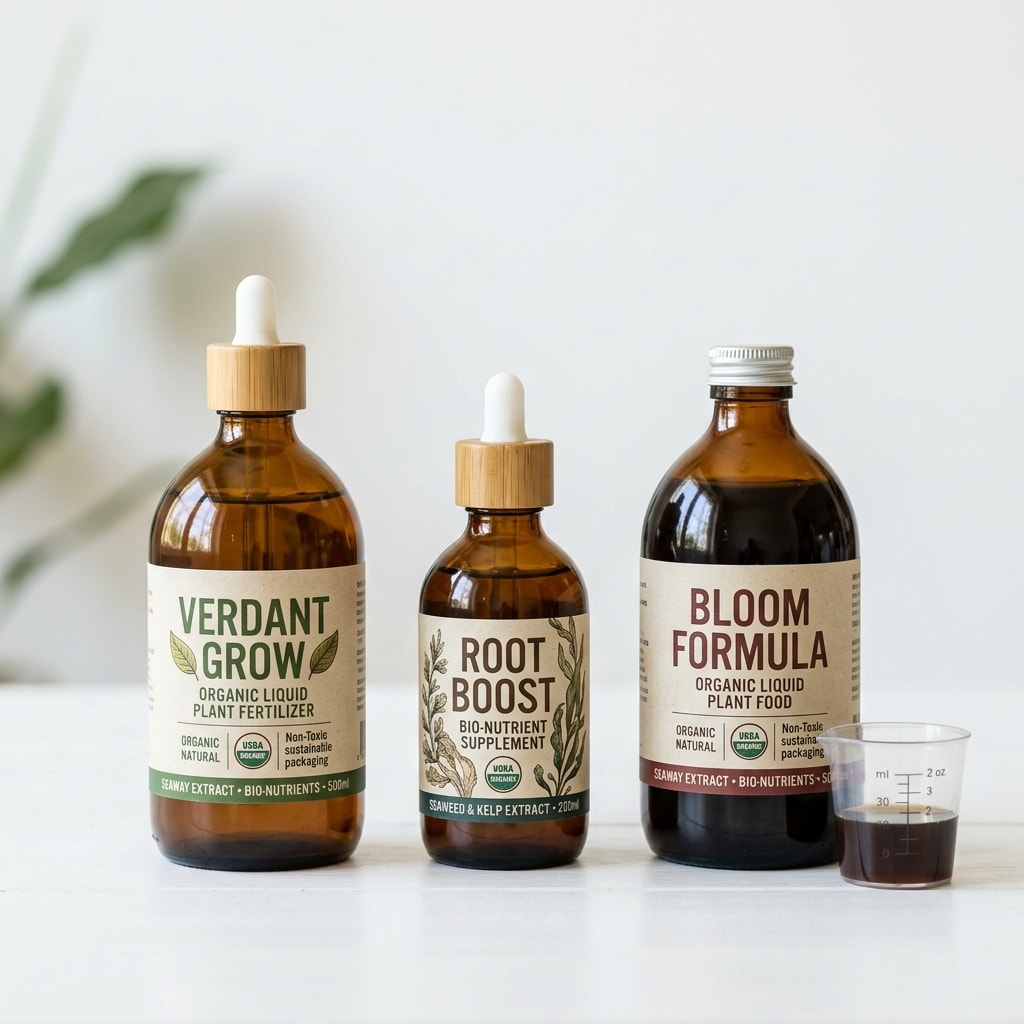
NPK stands for the three primary macronutrients that every green plant requires in large quantities: Nitrogen (N), Phosphorus (P), and Potassium (K). Without these building blocks, plants cannot produce chlorophyll, build root architecture, synthesize proteins, or initiate flowering.
Whether you are caring for indoor foliage plants like Monsteras and Snake Plants, or growing heavy-blooming outdoor roses and hibiscus, understanding how to read and apply NPK formulas gives you complete control over your garden’s health and vitality.
Quick facts
NPK Fertilizer at a Glance
Essential specifications, dilution guidelines, and application rules for mineral and water-soluble NPK plant food.
Composition
Nitrogen (N) + Phosphorus (P) + Potassium (K)
Popular Ratios
19:19:19, 20:20:20, 10:26:26, 12:61:0
Physical Forms
Water-soluble crystals, liquid concentrate, slow-release granules
Standard Dosage
1 to 2 grams (1/2 tsp) per 1 liter of water for foliar / soil drench
Application Frequency
Every 15 to 20 days during active growing seasons
Primary Goal
Complete macro-nutrition for foliage, root system & blooms
The Three Pillars
The Individual Roles of N, P, and K in Plant Growth
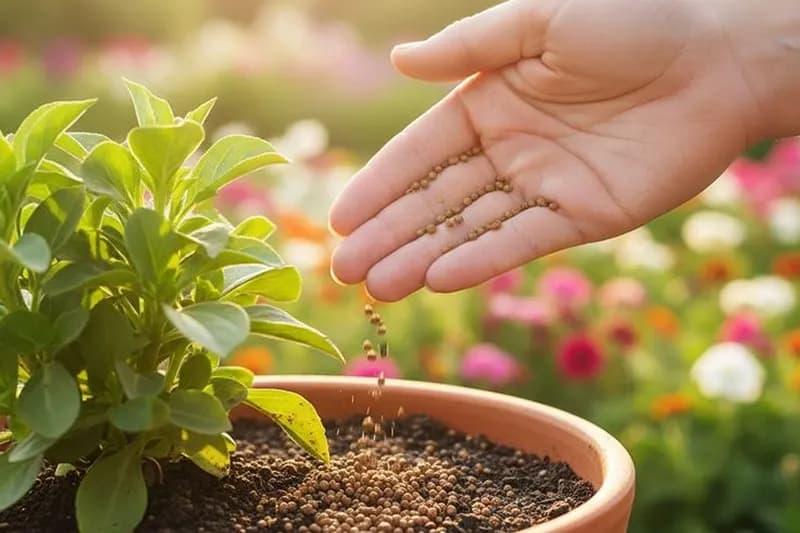
Nitrogen (N) powers lush vegetative foliage. It is the core component of chlorophyll, the pigment responsible for capturing sunlight during photosynthesis. High nitrogen keeps leaves deep green and fuels stem elongation.
Phosphorus (P) is the root and bloom architect. It assists in energy transfer (ATP), stimulates rapid root expansion, encourages flower bud formation, and enhances seed and fruit development.
Potassium (K) is the immunity and quality regulator. It controls stomatal opening for water retention, strengthens plant cell walls against fungal diseases and pest attacks, and aids winter/summer stress resilience.
Formulation Guide
Popular NPK Ratios & Which One to Choose
Different plant growth stages require tailored nutrient ratios. Here is how to select the right formula.
19-19-19 (All-Purpose Balanced Formula)
20-20-20 (High-Vigor Growth Formula)
10-26-26 (Bloom Booster & Flower Enhancer)
12-61-0 (Mono Ammonium Phosphate / Root Starter)
13-0-45 (Potassium Nitrate / Fruit & Immunity Booster)
0-0-50 (Sulfate of Potash / Winter Hardiness)
How to apply
Safe & Effective NPK Application Methods
Follow precise measurement and dilution ratios to ensure maximum nutrient uptake without root salt burn.
Foliar Spray Application (Fastest Absorption)
Soil Drench / Root Zone Watering
Slow-Release Granular Feeding
Fertigation (Drip System Integration)
Nutrient Diagnostics
Diagnosing NPK Deficiencies & Preventing Fertilizer Burn
- • Nitrogen (N) Deficiency: Lower leaves turn pale yellow; stunted slender stems. (Fix: Apply 19-19-19 or high-N feed).
- • Nitrogen (N) Excess: Extremely dark lush green foliage with zero flowers, weak stems, and susceptibility to aphids.
- • Phosphorus (P) Deficiency: Dark green leaves develop purple/bronze veins underneath; poor root mass; no flower buds.
- • Potassium (K) Deficiency: Margins of older leaves turn brown and scorched; leaf tips curl downward; weak stems.
- • Fertilizer Salt Burn: White crust on soil surface, crispy brown leaf tips. (Fix: Flush pot with generous plain water).
Continue Learning
Related Plant Nutrition & Care Guides
Explore complementary plant foods, soil conditioning guides, and watering practices.
Vermicompost Organic Guide
Learn how to combine organic worm castings with mineral NPK for living soil health.
Read guide →Epsom Salt (Magnesium Sulfate)
Discover how Magnesium and Sulfur enhance NPK chlorophyll synthesis.
Read guide →Proper Fertigation Techniques
Master the art of liquid nutrient feeding schedules for balcony and terrace plants.
Read guide →Best Potting Soil Mix Guide
How to prepare nutrient-retaining, well-draining soil mixes for potted plants.
Read guide →From Our Blog
Related Plant Care & Fertilizing Blog Articles
Read expert guides on how to fertilize specific flowering shrubs, vines, and indoor houseplants.
Rose Care Blog
Rose Plant Care: Heavy Flowering & NPK Boosters
Complete guide to feeding your rose plants balanced NPK and high-phosphorus bloom boosters for non-stop buds.
Read Rose Blog →Flowering Shrubs Blog
Hibiscus Care: Overcoming Nutrient Deficiencies
How to use water-soluble NPK and micronutrients to stop bud drop and revive dull yellowing hibiscus foliage.
Read Hibiscus Blog →Indoor Plant Blog
Snake Plant Maintenance & Gentle Foliage Feeding
When and how to feed low-maintenance houseplants without causing root salt accumulation.
Read Snake Plant Blog →Climbing Plants Blog
Bougainvillea Care: Secret Fertilizing Tips for Explosive Blooms
Discover the precise NPK timing to force vibrant bract flushes on balconies and sunny terraces.
Read Bougainvillea Blog →Frequently asked questions
NPK Fertilizer FAQs
Clear answers to common questions about NPK 19-19-19, dosage, foliar feeding, and plant safety.
What does the 19-19-19 on an NPK fertilizer bag mean?
The three numbers represent the percentage by weight of Nitrogen (N), Phosphorus (as P₂O₅), and Potassium (as K₂O). An NPK 19-19-19 contains 19% Nitrogen, 19% Phosphorus, and 19% Potassium, making it an evenly balanced multi-purpose fertilizer for general plant growth.
How do I apply NPK 19-19-19 to potted houseplants?
Take 1 gram (roughly 1/4 to 1/2 teaspoon) of NPK 19-19-19 powder and dissolve it completely in 1 liter of fresh water. Either spray it lightly on the foliage or pour approximately 100-200ml into moist potting soil once every 20-30 days during the growing season (spring to autumn).
Can NPK fertilizer burn my plants?
Yes, applying dry NPK crystals directly onto roots, using excessive concentrations (more than 2g per liter), or applying to bone-dry soil can cause chemical salt burn, visible as crispy brown leaf edges and root damage. Always measure accurately and apply to already moist soil.
Is NPK fertilizer organic or chemical?
Most commercial water-soluble crystalline NPK powders (like 19-19-19) are mineral-based synthetic salts that provide fast nutrient bioavailability. However, organic NPK sources also exist, such as Vermicompost, Bone Meal, Seaweed Extract, Neem Cake, and composted poultry manure.
Which NPK ratio is best for flowering plants like Roses and Hibiscus?
Flowering plants require higher Phosphorus and Potassium levels to produce continuous blooms and strong buds. Ratios such as 10-26-26, 12-61-0 (during bud setup), or alternating balanced 19-19-19 with organic Bone Meal yield the best flowering performance.
Blooming Den Nutrition
Give Your Garden the Perfect Nutrient Balance
Get premium water-soluble NPK 19-19-19 and organic feeds on Bloom Store, or schedule professional garden maintenance.