
100% Organic Soil Nutrition / Bio-Fertilizer
Vermicompost for Plants: Nature's Pure Black Gold
Transform your potting soil with nutrient-rich organic worm castings. Learn how vermicompost stimulates beneficial soil microbes, strengthens root systems, and boosts foliage without chemical burn.
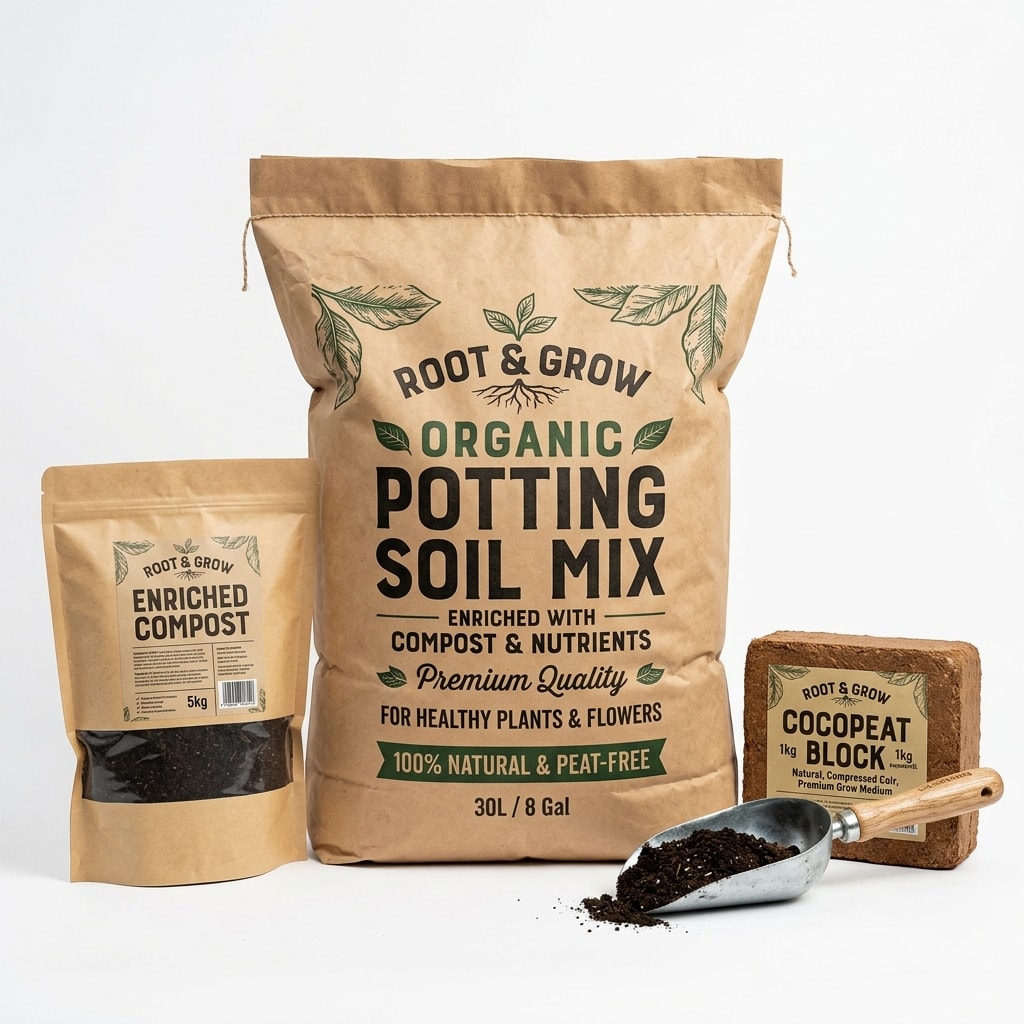
The Magic of Worm Castings
Why Vermicompost is the #1 Organic Plant Food
Vermicompost, often known as worm castings or nature's black gold, is the nutrient-dense organic end-product of earthworm composting (using specialized red wigglers like Eisenia fetida). As earthworms consume organic matter, their digestive systems enrich the castings with beneficial bacteria, humic acids, fungal mycorrhizae, and balanced bio-available minerals.
Unlike harsh chemical fertilizers, vermicompost releases nutrients gently and steadily. It revives depleted potting soil mixes, improves moisture retention, and is completely safe for all indoor houseplants, vegetables, and balcony flowering plants.
Quick facts
Vermicompost at a Glance
Key specifications, nutrient composition, soil dosage, and safety profile of pure vermicompost.
Source
100% Organic Earthworm Castings (Eisenia fetida composting)
Key Nutrients
Organic NPK, Humic Acids, Fulvic Acid, Beneficial Microbes, Enzymes
Texture & Scent
Dark crumbly loam, earthy forest fragrance, odorless
Standard Dosage
2 to 3 handfuls (50g-100g) per 8-12 inch pot every 20-30 days
Potting Mix Ratio
20% to 30% volume in potting soil mixtures
Safety Level
Zero risk of root burn (100% non-toxic, pet and child safe)
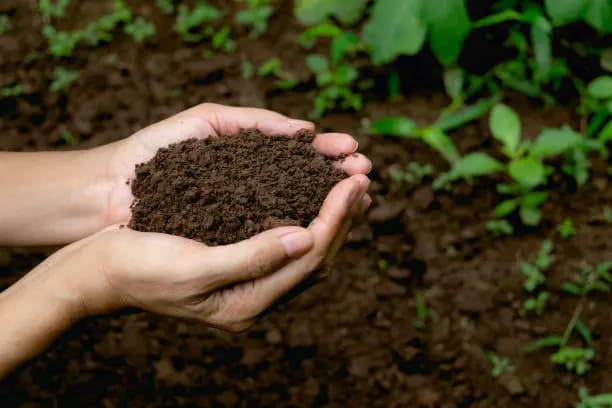
Microbial Powerhouse
How Vermicompost Supercharges Soil Biology
Living microbes are the true engine of soil health. Vermicompost introduces billions of beneficial fungal and bacterial microorganisms that break down locked-up minerals in soil, making them instantly absorbable by plant roots.
Natural humic and fulvic acids present in worm castings bind soil particles into a crumbly sponge-like structure. This prevents soil compaction, ensures excellent aeration for feeder roots, and reduces root rot risks.
Worm castings naturally contain plant growth-promoting hormones (auxins and cytokinins) that stimulate thick, fibrous root branching and faster seedling establishment.
Key Advantages
Top 5 Reasons to Feed Your Plants Vermicompost
- • Rich in living beneficial soil microbes, mycorrhizae, and plant enzymes that revitalize depleted potting soil.
- • Packed with slow-release organic Nitrogen, Phosphorus, Potassium, Calcium, Magnesium, and essential trace minerals.
- • Significantly improves soil moisture retention while increasing porosity and root aeration to prevent waterlogging.
- • Contains natural humic and fulvic acids that chelate minerals, allowing plant roots to absorb nutrients with maximum ease.
- • Completely safe with zero chemical burn risk, making it impossible to over-fertilize tender seedlings or delicate indoor plants.
Application guide
4 Easy Ways to Use Vermicompost in Your Garden
Whether top-dressing existing pots or preparing liquid vermicompost tea, follow these proven gardening techniques.
Top-Dressing Existing Potted Plants
Potting Mix Preparation for New Plants
Liquid Vermicompost Tea (Foliar & Drench)
Seed Sowing & Seedling Nursery Bed
Comparison
Vermicompost vs Raw Cow Dung (Gobar Manure)
Understand the critical differences between worm castings and traditional farmyard manure for potted home plants.
Vermicompost (Earthworm Castings)
Raw / Aged Cow Dung (Gobar Khali)
Plant Compatibility
Which Plants Benefit Most from Vermicompost?
Virtually every plant in your home loves worm castings. Here are the top performers.
Indoor Houseplants
Flowering Shrubs
Terrace Vegetable Garden
Balcony Potted Greens
Continue Learning
Related Plant Care & Nutrition Guides
Explore comprehensive fertilizer guides, soil tips, and maintenance services.
NPK Fertilizer Guide
Learn how to pair organic vermicompost with targeted NPK formulas.
Read guide →Seaweed Extract Bio-Stimulant
Combine worm castings with liquid kelp extract for explosive growth.
Read guide →Best Potting Soil Mix Guide
Step-by-step potting soil recipes for indoor and outdoor container plants.
Read guide →Indoor Plant Care Services
Professional plant repotting, feeding, and garden maintenance services.
Read guide →From Our Blog
Related Plant Care & Organic Gardening Blog Articles
Learn how to care for houseplants and garden favorites with organic vermicompost techniques.
Indoor Plant Blog
ZZ Plant Care: Why Organic Soil Mixes Work Best
How to use vermicompost and well-draining potting soil to keep ZZ plant tubers firm and disease-free.
Read ZZ Plant Blog →Foliage Plants Blog
Money Plant Care: Fast Growth & Soil Nutrition
Discover the best organic feeding routine for lush, large money plant leaves in indoor spaces.
Read Money Plant Blog →Houseplant Guide
Pothos Care: Soil Conditioning & Climbing Support
Simple repotting and vermicompost top-dressing tips to encourage trailing pothos vines.
Read Pothos Blog →Flowering Blog
Marigold Care: Organic Manure & Flower Production
How organic worm castings boost flower bud counts and keep marigolds healthy during festival seasons.
Read Marigold Blog →Frequently asked questions
Vermicompost FAQs
Answers to common questions regarding worm castings dosage, indoor application, and vermicompost tea.
Why is vermicompost called 'Black Gold' for plants?
Vermicompost is termed 'Black Gold' because it is considered the highest quality organic fertilizer in nature. It contains 5 times more available nitrogen, 7 times more phosphorus, 11 times more potassium, and 1.5 times more calcium than ordinary topsoil, all packaged with beneficial living microbes that naturally protect plant roots.
Can vermicompost burn plant roots if I use too much?
No! Unlike chemical fertilizers or raw animal manure, fully digested vermicompost is completely non-caustic and has a neutral pH. It will never scorch, burn, or damage delicate plant roots even if applied generously.
How often should I add vermicompost to my indoor plants?
For indoor houseplants, apply 2 to 3 tablespoons (or 1 small handful) per pot once every 30 to 45 days. During active spring and monsoon growth phases, feeding can be done once every 3 weeks.
Does vermicompost attract fungus gnats or insects indoors?
High quality, mature, dry vermicompost does not attract insects or pests. However, always ensure you mix the vermicompost into the top layer of soil rather than leaving thick wet layers on the surface, and avoid overwatering your pots.
How is vermicompost different from regular compost?
Regular garden compost is produced through microbial heat decomposition, which takes months and can lose volatile nitrogen. Vermicompost is produced by earthworms cold-digesting organic waste, resulting in higher humic acid content, greater microbial diversity, finer crumbly texture, and faster nutrient availability.
Blooming Den Organic Care
Enrich Your Plants with Pure Organic Black Gold
Order pure lab-tested vermicompost on Bloom Store or book our expert gardening team for complete plant repotting and nutrition.