
Natural Marine Bio-Stimulant / Organic Micronutrients
Seaweed Extract for Plants: Liquid Kelp Care Guide
Unleash explosive root growth and extreme stress resilience. Learn how cold-processed seaweed kelp delivers 60+ chelated trace minerals, natural growth hormones, and transplant shock relief for indoor and outdoor plants.

Marine Bio-Nutrition
The Secret of Ocean Kelp for Thriving Plants
Liquid seaweed extract is crafted from wild, cold-water brown kelp species such as Ascophyllum nodosum. Living in turbulent ocean environments, these marine plants naturally concentrate exceptional densities of 60+ trace minerals, vitamins, carbohydrates, amino acids, and essential phytohormones (auxins, cytokinins, and gibberellins).
When applied as a gentle foliar mist or root drench, seaweed extract acts as a high-powered bio-stimulant. It signals plants to initiate dense lateral root branching, enhances photosynthesis, and helps houseplants and garden shrubs bounce back effortlessly from heat stress, repotting shock, or pest attacks.
Quick facts
Seaweed Extract at a Glance
Formulation specs, dilution measurements, application modes, and target plants for liquid kelp.
Origin
Cold-water marine kelp (Ascophyllum nodosum / Sargassum extract)
Active Compounds
60+ Trace minerals, Auxins, Cytokinins, Gibberellins, Alginic Acid
Form
Concentrated dark liquid or soluble kelp powder flakes
Foliar Dilution
2 to 3 ml per 1 liter of fresh water (1:500 dilution)
Soil Drench Dilution
4 to 5 ml per 1 liter of water applied to root zone
Application Frequency
Every 15 to 21 days during active vegetative & flowering cycles

Phytohormone Science
How Auxins & Cytokinins Power Cellular Expansion
Auxins and cytokinins work in harmony inside the plant. Auxins stimulate rapid root initiation and cell elongation, while cytokinins promote active shoot cell division, bushier growth, and delayed leaf senescence (aging).
Natural alginic acids in seaweed bind with micronutrients (Iron, Zinc, Manganese, Copper) in the soil, preventing them from washing away and chelating them into forms that roots can absorb instantly.
Seaweed compounds stimulate the synthesis of plant defense compounds (phytoalexins), boosting natural immunity against fungal root rots, powdery mildew, and insect stress.
Key Advantages
Top 5 Reasons to Use Seaweed Extract on Your Plants
- • Explosive Root Branching: Natural auxins and cytokinins stimulate lateral root hair proliferation, maximizing water and nutrient absorption.
- • Extreme Stress & Shock Resilience: Alginates and betaines protect plants against summer heatwaves, dry indoor air, cold snaps, and repotting transplant shock.
- • 60+ Bio-Available Trace Minerals: Supplies essential micronutrients including Iron, Zinc, Boron, Copper, Manganese, and Molybdenum in chelated form.
- • Enhanced Photosynthesis & Chlorophyll: Boosts chlorophyll retention, delaying leaf aging and giving foliage a vibrant, glossy dark green sheen.
- • Synergistic Nutrient Uptake: Acts as a natural chelating bio-stimulant, making added NPK and vermicompost significantly more effective.
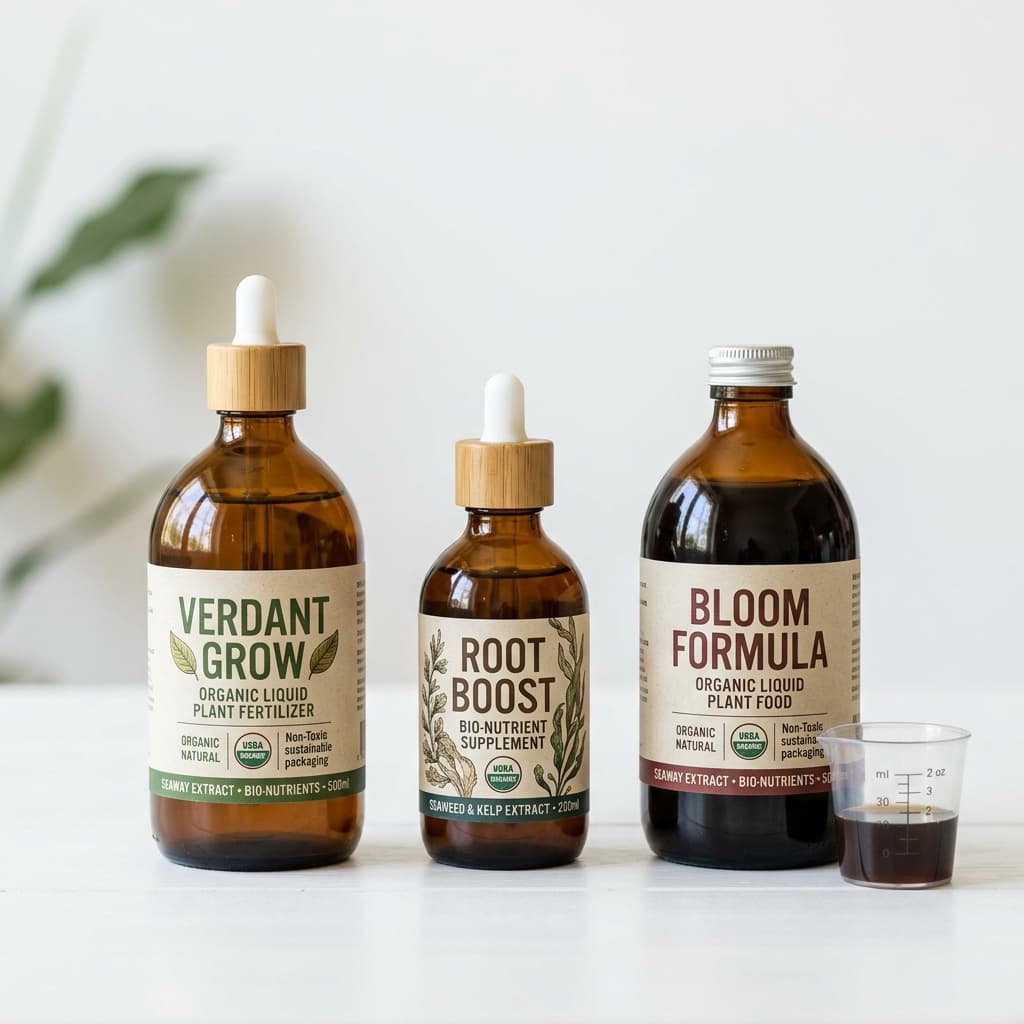
How to Apply
4 Easy Ways to Use Liquid Seaweed Extract
Follow precise dilution guidelines for foliar spraying, root drenching, propagation rooting, and seed priming.
Foliar Mist Spray (Highest Bio-Availability)
Root Drenching & Soil Reconditioning
Cutting Propagation & Rooting Dip
Seed Soaking & Priming
Plant Varieties
Which Plants Benefit Most from Seaweed Extract?
From tropical foliage houseplants to blooming garden shrubs and home vegetables, seaweed elevates all species.
Indoor Houseplants & Tropicals
Flowering & Ornamental Shrubs
Balcony & Terrace Vegetables
Bonsai & Delicate Perennials
Seasonal Routine
Seasonal Seaweed Feeding Guide (Spring to Winter)
How to adjust your seaweed bio-stimulant frequency throughout the changing weather seasons.
- • Spring Awakening (Feb-April): Apply foliar spray every 15 days to break winter dormancy and trigger explosive new shoots.
- • Summer Heat Protection (May-July): Spray every 10-14 days to activate natural heat-shock proteins and reduce wilting under intense sun.
- • Monsoon Root Care (Aug-Sept): Apply root drench to protect against fungal stress and nutrient leaching from continuous rains.
- • Autumn Prep (Oct-Nov): Strengthen cell walls before cooler winter temperatures arrive.
- • Winter Rest (Dec-Jan): Reduce application to once every 30-45 days for indoor plants under warm indoor light.

Continue Learning
Related Plant Nutrition & Care Guides
Explore our guides on NPK ratios, Epsom salt sprays, and sunlight optimization.
Vermicompost Organic Guide
Combine worm castings with liquid kelp for ultimate organic soil vitality.
Read guide →NPK Fertilizer Guide
Learn how seaweed extract enhances mineral NPK absorption efficiency.
Read guide →Sunlight & Location Tips
Optimize light exposure to maximize photosynthesis alongside seaweed feeds.
Read guide →Indoor Plant Maintenance
Comprehensive home and office plant health care routines.
Read guide →From Our Blog
Related Plant Care & Bio-Stimulant Blog Articles
Learn how to boost foliage luster and flower production across various indoor and garden plant species.
Tropical Foliage Blog
Aglaonema Plant Care: Vibrant Leaf Patterns & Micronutrients
How to use gentle seaweed foliar sprays to keep Chinese Evergreens lush without fertilizer burn.
Read Aglaonema Blog →Flowering Begonia Guide
Begonias Plant Care: Leaf Textures & Root Strength
Essential micro-nutrient and moisture routines to protect delicate begonia roots.
Read Begonias Blog →Flowering Blog
Hibiscus Care Guide: Bud Retention with Bio-Stimulants
Using kelp extract to strengthen flowering shrubs against summer heatwaves and dry spells.
Read Hibiscus Blog →Garden Plant Blog
Marigold Plant Care: Dense Budding & Stress Resilience
Accelerating seedling establishment and bloom duration using organic kelp meal solutions.
Read Marigold Blog →Frequently Asked Questions
Seaweed Extract FAQs
Answers to common questions regarding liquid kelp bio-stimulants, indoor use, dilution ratios, and safety.
Is seaweed extract a complete fertilizer or a bio-stimulant?
Seaweed extract is primarily classified as an organic bio-stimulant and micronutrient booster. While it contains minor amounts of N-P-K, its primary value lies in its rich cocktail of 60+ trace minerals, natural growth hormones (auxins, cytokinins), and alginates that stimulate plant metabolism and stress resistance.
Can I mix seaweed extract with NPK or vermicompost?
Yes! Seaweed extract works synergistically with balanced NPK fertilizers and organic vermicompost. Its natural alginic acids act as chelating agents, binding with NPK minerals and making them significantly easier for plant roots and leaves to absorb.
How often should I use liquid seaweed fertilizer?
For general maintenance, apply a foliar spray or soil drench once every 15 to 21 days during the spring, summer, and monsoon growing seasons. For stressed or freshly transplanted plants, spray once weekly for 3 weeks to accelerate recovery.
Does liquid seaweed extract smell bad indoors?
High quality, cold-processed seaweed extract has a mild ocean kelp aroma when concentrated in the bottle, but once diluted with water (2-3 ml per liter) and sprayed, the mild scent dissipates completely within minutes, making it 100% indoor friendly.
Can seaweed extract burn plant leaves or roots?
No. When used within the recommended dilution ratio of 2 to 4 ml per liter of water, organic seaweed extract is non-caustic and will not burn leaves or delicate roots, even in warm weather.
Blooming Den Organic Care
Boost Your Garden’s Natural Growth & Resilience
Order cold-processed organic seaweed extract on Bloom Store or book professional plant maintenance for your home.