
Essential Potassium (K) Nutrition
Potash Fertilizer for Plants: Flower, Fruit & Stress Resistance Booster
Unlock prolific flower blooms, sweeter fruits, and stronger drought resilience with Potash. Discover dosage guidelines, organic bio-potash alternatives, and application methods for potted roses, tomatoes, and fruit plants.
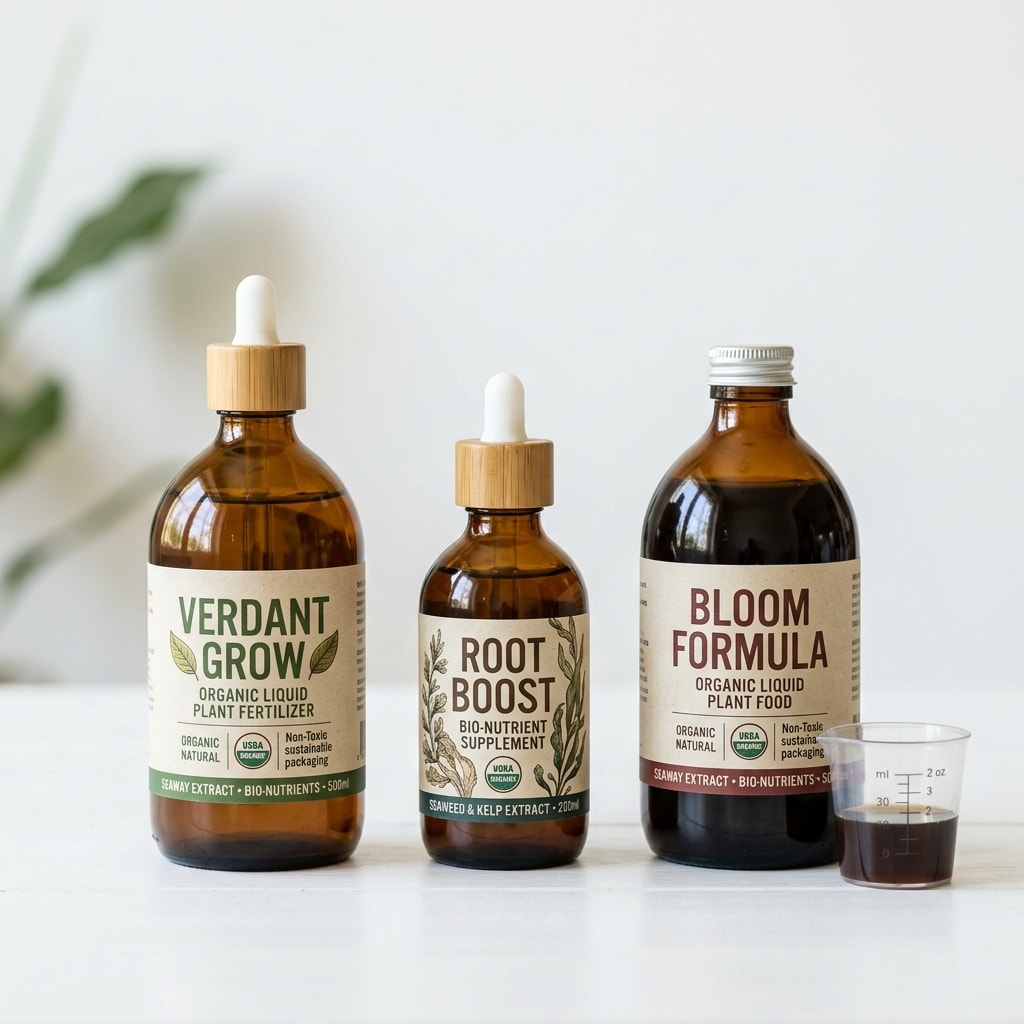
The Potassium Powerhouse
Why Potash is the Secret to Prize-Winning Flowers & Juicy Fruits
In plant biology, Potassium (K) is known as the 'quality regulator'. While nitrogen builds leafy green volume and phosphorus anchors roots, potassium regulates cellular hydration, activates over 60 essential enzymes, and powers the translocation of sugars directly into flowers and fruits.
Without adequate potassium, plants develop weak floppy stems, drop flower buds before they open, and produce pale, small, flavorless fruits. Potted plants in particular deplete soil potassium quickly because soluble minerals wash away with routine watering.
Whether using chloride-free Sulfate of Potash (SOP) or 100% natural organic bio-potash, integrating this fertilizer during active bud initiation transforms balcony gardens into heavy blooming and high-yielding spaces.
Quick facts
Potash Fertilizer Quick Reference Card
Everything you need to know about potassium feeding at a glance.
Primary Nutrient
High Potassium (K2O ~50-60% in MOP/SOP, ~10-14% in Organic Bio-Potash)
Key Function
Flower bud initiation, fruit sizing, sugar transport & drought stress defense
Release Mechanism
Water-soluble instant uptake (SOP/MOP) or slow microbial release (Organic Bio-Potash)
Potted Dosage
1/2 teaspoon (2-3g) SOP/MOP or 1-2 tablespoons (15-20g) organic bio-potash per 10-12 inch pot
Application Interval
Every 20 to 30 days during budding, flowering, and fruit-setting stages
Top Target Plants
Tomatoes, Roses, Dragon Fruit, Passion Fruit, Hibiscus, Papaya, Bougainvillea
Core Advantages
5 Proven Benefits of Potash for Home & Terrace Gardens
Discover how potassium directly improves plant physiology, flower counts, and fruit harvests.
- • Explosive Flower & Fruit Setting: Potassium activates over 60 essential plant enzymes that regulate bud formation, preventing flower drop and early fruit abortion.
- • Drought & Heat Stress Resilience: Regulates stomata opening and transpiration, allowing plants to retain moisture under intense summer heat waves.
- • Enhanced Fruit Sweetness & Size: Promotes the translocation of carbohydrates and natural sugars into developing fruits (tomatoes, passion fruit, melons, and citrus).
- • Disease & Pest Resistance: Thickens plant cell walls, making stems and foliage structurally tougher against fungal pathogens and insect bites.
- • Root Cold Hardiness: Strengthens root energy reserves during seasonal weather shifts and monsoon humidity fluctuations.
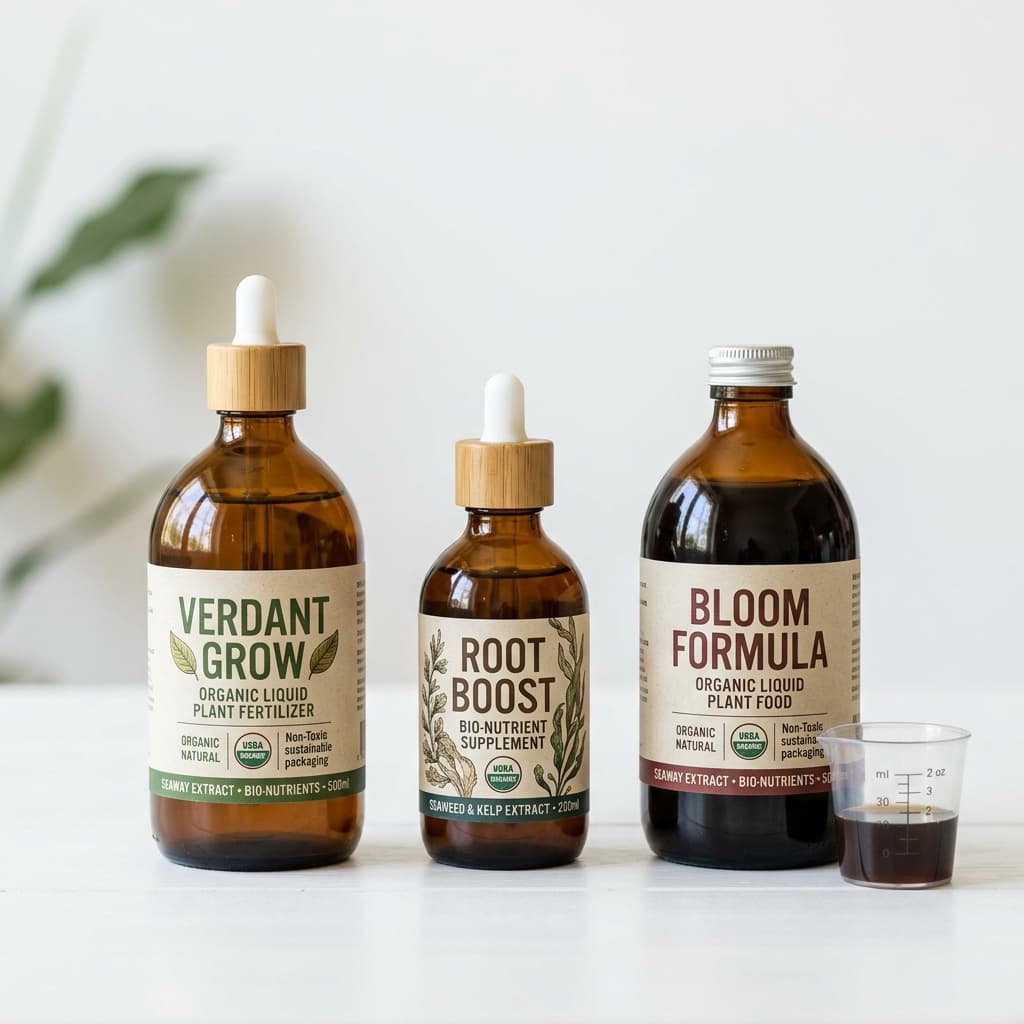
Step-by-Step Dosage
How to Apply Potash Fertilizer to Pots & Garden Beds
Follow these tested application techniques for maximum nutrient absorption without root burn.
Monthly Pot Top-Dressing (Organic Bio-Potash)
Soil FeedFoliar Spray for Quick Flower & Fruit Boost
Foliar FeedVegetable Garden Feeding (Tomatoes & Chillies)
Yield BoosterFruit Tree Canopy Drench (Dragon Fruit & Citrus)
Fruit QualityNutrient Comparison
Potash Fertilizer vs. Balanced NPK: When to Use Which?
Understand when your garden requires targeted potassium versus a balanced 19-19-19 formula.
| Feature | Targeted Potash (K2O) | Balanced NPK (19-19-19) |
|---|---|---|
| Primary Focus | Targeted Potassium (K) solely for flowering, fruiting, and immunity | Balanced Nitrogen (N), Phosphorus (P), and Potassium (K) for all-round vegetative growth |
| Best Stage to Use | Budding, flowering, and fruit development phases (stops excessive leafing) | Early vegetative growth, repotting, and regular general maintenance |
| Foliage Effect | Thickens leaves and stiffens stems without excessive leafy growth | High Nitrogen ratios produce rapid soft green leaves and stem shoots |
| Organic Alternatives | Organic Bio-Potash, Molasses ash, Dried Banana Peel meal, Kelp meal | Vermicompost + Bone Meal + Mustard Cake + Seaweed combo |
High Potassium Feeders
Top Garden Plants That Benefit Most from Potash
Tomatoes & Cherry Tomatoes
High potassium is essential for rich red color, high brix sugar levels, thick fruit walls, and preventing yellow shoulders.
Roses & Bougainvillea
Intensifies flower pigmentation, forces heavy bud clustering, and hardens stems to support heavy multiple blossoms.
Dragon Fruit & Passion Fruit Vines
Boosts flower pollination success and increases fruit weight and sugar content in container-grown climbing vines.
Papaya, Citrus & Fruit Trees
Prevents premature fruit drop and enhances juiciness, peel thickness, and post-harvest shelf life.
Complete Nutrition Library
Explore More Essential Plant Feeds & Soil Boosters
Build a comprehensive organic feeding schedule by combining potash with bio-stimulants and macronutrients.
Macronutrient Guide
NPK Fertilizer 19-19-19 Guide
Learn how balanced macronutrients provide the foundation for leaves, roots, and blooms.
Read guide →Organic Bloom Guide
Bone Meal Organic Phosphorus
Discover the ultimate organic phosphorus feed for deep roots and heavy flowering setup.
Read guide →Natural Booster
Seaweed Extract Bio-Stimulant
Marine micro-nutrients and natural phytohormones to multiply root branching and heat stress immunity.
Read guide →Mineral Feed
Epsom Salt Magnesium Booster
Fast-acting remedy to cure yellowing leaves and power up chlorophyll photosynthesis.
Read guide →Frequently Asked Questions
Everything You Need to Know About Potash Fertilizer
Clear answers on safety, organic alternatives, and ideal application timings.
What does potash fertilizer do for plants?
Potash supplies bioavailable Potassium (K), one of the three primary macronutrients. It regulates plant water balance, activates over 60 critical growth enzymes, promotes heavy flower bud setting, prevents bud drop, and improves the sweetness, size, and shelf-life of fruits and vegetables.
Can I use organic potash instead of chemical potash?
Yes! Organic bio-potash (derived from plant molasses, kelp extract, or composted banana peel meal) is 100% safe, eco-friendly, and enriches soil microbes without causing chemical salt buildup or root burn.
What is the difference between MOP (Muriate of Potash) and SOP (Sulfate of Potash)?
Muriate of Potash (Potassium Chloride, ~60% K2O) contains chloride, which can be harsh on sensitive potted plants. Sulfate of Potash (Potassium Sulfate, ~50% K2O + 17% Sulfur) is chloride-free and delivers beneficial sulfur, making it the safest and best choice for container gardening, roses, and vegetables.
When should I apply potash to my tomato and rose plants?
Apply potash right when the first flower buds appear. Continue feeding every 3 to 4 weeks during the flowering and fruiting cycle to sustain non-stop blooms and healthy fruit swelling.
Can excess potash damage plants?
Excessive chemical potash can interfere with the plant's uptake of Magnesium and Calcium, leading to nutrient lockouts. Always adhere to recommended doses (1/2 tsp chemical SOP per 10-inch pot or 1-2 tbsp organic bio-potash).
Expert Garden Care
Looking for organic fertilizers or professional doorstep gardening?
Get premium garden fertilizers, custom organic feeding schedules, and on-demand gardener visits across Gurgaon and Delhi NCR.