
Organic Slow-Release Fertilizer / Phosphorus & Calcium
Bone Meal Fertilizer: Organic Root & Bloom Booster
Build sturdy root networks and stimulate prolific, long-lasting flowers naturally. Learn how organic bone meal delivers slow-release phosphorus and calcium for roses, hibiscus, flowering bulbs, and fruit trees.
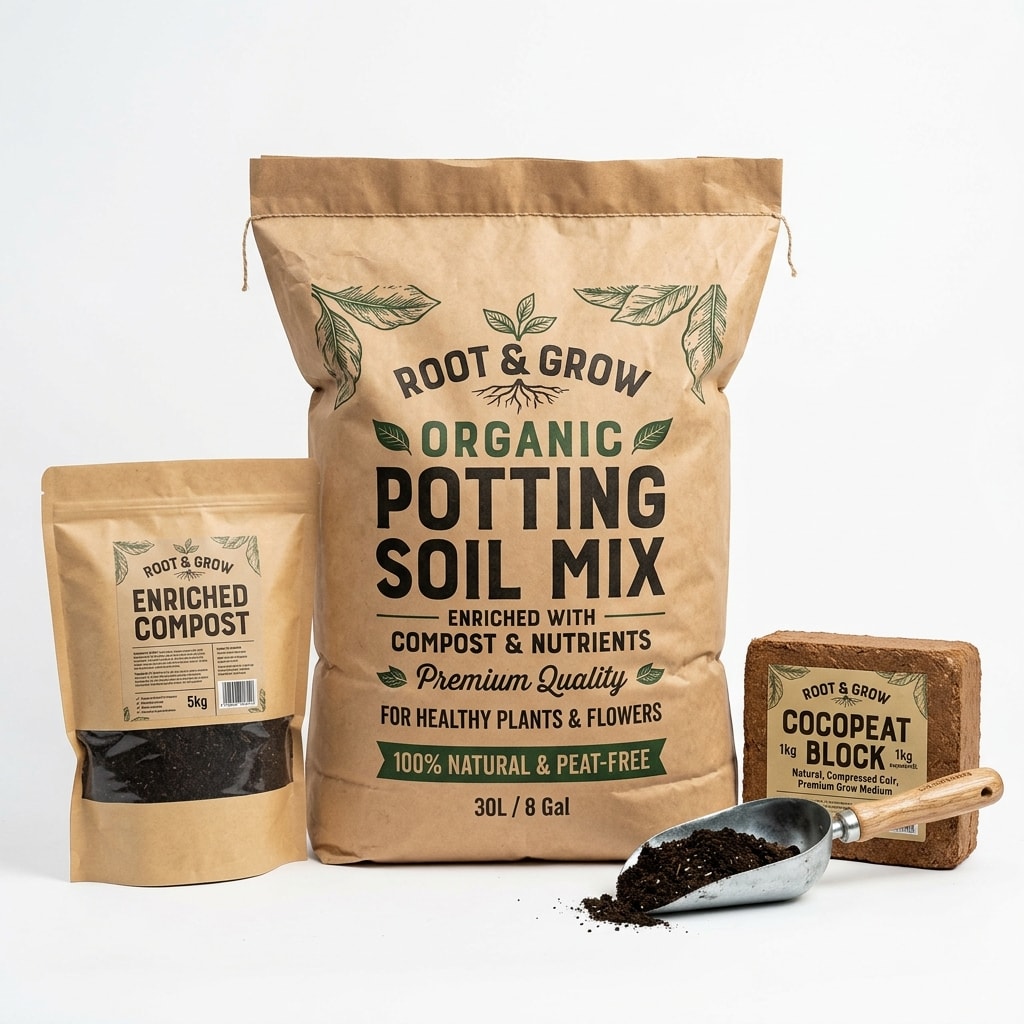
Nature’s Bloom & Root Fuel
Why Bone Meal is Indispensable for Flowering Plants
Bone meal is a finely milled organic powder produced by steaming and grinding animal bones. It serves as one of the most reliable and concentrated natural sources of bioavailable Phosphorus (~12% to 15% P) and structural Calcium (~15% to 20% Ca).
Unlike synthetic chemical fertilizers that can burn tender root tips, bone meal breaks down steadily through soil microbial action over 3 to 4 months. It provides the deep energy required for root anchoring in potting soil and fuels heavy flushes of vibrant blossoms on flowering shrubs like Roses, Hibiscus, Bougainvillea, and Jasmine.
Quick facts
Bone Meal at a Glance
Nutrient analysis, soil pH requirements, pot application dosage, and longevity for organic bone meal.
Nutrient Profile
High Phosphorus (~12-15% P) + Calcium (~15-20% Ca) + Organic Nitrogen (~3-4% N)
Release Mechanism
Slow-release organic breakdown (active for 3 to 4 months in soil)
Soil pH Requirement
Optimal in neutral to slightly acidic soils (pH 6.0 to 7.0)
Potted Plant Dosage
1 to 2 tablespoons (20g-30g) per 8-12 inch pot mixed into topsoil
Application Interval
Once every 45 to 60 days during active growing/flowering seasons
Top Target Plants
Roses, Hibiscus, Bougainvillea, Jasmine, Flowering Bulbs, Fruit Trees
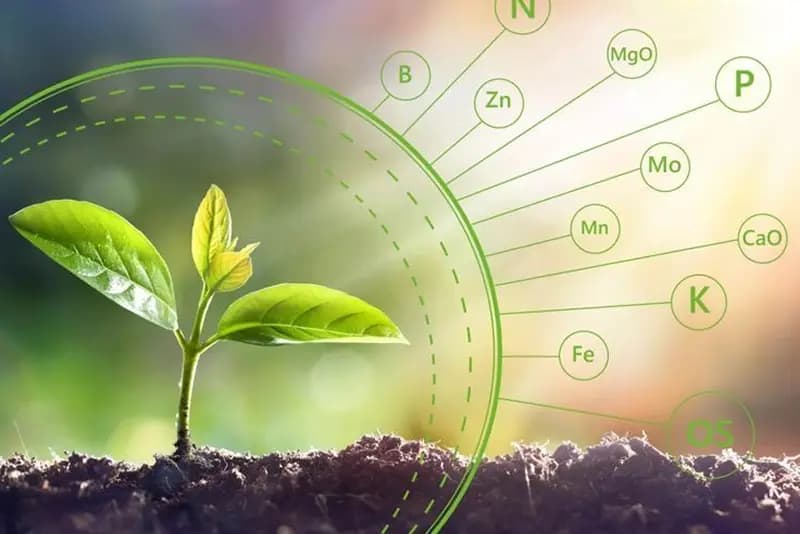
Root & Bloom Science
How Phosphorus & Calcium Transform Plant Strength
Phosphorus is the vital energy currency (ATP) in plant biology. It powers cellular division in root meristems, pushing deep, fibrous root branches that anchor pots and absorb moisture effectively.
During the blooming phase, high phosphorus levels stimulate flower bud differentiation, preventing premature bud yellowing and blossom drop during erratic weather shifts.
The abundant Calcium in bone meal builds rigid pectin bonds within plant cell walls. This strengthens stems under heavy flower weight and prevents blossom-end rot on tomatoes and peppers.
Key Advantages
Top 5 Reasons to Feed Bone Meal to Your Plants
- • Dense & Deep Root Establishment: Bioavailable phosphorus drives deep taproot and fibrous root development, anchoring plants securely.
- • Prolific Flower & Fruit Production: Phosphorus is the key metabolic driver for flower bud initiation, preventing premature bud and blossom drop.
- • High Bioavailable Calcium: Supplies structural calcium that builds rigid plant cell walls, preventing fruit blossom end rot and leaf curling.
- • Gentle Slow-Release Feeding: Gradually broken down by soil microbes over 3 to 4 months without leaching away in drainage water.
- • Zero Nitrogen Scorching: Low organic nitrogen ratio ensures heavy blooming without pushing overly leafy, weak vegetative growth.
Application Guide
4 Ways to Apply Bone Meal to Container & Garden Plants
Follow these step-by-step techniques for top-dressing existing pots, preparing planting holes, and enriching potting mixes.
Potted Flowering Plants Top-Dressing
Planting Hole Enrichment (New Shrubs & Bulbs)
Potting Mix Preparation for Bloomers
Fruit Trees & Garden Beds
Target Plants
Which Plants Benefit Most from Bone Meal?
Flowering shrubs, bulbs, and fruiting species have the highest demand for slow-release phosphorus and calcium.
Roses & Heavy Bloomers
Flowering Bulbs & Tubers
Potted Fruit Trees & Citrus
Root Crops & Fruiting Vegetables
Comparison
Organic Bone Meal vs Chemical Superphosphate (SSP/DAP)
Understand the long-term soil health advantages of organic bone meal over synthetic fast-release chemical phosphorus.
Organic Bone Meal
Chemical Super Phosphate (SSP / DAP)
Continue Learning
Related Plant Nutrition & Care Guides
Explore guides on vermicompost, balanced NPK fertilizing, and pruning for heavy blooms.
Vermicompost Guide
Mix bone meal with organic worm castings for a balanced super-feed.
Read guide →Epsom Salt (Magnesium Booster)
Pair phosphorus with magnesium for vibrant petals and dark green foliage.
Read guide →Pruning Tips for Heavy Blooms
Learn when to prune flowering shrubs before applying bone meal.
Read guide →Balcony Garden Care Services
Professional flowering plant care, repotting, and seasonal fertilization.
Read guide →From Our Blog
Related Flowering & Plant Care Blog Articles
Read our practical gardening blog guides on boosting blooms, pruning shrubs, and container soil preparation.
Rose Care Blog
Rose Plant Care: Heavy Blooming & Organic Bone Meal Feed
Step-by-step rose pruning and soil enrichment routines to stimulate abundant, vibrant blossoms.
Read Rose Blog →Flowering Shrubs Blog
Hibiscus Plant Care: Preventing Flower Bud Drop
Why organic calcium and slow-release phosphorus keep hibiscus bushes loaded with daily flowers.
Read Hibiscus Blog →Balcony Vines Blog
Bougainvillea Care Guide: Soil Nutrition for Intense Color
Using phosphorus-rich organic feeds and controlled watering for dazzling balcony flower cascades.
Read Bougainvillea Blog →Fragrant Flowers Blog
Jasmine Plant Care: Soil Conditioning for Maximum Mogra Buds
Seasonal fertilizer schedules and root zone care for fragrant jasmine and Arabian mogra.
Read Jasmine Blog →Frequently Asked Questions
Bone Meal Fertilizer FAQs
Common questions about bone meal application, pet safety, dosage for roses, and soil pH.
What is bone meal and what does it do for plants?
Bone meal is a finely ground organic powder made from steamed animal bones. It serves as one of the richest natural sources of slow-release Phosphorus (P) and structural Calcium (Ca). It primarily builds powerful root systems, prevents flower bud drop, and drives heavy blooming in flowering and fruiting plants.
How do I apply bone meal to potted plants without pets digging?
Because bone meal has a natural organic scent that can attract curious dogs or cats, always incorporate and mix the powder 1 to 2 inches beneath the soil surface rather than leaving it exposed on top. Cover thoroughly with topsoil or a layer of mulch and water immediately.
Does bone meal work in alkaline soil?
Bone meal breaks down best in neutral to slightly acidic soils (pH 6.0 to 7.0) where soil microbes and natural acids dissolve the phosphorus minerals. In extremely alkaline soils (pH over 7.5), phosphorus uptake can be slower; mixing with vermicompost helps optimize root absorption.
How often should I feed bone meal to my rose plants?
For potted rose plants, apply 1 to 2 tablespoons per pot once every 45 to 60 days during the active blooming season (autumn, winter, and spring in India). Always apply after pruning and light weeding.
Can bone meal burn my plants if I add too much?
Bone meal releases nutrients very slowly through microbial action and has a low nitrogen profile, so it carries virtually zero risk of chemical fertilizer burn. However, stick to recommended dosages to keep soil mineral balance optimal.
Blooming Den Organic Plant Care
Unleash Abundant Blooms & Deep Root Health
Order pure steamed organic bone meal on Bloom Store or schedule garden care services with our expert team.