
Pruning for Strong and Beautiful Plants
Posted: March 9, 2026 | Pruning



IN THIS ARTICLE
Letting Your Plants Grow Wild Without Care?
Have you ever looked at your plants and wondered why they seem messy or weak? Many people think more growth always means healthier plants. However, that is not always true. Pruning plays a key role in keeping your plants strong and beautiful at home.
 Building a Healthy Habit
Pruning should become a regular part of your plant care routine. Check your plants every week and remove unwanted growth when needed. Over time, you will understand what each plant prefers. This habit not only improves plant health but also boosts your confidence
Knowing the Right Time to Prune
Timing makes a big difference. Most houseplants respond well when you prune them during their active growing season. Usually, this happens in spring or early summer. During this time, plants recover quickly. On the other hand, avoid heavy pruning during colder months because growth slows down.
Simple Techniques That Work Well
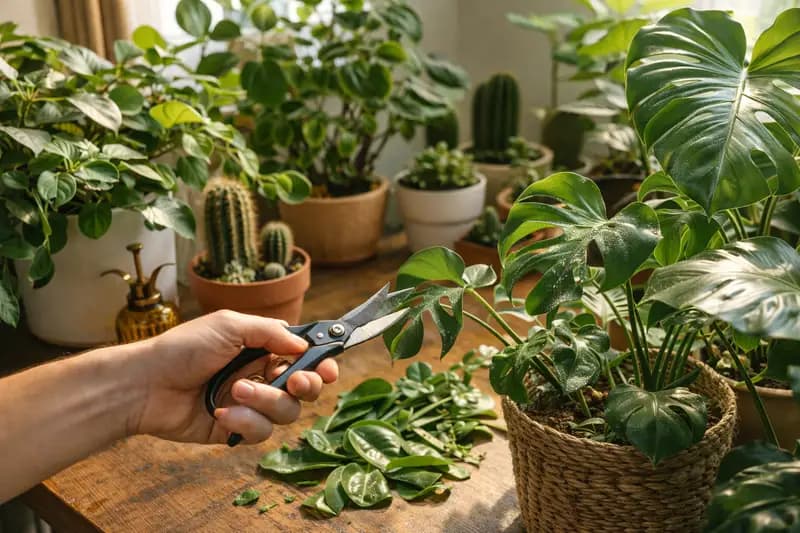
Start with clean and sharp tools. Then, cut just above a leaf node to encourage new growth. Also, remove any yellow or dry leaves first. This step keeps your plant healthy. While pruning, do not rush. Take your time and observe each cut carefully.
Avoiding Common Pruning Mistakes
Many people cut too much at once. This can stress the plant and slow its growth. Instead, prune little by little. Also, avoid cutting healthy stems without reason. By staying careful, you protect your plant from damage and keep it growing steadily. You can track your pruning schedule and set reminders with the Blooming Den App.
Understanding the "Three Ds"
- 🍃
The First D: Clearing Dead Weight: First, you should scan your plant for anything that looks brittle, brown, or completely lifeless. Dead wood serves no purpose other than inviting pests to move in and set up camp. When you remove these ghostly branches, you immediately free up the plant to redirect its precious energy toward vibrant new growth.
- 🍃
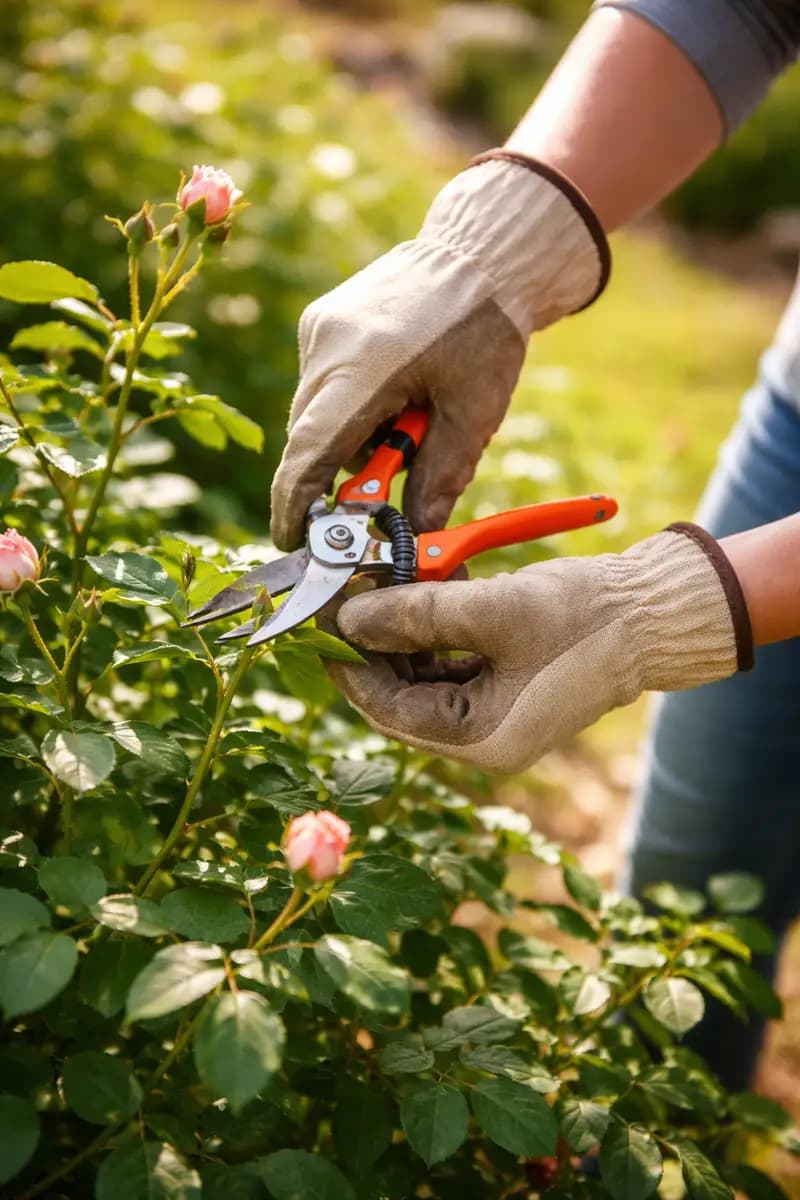
The Second D: Healing Damaged Limbs: Next, keep an eye out for stems that are broken, crushed, or frayed. Wind storms or accidental bumps often leave plants with jagged wounds that struggle to heal on their own. These ragged edges act as an open door for fungi and bacteria. By making a clean, sharp cut just above a healthy bud, you help the plant seal the wound quickly.
- 🍃
The Third D: Eliminating Disease: Finally, you must hunt for signs of sickness like spotted leaves, oozing cankers, or fuzzy mold. If you leave a diseased branch alone, the infection can travel through the vascular system and eventually kill the entire organism. Always cut well back into healthy wood to ensure you removed every trace of the problem.
How Pruning Changes Your Plant’s Energy Flow?
Most people think pruning is just about cutting parts of a plant. But in reality, it changes how energy moves inside the plant. When extra or weak branches are removed, the plant stops wasting nutrients on them. Instead, it sends energy to strong stems and new growth.
Because of this, you may notice faster leaf growth, better color, and stronger stems. Over time, even flowering plants bloom more beautifully. So, pruning is not just maintenance — it is a way to guide your plant’s future growth.
Understanding Energy Flow in Plants
Every plant has a natural system for distributing energy. This energy comes from sunlight and nutrients. It travels through stems and supports growth in leaves, branches, and roots.
However, not all parts of a plant use energy equally. Some areas grow faster, while others may become weak or unnecessary. When energy spreads unevenly, the plant may look unbalanced. That is where pruning plays an important role.
What Happens When You Prune
When you prune a plant, you remove certain parts like old leaves or extra stems. At first glance, it may seem like you are reducing the plant. But in reality, you are helping it focus its energy.
Instead of sending nutrients to every part, the plant redirects its energy to healthier sections. This leads to stronger growth and better structure.
Improving Airflow and Light Distribution
When you prune a plant, you remove certain parts like old leaves or extra stems. At first glance, it may seem like you are reducing the plant. But in reality, you are helping it focus its energy.Dense plants can block light and reduce airflow. When leaves overlap too much, some parts may not receive enough light. This affects energy production.
Pruning opens up the plant structure. It allows light to reach deeper areas. Better airflow also supports overall health and reduces the risk of issues.