
Best Pruners: A Complete Guide for Home Gardeners
Pruning is an important part of keeping plants healthy, attractive, and well-shaped. Whether you grow flowering plants, herbs, shrubs, indoor plants, or fruit plants, the right pruner can make trimming and removing unwanted growth much easier.
Pruners come in different designs and sizes, and choosing the right one depends on the type of plants you maintain and the thickness of the stems you need to cut. In this guide, we will explain the different types of garden pruners and how to choose the best one for your home garden.
Why Are Pruners Important for Gardening?
Plants naturally produce new growth, old leaves, damaged branches, and sometimes unwanted stems. Regularly removing unsuitable growth can help maintain the shape and appearance of many garden plants.
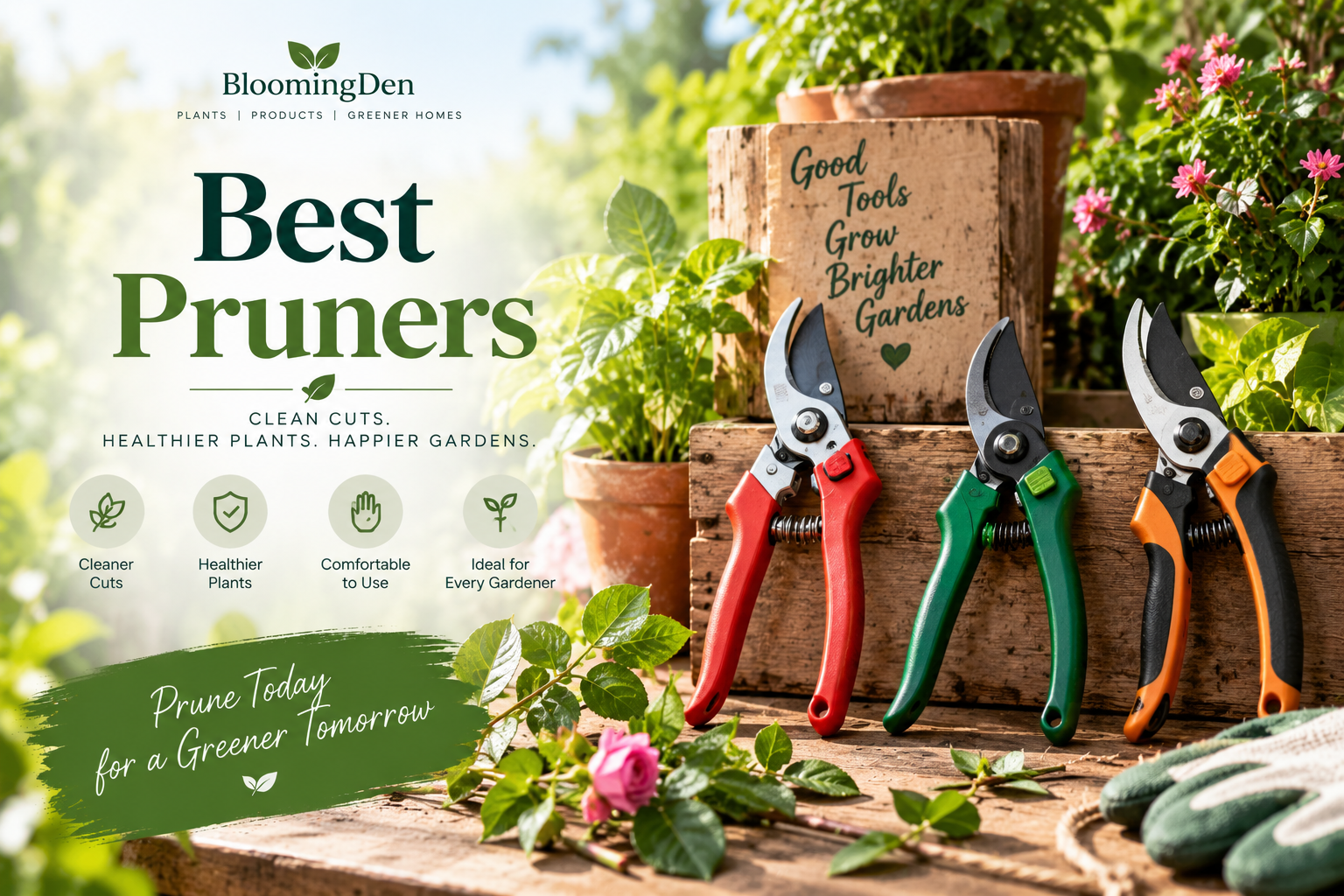
Pruners allow you to make controlled cuts without using a large pair of scissors or other unsuitable tools. A good pair of pruning shears should feel comfortable in your hand and should be appropriate for the size of the stems you are cutting.
Quick Tip
Always choose a pruner based on the size and type of growth you need to cut. Using a small pruner on thick branches can damage both the tool and the plant.
Different Types of Garden Pruners
Garden pruners are available in several designs. Understanding the differences can help beginners select the right tool for their plants.
| Type of Pruner | Best For | Main Advantage |
|---|---|---|
| Bypass Pruner | Green stems and live branches | Clean, controlled cuts |
| Anvil Pruner | Dry or harder stems | Strong cutting action |
| Long-Handled Pruner | Higher or thicker branches | Greater reach and leverage |
| Compact Pruner | Small plants and indoor gardens | Lightweight and easy to handle |
1. Bypass Pruners
Bypass pruners are one of the most versatile choices for home gardeners. Their blades work similarly to scissors, with one curved blade passing alongside another blade to make a cut.
This design is commonly useful for cutting live, green stems and smaller branches. It provides good control and is suitable for many everyday pruning tasks.
Bypass Pruners Are Useful For:
- Flowering plants
- Small shrubs
- Herbs
- Soft and green stems
- Removing unwanted plant growth
- Routine garden maintenance
Best Choice for Beginners
If you are buying your first pair of garden pruners, a good-quality bypass pruner can be a versatile option for many common home-gardening tasks.
2. Anvil Pruners
Anvil pruners have a cutting blade that presses against a flat surface, known as the anvil. This design provides strong cutting action and can be useful for harder or dry plant material.
They can be useful when dealing with dead branches or tougher stems, although the exact cutting capacity depends on the particular tool.
3. Long-Handled Pruners
Long-handled pruners, often called loppers, have longer handles that provide additional reach and leverage. They are useful when regular hand pruners are not suitable for thicker branches or when you need to reach farther into a shrub.
Because of their larger size, loppers are generally better suited to outdoor gardens than small indoor or balcony plant collections.
Long-Handled Pruners Are Useful For:
- Thicker branches within the tool's rated capacity
- Larger shrubs
- Small trees and woody plants
- Branches that are difficult to reach
- Outdoor garden maintenance
Choose According to Branch Size
Do not force a hand pruner or lopper beyond its recommended cutting capacity. For branches that are too thick, use a suitable pruning saw or another tool designed for the job.
4. Compact Pruners for Indoor and Small Gardens
Compact pruning shears are ideal for gardeners who mainly maintain indoor plants, herbs, seedlings, and small container gardens. Their smaller size makes them easy to handle when working around delicate stems and crowded foliage.
A compact pruner can be especially useful when you need to remove individual leaves, small stems, or spent flowers without disturbing the rest of the plant.
Look for These Features
- Lightweight construction
- Comfortable grip
- Sharp, properly aligned blades
- Easy locking mechanism
- Compact design for precise cuts
Bypass vs Anvil Pruners: Which One Should You Choose?
Bypass and anvil pruners are two of the most common pruning designs. Understanding their intended use can help you choose the right tool for your garden.
| Feature | Bypass Pruner | Anvil Pruner |
|---|---|---|
| Blade Action | Blade passes alongside another blade | Blade presses against a flat surface |
| Best For | Live and green stems | Dry or harder plant material |
| Cutting Style | Controlled cut | Strong cutting action |
| Home Garden Use | Very versatile | More specialized |
Simple Rule
For most routine pruning of live garden plants, a suitable bypass pruner is a practical starting point. Consider anvil-style tools when your gardening tasks regularly involve dry or tougher plant material.
How to Choose the Best Pruners for Your Garden
The best pruner is not necessarily the most expensive one. It should match the plants you grow, the size of the stems you need to cut, and how frequently you perform pruning.
Consider Stem Thickness
Check the manufacturer's recommended cutting capacity and choose a tool that comfortably handles the stems you expect to prune.
Check Handle Comfort
A comfortable handle can make repetitive pruning tasks easier. Look for a grip that feels secure without requiring excessive force.
Look at Blade Quality
Sharp, properly aligned blades are important for making controlled cuts. Choose a tool with blades that can be maintained or replaced when appropriate.
Consider Your Garden Size
Small gardens may only require compact hand pruners, while larger gardens with shrubs and woody plants may benefit from loppers or other specialized tools.
Best Pruners for Different Types of Plants
Different plants produce different types of stems and branches, so the ideal pruning tool can vary. Matching the pruner to the plant makes pruning easier and helps you avoid using excessive force.
| Plant Type | Suitable Pruner | Common Pruning Task |
|---|---|---|
| Indoor Plants | Compact pruner | Removing small stems and damaged growth |
| Flowering Plants | Bypass pruner | Deadheading and trimming stems |
| Herbs | Small bypass pruner | Harvesting and trimming |
| Shrubs | Bypass pruner or lopper | Removing unwanted branches |
| Woody Plants | Lopper or pruning saw | Cutting larger branches within tool limits |
Important Features of a Good Garden Pruner
When shopping for pruning shears, look beyond the basic appearance. A few practical features can make a significant difference in comfort, cutting performance, and long-term use.
Sharp Blades
Sharp blades help you make controlled cuts without repeatedly squeezing the handles. Keep them properly maintained according to the tool manufacturer's instructions.
Comfortable Grip
A comfortable handle is particularly important if you have many plants that require regular pruning.
Safety Lock
A locking mechanism helps keep the blades closed during storage and transport, reducing the chance of accidental contact with the cutting edges.
Spring Mechanism
A suitable spring mechanism can help the handles reopen after a cut, making repeated pruning more comfortable.
How to Use Pruners Correctly
Using the right technique is just as important as choosing a good pruning tool. Avoid forcing the blades through material that is beyond the tool's intended capacity.
- Inspect the plant and identify the growth you want to remove.
- Make sure your pruner is clean and in good working condition.
- Position the blades correctly around the stem.
- Make a controlled cut rather than repeatedly crushing the stem.
- Remove the cut material from around the plant if necessary.
- Clean and safely store the pruner after use.
Pruning Tip
Avoid cutting healthy plant growth simply because it is easy to reach. Before pruning, understand why a particular stem or branch needs to be removed and follow the care requirements of the plant.
When Should You Prune Your Plants?
The ideal pruning time depends on the plant species and the purpose of pruning. There is no universal pruning schedule that works for every plant.
Some plants are pruned to remove dead or damaged growth, while others may require pruning to maintain their shape or encourage a particular growth pattern. Flowering plants can also have specific pruning requirements depending on when they produce flowers.
Common Reasons for Pruning
- Removing dead or damaged branches
- Removing diseased plant material when appropriate
- Maintaining plant shape
- Managing excessive or unwanted growth
- Removing spent flowers
- Harvesting herbs and suitable edible plants
How to Clean and Maintain Your Pruners
Keeping pruning tools clean and properly maintained can improve their performance and help prevent plant material and residue from accumulating on the blades.
- Remove plant debris from the blades after use.
- Clean the blades according to the manufacturer's recommendations.
- Dry the tool thoroughly after cleaning.
- Check that the blades remain properly aligned.
- Keep the cutting edges maintained when required.
- Store the pruner in the locked position in a dry location.
Common Pruning Mistakes Beginners Should Avoid
Pruning can improve the appearance and manageability of many plants, but incorrect pruning can cause unnecessary damage. Beginners should focus on making deliberate cuts and using the right tool for the job.
1. Using the Wrong Tool
Avoid using small hand pruners on branches that are beyond their recommended capacity. For larger branches, choose a suitable lopper or pruning saw instead.
2. Using Dull or Damaged Blades
Dull or poorly maintained blades can make pruning more difficult and may crush rather than cleanly cut stems. Inspect your pruners regularly and maintain them appropriately.
3. Removing Too Much Growth
More pruning is not always better. Removing excessive healthy growth can stress a plant, so understand the purpose of pruning before making multiple cuts.
4. Ignoring Plant-Specific Requirements
Different plants respond differently to pruning. Learn the basic pruning requirements of the specific plant rather than applying the same technique to every plant in your garden.
How Much Should You Spend on Garden Pruners?
You do not necessarily need professional-grade equipment for a home garden. A reasonably durable pruner that fits your hand comfortably and is suitable for your plants can be enough for routine maintenance.
If you prune frequently or maintain many plants, investing in a better-quality tool can make regular gardening more comfortable. For occasional pruning, a basic but reliable model may be sufficient.
| Gardening Need | What to Look For |
|---|---|
| Few indoor plants | Compact and lightweight pruner |
| Balcony garden | Comfortable bypass pruner |
| Many flowering plants | Sharp, precise hand pruner |
| Shrubs and woody plants | Hand pruner plus suitable lopper |
| Large garden | Multiple pruning tools for different branch sizes |
Pruner Buying Checklist for Beginners
Before purchasing a pair of garden pruners, use this simple checklist to make sure the tool matches your gardening requirements.
✓ Cutting Capacity
Check the recommended cutting capacity and make sure it matches the typical stems or branches in your garden.
✓ Comfortable Handle
Choose a handle that feels secure and comfortable, particularly if you expect to prune frequently.
✓ Good Blade Alignment
Properly aligned blades help the tool operate smoothly and make controlled cuts.
✓ Safety Lock
A reliable locking mechanism is useful for safe storage when the pruners are not being used.
Frequently Asked Questions About Garden Pruners
What are the best pruners for beginners?
A comfortable bypass pruner is a versatile starting option for many home gardeners. It is suitable for a variety of live and smaller plant stems when used within its recommended capacity.
What is the difference between bypass and anvil pruners?
Bypass pruners use blades that pass alongside each other, while anvil pruners press a cutting blade against a flat surface. Bypass designs are commonly used for live stems, while anvil designs can be useful for tougher or dry plant material.
Are pruners and pruning shears the same thing?
The terms are often used interchangeably for handheld garden cutting tools. The exact terminology can vary depending on the region and manufacturer.
Can I use regular scissors for pruning plants?
Regular scissors may work for very small and soft plant material, but purpose-built pruning tools generally provide better grip, blade strength, and control for gardening tasks.
How do I know which pruner size I need?
Consider the typical stem and branch thickness you need to cut and check the manufacturer's recommended cutting capacity. Also choose a handle size that feels comfortable in your hand.
Quick Guide to Choosing the Right Pruner
If you are still unsure which pruning tool to buy, start by identifying the plants you maintain and the type of growth you regularly need to remove. This simple guide can help you narrow down your options.
| Your Garden | Recommended Tool | Why |
|---|---|---|
| Indoor plants | Compact bypass pruner | Precise and easy to handle |
| Flowering plants | Bypass pruner | Useful for small live stems and deadheading |
| Herbs | Small pruning shears | Convenient for harvesting and trimming |
| Shrubs | Bypass pruner or lopper | Depends on branch thickness |
| Larger woody branches | Lopper or pruning saw | Designed for larger growth |
Keep Your Pruners in Good Condition
A good pair of pruners can remain useful for a long time when it is cleaned, maintained, and stored properly. Regular maintenance is especially important if you use the tool frequently.
Clean After Use
Remove plant residue and dirt from the blades after pruning. Follow the manufacturer's cleaning recommendations.
Keep Blades Maintained
Properly maintained cutting edges can make pruning easier and help you make controlled cuts.
Store in a Dry Place
Store your pruners somewhere dry and protected when they are not being used.
Use the Safety Lock
Keep the blades locked when storing or transporting the pruner to reduce the risk of accidental contact.
Good Gardening Habit
Clean your pruners after each gardening session rather than allowing plant residue to build up over time. A few minutes of maintenance can make your tools easier to use the next time you need them.
Build a Complete Gardening Toolkit
Pruners are just one part of a useful home gardening toolkit. Depending on your garden, you may also need a hand trowel, watering can, gardening gloves, hand fork, soil scoop, spade, or other equipment.
Start with the tools you use most often rather than buying every gardening accessory available. As your collection of plants grows, you can add specialized tools based on your actual gardening needs.
Need Help With Your Home Garden?
BloomingDen can help you plan and maintain a beautiful home garden based on your available space, sunlight, plant preferences, and gardening requirements.
Explore BloomingDenFinal Checklist Before Buying Pruners
- Choose a pruner suitable for the thickness of the stems you cut.
- Consider a bypass design for many routine live-stem pruning tasks.
- Choose a comfortable handle that fits your hand well.
- Check that the blades are properly aligned.
- Look for a secure locking mechanism.
- Consider how easy the tool is to clean and maintain.
- Choose a larger lopper or pruning saw when branches exceed your hand pruner's capacity.
The right pruner should make your gardening work easier, not harder. Focus on suitability, comfort, cutting capacity, and maintenance rather than simply choosing the most expensive option.
Conclusion
A good pair of pruners is one of the most useful tools for maintaining a home garden. From removing damaged growth and trimming flowering plants to managing shrubs and harvesting herbs, the right pruning tool can make routine plant care much easier.
For most beginners, a comfortable bypass pruner is a practical starting point. Gardeners with larger shrubs, woody plants, or thicker branches may also need loppers or a pruning saw.
Choose your pruning tools according to your plants, garden size, and typical pruning tasks. Keep your pruners clean, maintained, and safely stored, and they can become a reliable part of your gardening toolkit for years to come.