
Budget Gardening in India 2026: Affordable Ideas to Grow a Beautiful Garden
Gardening Made Easy: Learn how to create and maintain a beautiful garden in India without spending a lot using affordable plants, containers, DIY planters, propagation, composting, and smart gardening practices.
Posted: August 14, 2026 | Budget Gardening
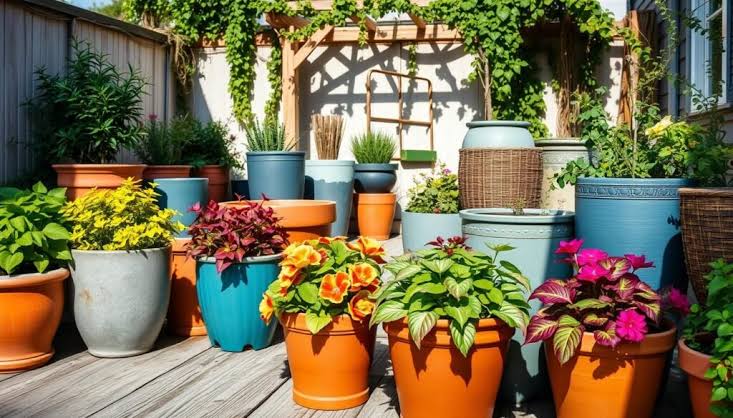
Gardening does not have to be expensive. With a little planning, creativity, and patience, you can create a healthy and attractive garden without spending a large amount of money. Budget gardening is about making smart choices rather than buying the most expensive plants, planters, tools, and gardening accessories.
For homes in India, affordable gardening can include growing plants from seeds and cuttings, propagating existing plants, reusing suitable containers, making compost from organic household waste, and choosing plants that naturally suit the local climate.
A low-cost garden can be created on a balcony, terrace, backyard, courtyard, window, or even a small apartment corner. The important thing is to start with the space and resources you already have instead of trying to buy everything at once.
In this guide, we cover practical budget gardening ideas for Indian homes, including affordable plants, low-cost containers, DIY planters, propagation, composting, budget-friendly tools, water-saving methods, small-space gardening, and common mistakes to avoid.
IN THIS ARTICLE
- How to Start Gardening on a Budget
- Choose Affordable Plants
- Grow Plants From Seeds
- Propagate Existing Plants
- Affordable Containers and Pots
- DIY Planter Ideas
- Reuse Household Items
- Save Money on Growing Medium
- Make Compost at Home
- Affordable Plant Nutrition
- Save Water While Gardening
- Budget Gardening Tools
- Budget Gardening for Small Spaces
- Budget Balcony Garden
- Low-Cost Kitchen Garden
- Choose Plants According to Season
- Reduce Gardening Maintenance Costs
- Common Budget Gardening Mistakes
- Example Budget Garden Plan
- Budget Gardening Checklist
- Frequently Asked Questions
How to Start Gardening on a Budget
The easiest way to save money is to start small. Instead of purchasing dozens of plants and accessories, begin with a few plants that match your available space and sunlight.
Before spending money, check what you already have at home. Existing containers, shelves, tools, seeds, cuttings, and suitable household materials may already provide part of what you need.
| Step | Budget Approach |
|---|---|
| 1. Check Your Space | Understand sunlight and available area |
| 2. Start Small | Begin with a few suitable plants |
| 3. Reuse What You Have | Use suitable existing containers and materials |
| 4. Propagate | Grow new plants from suitable cuttings or divisions |
| 5. Expand Gradually | Add plants and supplies only when needed |
Choose Affordable Plants
The cheapest plant is not always the best value. A plant that struggles in your local climate may require additional care, fertilizer, treatments, or replacement. Choosing plants that naturally suit your environment can save money over time.
- Choose plants suited to your local climate.
- Consider plants that are easy to propagate.
- Look for healthy plants rather than simply the largest plants.
- Choose compact plants for small spaces.
- Consider seasonal plants when appropriate.
- Buy only the number of plants you can realistically maintain.
Starting with a small collection of reliable plants is usually more economical than buying many plants and replacing those that do not survive.
Grow Plants From Seeds
Growing plants from seeds can be an economical way to build a garden, particularly for herbs, vegetables, flowering annuals, and other plants that grow readily from seed.
Start With Easy-to-Grow Plants
Beginners can start with plants that are known to germinate and grow reliably under their local conditions.
Avoid Buying Too Many Seeds
Purchase quantities that match the available growing space. A small garden does not need a large collection of seed packets.
Label Your Seedlings
Simple labels can help you track varieties and planting dates, reducing unnecessary purchases later.
Propagate Existing Plants
Propagation is one of the most effective ways to expand a garden without repeatedly purchasing mature plants. Depending on the species, plants may be propagated through stem cuttings, leaf cuttings, division, or other suitable methods.
| Method | Suitable For | Benefit |
|---|---|---|
| Stem Cuttings | Suitable plants with propagatable stems | Produce additional plants from existing growth |
| Division | Suitable clumping plants | Separates established plants |
| Leaf Propagation | Certain suitable species | Can create new plants from leaves |
Not every plant can be propagated using every method. Always use a method appropriate for the specific plant.
Affordable Containers and Pots
Containers can become one of the biggest expenses in a new garden. Fortunately, you do not need expensive decorative pots for every plant. Functional containers with suitable drainage can work perfectly well.
| Option | Budget Benefit | Important Consideration |
|---|---|---|
| Basic Nursery Pots | Usually practical and affordable | Check drainage |
| Reused Containers | Can reduce container costs | Must be clean and suitable for plants |
| Grow Bags | Useful for many vegetables and container plants | Choose suitable size and quality |
| Simple Terracotta Pots | Can be economical and reusable | May dry out faster than some other containers |
DIY Planter Ideas
DIY planters can make a budget garden more creative while reducing the need to purchase decorative containers. However, any reused container should be clean, structurally safe, and suitable for growing plants.
- Reuse suitable food containers after thorough cleaning.
- Use wooden boxes as planters when properly prepared.
- Repurpose suitable buckets or tubs.
- Create simple hanging planters from appropriate materials.
- Decorate plain pots instead of buying expensive decorative pots.
Always create appropriate drainage and avoid materials that may be unsafe for growing edible plants.
Reuse Household Items
Look around your home before purchasing new gardening accessories. Suitable household items can sometimes be repurposed for storage, plant support, seed starting, or containers.
| Item | Possible Garden Use |
|---|---|
| Old Shelves | Plant display and storage |
| Wooden Boxes | Suitable planters or garden storage |
| Small Containers | Seed starting or small plants |
| Glass Jars | Suitable non-drainage decorative uses or propagation where appropriate |
Save Money on Growing Medium
Good soil or growing medium is one of the most important investments in gardening. Saving money does not mean using poor-quality or unsuitable soil. Instead, focus on using the right growing medium efficiently and improving it where appropriate.
- Choose a growing medium suitable for the plant.
- Avoid buying large quantities before understanding your requirements.
- Reuse healthy growing medium only when appropriate.
- Refresh old container media when necessary.
- Improve organic matter using suitable compost.
Do not reuse soil from a diseased plant without addressing the underlying problem. Poor-quality growing medium can cost more in the long run if plants repeatedly fail.
Make Compost at Home
Home composting can turn suitable organic household and garden waste into a useful soil amendment. It can also reduce the amount of organic waste sent to landfill or other disposal systems.
Suitable Materials
Depending on your composting method, suitable materials can include vegetable scraps, fruit scraps, dry leaves, and other appropriate organic garden waste.
Maintain the Balance
A healthy compost system needs a suitable balance of materials, moisture, and airflow. Avoid adding materials that are unsuitable for your chosen composting method.
Affordable Plant Nutrition
Plant nutrition does not always require buying multiple specialized products. Start by understanding what your plants actually need and avoid applying fertilizer unnecessarily.
| Approach | Budget Benefit |
|---|---|
| Use Compost | Can improve organic matter using home-produced material |
| Follow Product Dosage | Prevents unnecessary fertilizer use |
| Avoid Overfeeding | Reduces waste and plant stress |
| Observe Plant Health | Helps identify whether intervention is actually needed |
Save Water While Gardening
Efficient watering can reduce waste and help keep your gardening costs under control. Instead of watering every plant on the same schedule, check each plant's actual moisture needs.
- Check soil moisture before watering.
- Water plants thoroughly when they need it.
- Water during suitable times to reduce unnecessary evaporation.
- Group plants with similar water requirements.
- Use mulch where appropriate for outdoor gardens.
- Fix leaking hoses, taps, or watering equipment.
Budget Gardening Tools
You do not need a large collection of gardening tools when starting out. A few basic tools can handle most everyday tasks in a small home garden.
| Tool | Common Use | Budget Tip |
|---|---|---|
| Hand Trowel | Planting and transplanting | Start with one good-quality basic tool |
| Pruning Shears | Cutting suitable stems and branches | Maintain them instead of replacing frequently |
| Watering Can | Watering containers | Choose a size suitable for your garden |
| Hand Gloves | Basic garden protection | Choose durable reusable gloves |
Budget Gardening for Small Spaces
Small-space gardening can actually reduce the initial cost of gardening because fewer plants, containers, and materials are required.
- Start with a small collection of plants.
- Use vertical shelves to increase planting capacity.
- Propagate plants instead of buying every new plant.
- Reuse suitable containers.
- Choose compact plants.
- Use one good-quality tool for each essential task.
Budget Balcony Garden
A budget balcony garden can be created gradually. Start with a few containers on the floor and then add shelves, railing planters, or hanging plants as your collection grows.
| Budget Level | Garden Setup |
|---|---|
| Basic | A few plants in simple containers |
| Moderate | Containers plus a simple plant stand |
| Expanded | Vertical garden, railing planters, and more plants |
Low-Cost Kitchen Garden
Growing herbs and selected vegetables in containers can be an affordable way to make your garden useful as well as attractive.
- Start with a few herbs that suit your climate.
- Use suitable recycled containers where practical.
- Grow from seeds when appropriate.
- Reuse healthy growing medium responsibly.
- Compost suitable organic waste at home.
- Harvest regularly to encourage continued production where appropriate.
Choose Plants According to Season
Seasonal gardening can help reduce plant losses. Instead of forcing a plant to grow under unsuitable conditions, choose plants that naturally perform well during the current season in your region.
| Season | Budget Gardening Focus |
|---|---|
| Summer | Heat-tolerant plants and efficient watering |
| Monsoon | Drainage, airflow, and pest monitoring |
| Winter | Seasonal vegetables and suitable flowering plants |
| Spring | New growth, propagation, and garden preparation |
Reduce Gardening Maintenance Costs
The cheapest garden to maintain is usually one designed around the conditions you already have. Choosing suitable plants and avoiding unnecessary purchases can reduce long-term costs.
- Choose climate-appropriate plants.
- Avoid buying plants that require conditions you cannot provide.
- Inspect plants regularly to catch problems early.
- Keep tools clean and maintained.
- Use water efficiently.
- Propagate healthy plants when suitable.
- Repair or reuse gardening equipment where practical.
Common Budget Gardening Mistakes
| Mistake | Better Approach |
|---|---|
| Buying too many plants at once | Start small and expand gradually |
| Buying plants unsuitable for your climate | Choose plants according to local conditions |
| Choosing the cheapest soil available | Prioritize suitable growing medium |
| Buying unnecessary tools | Purchase tools as specific needs arise |
| Reusing unsuitable containers | Use clean, safe, structurally suitable containers |
| Overusing fertilizer | Follow plant and product requirements |
| Ignoring plant problems | Inspect plants regularly and respond early |
Example Budget Garden Plan
A simple starter garden can be built around the essentials rather than expensive accessories. The exact cost will vary by city, plant type, container size, and where you purchase supplies.
| Category | Starter Approach | Money-Saving Idea |
|---|---|---|
| Plants | Start with a few suitable plants | Propagate and grow from seeds where appropriate |
| Containers | Use basic functional pots | Reuse suitable containers |
| Soil | Buy an appropriate growing medium | Use suitable compost to improve organic matter |
| Tools | Buy only essential tools | Maintain and reuse tools |
| Fertilizer | Use only when required | Follow recommended dosage |
The goal is not to create the cheapest possible garden at any cost. Instead, aim for a garden where every purchase serves a clear purpose and where plants have the conditions they need to remain healthy.
Budget Gardening Checklist
| Check | Question | Why It Matters |
|---|---|---|
| ✓ | Have I checked the available sunlight? | Helps avoid unsuitable plant purchases |
| ✓ | Can I propagate plants I already own? | Can reduce the need to buy new plants |
| ✓ | Can I reuse suitable containers? | Reduces container expenses |
| ✓ | Am I buying only essential tools? | Prevents unnecessary spending |
| ✓ | Is my growing medium suitable? | Helps plants grow successfully |
| ✓ | Am I using water efficiently? | Reduces water waste |
| ✓ | Am I expanding the garden gradually? | Keeps spending manageable |
Frequently Asked Questions
Q1. How can I start gardening on a low budget in India?
Q2. How can I reduce the cost of buying plants?
Q3. Can I use recycled containers for gardening?
Q4. Is growing plants from seeds cheaper than buying plants?
Q5. How can I make compost at home to save money?
Q6. What are the cheapest plants to grow in India?
Q7. How can I create a budget balcony garden?
Q8. Do I need expensive gardening tools?
Q9. How can I save money on fertilizer?
Q10. What is the best way to maintain a garden on a budget?
Author Bio
Written by the Blooming Den Gardening Team – Verified plant experts helping urban India go green since 2025. We deliver plants, supplies, and professional care to your doorstep.