Choosing Pots and Planters in India 2026: A Complete Guide for Healthy Plants
Gardening Made Easy: Learn how to choose the right pots and planters for your plants based on material, size, drainage, shape, sunlight, climate, watering needs, and available space.
Posted: August 13, 2026 | Gardening for Beginners
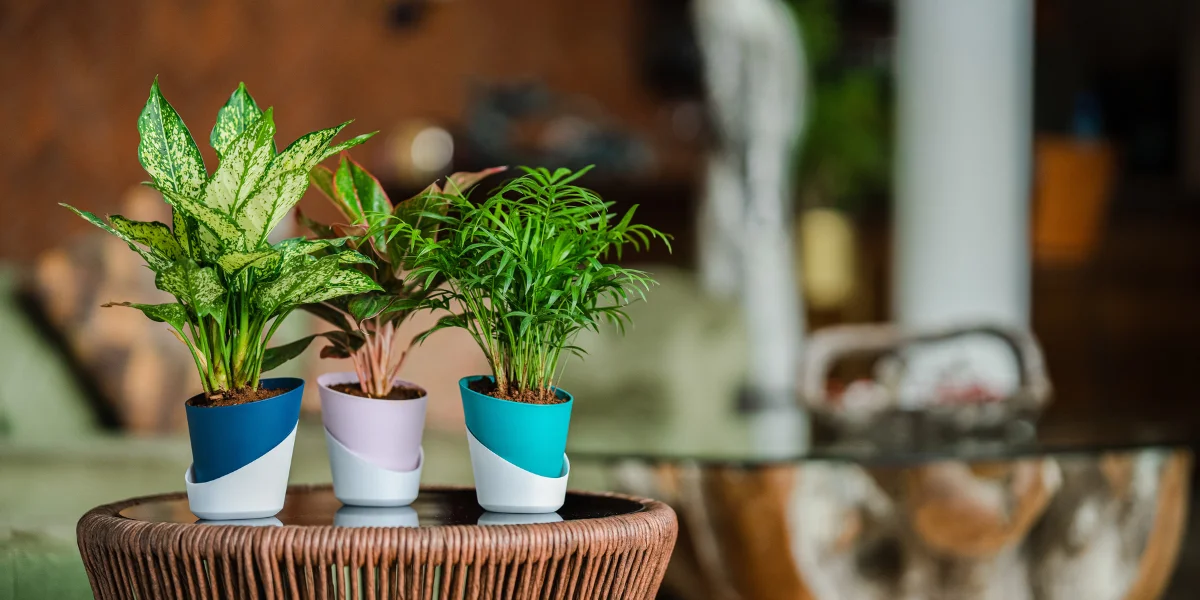
Choosing the right pot is just as important as choosing the right plant. A container affects how much moisture the soil retains, how well excess water drains, how much room roots have to grow, and how easy the plant is to maintain.
In India, pots and planters are exposed to very different conditions throughout the year. Hot summers can increase moisture loss and heat around roots, while monsoon rainfall can create excessive moisture when drainage is poor. Choosing a suitable container can make these seasonal changes easier to manage.
Terracotta, plastic, ceramic, cement, fabric grow bags, and self-watering planters all have different characteristics. There is no single pot that is best for every plant. The right choice depends on the plant, location, climate, watering habits, and how much space you have.
This guide explains how to choose pots and planters in India, including the correct size, material, drainage, shape, depth, placement, and maintenance requirements.
IN THIS ARTICLE
- Why Choosing the Right Pot Matters
- Why Drainage Is Important
- How to Choose the Right Pot Size
- How to Choose Pot Depth
- Terracotta Pots
- Plastic Pots
- Ceramic Pots
- Cement and Concrete Pots
- Fabric and Grow Bags
- Self-Watering Planters
- Pot Material Comparison
- Choose Pots According to Plant Type
- Choose Pots According to Location
- Choosing Pots for Indian Weather
- Best Pots for Balcony Gardens
- Best Pots for Indoor Plants
- Best Containers for Vegetables
- When to Move a Plant to a Bigger Pot
- Common Pot and Planter Mistakes
- Pot Selection Checklist
- Frequently Asked Questions
Why Choosing the Right Pot Matters
A plant container is more than just a decorative item. It directly affects the root environment. The size, material, drainage, and shape of the pot can influence how quickly soil dries and how much room the roots have to develop.
A container that is too small can restrict root growth, while an unnecessarily large container can hold more moisture than the plant needs. Poor drainage can also leave roots sitting in excess water.
- Provides enough room for root development.
- Helps manage soil moisture.
- Allows excess water to escape.
- Supports the mature size of the plant.
- Makes plant care easier.
- Can improve the appearance of your garden.
Why Drainage Is Important
Drainage is one of the most important features to check before buying a pot. Excess water needs a way to leave the container so the root zone does not remain saturated for extended periods.
Check for Drainage Holes
Whenever possible, choose a container with suitable drainage holes. Decorative cachepots without drainage can be used as outer covers around a nursery pot that already has drainage.
Keep Drainage Holes Clear
Make sure the holes are not blocked by compacted soil or a surface that prevents water from escaping.
Avoid Relying on a Thick Gravel Layer
A common gardening practice is to place a thick layer of gravel or broken pottery at the bottom of a pot for drainage. Recent guidance challenges this approach because it can actually hinder the movement of water from the soil into the lower layer. Good drainage is better achieved through an appropriate potting mix and an unobstructed drainage hole. :contentReference[oaicite:0]{index=0}
How to Choose the Right Pot Size
Pot size should be based on the plant's current root system and expected growth, rather than simply choosing the biggest container available.
| Plant Size | Typical Container | Suitable Examples |
|---|---|---|
| Small | 4–6 inch | Small herbs, cuttings, young indoor plants |
| Medium | 8–12 inch | Tulsi, chilli, smaller flowering plants |
| Large | 14–18+ inch | Roses, hibiscus, larger vegetables |
| Extra Large | Large tubs or grow bags | Large shrubs, fruiting plants, selected trees |
These are general starting points rather than universal rules. Always consider the plant's root system, mature size, and growing requirements.
How to Choose Pot Depth
The diameter of a pot is not the only measurement that matters. Some plants need deeper containers for their roots, while shallow-rooted plants can grow well in wider, shallower containers.
| Pot Shape | Suitable For | Important Consideration |
|---|---|---|
| Shallow & Wide | Succulents, herbs, some leafy greens | Ensure enough root space |
| Deep | Deep-rooted plants | Provide adequate drainage |
| Tall | Large indoor and outdoor plants | Consider stability and weight |
| Hanging | Trailing and compact plants | Check weight and secure mounting |
Terracotta Pots
Terracotta, or unglazed clay, is one of the most popular traditional choices for Indian gardening. The material is porous, allowing moisture to evaporate through the sides of the container.
Advantages
- Porous material allows faster moisture loss.
- Works well for plants that prefer drying between waterings.
- Natural appearance suits many gardens.
- Usually easy to find in Indian nurseries.
Things to Consider
- Can dry out faster during hot weather.
- Can be heavier than plastic.
- Can crack or break if dropped.
- May require more frequent watering in hot, dry conditions.
Plastic Pots
Plastic pots are lightweight, affordable, and available in a wide range of sizes and designs. They generally retain moisture longer than unglazed terracotta.
Advantages
- Lightweight and easy to move.
- Available in many sizes and shapes.
- Usually affordable.
- Retains moisture longer than porous clay pots.
- Easy to clean and reuse.
Things to Consider
- Can retain excess moisture if drainage is poor.
- Dark pots can become hot in strong direct sunlight.
- Low-quality plastic can become brittle with prolonged sun exposure.
Ceramic Pots
Ceramic pots are popular for decorative indoor and outdoor gardening. Glazed ceramic is generally less porous than unglazed clay, so it can retain moisture for longer.
Advantages
- Available in attractive designs and finishes.
- Heavy enough to provide stability for many plants.
- Glazed surfaces can retain moisture well.
- Works well as a decorative planter.
Things to Check
Always check whether the ceramic container has a drainage hole. A decorative ceramic pot without drainage can be used as an outer cover around a plant kept in a suitable nursery or plastic pot.
Cement and Concrete Pots
Cement and concrete planters are sturdy and can work well for outdoor gardens. Their weight makes them useful for plants that may become top-heavy or locations exposed to wind.
Advantages
- Heavy and stable.
- Suitable for many outdoor spaces.
- Can support larger plants.
- Durable when properly made.
Things to Consider
- Very heavy and difficult to move.
- Can be unsuitable for balconies where weight is a concern.
- Drainage holes are still essential.
- Large containers require careful placement.
Fabric and Grow Bags
Grow bags are widely used for terrace and balcony vegetable gardening. Fabric containers provide good aeration around the root zone and can be easier to store when not in use.
Best Uses
- Tomatoes
- Chillies
- Brinjal
- Leafy vegetables
- Selected herbs
- Some fruiting plants
Advantages
- Lightweight compared with large ceramic or cement pots.
- Easy to store.
- Good air movement around roots.
- Useful for growing multiple vegetables.
Things to Consider
Fabric grow bags can dry faster than solid containers, particularly in hot, dry, or windy conditions. Monitor soil moisture and choose an appropriate size for the crop.
Self-Watering Planters
Self-watering planters contain a reservoir that can help maintain moisture availability for plants. They can be useful for people who travel frequently or have difficulty maintaining a regular watering routine.
Good For
- Some indoor plants
- Herbs
- Busy gardeners
- People who travel frequently
Use With Care
Self-watering systems are not ideal for every plant. Plants that prefer drier conditions may not perform well if the root zone stays continuously moist.
Pot Material Comparison
| Material | Moisture | Weight | Best For | Main Consideration |
|---|---|---|---|---|
| Terracotta | Dries faster | Medium | Succulents, herbs, plants that prefer drying | Can dry quickly |
| Plastic | Retains moisture | Light | General container gardening | Need good drainage |
| Ceramic | Usually retains moisture when glazed | Heavy | Decorative indoor gardening | Check drainage |
| Cement | Moderate | Very Heavy | Outdoor plants | Difficult to move |
| Grow Bag | Usually dries faster | Very Light | Vegetables and terrace gardens | Requires moisture monitoring |
| Self-Watering | Maintains moisture | Medium | Herbs and suitable indoor plants | Not ideal for dry-loving plants |
The best material depends on the plant and your growing environment. Terracotta can work well for plants that prefer drier conditions, while plastic or glazed ceramic can be useful for plants that benefit from longer moisture retention. :contentReference[oaicite:1]{index=1}
Choose Pots According to Plant Type
| Plant Type | Suitable Pot | Important Requirement |
|---|---|---|
| Succulents | Terracotta or well-draining pot | Excellent drainage |
| Herbs | Terracotta, plastic, or suitable grow bags | Match moisture to the herb |
| Indoor Foliage | Plastic or ceramic with drainage | Avoid constantly wet soil |
| Flowering Plants | Medium to large pots | Root space and drainage |
| Vegetables | Grow bags or large containers | Enough root volume |
| Large Shrubs | Large sturdy containers | Stability and mature size |
Choose Pots According to Location
Indoor
Lightweight plastic pots, nursery pots inside decorative planters, and ceramic containers with drainage can work well indoors. Consider how easily the container can be moved for watering and cleaning.
Balcony
Choose lightweight containers where appropriate and consider the balcony's weight limitations. Make sure water does not accumulate or damage the floor.
Terrace
Grow bags and lightweight containers can be practical for terrace vegetable gardens. Plan container placement carefully and consider the combined weight of containers, soil, and water.
Backyard
Larger terracotta, cement, ceramic, or plastic containers can be used depending on the plant and how frequently you need to move it.
Choosing Pots for Indian Weather
India's seasonal changes can significantly affect container gardening. The same pot may behave differently during a hot summer and a wet monsoon.
| Season | Container Concern | What to Do |
|---|---|---|
| Summer | Heat and rapid moisture loss | Monitor soil moisture and protect sensitive plants |
| Monsoon | Excess water | Keep drainage holes clear and avoid unnecessary watering |
| Winter | Slower evaporation in cooler conditions | Check soil before watering |
| Spring | Increasing growth and water demand | Monitor roots and repot when necessary |
During heavy rain, keeping drainage holes unobstructed and using a suitable potting mix are particularly important for preventing waterlogging. :contentReference[oaicite:2]{index=2}
Best Pots for Balcony Gardens
Balcony gardens require careful consideration of weight, sunlight, wind, drainage, and available floor space.
- Use lightweight containers when possible.
- Choose pots with proper drainage.
- Use vertical planters to save floor space.
- Consider grow bags for vegetables.
- Use sturdy pots for tall or top-heavy plants.
- Keep containers secure in exposed or windy locations.
- Avoid placing excessive numbers of large, water-filled containers in one area.
Best Pots for Indoor Plants
| Plant | Pot Option | Why |
|---|---|---|
| Snake Plant | Plastic or terracotta | Easy to manage with good drainage |
| Money Plant | Plastic or ceramic with drainage | Lightweight and easy to move |
| Spider Plant | Plastic or hanging planter | Useful for trailing growth |
| ZZ Plant | Plastic or ceramic with drainage | Allows controlled watering |
For indoor plants, decorative outer pots can be used around functional nursery pots. This makes it easier to remove the inner pot for watering and prevents excess water from accumulating around the roots.
Best Containers for Vegetables
Vegetables often need more root space than small ornamental plants. Grow bags and larger containers are practical choices for many terrace and balcony vegetables.
| Vegetable | General Container Type | Key Requirement |
|---|---|---|
| Tomato | Large pot or grow bag | Good root space and support |
| Chilli | Medium to large pot | Good drainage and sunlight |
| Brinjal | Large pot or grow bag | Root space and stability |
| Spinach | Wide, shallow container | Suitable growing medium and moisture |
| Coriander | Shallow to medium container | Adequate drainage |
When to Move a Plant to a Bigger Pot
Plants do not automatically need a larger pot every year. Repotting should be based on the condition of the roots and the growth of the plant.
- Roots are growing through the drainage holes.
- The plant dries out unusually quickly despite appropriate care.
- Roots have filled most of the existing container.
- The plant has become unstable because of its growth.
- The existing growing medium has significantly deteriorated.
Avoid moving a small plant into a very large container simply to avoid repotting later. A much larger volume of wet soil can remain moist for longer and may create watering problems.
Common Pot and Planter Mistakes
- Choosing a pot without drainage holes
- Buying a container that is much larger than the plant requires
- Choosing a pot only because it looks attractive
- Ignoring the mature size of the plant
- Using heavy cement or ceramic containers where weight is a concern
- Using terracotta for plants that need consistently moist conditions without adjusting the watering routine
- Leaving drainage holes blocked
- Placing containers where rainwater accumulates
- Using a thick gravel layer as a substitute for proper drainage
- Forgetting that grow bags can dry faster during hot weather
Pot Selection Checklist
| Question | What to Check | Why It Matters |
|---|---|---|
| Does the pot have drainage? | Check the bottom of the container | Helps prevent excess moisture |
| Is the size appropriate? | Compare plant and root size | Provides suitable root space |
| Is the material suitable? | Terracotta, plastic, ceramic, cement, or grow bag | Affects moisture, weight, and durability |
| Is the pot deep enough? | Check the plant's root requirements | Supports healthy root growth |
| Where will it be placed? | Indoor, balcony, terrace, or garden | Determines weight and weather considerations |
| How much water does the plant need? | Low, moderate, or high moisture requirement | Helps select suitable pot material |
| Can I move the pot? | Consider container weight after adding soil and water | Makes seasonal maintenance easier |
Frequently Asked Questions
Q1. Which type of pot is best for plants in India?
Q2. Are terracotta pots good for Indian weather?
Q3. Are plastic pots good for plants?
Q4. What size pot should I use for my plant?
Q5. Do all plant pots need drainage holes?
Q6. Are grow bags better than pots for vegetables?
Q7. Are ceramic pots good for indoor plants?
Q8. What is better for plants: terracotta or plastic?
Q9. Should I put gravel at the bottom of a plant pot?
Q10. How often should I repot a plant?
Author Bio
Written by the Blooming Den Gardening Team – Verified plant experts helping urban India go green since 2025. We deliver plants, supplies, and professional care to your doorstep.