
Choosing the Right Plants in India 2026: A Complete Guide for Your Home & Garden
Gardening Made Easy: Learn how to choose the right plants for your Indian climate, available sunlight, space, soil, watering routine, season, and gardening goals.
Posted: August 13, 2026 | Gardening for Beginners
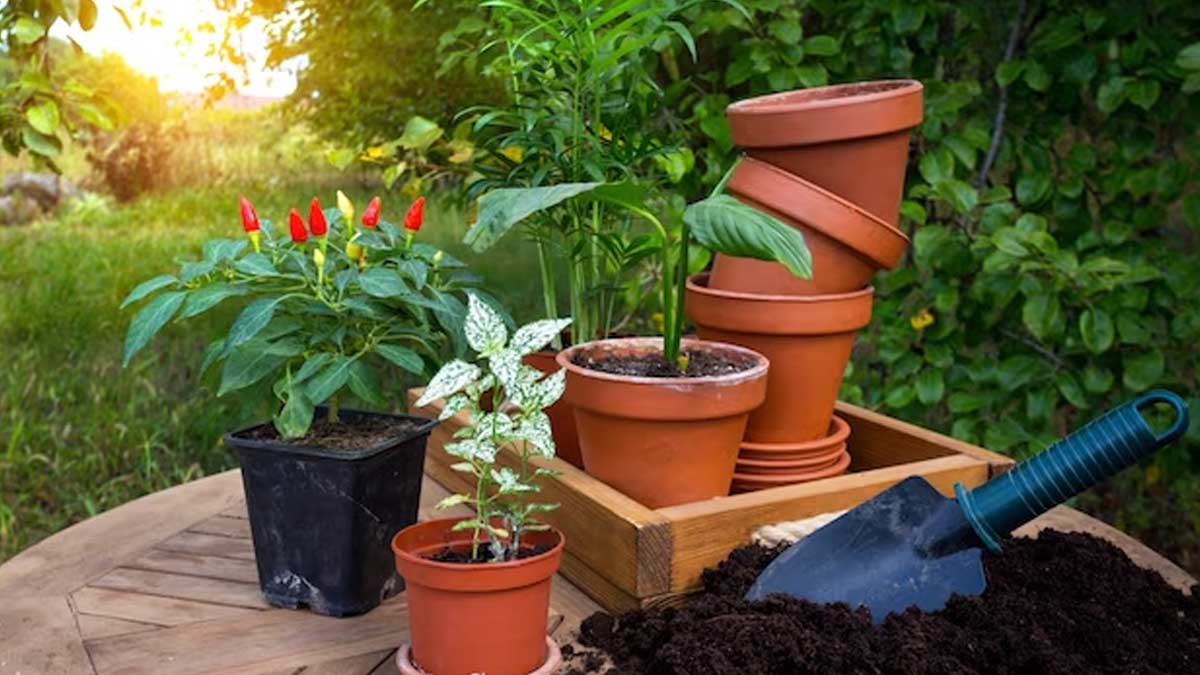
Choosing the right plants is one of the most important steps when starting a garden in India. A beautiful plant may look perfect at a nursery, but that does not necessarily mean it will thrive in your home. Light, temperature, humidity, soil, watering, container size, and seasonal conditions all influence plant growth.
India has a wide range of climates, from hot and dry regions to humid coastal areas, tropical zones, and cooler northern regions. Because of this diversity, there is no single list of plants that is perfect for every Indian home.
The best approach is to first understand your growing space and then choose plants that naturally match those conditions. This makes plant care easier, reduces unnecessary problems, and gives your garden a better chance of thriving throughout the year.
In this guide, you will learn how to choose plants based on sunlight, indoor or outdoor location, available space, climate, watering needs, maintenance level, soil requirements, season, and your personal gardening goals.
IN THIS ARTICLE
- Why Choosing the Right Plant Matters
- Understand Your Growing Space
- Choose Plants According to Sunlight
- Indoor vs Outdoor Plants
- Choose Plants According to Indian Climate
- Choose Plants According to the Season
- Choose Plants According to Available Space
- Consider Watering Requirements
- Choose Plants Based on Maintenance Level
- Check Soil and Container Requirements
- Best Plants for Beginners in India
- Choosing Plants for Different Areas of Your Home
- Choosing Plants for a Kitchen Garden
- Choosing Flowering Plants
- Choosing Plants for Larger Outdoor Spaces
- What to Check Before Buying a Plant
- Common Plant Selection Mistakes
- Plant Selection Checklist
- Frequently Asked Questions
Why Choosing the Right Plant Matters
Many plant-care problems begin before the plant even reaches your home. If a shade-loving plant is placed in harsh afternoon sunlight, or a sun-loving plant is kept in a dark room, even perfect watering and fertilizing may not produce healthy growth.
Choosing plants according to their natural requirements makes gardening easier and can reduce issues such as yellow leaves, weak growth, wilting, poor flowering, pest problems, and root damage.
- Plants are more likely to grow well in suitable conditions.
- Maintenance becomes easier.
- Watering requirements are easier to manage.
- Plants are less likely to experience environmental stress.
- You can create a garden that fits your lifestyle.
Understand Your Growing Space
Before selecting plants, spend a little time understanding the space where you want to grow them. This is especially important for balconies, apartments, indoor rooms, terraces, and small gardens.
| Factor | What to Check | Why It Matters |
|---|---|---|
| Sunlight | Direct and indirect light throughout the day | Determines suitable plant types |
| Temperature | Hot, moderate, or cool conditions | Affects plant stress and growth |
| Humidity | Dry or humid environment | Influences watering and plant health |
| Wind | Strong or sheltered location | Can affect delicate plants |
| Space | Floor area, vertical space, and height | Determines plant and container size |
Choose Plants According to Sunlight
Sunlight should be one of the first things you consider when selecting a plant. Observe your space before purchasing plants and estimate how much direct or indirect light it receives.
| Light Level | Description | Example Plants |
|---|---|---|
| Full Sun | Several hours of direct sunlight | Tulsi, Marigold, Aloe Vera |
| Partial Sun | Some direct sunlight with shade | Some herbs and flowering plants |
| Bright Indirect | Strong natural light without direct harsh rays | Spider Plant, Money Plant |
| Low Light | Limited natural light | Snake Plant, ZZ Plant |
Keep in mind that low-light tolerant does not mean no-light. Even plants that tolerate lower light generally need some natural or suitable artificial light to remain healthy.
Indoor vs Outdoor Plants
Decide whether the plant will live indoors or outdoors before buying it. Indoor spaces usually have lower light and more stable temperatures, while outdoor spaces can expose plants to stronger sunlight, wind, rain, and temperature changes.
| Feature | Indoor Plants | Outdoor Plants |
|---|---|---|
| Light | Usually indirect or filtered | Often stronger direct light |
| Weather | More protected | Exposed to weather |
| Suitable Plants | Snake Plant, Money Plant, Spider Plant | Tulsi, Marigold, Hibiscus, many herbs and vegetables |
Choose Plants According to Indian Climate
India has many different climatic conditions, so plant selection should be based on your local environment rather than simply choosing plants that are popular across the country.
| Climate Type | Consider | Plant Selection Tip |
|---|---|---|
| Hot & Dry | Heat, intense sunlight, rapid water loss | Prefer plants that tolerate heat and dryness |
| Hot & Humid | High humidity and fungal risk | Prioritize airflow and suitable drainage |
| Coastal | Humidity, wind, and salt exposure | Select plants suited to coastal conditions |
| Cooler Regions | Lower temperatures and seasonal cold | Select plants that tolerate cooler conditions |
Choose Plants According to the Season
Seasonal planting is important in India. Many flowering plants, vegetables, and herbs perform better when planted during their preferred growing season.
| Season | Main Consideration | Beginner Focus |
|---|---|---|
| Summer | Heat and water loss | Choose heat-tolerant plants and monitor moisture |
| Monsoon | Rainfall and humidity | Prioritize drainage and airflow |
| Winter | Cooler temperatures | Select suitable cool-season plants |
| Spring | Active plant growth | Plant and prepare for warmer weather |
Choose Plants According to Available Space
The size of your growing area should influence the type and number of plants you choose. A large tree may look attractive but will not be suitable for a small balcony.
| Space | Suitable Plants | Tips |
|---|---|---|
| Windowsill | Small herbs and compact indoor plants | Check available light |
| Balcony | Herbs, flowers, compact vegetables | Use vertical space carefully |
| Terrace | Vegetables, flowers, shrubs | Consider heat and container weight |
| Backyard | Flowers, vegetables, shrubs, selected trees | Plan spacing before planting |
Consider Watering Requirements
Watering requirements vary significantly between plants. If you have limited time for plant care, choose plants that can tolerate your available watering routine.
Low-Water Plants
Succulents and some drought-tolerant plants generally require less frequent watering than moisture-loving plants. They are useful for gardeners who prefer a lower-maintenance routine.
Moderate-Water Plants
Many herbs, flowering plants, and foliage plants fall into a moderate watering category and require regular monitoring of soil moisture.
Higher-Moisture Plants
Some plants prefer consistently moist growing conditions. These plants may require more frequent attention, especially in hot and dry weather.
Choose Plants Based on Maintenance Level
Consider how much time you realistically have for gardening. Choosing plants that require more care than you can provide can quickly make gardening frustrating.
| Maintenance | Suitable For | Examples |
|---|---|---|
| Very Low | Busy beginners | Snake Plant, Aloe Vera |
| Low | Beginners with regular weekly care | Money Plant, Spider Plant, Tulsi |
| Moderate | Gardeners who can monitor plants regularly | Tomato, Hibiscus, many vegetables |
| High | Experienced gardeners | Plants with specific environmental needs |
Check Soil and Container Requirements
Plants have different root systems and soil preferences. Before selecting a plant, check whether your available soil or container can provide the conditions it needs.
Drainage
Plants that are sensitive to excess moisture need well-draining soil and containers with suitable drainage holes.
Root Space
Large-growing plants need more root space than compact herbs or small indoor plants. Always consider the mature size of the plant, not just its nursery size.
Soil Type
A loose, nutrient-rich, well-draining growing medium is a good starting point for many container plants. Specific plants may have different requirements.
Best Plants for Beginners in India
If you are new to gardening, start with plants that are relatively adaptable and easy to maintain. Always match the plant to your specific growing conditions.
| Plant | Light | Maintenance | Suitable For |
|---|---|---|---|
| Snake Plant | Low–Bright Indirect | Very Low | Bedrooms, offices, living rooms |
| Money Plant | Low–Bright Indirect | Low | Indoor spaces |
| Aloe Vera | Bright | Very Low | Sunny windows and balconies |
| Tulsi | Bright Sun | Low–Moderate | Herb gardens |
| Spider Plant | Bright Indirect | Low | Indoor containers |
| Marigold | Full Sun | Low | Outdoor flower gardens |
| Mint | Bright | Low | Kitchen gardens |
Choosing Plants for Different Areas of Your Home
| Area | What to Consider | Example Plants |
|---|---|---|
| Bedroom | Light and available floor space | Snake Plant, Money Plant |
| Living Room | Natural light and plant size | Areca Palm, Money Plant, Spider Plant |
| Kitchen | Light, ventilation, and heat | Mint, Tulsi, Coriander |
| Balcony | Sunlight, wind, rain, and space | Marigold, Herbs, Compact Vegetables |
| Office | Available natural light and maintenance time | Snake Plant, ZZ Plant, Money Plant |
Choosing Plants for a Kitchen Garden
If your goal is to grow ingredients at home, select plants that fit your available sunlight, container size, and local season.
Herbs
Mint, Tulsi, coriander, curry leaf, and lemongrass can be useful choices depending on your local climate and available space.
Vegetables
Tomato, chilli, leafy greens, and other vegetables can be grown in suitable containers or grow bags when the correct season and growing conditions are provided.
Container Size Matters
Choose containers according to the mature root and plant size. Larger crops generally need more soil volume than herbs and small leafy greens.
Choosing Flowering Plants
Flowering plants can add colour and attract pollinators to outdoor spaces. When selecting flowering plants, consider sunlight, flowering season, mature size, watering requirements, and maintenance.
| Plant | General Light | Good For |
|---|---|---|
| Marigold | Full Sun | Pots, balconies, gardens |
| Hibiscus | Bright Sun | Outdoor containers and gardens |
| Rose | Bright Sun | Gardens and large containers |
| Jasmine | Bright Light | Balconies, terraces, gardens |
Choosing Plants for Larger Outdoor Spaces
If you have a backyard or large garden, you have more options, but plant selection becomes even more important because larger plants require considerable space as they mature.
Consider Mature Size
Never choose a tree or shrub based only on its current nursery size. Research how large it can become and provide enough space for roots, branches, and future growth.
Consider Placement
Avoid planting large trees too close to buildings, walls, utility lines, pathways, or other plants. Proper spacing makes long-term maintenance easier.
Think Long Term
A garden should be planned for the mature landscape, not only how it looks on the day you plant it.
What to Check Before Buying a Plant
Whether you are buying from a local nursery or ordering a plant online, inspect its overall condition before bringing it into your garden.
- Check that the leaves look reasonably healthy for the species.
- Look for visible pests, insects, webbing, or unusual spots.
- Avoid plants with severely damaged or rotting stems.
- Check whether the plant is severely root-bound if the roots are visible.
- Ask about the plant's sunlight requirements.
- Ask about watering and soil requirements.
- Check the mature size of the plant.
- Confirm that the plant is suitable for your local climate and season.
Common Plant Selection Mistakes
- Choosing a plant because it looks attractive without checking its requirements
- Buying sun-loving plants for dark indoor rooms
- Choosing plants that become too large for the available space
- Ignoring the local climate and seasonal conditions
- Selecting plants that require more watering than you can provide
- Choosing plants without checking container or root-space requirements
- Buying too many plants at once
- Assuming every plant needs the same soil and fertilizer
- Choosing plants only by their nursery appearance
Plant Selection Checklist
| Question | What to Check | Why It Matters |
|---|---|---|
| How much sunlight do I have? | Direct, partial, indirect, or low light | Helps select suitable plants |
| Indoor or outdoor? | Exposure to weather and natural light | Different environments need different plants |
| What is my local climate? | Heat, cold, humidity, and rainfall | Reduces climate-related stress |
| How much space is available? | Container and mature plant size | Prevents overcrowding |
| How often can I water? | Your realistic care routine | Helps match maintenance needs |
| What is my gardening goal? | Flowers, herbs, vegetables, greenery, or decoration | Helps narrow plant choices |
| How much maintenance can I provide? | Low, moderate, or high | Makes the garden easier to maintain |
Frequently Asked Questions
Q1. How do I choose the right plants for my home in India?
Q2. Which plants are best for Indian homes?
Q3. How do I choose plants for a balcony?
Q4. Which plants are best for low-light rooms?
Q5. How do I choose plants for hot weather in India?
Q6. Should I choose plants according to the season?
Q7. How do I choose the right plant size?
Q8. What should beginners look for when buying plants?
Q9. Should I choose low-maintenance plants as a beginner?
Q10. What is the most important factor when choosing a plant?
Author Bio
Written by the Blooming Den Gardening Team – Verified plant experts helping urban India go green since 2025. We deliver plants, supplies, and professional care to your doorstep.