Common Gardening Mistakes in India 2026: Mistakes Every Home Gardener Should Avoid
Gardening Made Easy: Learn the most common gardening mistakes in India and how to avoid problems with watering, sunlight, soil, pots, pruning, fertilizing, pests, and plant placement.
Posted: August 13, 2026 | Gardening for Beginners
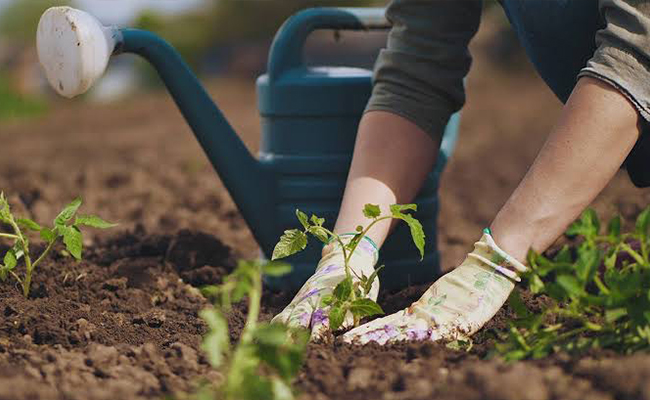
Gardening looks simple, but keeping plants healthy requires understanding their individual needs. Many problems that gardeners experience are not caused by a lack of effort. They happen because plants receive too much water, too little sunlight, unsuitable soil, incorrect fertilizer, or a pot that does not provide enough drainage.
India's climate makes plant care even more interesting. Hot summers can dry containers quickly, monsoon rain can keep soil wet for long periods, and winter conditions can slow plant growth in many regions. Gardening practices that work during one season may need to be adjusted during another.
Beginners also commonly make mistakes such as placing plants in the wrong amount of sunlight, choosing oversized pots, pruning at the wrong time, overusing fertilizers, or ignoring early signs of pests and disease.
This guide covers the most common gardening mistakes in India and provides practical ways to avoid them so your plants can grow stronger and healthier throughout the year.
IN THIS ARTICLE
- Overwatering Plants
- Underwatering Plants
- Ignoring Sunlight Requirements
- Using Pots Without Proper Drainage
- Using Pots That Are Too Large
- Keeping Plants in Pots That Are Too Small
- Using the Wrong Soil
- Overusing Fertilizer
- Incorrect Pruning
- Ignoring Weeds
- Ignoring Pests and Diseases
- Overcrowding Plants
- Ignoring Seasonal Changes
- Repotting at the Wrong Time
- Using Mulch Incorrectly
- Buying Unhealthy Plants
- Not Following a Consistent Routine
- Biggest Mistakes Beginners Should Avoid
- Gardening Mistake Prevention Checklist
- Frequently Asked Questions
1. Overwatering Plants
Overwatering is one of the most common problems in home gardening. Many beginners assume that giving plants more water will make them grow faster. However, constantly wet soil can reduce air availability around roots and create conditions that encourage root problems.
The amount of water a plant needs depends on its species, pot size, soil mix, temperature, humidity, sunlight, and season. A plant that needs frequent watering during a hot summer may need considerably less during a cooler or rainy period.
Signs You May Be Overwatering
- Soil remains wet for an unusually long time.
- Leaves turn yellow or begin dropping.
- The plant appears weak despite frequent watering.
- There is a musty smell from consistently wet soil.
- Drainage from the pot is poor.
How to Avoid It
Check the moisture of the growing medium before watering rather than following a rigid daily schedule. Make sure the container has suitable drainage and adjust watering according to weather and plant needs.
2. Underwatering Plants
Underwatering is another common problem, especially during hot Indian summers. Plants growing in small containers, terracotta pots, or exposed balconies may lose moisture quickly.
Common Signs
- Leaves become limp or wilted.
- Leaf edges become dry or brown.
- Soil pulls away from the sides of the container.
- The pot feels unusually light.
How to Avoid It
Check containers more frequently during hot, dry, or windy weather. Water thoroughly when the plant requires it rather than giving only a very small amount every day.
3. Ignoring Sunlight Requirements
Every plant has its own light requirements. Some plants need several hours of direct sunlight, while others perform better in bright indirect light or partial shade.
| Problem | Possible Result | Better Approach |
|---|---|---|
| Too Little Light | Weak or stretched growth | Move the plant toward a suitable brighter location |
| Too Much Direct Sun | Leaf scorch or stress in sensitive plants | Provide appropriate shade or filtered light |
| Wrong Placement | Poor growth | Match location to the plant's light requirement |
Before buying a plant, understand whether it prefers full sun, partial shade, or indirect light. This is particularly important for balconies and indoor gardens where light conditions can vary significantly.
4. Using Pots Without Proper Drainage
A decorative pot may look beautiful, but if it does not allow excess water to escape, it may create problems for the plant. Most container plants benefit from an appropriate drainage system.
- Check for drainage holes before planting.
- Keep drainage holes free from blockage.
- Use a suitable potting mix.
- Do not allow containers to sit permanently in standing water.
- Use decorative outer pots around functional nursery pots when appropriate.
A thick layer of gravel at the bottom of a pot should not be treated as a replacement for proper drainage. Good container drainage depends on the pot design, unobstructed drainage holes, and a suitable growing medium.
5. Using Pots That Are Too Large
Choosing the biggest pot available is not always better. A very large container can hold a large volume of growing medium, which may remain wet for longer than the plant requires.
Choose a container that provides appropriate room for the current root system and expected growth. When repotting, a moderate increase in container size is generally more practical than moving a small plant into an enormous pot.
6. Keeping Plants in Pots That Are Too Small
The opposite mistake is keeping a rapidly growing plant in a container that has become too small. Restricted root space can make it difficult for the plant to maintain healthy growth.
Signs the Pot May Be Too Small
- Roots are visible through drainage holes.
- Roots have filled most of the container.
- The plant becomes unstable.
- The growing medium dries unusually quickly.
- The plant has clearly outgrown the container.
Repot when the plant actually needs more space rather than following an arbitrary calendar.
7. Using the Wrong Soil
Different plants have different soil requirements. Using heavy garden soil in every container can create poor drainage and compact over time, while a mix that drains too quickly may not provide enough moisture for plants that require it.
For Container Plants
Use a quality growing medium that provides appropriate drainage, aeration, moisture retention, and support for the plant.
Match the Mix to the Plant
Succulents, vegetables, flowering plants, herbs, and indoor foliage may perform best in different growing conditions. Avoid assuming that one soil mix is ideal for every plant.
8. Overusing Fertilizer
Fertilizer provides nutrients, but using more than recommended does not automatically make plants grow faster. Excess fertilizer can contribute to salt buildup and plant stress.
- Follow the product's recommended dosage.
- Do not assume more fertilizer means faster growth.
- Consider the plant's growth stage.
- Avoid unnecessary fertilization when plants are stressed.
- Water and feed according to the plant's actual requirements.
A healthy growing medium, appropriate light, correct watering, and suitable temperature are just as important as nutrients.
9. Incorrect Pruning
Pruning can encourage healthy growth and improve the appearance of many plants, but cutting too much or using unsuitable tools can cause unnecessary stress.
Common Pruning Mistakes
- Removing too much growth at once.
- Using blunt or unsuitable cutting tools.
- Cutting healthy growth without a reason.
- Ignoring the plant's natural growth pattern.
- Pruning without understanding when the plant flowers or fruits.
Better Approach
Use clean, sharp pruning shears and understand the growth habit of the plant before making major cuts.
10. Ignoring Weeds
Weeds compete with garden plants for space, water, light, and nutrients. Allowing them to become established can make removal more difficult.
- Inspect garden beds regularly.
- Remove small weeds before they become established.
- Be careful when weeding around young seedlings.
- Keep containers and surrounding areas reasonably clean.
11. Ignoring Pests and Diseases
Small pest or disease problems can become much harder to manage when they are ignored. Regularly inspect both sides of leaves, stems, new growth, and the soil surface.
| Sign | What to Check | First Step |
|---|---|---|
| Sticky Leaves | Aphids, scale, or other sap-feeding pests | Inspect closely and isolate affected plants if needed |
| Webbing | Possible mite activity | Inspect leaves and growing conditions |
| Spots or Discoloration | Possible disease or environmental stress | Check watering, airflow, light, and plant symptoms |
| Sudden Wilting | Water, root, pest, or environmental problems | Check soil moisture and roots before treating |
12. Overcrowding Plants
It can be tempting to place many plants together to create a lush garden. However, overcrowding can reduce airflow and make plant care more difficult.
- Give plants appropriate spacing.
- Consider the mature size of each plant.
- Avoid blocking airflow around dense foliage.
- Make sure each plant receives suitable light.
- Leave enough room to water and inspect plants.
13. Ignoring Seasonal Changes
Plant care should change with the weather. One of the biggest mistakes is following exactly the same watering and maintenance routine throughout the year.
| Season | Common Risk | What to Monitor |
|---|---|---|
| Summer | Heat and rapid moisture loss | Soil moisture, heat exposure, watering needs |
| Monsoon | Excess moisture and humidity | Drainage, airflow, pests, and fungal problems |
| Winter | Slower growth and reduced evaporation | Watering frequency and light |
| Spring | Rapid growth | New growth, watering, feeding, and repotting |
14. Repotting at the Wrong Time
Repotting can refresh the growing medium and provide additional root space, but moving a plant unnecessarily can create stress.
Instead of repotting simply because a certain amount of time has passed, inspect the plant. Look for roots filling the container, roots growing from drainage holes, poor stability, or a clear need for more growing space.
Avoid moving a small plant into a very large container just to postpone future repotting.
15. Using Mulch Incorrectly
Mulch can help protect soil, reduce evaporation, and suppress some weeds, but it should be applied correctly. Piling mulch directly against stems or trunks can create an overly moist environment around the plant base.
- Keep mulch away from the plant stem or trunk.
- Do not create an excessively thick layer.
- Use suitable organic or inorganic mulch for the location.
- Monitor moisture underneath the mulch before watering.
16. Buying Unhealthy Plants
A healthy start can make plant care much easier. Beginners sometimes choose plants because of attractive flowers or large foliage without checking the overall condition of the plant.
Before Buying, Check:
- Leaves for unusual spots or widespread damage.
- Stems for signs of weakness or damage.
- Soil for excessive moisture or visible pests.
- New growth for healthy development.
- The overall structure of the plant.
17. Not Following a Consistent Gardening Routine
Plants benefit from consistent observation. You do not need to spend hours every day in the garden, but regularly checking plants can help you identify problems before they become severe.
| Task | What to Check |
|---|---|
| Plant Inspection | Leaves, stems, new growth, and pests |
| Watering | Soil moisture and plant requirements |
| Pruning | Dead, damaged, or unwanted growth |
| Weeding | New weeds in garden beds and containers |
| Soil | Compaction, drainage, and moisture |
Biggest Gardening Mistakes Beginners Should Avoid
If you are new to gardening, focus on avoiding the mistakes that have the biggest impact on plant health. You do not need to become an expert immediately. Start by understanding the basics of water, light, soil, drainage, and plant-specific care.
| Mistake | Better Habit |
|---|---|
| Watering every day automatically | Check soil moisture first |
| Keeping every plant in direct sunlight | Match light to the plant |
| Using one soil mix for everything | Choose a suitable growing medium |
| Choosing oversized pots | Match container size to root growth |
| Adding excessive fertilizer | Follow product recommendations |
| Ignoring pests | Inspect plants regularly |
| Ignoring seasons | Adjust care according to weather |
Gardening Mistake Prevention Checklist
| Check | Question | Why It Matters |
|---|---|---|
| ✓ | Does the plant receive the right amount of light? | Supports healthy growth |
| ✓ | Does the pot drain properly? | Helps prevent excess moisture |
| ✓ | Is the soil suitable for the plant? | Supports roots and moisture management |
| ✓ | Am I checking soil before watering? | Helps avoid overwatering |
| ✓ | Is the pot the appropriate size? | Provides suitable root space |
| ✓ | Am I using fertilizer according to instructions? | Reduces risk of overfertilization |
| ✓ | Have I checked for pests recently? | Helps identify problems early |
| ✓ | Have I adjusted care for the current season? | Weather changes plant requirements |
Frequently Asked Questions
Q1. What is the most common gardening mistake in India?
Q2. How often should I water my plants in India?
Q3. Why are my plant leaves turning yellow?
Q4. Why are my plants not growing despite watering them regularly?
Q5. Can too much sunlight damage plants?
Q6. Is a bigger pot always better for plants?
Q7. How can I prevent root problems in potted plants?
Q8. Should I fertilize my plants more during summer?
Q9. What should I do if I find pests on my plants?
Q10. How can beginners avoid gardening mistakes?
Author Bio
Written by the Blooming Den Gardening Team – Verified plant experts helping urban India go green since 2025. We deliver plants, supplies, and professional care to your doorstep.