
Composting at Home Made Easy: A Beginner's Guide to Turning Kitchen Waste into Garden Gold
Composting is one of the easiest and most rewarding ways to reduce household waste while creating nutrient-rich soil for your garden. Instead of throwing away fruit peels, vegetable scraps, dried leaves, and other organic materials, you can recycle them into natural compost that improves soil fertility and supports healthier plant growth.
Whether you have a backyard, balcony garden, rooftop garden, or even a few indoor plants, composting can easily become part of your gardening routine. This beginner-friendly guide explains how composting works, what materials you can use, different composting methods, and simple tips to create high-quality compost at home.
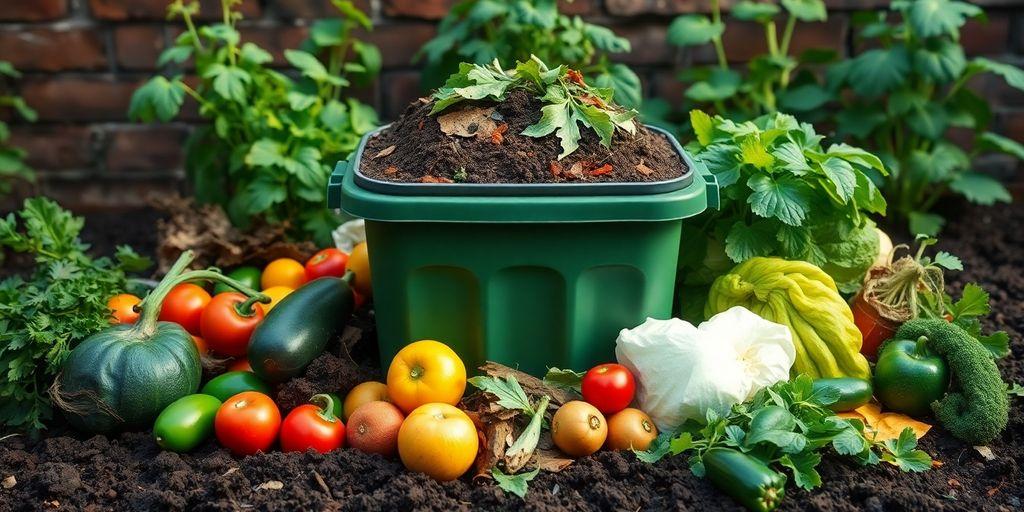
What Is Composting?
Composting is the natural process of breaking down organic materials into a dark, nutrient-rich substance known as compost. Microorganisms, moisture, oxygen, and time work together to convert kitchen scraps and garden waste into valuable organic matter that improves soil structure and plant health.
Instead of sending biodegradable waste to landfills, composting returns valuable nutrients back to the soil. This simple practice supports sustainable gardening while reducing household waste and creating a healthier environment.
Home composting is suitable for beginners and can be practiced in apartments, independent houses, community gardens, and rooftop gardens with minimal equipment.
Benefits of Home Composting
- Reduces household organic waste.
- Creates nutrient-rich compost for healthier plants.
- Improves soil structure and fertility.
- Supports sustainable and eco-friendly gardening.
- Helps retain soil moisture naturally.
- Reduces the need for synthetic fertilizers.
- Encourages beneficial soil organisms.
- Suitable for gardens of every size.
Why Every Gardener Should Compost
Composting transforms everyday waste into one of the most valuable resources for your garden. Instead of purchasing additional soil amendments, gardeners can produce their own natural compost using materials that would otherwise be discarded.
Even a small compost bin can supply enough compost for indoor plants, herbs, balcony gardens, vegetable containers, and flower beds, making composting an excellent habit for every gardener.
Materials Commonly Used for Composting
| Material | Suitable for Compost? |
|---|---|
| Fruit peels | Yes |
| Vegetable scraps | Yes |
| Dry leaves | Yes |
| Grass clippings | Yes |
| Coffee grounds | Yes |
| Tea leaves | Yes |
1. What Can You Compost?
Successful composting begins with adding the right materials. Most fruit and vegetable waste, dried garden materials, and certain household organic waste break down naturally into nutrient-rich compost. A balanced mix of green materials (rich in nitrogen) and brown materials (rich in carbon) creates ideal conditions for decomposition.
Cutting larger scraps into smaller pieces speeds up decomposition and helps create finished compost more quickly. Regularly mixing different compost materials also improves airflow and encourages beneficial microorganisms to work efficiently.
Excellent Compost Materials
- Fruit peels and vegetable scraps.
- Coffee grounds.
- Used tea leaves.
- Dry leaves and small twigs.
- Grass clippings.
- Crushed eggshells.
2. What Should You Avoid Composting?
While many organic materials can be composted, some household waste is better kept out of home compost bins. Certain materials may attract pests, produce unpleasant odors, or slow the composting process. Knowing what to avoid helps maintain a healthy compost pile and produces higher-quality compost.
| Material | Recommended for Home Compost? |
|---|---|
| Cooked food leftovers | Avoid |
| Meat and fish scraps | Avoid |
| Dairy products | Avoid |
| Plastic, glass, or metal | Never compost |
| Chemically treated wood | Avoid |
3. Different Home Composting Methods
There are several ways to compost at home depending on the available space and the amount of organic waste you generate. Backyard compost bins are ideal for larger gardens, while compact composters work well for balconies and apartments. The best method is one that fits your lifestyle and encourages regular composting.
Beginners should choose a simple composting system that is easy to maintain. Consistent addition of compost materials and occasional mixing are more important than using complex equipment.
Popular Composting Methods
- Outdoor compost bins.
- Compost tumblers.
- Balcony compost containers.
- Covered compost buckets.
- Community composting programs.
4. How to Maintain a Healthy Compost Bin
A healthy compost pile needs the right balance of moisture, airflow, and organic materials. The compost should remain slightly damp but not overly wet. Turning or mixing the pile occasionally introduces oxygen, helping beneficial microorganisms break down materials more efficiently.
Regularly adding both green and brown materials while avoiding unsuitable waste helps produce dark, crumbly compost that is ready to improve your garden soil and support healthy plant growth.
5. How Long Does Compost Take to Be Ready?
The time required to produce finished compost depends on the composting method, the materials used, moisture levels, temperature, and how often the compost is turned. With proper care, home compost can be ready within a few months, while slower composting methods may take longer.
Regularly turning the compost pile, maintaining the correct moisture level, and using a balanced mixture of green and brown materials help speed up decomposition and produce high-quality compost more efficiently.
Signs Your Compost Is Ready
- Dark brown or black in color.
- Crumbly, loose texture.
- Pleasant earthy smell.
- Original food scraps are no longer recognizable.
- Easy to mix into garden soil.
6. How to Use Finished Compost in Your Garden
Finished compost is one of the most valuable natural soil conditioners available to home gardeners. It improves soil structure, increases water retention, supports healthy root development, and provides slow-release nutrients that benefit flowers, vegetables, herbs, shrubs, and indoor plants.
Compost can be mixed into garden beds before planting, added around existing plants as a top dressing, blended into potting mixes, or incorporated into raised beds to improve long-term soil fertility.
| Garden Area | How to Use Compost |
|---|---|
| Flower Beds | Mix into the top layer of soil before planting. |
| Vegetable Garden | Blend with existing soil each growing season. |
| Indoor Plants | Mix small amounts with potting soil. |
| Trees and Shrubs | Apply around the base as an organic soil amendment. |
Composting Tips for Beginners
Home composting is simple when you focus on consistency rather than perfection. Add suitable organic materials regularly, maintain proper moisture, and allow nature to do most of the work. Small compost bins can produce enough compost to support herbs, vegetables, flowers, and indoor plants throughout the year.
Even if you generate only a small amount of kitchen waste, composting reduces household waste while creating a valuable resource that benefits every part of your garden.
Beginner Composting Tips
- Use a balanced mix of green and brown materials.
- Keep the compost slightly moist.
- Turn the compost every one to two weeks.
- Cut larger scraps into smaller pieces.
- Be patient and let decomposition happen naturally.
- Harvest finished compost when it becomes dark and crumbly.
Why Composting Is Essential for Sustainable Gardening
Composting is one of the simplest ways to create a sustainable garden. It reduces household waste, improves soil health, conserves natural resources, and decreases dependence on synthetic fertilizers. Every batch of homemade compost contributes to healthier plants while supporting environmentally responsible gardening practices.
Whether you maintain a balcony garden, rooftop garden, backyard landscape, or indoor plant collection, composting helps create stronger plants, richer soil, and a healthier environment for future generations.
Common Composting Mistakes and How to Avoid Them
Composting is simple, but beginners often make small mistakes that slow down decomposition or reduce compost quality. Fortunately, these issues are easy to fix. By maintaining the right balance of materials, moisture, and airflow, you can produce rich, healthy compost throughout the year.
| Common Mistake | Better Practice |
|---|---|
| Adding too much wet waste | Balance green materials with dry leaves and paper. |
| Ignoring airflow | Turn the compost regularly to provide oxygen. |
| Keeping the compost too dry | Maintain a slightly damp, sponge-like moisture level. |
| Adding unsuitable materials | Use only recommended compostable organic waste. |
| Expecting instant results | Allow enough time for natural decomposition. |
Easy Ways to Improve Compost Quality
High-quality compost develops when microorganisms have the right environment to break down organic matter efficiently. Simple maintenance habits improve decomposition, reduce unpleasant odors, and produce compost that is rich in nutrients for healthier plants.
- Alternate green and brown compost materials.
- Chop large kitchen scraps into smaller pieces.
- Turn the compost pile every one to two weeks.
- Keep the compost moist but never waterlogged.
- Cover the compost during heavy rainfall.
- Harvest finished compost regularly.
- Continue adding fresh compost materials throughout the year.
- Store finished compost in a dry place until needed.
Frequently Asked Questions
Can I compost in an apartment?
Yes. Compact compost bins and covered compost containers are ideal for balconies, terraces, and apartments with limited space.
Does compost smell bad?
Properly maintained compost should have a fresh, earthy smell. Strong odors usually indicate too much moisture, poor airflow, or unsuitable materials.
Can compost replace fertilizer?
Compost improves soil structure and provides slow-release nutrients, making it an excellent natural soil amendment. Many gardeners use compost as a key part of their regular plant care routine.
Is compost suitable for indoor plants?
Yes. Finished compost can be mixed with potting soil in moderate amounts to improve soil quality and support healthy indoor plant growth.
Turn Everyday Waste into a Valuable Garden Resource
Every fruit peel, vegetable scrap, and handful of dry leaves has the potential to become nutrient-rich compost instead of ending up as waste. Home composting is one of the easiest sustainable gardening habits that benefits both your garden and the environment.
Whether you care for a few indoor plants or manage a large backyard garden, composting helps build healthier soil, stronger plants, and a more sustainable gardening routine. With patience and consistent care, your compost bin will become one of the most valuable tools in your garden.
Home Composting Maintenance Checklist
A successful compost bin requires only a few minutes of attention each week. Regular maintenance keeps the compost healthy, speeds up decomposition, prevents unpleasant odors, and ensures you always have nutrient-rich compost ready for your garden.
| Composting Activity | Recommended Frequency | Benefit |
|---|---|---|
| Add kitchen and garden waste | Daily or as available | Provides fresh organic material for decomposition. |
| Add dry leaves or brown materials | Weekly | Maintains the carbon-to-nitrogen balance. |
| Turn or mix the compost | Every 1–2 weeks | Improves airflow and speeds decomposition. |
| Check moisture level | Weekly | Keeps microorganisms active. |
| Harvest finished compost | Every 2–4 months | Provides nutrient-rich compost for plants. |
Signs Your Compost Bin Is Working Well
Healthy compost develops gradually as microorganisms break down organic materials. Watching for these signs helps you know that your compost pile is progressing correctly and will soon be ready to nourish your garden.
- The compost has a pleasant earthy smell.
- Food scraps gradually disappear.
- The compost becomes dark brown or black.
- The texture becomes soft, crumbly, and loose.
- The compost pile remains slightly warm during active decomposition.
- Plants grow healthier after compost is added to the soil.
- Household organic waste is significantly reduced.
Start Composting Naturally with BloomingDen
BloomingDen helps gardeners build healthier gardens with premium potting mixes, compost-friendly gardening supplies, indoor and outdoor plants, decorative planters, gardening accessories, and expert gardening services. Whether you are starting your first compost bin or improving an established garden, we provide everything you need for sustainable gardening.
Explore our collection of gardening essentials and create nutrient-rich soil naturally while reducing household waste and growing stronger, healthier plants throughout the year.
Conclusion
Home composting is one of the simplest and most effective ways to practice sustainable gardening. By recycling everyday kitchen scraps and garden waste, you can create nutrient-rich compost that improves soil structure, supports healthy plant growth, conserves resources, and reduces the amount of organic waste sent to landfills.
Composting is suitable for every gardener, whether you have a spacious backyard, a rooftop garden, a balcony filled with containers, or just a few indoor plants. With a little patience and regular care, organic waste is transformed into one of the most valuable resources your garden can have.
Start with a small compost bin, use the right mix of compost materials, maintain proper moisture and airflow, and let nature do the rest. Every batch of homemade compost helps create healthier plants, richer soil, and a greener, more sustainable future—one garden at a time.