
DIY Gardening in India 2026: Easy and Affordable Ideas for Your Home Garden
Gardening Made Easy: Learn simple DIY gardening ideas for Indian homes, balconies, terraces, kitchens, and small spaces using recycled containers, homemade compost, plant propagation, vertical gardens, DIY planters, and budget-friendly gardening projects.
Posted: August 14, 2026 | DIY Gardening
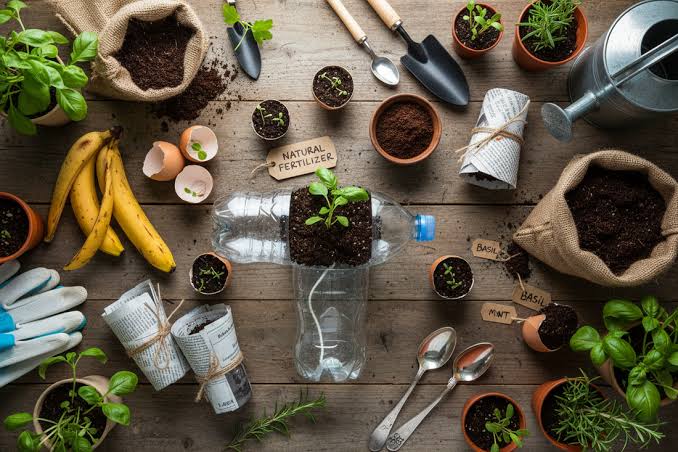
DIY gardening is a simple way to make your home greener while using creativity and everyday materials. You do not need a large garden or expensive gardening products to get started. With a few basic supplies, suitable plants, and some patience, you can create attractive and useful garden projects at home.
In India, DIY gardening works especially well for balconies, terraces, windowsills, courtyards, kitchens, and compact outdoor spaces. Reusing suitable containers, propagating plants, making compost, and creating vertical displays can help reduce gardening costs while making your space more personal.
The best DIY garden projects are not only decorative but also practical. A homemade planter, vertical garden, compost system, plant stand, or propagation station can make gardening easier while adding character to your home.
In this guide, we cover easy DIY gardening ideas in India, including DIY planters, recycled containers, vertical gardens, seed starting, propagation, composting, plant supports, kitchen gardens, balcony projects, and budget-friendly garden decoration.
IN THIS ARTICLE
- How to Start DIY Gardening
- DIY Planter Ideas
- Recycled Container Gardening
- Plastic Bottle Planters
- DIY Kitchen Garden
- DIY Vertical Garden
- DIY Hanging Planters
- DIY Plant Shelves
- DIY Plant Propagation
- DIY Seed Starting
- DIY Composting at Home
- DIY Natural Plant Nutrition
- DIY Plant Supports
- DIY Mulching Ideas
- DIY Balcony Garden Ideas
- DIY Terrace Garden Ideas
- DIY Garden Decoration
- Budget DIY Gardening Ideas
- Common DIY Gardening Mistakes
- DIY Gardening Checklist
- Frequently Asked Questions
How to Start DIY Gardening
Start with one small project rather than trying to build an entire garden at once. Choose a project that matches the space you have and the plants you want to grow.
Before buying anything, check what you already have at home. Suitable containers, shelves, wooden boxes, jars, bottles, and other materials may be useful for DIY gardening projects.
| Step | What to Do |
|---|---|
| 1. Check Your Space | Understand sunlight, space, and drainage |
| 2. Choose a Project | Start with a simple planter or plant display |
| 3. Reuse Materials | Look for suitable items already available at home |
| 4. Choose Plants | Select plants suitable for your conditions |
| 5. Expand Gradually | Add new DIY projects as your garden grows |
DIY Planter Ideas
DIY planters are one of the easiest ways to personalize a garden. You can transform suitable household items into attractive plant containers instead of purchasing decorative pots for every plant.
- Reuse suitable buckets as large planters.
- Turn wooden boxes into plant containers.
- Use suitable cans for small plants after proper preparation.
- Decorate plain terracotta pots with simple designs.
- Create small planters for herbs and seedlings.
- Build simple planter boxes for balconies and terraces.
Any container used for growing plants should be clean, structurally suitable, and appropriately sized. Containers used for most plants should also provide suitable drainage.
Recycled Container Gardening
Reusing household containers can reduce waste and make gardening more affordable. Before repurposing an item, make sure the material is safe and suitable for the intended use.
| Reused Item | Possible Garden Use | Important Point |
|---|---|---|
| Wooden Box | Planter or plant storage | Protect against excessive moisture and rot |
| Bucket | Large container plant | Ensure suitable drainage |
| Food Container | Seedlings or small plants | Clean thoroughly before use |
| Glass Jar | Suitable propagation or decorative use | Handle carefully and account for drainage needs |
Plastic Bottle Planters
Clean plastic bottles can sometimes be repurposed into small planters for herbs, seedlings, or compact plants. They are especially useful for simple balcony and vertical gardening projects.
Step 1: Clean the Bottle
Wash the container thoroughly and remove any remaining contents or residue.
Step 2: Prepare the Container
Create suitable drainage openings and prepare the bottle according to the type of planter you want to make.
Step 3: Add Growing Medium
Fill the container with a suitable growing medium for the selected plant.
Step 4: Add the Plant
Plant a suitable seedling or propagated plant and place the container where it receives appropriate light.
DIY Kitchen Garden
A DIY kitchen garden can provide fresh herbs and selected vegetables while making productive use of small spaces. Containers, grow bags, recycled planters, and simple shelves can all be useful.
- Start with a few herbs suitable for your climate.
- Use containers with appropriate drainage.
- Grow plants according to their sunlight requirements.
- Use seeds or suitable propagated plants.
- Harvest regularly where appropriate.
- Keep edible plants away from contaminated materials.
DIY Vertical Garden
A DIY vertical garden is a practical solution for Indian apartments, balconies, and small terraces. Instead of using only floor space, you can use walls, shelves, trellises, and secure hanging systems.
| DIY Method | Suitable Space |
|---|---|
| Wall Planters | Balconies and suitable outdoor walls |
| Plant Shelves | Balconies, terraces, and indoor spaces |
| Trellis | Climbing plants |
| Hanging Planters | Suitable secure overhead locations |
Always check the strength of walls, brackets, hooks, shelves, and supports before installing plants or heavy wet containers.
DIY Hanging Planters
Hanging planters can save floor space and add another layer of greenery to a balcony, terrace, or outdoor area. Choose lightweight containers where appropriate and use strong, weather-suitable hanging hardware.
- Use suitable lightweight containers.
- Choose secure hooks and supports.
- Place hanging plants where they receive suitable light.
- Make sure water drainage does not damage walls or floors.
- Keep heavy containers at safe heights.
DIY Plant Shelves
A simple plant shelf can organize several small plants vertically and make a compact garden look more structured. Wooden shelves, metal stands, or suitable reused furniture can work when they are stable and appropriate for the environment.
Place larger and heavier pots on lower levels and smaller containers on higher levels. Keep enough space between plants so that each one can receive the required light and airflow.
DIY Plant Propagation
Propagation is one of the best DIY gardening activities because it lets you create additional plants from suitable existing plants. Depending on the species, propagation may involve stem cuttings, leaf cuttings, division, or other methods.
| Propagation Method | How It Works |
|---|---|
| Stem Cutting | A suitable stem section is used to produce a new plant |
| Leaf Propagation | Suitable leaves can produce new plants in certain species |
| Division | Suitable clumping plants are separated into sections |
Propagation methods vary by plant. Use a technique appropriate for the particular species rather than applying the same method to every plant.
DIY Seed Starting
Starting plants from seeds can be an affordable DIY gardening project. Small containers or suitable seed trays can be used to start seedlings before transplanting them into larger pots or garden beds.
- Choose seeds suitable for your season and local conditions.
- Use clean containers with appropriate drainage.
- Fill them with a suitable seed-starting medium.
- Sow seeds according to their requirements.
- Provide appropriate moisture and light.
- Transplant healthy seedlings when they are ready.
DIY Composting at Home
Composting is a useful DIY gardening project that converts suitable organic waste into compost. It can reduce household waste while providing organic matter for gardening.
Choose a Composting Space
Select a suitable container or composting area with enough airflow and space for the method you choose.
Add Suitable Organic Material
Fruit and vegetable scraps, dry leaves, and other appropriate organic materials can be used depending on your composting method.
Maintain Moisture and Airflow
Compost needs suitable moisture and oxygen to decompose effectively. Avoid creating conditions that remain excessively wet or compacted.
DIY Natural Plant Nutrition
Homemade compost can be a useful source of organic matter. However, homemade plant remedies should not automatically be treated as complete fertilizers. Plants have different nutrient requirements, and excessive or unsuitable applications can cause problems.
- Use mature compost where appropriate.
- Avoid applying unknown household substances directly to plants.
- Do not overapply homemade mixtures.
- Observe plant health before adding additional nutrients.
- Use a suitable commercial fertilizer when a specific nutrient need is identified.
DIY Plant Supports
Some climbing and tall plants need support to grow properly. Simple trellises, stakes, frames, and supports can be made from suitable materials.
| DIY Support | Possible Use |
|---|---|
| Bamboo Stakes | Supporting suitable tall plants |
| Simple Trellis | Climbing plants |
| String Support | Suitable lightweight climbers |
| Plant Frame | Structured climbing support |
DIY Mulching Ideas
Mulching can help conserve soil moisture and reduce weed growth in suitable outdoor gardens. Organic materials such as dry leaves can be used when appropriate and when they are clean and free from disease.
- Use clean, dry organic material where appropriate.
- Keep mulch away from direct contact with plant stems.
- Do not use diseased plant material as mulch.
- Maintain an appropriate mulch depth.
DIY Balcony Garden Ideas
A balcony is an excellent place to experiment with DIY gardening. Vertical displays, recycled containers, hanging planters, and compact shelves can help create a green space without requiring much floor area.
- Create a DIY vertical plant wall.
- Use suitable recycled containers.
- Build a compact plant shelf.
- Add secure hanging planters.
- Grow herbs in small containers.
- Create a small propagation station.
DIY Terrace Garden Ideas
Terraces offer more space for DIY gardening projects, but they also receive strong sunlight, heat, wind, and monsoon rainfall in many parts of India. Use durable materials and plan drainage carefully.
| DIY Project | Benefit |
|---|---|
| Grow Bag Garden | Practical for vegetables and herbs |
| Vertical Garden | Uses vertical space |
| DIY Plant Stand | Organizes containers |
| Composting Area | Recycles suitable organic waste |
Before installing heavy structures or placing many large containers on a terrace, consider the building's structural and safety requirements.
DIY Garden Decoration
DIY decorations can make a garden feel more personal without requiring expensive accessories. Focus on simple elements that complement the plants rather than creating unnecessary clutter.
- Paint suitable terracotta pots.
- Create simple plant labels.
- Build a basic garden sign.
- Reuse suitable wooden pieces for decoration.
- Create a simple plant display wall.
- Add suitable outdoor lighting.
Budget DIY Gardening Ideas
DIY gardening can reduce costs, but the goal should be to reuse materials safely rather than choosing the cheapest possible option. Spend money on essential items such as suitable growing medium, healthy plants, and safe tools when necessary.
| Project | Money-Saving Approach |
|---|---|
| Planters | Reuse suitable containers |
| New Plants | Propagate suitable plants |
| Compost | Compost suitable organic waste at home |
| Plant Stand | Repurpose suitable furniture or materials |
| Decoration | Make simple decorations instead of buying them |
Common DIY Gardening Mistakes
| Mistake | Better Approach |
|---|---|
| Using containers without drainage | Provide suitable drainage for plants that require it |
| Using dirty containers | Clean and prepare reused containers properly |
| Choosing unsuitable materials | Select safe and durable materials |
| Making unstable plant stands | Build stable structures capable of handling the load |
| Overcrowding plants | Give plants appropriate space and airflow |
| Using homemade remedies excessively | Use only suitable treatments and avoid overapplication |
| Ignoring safety | Secure shelves, hooks, containers, and structures properly |
DIY Gardening Checklist
| Check | Question | Why It Matters |
|---|---|---|
| ✓ | Have I checked my available space and sunlight? | Helps select suitable projects and plants |
| ✓ | Can I reuse materials already at home? | Can reduce unnecessary spending |
| ✓ | Are my DIY containers clean and suitable? | Helps create a safer growing environment |
| ✓ | Does each planter have suitable drainage? | Helps prevent water-related problems |
| ✓ | Are shelves and hanging planters secure? | Improves garden safety |
| ✓ | Am I choosing plants suitable for my conditions? | Improves the chance of successful growth |
| ✓ | Am I expanding the DIY garden gradually? | Keeps projects manageable |
Frequently Asked Questions
Q1. What is DIY gardening?
Q2. What is the easiest DIY gardening project for beginners?
Q3. Can I make DIY planters from household items?
Q4. How can I make a DIY garden at home?
Q5. How can I make a DIY vertical garden?
Q6. Can DIY gardening save money?
Q7. What DIY gardening ideas are good for balconies?
Q8. Can I make compost at home?
Q9. How can I make DIY plant supports?
Q10. What should beginners avoid in DIY gardening?
Author Bio
Written by the Blooming Den Gardening Team – Verified plant experts helping urban India go green since 2025. We deliver plants, supplies, and professional care to your doorstep.