
Eco-Friendly Gardening Guide: Sustainable Practices for a Greener Garden
Gardening is one of the simplest ways to connect with nature, and adopting eco-friendly gardening practices makes that connection even more meaningful. Sustainable gardening focuses on reducing waste, conserving natural resources, supporting biodiversity, and creating healthy gardens that thrive while minimizing their environmental impact.
Whether you maintain a backyard garden, balcony garden, rooftop garden, or indoor plant collection, small changes in your gardening routine can make a significant difference. From composting kitchen waste and conserving water to planting native species and reducing plastic use, every eco-friendly choice contributes to a healthier environment. This guide explores practical sustainable gardening techniques that help both your garden and the planet flourish.
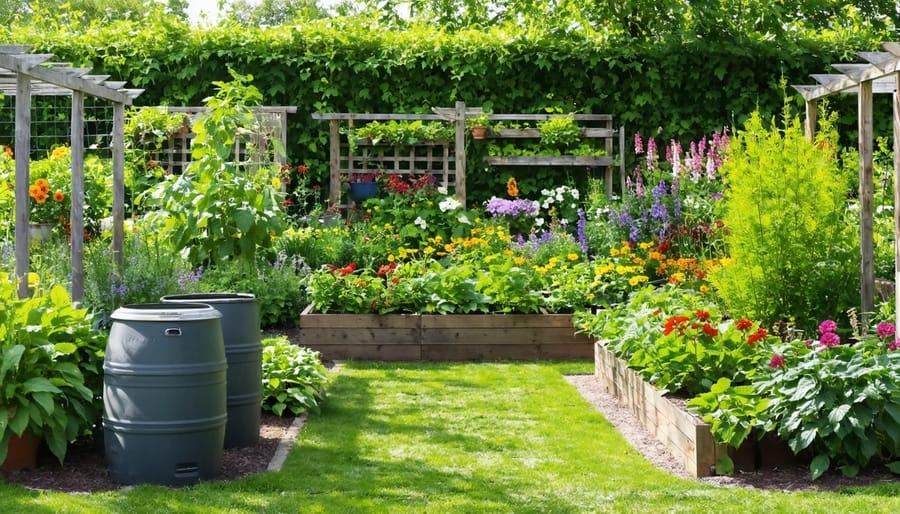
What Is Eco-Friendly Gardening?
Eco-friendly gardening is the practice of growing and maintaining plants using environmentally responsible methods. It emphasizes conserving water, improving soil health, reducing waste, supporting local biodiversity, and making thoughtful choices that protect natural ecosystems.
Sustainable gardening does not require expensive equipment or major lifestyle changes. Simple habits such as composting, reusing containers, planting native species, and choosing organic gardening methods can significantly reduce the environmental footprint of your garden while encouraging healthier plant growth.
Whether you are a beginner or an experienced gardener, adopting eco-friendly practices creates a beautiful garden that supports wildlife, conserves resources, and remains productive for years to come.
Benefits of Eco-Friendly Gardening
- Conserves water through efficient gardening practices.
- Reduces household and garden waste.
- Supports birds, butterflies, bees, and beneficial insects.
- Improves long-term soil health.
- Encourages biodiversity with native plants.
- Creates healthier gardens with sustainable techniques.
- Reduces dependence on single-use materials.
- Contributes to a cleaner and greener environment.
Every Garden Can Be Sustainable
Eco-friendly gardening is suitable for every type of garden. Apartment balconies, rooftop gardens, backyard landscapes, community gardens, and even indoor plant collections can benefit from sustainable gardening methods. Every small improvement contributes to a healthier environment.
By making thoughtful gardening choices today, homeowners help preserve natural resources while creating beautiful outdoor spaces that future generations can continue to enjoy.
Core Principles of Sustainable Gardening
| Sustainable Practice | Environmental Benefit |
|---|---|
| Composting | Recycles organic household waste into nutrient-rich compost. |
| Water Conservation | Reduces unnecessary water consumption. |
| Native Plants | Supports local biodiversity and wildlife. |
| Container Reuse | Minimizes plastic waste and encourages recycling. |
1. Compost Kitchen and Garden Waste
Composting is one of the easiest and most effective eco-friendly gardening practices. Instead of sending organic waste to landfills, fruit peels, vegetable scraps, coffee grounds, dried leaves, and grass clippings can be transformed into nutrient-rich compost that naturally improves soil quality.
Homemade compost enriches garden soil, supports healthy plant growth, and reduces household waste. Whether you have a large backyard or a small balcony garden, composting can be adapted to fit almost any available space.
Materials Suitable for Composting
- Fruit and vegetable peels.
- Coffee grounds and tea leaves.
- Dried leaves.
- Grass clippings.
- Small untreated plant trimmings.
2. Conserve Water While Gardening
Water conservation is a key principle of sustainable gardening. Careful watering practices help plants remain healthy while reducing unnecessary water use. Watering early in the morning or during the evening allows moisture to soak into the soil before it evaporates in the heat of the day.
Collecting rainwater, using mulch around plants, selecting drought-tolerant species, and watering only when necessary are simple methods that make gardens more environmentally responsible.
| Water-Saving Practice | Benefit |
|---|---|
| Morning watering | Reduces evaporation. |
| Mulching | Helps retain soil moisture. |
| Rainwater collection | Uses natural water resources. |
| Watering only when needed | Prevents water waste and overwatering. |
3. Grow Native Plants
Native plants naturally adapt to local climates and growing conditions, making them an excellent choice for eco-friendly gardens. They generally require less maintenance and help create habitats for birds, butterflies, bees, and other beneficial wildlife.
Combining native species with ornamental flowers and shrubs creates attractive landscapes that support biodiversity while reducing the need for intensive maintenance. Native plants also help preserve regional ecosystems by encouraging local wildlife to thrive.
Wildlife-Friendly Native Plants
- Marigold
- Hibiscus
- Jasmine
- Ixora
- Lantana
- Sunflower
4. Reuse and Recycle Gardening Materials
Sustainable gardening encourages reusing containers, planters, and household materials whenever possible. Old buckets, wooden crates, glass jars, metal containers, and unused pots can often be repurposed into attractive plant containers instead of being discarded.
Reusing gardening materials helps reduce waste while adding character and creativity to your garden. It is an easy way to minimize environmental impact while creating unique and attractive planting displays.
5. Support Birds, Butterflies, and Beneficial Wildlife
An eco-friendly garden is designed to support local biodiversity. By planting a variety of flowering plants, shrubs, herbs, and native species, you create habitats where birds, butterflies, bees, and other beneficial wildlife can find food, shelter, and water throughout the year.
Simple additions such as bird baths, flowering borders, butterfly-friendly plants, and small shrubs make gardens more welcoming while encouraging a healthy balance between plants and wildlife. Every garden, regardless of size, can contribute to protecting local ecosystems.
Wildlife-Friendly Gardening Ideas
- Plant flowers that bloom throughout the year.
- Install a shallow bird bath.
- Grow native flowering shrubs.
- Leave small natural shelter areas.
- Create butterfly-friendly flower beds.
6. Reduce Plastic Use in the Garden
Reducing plastic waste is another important step toward sustainable gardening. Choosing reusable pots, durable watering cans, biodegradable seedling trays, and long-lasting gardening tools helps reduce the amount of single-use plastic entering the environment.
Reusing existing containers and selecting high-quality gardening supplies that last for many years minimizes waste while creating a cleaner and more environmentally responsible garden.
| Eco-Friendly Alternative | Environmental Benefit |
|---|---|
| Reusable ceramic pots | Reduce plastic waste. |
| Terracotta planters | Long-lasting and reusable. |
| Metal watering cans | Durable and environmentally friendly. |
| Biodegradable seed trays | Reduce disposable plastic use. |
How to Start an Eco-Friendly Garden
Creating a sustainable garden begins with small, practical improvements. Start by selecting native plants, composting organic waste, conserving water, and choosing reusable gardening materials. As your garden grows, you can introduce additional eco-friendly practices such as rainwater collection, wildlife habitats, and seasonal planting.
Eco-friendly gardening is a gradual journey rather than an overnight transformation. Every sustainable choice contributes to healthier plants, richer soil, and a more environmentally responsible garden that benefits both people and nature.
Beginner-Friendly Sustainable Garden Plants
- Marigold
- Sunflower
- Hibiscus
- Jasmine
- Lemongrass
- Mint
- Tulsi (Holy Basil)
- Aloe Vera
Simple Sustainable Gardening Tips
Healthy eco-friendly gardens rely on consistent care rather than excessive maintenance. Water responsibly, enrich the soil with compost, prune plants when necessary, reuse gardening materials whenever possible, and continue adding diverse plant species that support wildlife and improve biodiversity.
Small sustainable habits practiced regularly create lasting environmental benefits while making your garden healthier, more productive, and enjoyable throughout every season.
Common Mistakes in Eco-Friendly Gardening
Sustainable gardening is most successful when environmentally friendly practices are applied consistently. Many gardeners unintentionally reduce the effectiveness of their eco-friendly efforts by overlooking simple maintenance or choosing practices that are not suitable for their garden. Avoiding these common mistakes helps create a healthier, more sustainable landscape.
| Common Mistake | Better Practice |
|---|---|
| Watering more than necessary | Water only when the soil needs moisture. |
| Ignoring composting opportunities | Recycle kitchen and garden waste into compost. |
| Growing very few plant varieties | Plant a diverse mix of flowers, herbs, shrubs, and native plants. |
| Discarding reusable containers | Repurpose pots, buckets, and planters whenever possible. |
| Leaving soil uncovered | Apply mulch to help retain moisture and improve soil health. |
Easy Eco-Friendly Gardening Ideas
Sustainable gardening does not require major changes. Small improvements made over time can significantly reduce your garden's environmental impact while creating healthier plants and more attractive outdoor spaces. Simple, practical ideas are often the easiest to maintain over the long term.
- Install a compost bin for kitchen and garden waste.
- Collect rainwater for watering plants.
- Grow native flowering plants for local wildlife.
- Reuse old containers as decorative planters.
- Create a butterfly and bee-friendly flower bed.
- Use mulch around trees and shrubs.
- Plant herbs and vegetables in reusable containers.
- Replace unused lawn areas with diverse garden beds.
Frequently Asked Questions
What is eco-friendly gardening?
Eco-friendly gardening uses sustainable practices that conserve water, reduce waste, improve soil health, support biodiversity, and minimize environmental impact.
Is composting necessary for sustainable gardening?
Composting is one of the most effective sustainable gardening practices because it recycles organic waste into nutrient-rich material that improves soil quality naturally.
Can I create an eco-friendly garden in an apartment?
Yes. Balcony gardens, terrace gardens, and indoor plant collections can all follow eco-friendly gardening principles by conserving water, reusing containers, and growing suitable plants.
Why are native plants recommended?
Native plants adapt well to local climates, support birds and pollinators, encourage biodiversity, and generally require less maintenance than many non-native species.
Small Sustainable Actions Create Big Environmental Benefits
Eco-friendly gardening is built on small, consistent improvements rather than large changes. Every compost bin, rainwater collection system, native flower bed, reused planter, and wildlife-friendly corner contributes to a healthier environment while creating a more beautiful and productive garden.
Whether you garden on a balcony, rooftop, terrace, or backyard, sustainable practices help conserve natural resources while creating outdoor spaces that remain healthy, attractive, and enjoyable for many years. Every eco-friendly decision benefits both your garden and the planet.
Eco-Friendly Garden Maintenance Checklist
Sustainable gardening is built on regular, mindful maintenance. Following an eco-friendly care routine helps conserve natural resources, keeps plants healthy, supports wildlife, and ensures your garden remains productive throughout the year.
| Gardening Activity | Recommended Frequency | Sustainability Benefit |
|---|---|---|
| Check soil moisture before watering | Every 2–3 days | Conserves water and prevents overwatering. |
| Add compost to garden beds | Every 4–6 weeks | Improves soil naturally. |
| Inspect plants for pests | Weekly | Maintains healthy plant growth. |
| Remove dry leaves and weeds | Weekly | Keeps the garden healthy and attractive. |
| Clean bird baths and refill water | Every 2–3 days | Supports birds and beneficial wildlife. |
Signs Your Eco-Friendly Garden Is Thriving
A sustainable garden becomes healthier over time as the soil improves, plants establish strong root systems, and wildlife becomes more active. Regular observation helps ensure your eco-friendly gardening practices continue delivering long-term environmental benefits.
- Plants produce healthy new leaves and flowers.
- Soil remains rich, loose, and full of organic matter.
- Birds, butterflies, and bees visit regularly.
- Water drains properly without excessive runoff.
- Compost breaks down into nutrient-rich material.
- Garden waste is minimal because materials are reused.
- Your garden remains vibrant, productive, and environmentally friendly throughout the year.
Build a Sustainable Garden with BloomingDen
BloomingDen helps gardeners create environmentally responsible gardens with premium plants, native species, organic gardening supplies, decorative planters, quality potting mixes, compost-friendly products, and professional gardening services. Whether you have a balcony garden, terrace, backyard, or indoor plant collection, we provide everything you need to garden more sustainably.
Explore our wide range of eco-friendly gardening products and expert services to build a greener, healthier, and more beautiful garden that supports both your lifestyle and the environment.
Conclusion
Eco-friendly gardening proves that small actions can create lasting environmental benefits. Composting organic waste, conserving water, planting native species, supporting wildlife, and reusing gardening materials all contribute to healthier gardens and a cleaner planet.
Whether you maintain a backyard landscape, balcony garden, rooftop garden, or indoor plant collection, sustainable gardening practices help conserve valuable resources while creating thriving green spaces that remain beautiful throughout every season. Every environmentally responsible choice strengthens your garden and supports local biodiversity.
Begin with a few simple eco-friendly habits, expand your sustainable gardening practices over time, and enjoy the satisfaction of creating a garden that benefits your home, your community, and the natural world. Every plant you grow responsibly helps build a greener future for generations to come.