
Fiddle Leaf Fig Plant Care in India 2026: Complete Guide for Growing Ficus Lyrata at Home
Gardening Made Easy: Learn how to grow and care for Fiddle Leaf Fig in India, including sunlight, watering, soil, humidity, fertilizing, repotting, pruning, common problems, and placement tips.
Posted: September 12, 2026 | Indoor Plant Care
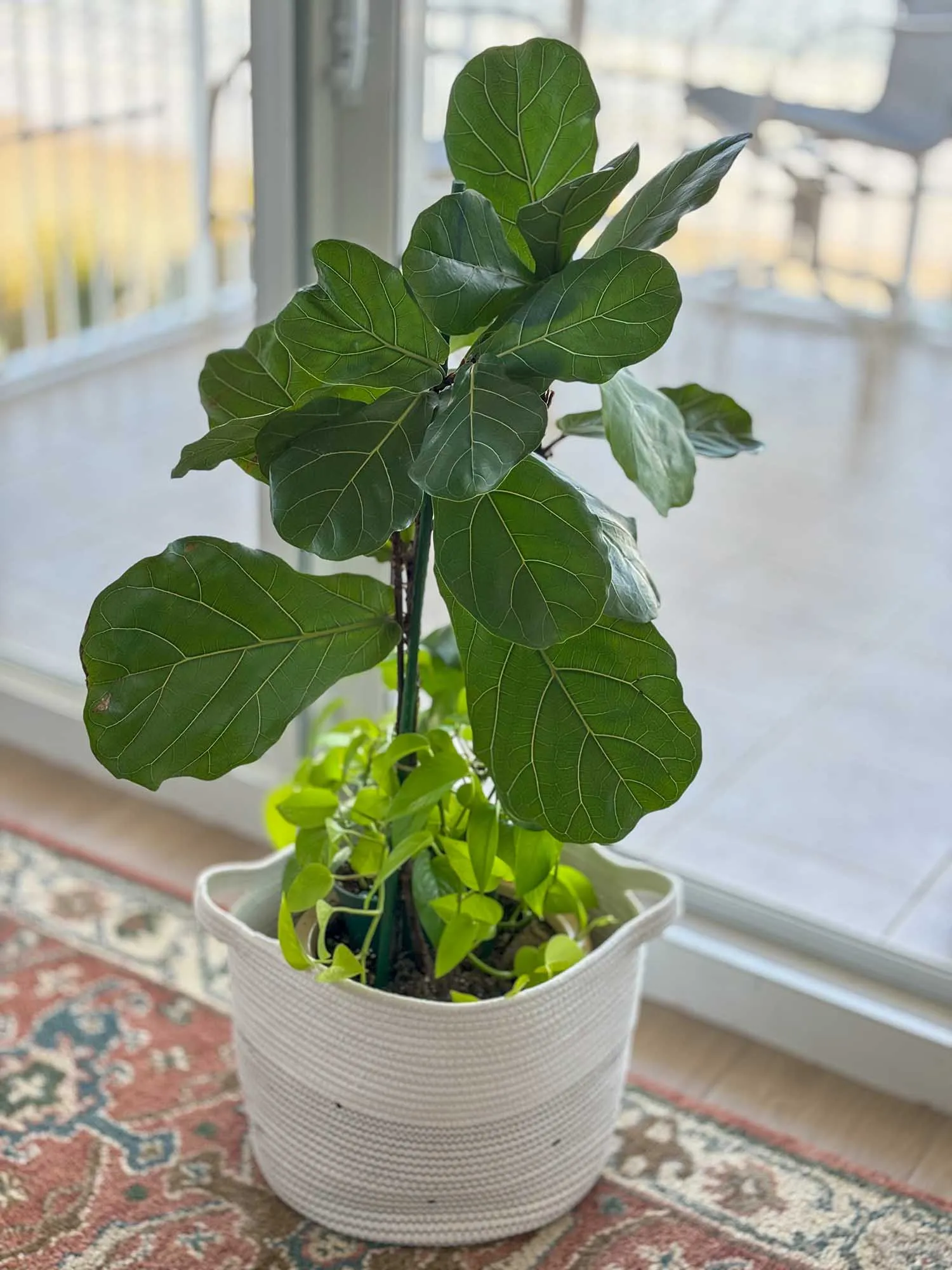
The Fiddle Leaf Fig, scientifically known as Ficus lyrata, is one of the most popular statement plants for modern homes and offices. Its large, glossy, violin-shaped leaves can add a bold tropical look to living rooms, bedrooms, balconies, and other bright spaces.
Although Fiddle Leaf Fig is often considered a demanding houseplant, it can grow successfully in India when its basic requirements are met. Bright filtered light, careful watering, good drainage, and stable conditions are particularly important for healthy growth.
Fiddle Leaf Fig does not respond well to constantly changing conditions. Moving it frequently, overwatering the soil, placing it in very low light, or exposing it suddenly to harsh outdoor sunlight can lead to leaf problems.
This guide explains everything you need to know about Fiddle Leaf Fig care in India, including where to place it, how often to water it, what soil to use, when to fertilize and repot it, and how to troubleshoot common problems.
IN THIS ARTICLE
- About Fiddle Leaf Fig
- Fiddle Leaf Fig Light Requirements
- How to Water Fiddle Leaf Fig
- Best Soil for Fiddle Leaf Fig
- Choosing the Right Pot
- Humidity Requirements
- Temperature Requirements
- Fiddle Leaf Fig Fertilizer
- How to Repot Fiddle Leaf Fig
- Pruning Fiddle Leaf Fig
- Fiddle Leaf Fig Propagation
- Cleaning the Leaves
- Fiddle Leaf Fig Care in Indian Climate
- Can Fiddle Leaf Fig Grow on a Balcony?
- Can Fiddle Leaf Fig Grow in a Bedroom?
- Fiddle Leaf Fig for Office
- Yellow Leaves
- Brown Leaves and Brown Spots
- Dropping Leaves
- Common Pests
- Fiddle Leaf Fig Care Checklist
- Frequently Asked Questions
About Fiddle Leaf Fig
Fiddle Leaf Fig belongs to the fig family and is naturally associated with warm, humid environments. As a houseplant, it is primarily grown for its large foliage and upright growth habit.
A healthy plant generally develops large, firm leaves with strong color and a sturdy central stem. Good light is essential for maintaining compact, healthy growth.
| Feature | Details |
|---|---|
| Botanical Name | Ficus lyrata |
| Common Name | Fiddle Leaf Fig |
| Plant Type | Tropical evergreen plant |
| Main Attraction | Large violin-shaped leaves |
| Growth Habit | Upright and tree-like |
Fiddle Leaf Fig Light Requirements
Bright light is one of the most important factors for growing a healthy Fiddle Leaf Fig. Place the plant near a bright window where it receives plenty of natural light.
Strong direct afternoon sunlight through glass can sometimes scorch leaves, especially when a plant has been grown in lower light. If your window receives intense sunlight, filtered light or a gradual acclimatization process can be useful.
- Choose a bright location near a window.
- Provide plenty of natural light throughout the day.
- Avoid keeping the plant in a dark corner.
- Protect plants from sudden exposure to intense direct sunlight.
- Rotate the pot occasionally for more balanced growth.
How to Water Fiddle Leaf Fig
Fiddle Leaf Fig is sensitive to inconsistent watering. Both excessive watering and allowing the plant to remain extremely dry for extended periods can cause stress.
Instead of following a fixed watering schedule, check the soil before watering. When the upper portion of the growing medium has dried, water thoroughly until excess water drains from the bottom of the container.
| Situation | What to Do |
|---|---|
| Soil Still Moist | Wait and check again later |
| Top Soil Has Dried | Check deeper into the pot before watering |
| Soil Significantly Dry | Water thoroughly |
| Water Sitting in Saucer | Empty excess water |
Watering frequency will vary depending on temperature, light, pot size, soil mix, season, and indoor conditions.
Best Soil for Fiddle Leaf Fig
Fiddle Leaf Fig prefers a well-draining growing medium that retains enough moisture for healthy roots without staying waterlogged for long periods.
A good container mix can include quality potting soil combined with materials that improve drainage and aeration. The exact mix can be adjusted according to your indoor conditions.
- Use a good-quality potting mix.
- Include materials that improve drainage and aeration.
- Avoid dense soil that stays wet for long periods.
- Use clean and suitable organic matter where appropriate.
- Ensure the container has drainage holes.
Choosing the Right Pot
Choose a pot that provides enough room for the root system without being excessively large. A very large container can hold more moisture than the plant needs and may make watering more difficult to manage.
| Pot Feature | Why It Matters |
|---|---|
| Drainage Holes | Allow excess water to escape |
| Appropriate Size | Helps manage soil moisture |
| Stable Base | Supports the tall plant |
| Good Quality Material | Provides durability for long-term growth |
Fiddle Leaf Fig Humidity Requirements
Fiddle Leaf Fig generally appreciates moderate to high humidity. Indian homes may naturally provide suitable humidity during the monsoon, while dry indoor conditions during other seasons can require more attention.
- Keep the plant away from very dry air where possible.
- Group plants together to create a slightly more humid environment.
- Use a humidifier if indoor air is consistently very dry.
- Maintain good airflow around the foliage.
- Avoid leaving leaves constantly wet.
Temperature Requirements
Fiddle Leaf Fig prefers warm and relatively stable indoor conditions. Protect it from sudden temperature changes, cold drafts, and strong blasts of air from cooling appliances.
During very hot Indian summers, avoid placing the plant directly against extremely hot glass or in a location where hot air continuously blows across the leaves.
Fiddle Leaf Fig Fertilizer
Fertilizing supports active growth when the plant is receiving suitable light and growing in an appropriate medium. Use a balanced fertilizer suitable for foliage plants and follow the product's recommended dilution and frequency.
- Fertilize primarily during active growth.
- Follow the manufacturer's recommended dosage.
- Avoid fertilizing severely stressed or recently repotted plants.
- Do not overfertilize in an attempt to force growth.
- Water appropriately before applying fertilizer according to product directions.
How to Repot Fiddle Leaf Fig
Repot your Fiddle Leaf Fig when the roots have significantly filled the existing container, the soil has degraded, or the plant has outgrown its pot.
- Choose a clean pot only slightly larger than the current one.
- Prepare a fresh, well-draining growing medium.
- Carefully remove the plant from its existing container.
- Inspect the root system and remove clearly damaged material where appropriate.
- Place the plant at a similar depth in the new container.
- Fill around the root ball with fresh growing medium.
- Water appropriately and return the plant to suitable light.
Pruning Fiddle Leaf Fig
Pruning can help manage the shape and size of a Fiddle Leaf Fig and can encourage branching under suitable conditions. Always use clean, sharp pruning tools.
- Remove dead or severely damaged leaves.
- Prune excessively long or unwanted growth when appropriate.
- Make clean cuts rather than crushing stems.
- Avoid excessive pruning at one time.
- Give the plant suitable light after pruning.
Fiddle Leaf Fig produces a milky sap when cut, so avoid contact with skin and keep pruning material away from children and pets.
Fiddle Leaf Fig Propagation
Fiddle Leaf Fig can be propagated from suitable stem cuttings under favorable conditions. Successful propagation depends on selecting healthy plant material and providing appropriate warmth, moisture, and light.
| Step | Action |
|---|---|
| 1 | Select a healthy stem cutting |
| 2 | Make a clean cut using a sterile tool |
| 3 | Place the cutting in a suitable propagation medium |
| 4 | Provide warmth, suitable moisture, and bright indirect light |
| 5 | Transplant after a healthy root system develops |
Cleaning Fiddle Leaf Fig Leaves
The large leaves of a Fiddle Leaf Fig can collect dust. Regular gentle cleaning helps keep the foliage looking attractive and allows you to inspect the plant for pests or other problems.
- Wipe leaves gently with a clean, damp soft cloth.
- Support the leaf while cleaning to avoid damage.
- Inspect both sides of leaves for pests.
- Avoid harsh cleaning products.
- Do not scrub the leaf surface aggressively.
Fiddle Leaf Fig Care in Indian Climate
Fiddle Leaf Fig can be grown indoors in many parts of India when it is provided with adequate light and controlled watering. However, care should be adjusted according to the season and local conditions.
| Season | Care Focus |
|---|---|
| Summer | Protect from extreme heat and monitor soil moisture |
| Monsoon | Avoid excessive watering and maintain airflow |
| Winter | Reduce watering if soil dries more slowly |
| Spring | Monitor new growth and resume active-growth care as appropriate |
Can Fiddle Leaf Fig Grow on a Balcony?
Yes, Fiddle Leaf Fig can grow on a balcony if the conditions are suitable. The main considerations are light intensity, wind, heat, rain, and temperature.
- Choose a bright location with appropriate filtered or indirect light.
- Protect the plant from harsh afternoon sunlight when necessary.
- Protect large leaves from strong winds.
- Avoid leaving the pot continuously exposed to heavy rain.
- Use a stable, heavy enough container for tall plants.
Can Fiddle Leaf Fig Grow in a Bedroom?
Fiddle Leaf Fig can be grown in a bedroom if the room receives enough natural light. A bright position near a suitable window is generally better than a dark corner.
Avoid placing the plant directly in front of strong air-conditioning airflow or in a location where it is frequently moved.
Fiddle Leaf Fig for Office
Fiddle Leaf Fig can make an attractive statement plant for offices, reception areas, meeting rooms, and workspaces with good natural light.
Offices with low natural light may not be ideal unless suitable supplemental plant lighting is provided. Consistent care is important, particularly when air-conditioning runs for long periods.
Why Are Fiddle Leaf Fig Leaves Turning Yellow?
Yellow leaves can have several causes. Overwatering, poor drainage, insufficient light, natural aging, or root-related problems may all contribute.
| Possible Cause | What to Check |
|---|---|
| Overwatering | Soil staying wet for too long |
| Poor Drainage | Water not draining from the container |
| Low Light | Plant receiving insufficient natural light |
| Natural Aging | Older lower leaves gradually changing color |
Brown Leaves and Brown Spots
Brown edges or spots may be associated with inconsistent watering, extremely dry conditions, root problems, excessive direct sunlight, or other environmental stress.
Check the plant's watering history, soil moisture, drainage, light exposure, and surrounding environment before changing several care factors at once.
Why Is My Fiddle Leaf Fig Dropping Leaves?
Leaf drop can occur when a Fiddle Leaf Fig experiences sudden changes in its environment. Changes in light, watering, temperature, humidity, or location can stress the plant.
- Check whether the watering routine has recently changed.
- Check the soil for excessive moisture.
- Check whether the plant receives adequate light.
- Look for pests or damaged roots.
- Avoid moving the plant unnecessarily.
Common Fiddle Leaf Fig Pests
Indoor Fiddle Leaf Figs can occasionally be affected by common houseplant pests. Regularly inspect the leaves, stems, and undersides of foliage.
| Pest | Signs to Look For |
|---|---|
| Spider Mites | Fine webbing, stippling, or damaged leaves |
| Mealybugs | White cotton-like clusters |
| Scale | Small attached bumps on stems or leaves |
| Aphids | Small insects around tender new growth |
Isolate affected plants where practical and use a treatment appropriate for the identified pest. Follow product instructions carefully.
Fiddle Leaf Fig Care Checklist
| Check | Care Requirement | Why It Matters |
|---|---|---|
| ✓ | Bright natural light | Supports healthy growth |
| ✓ | Check soil before watering | Helps prevent overwatering |
| ✓ | Well-draining soil | Supports healthy roots |
| ✓ | Pot with drainage holes | Allows excess water to escape |
| ✓ | Stable temperature | Reduces environmental stress |
| ✓ | Regular leaf inspection | Helps identify pests early |
| ✓ | Occasional leaf cleaning | Keeps foliage clean and easier to inspect |
Frequently Asked Questions
Q1. Is Fiddle Leaf Fig easy to grow in India?
Q2. How much sunlight does a Fiddle Leaf Fig need?
Q3. How often should I water Fiddle Leaf Fig?
Q4. Why are my Fiddle Leaf Fig leaves turning brown?
Q5. Why is my Fiddle Leaf Fig losing leaves?
Q6. Can Fiddle Leaf Fig grow indoors?
Q7. Can Fiddle Leaf Fig grow on a balcony in India?
Q8. What soil is best for Fiddle Leaf Fig?
Q9. Should I mist my Fiddle Leaf Fig?
Q10. Is Fiddle Leaf Fig safe for pets?
Author Bio
Written by the Blooming Den Gardening Team – Verified plant experts helping urban India go green since 2025. We deliver plants, supplies, and professional care to your doorstep.