
Garden Design Ideas in India 2026: Beautiful & Practical Ideas for Every Home
Gardening Made Easy: Discover creative garden design ideas for balconies, terraces, backyards, small spaces, apartments, and Indian homes.
Posted: August 14, 2026 | Garden Design
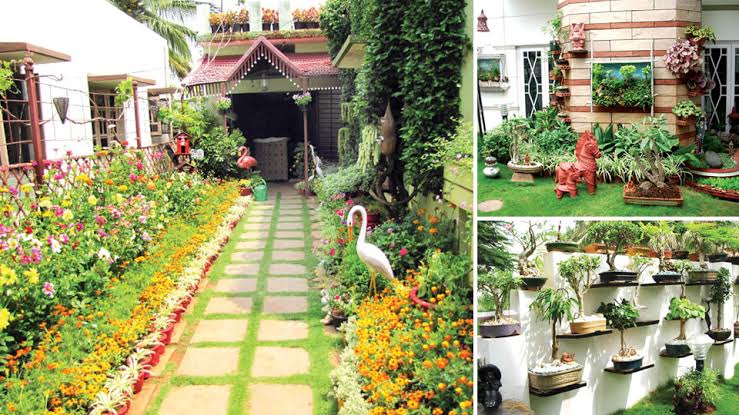
A beautiful garden does not require a huge outdoor space. With the right layout, plant selection, containers, lighting, and furniture, even a small balcony or terrace can become a relaxing green space. Garden design is about combining plants and functional elements in a way that suits your available space and everyday lifestyle.
In India, garden design also needs to consider local climate, seasonal weather, sunlight, rainfall, heat, and the amount of maintenance you are comfortable with. A design that works well in a shaded apartment balcony may not be suitable for an exposed terrace receiving intense summer sunlight.
Whether you have a compact balcony, rooftop terrace, backyard, courtyard, or a few indoor plants, thoughtful planning can make your garden look organized while keeping plants healthy.
In this guide, we explore practical garden design ideas for Indian homes, including small garden layouts, vertical gardens, balcony gardens, terrace gardens, container arrangements, low-maintenance designs, and budget-friendly garden makeovers.
IN THIS ARTICLE
- How to Plan Your Garden Design
- Small Garden Design Ideas
- Balcony Garden Design Ideas
- Terrace Garden Design Ideas
- Backyard Garden Design Ideas
- Courtyard Garden Ideas
- Vertical Garden Design
- Container Garden Design
- Tropical Garden Design
- Kitchen Garden Design
- Low-Maintenance Garden Design
- Budget-Friendly Garden Design
- Modern Garden Design Ideas
- Traditional Indian Garden Ideas
- Garden Pathways and Borders
- Garden Seating Ideas
- Garden Lighting Ideas
- Using Colors in Garden Design
- Choosing Plants for Your Design
- Designing for Easy Maintenance
- Common Garden Design Mistakes
- Garden Design Checklist
- Frequently Asked Questions
How to Plan Your Garden Design
Before buying plants or decorative items, start by understanding the space you have available. Measure the area, observe sunlight throughout the day, identify water access, and decide how much maintenance you want to perform.
A good garden design balances three things: plant requirements, available space, and your lifestyle. The best-looking garden is not necessarily the one with the most plants. It is the one where plants have enough space and the layout remains practical to maintain.
| Factor | What to Check |
|---|---|
| Space | Available floor, wall, and vertical space |
| Sunlight | Direct, indirect, or partial sunlight |
| Water | Water source and drainage |
| Climate | Local heat, rainfall, humidity, and winter conditions |
| Maintenance | Time available for watering, pruning, and cleaning |
Small Garden Design Ideas
Small spaces can become attractive gardens when every area is used thoughtfully. Instead of spreading plants randomly across the floor, combine different heights and use walls, railings, shelves, and corners.
- Use vertical shelves to increase planting space.
- Group plants according to their sunlight requirements.
- Use narrow planters along walls and railings.
- Choose compact plants for limited floor space.
- Keep a small open area for movement and maintenance.
- Use plants of different heights to create depth.
Avoid filling every available corner with pots. Leaving some visual breathing room can make a small garden appear more spacious.
Balcony Garden Design Ideas
Balconies are among the easiest spaces to transform into home gardens. The key is to consider weight, sunlight, drainage, wind exposure, and access before placing large numbers of containers.
| Balcony Area | Design Idea | Suitable Plants |
|---|---|---|
| Railing | Railing planters | Herbs and compact flowering plants |
| Corner | Tall statement plant | Suitable palms, shrubs, or foliage plants |
| Wall | Vertical garden | Ferns, herbs, foliage, or suitable climbers |
| Floor | Grouped containers | Mixed plants based on sunlight |
Terrace Garden Design Ideas
Terrace gardens offer more space than balconies but require additional planning. Containers should be arranged so that pathways remain clear and plants are easy to access.
Create Plant Zones
Group plants according to sunlight, water requirements, and height. This makes watering and maintenance easier while creating a more organized appearance.
Add a Seating Area
A small chair, bench, or outdoor seating arrangement can turn part of the terrace into a relaxing garden corner.
Leave Maintenance Paths
Avoid placing containers so close together that you cannot reach individual plants. Accessible layouts are easier to maintain.
Backyard Garden Design Ideas
A backyard gives you greater freedom to combine lawns, flower beds, shrubs, trees, pathways, seating areas, and vegetable gardens.
- Create a defined lawn or open central area.
- Use flowering plants along borders.
- Add shrubs or small trees for height.
- Create a dedicated vegetable or herb section.
- Add pathways between planting areas.
- Create a shaded seating corner.
A simple layout with clearly defined zones often looks more organized than a backyard filled with plants without a clear structure.
Courtyard Garden Ideas
Courtyards can create a peaceful garden atmosphere in homes where the garden is surrounded by walls. Depending on the amount of sunlight, courtyards can support a combination of foliage plants, flowering plants, climbers, and container gardens.
Central Feature
Use a large planter, small tree, decorative pot, or another focal point as the center of the design.
Green Borders
Use lower plants around the edges to create a layered appearance without blocking the central space.
Vertical Garden Design
Vertical gardens are ideal when floor space is limited. Plants can be arranged on walls, vertical frames, shelves, hanging structures, or purpose-built planting systems.
| Vertical Style | Best For |
|---|---|
| Wall Planters | Small balconies and walls |
| Hanging Pots | Adding plants without using floor space |
| Plant Shelves | Multiple small plants |
| Trellis | Suitable climbing plants |
Container Garden Design
Container gardening allows you to create a garden almost anywhere. Instead of using identical pots throughout the space, combine different sizes and heights while maintaining a consistent overall style.
- Use large containers for statement plants.
- Place medium pots around larger plants.
- Use small pots for herbs and compact plants.
- Group containers with similar watering requirements.
- Choose pots that complement the overall garden style.
Tropical Garden Design Ideas
Tropical-style gardens focus on lush foliage, layered greenery, bold textures, and a relaxed atmosphere. They can work particularly well in suitable warm and humid regions of India.
Layer Plants
Combine taller plants with medium-height foliage and lower ground plants to create visual depth.
Focus on Foliage
Large leaves, contrasting textures, and different shades of green can create a tropical feeling even without many flowers.
Kitchen Garden Design
A kitchen garden can combine usefulness and beauty by growing herbs, leafy vegetables, chillies, tomatoes, and other suitable crops.
| Zone | Plants | Design Benefit |
|---|---|---|
| Small Pots | Herbs | Easy access |
| Medium Containers | Leafy vegetables | Efficient use of space |
| Larger Pots | Tomatoes and suitable vegetables | Dedicated growing space |
Low-Maintenance Garden Design
If you have limited time, design your garden around plants and systems that are easier to maintain. A low-maintenance garden does not mean having no plants. It means reducing unnecessary daily work.
- Choose plants suited to your local climate.
- Group plants with similar watering requirements.
- Use suitable mulch in outdoor beds.
- Choose durable containers.
- Keep pathways easy to access.
- Avoid overcrowding.
- Use simple layouts that are easy to clean and prune.
Budget-Friendly Garden Design Ideas
You do not need expensive landscaping materials to create an attractive garden. Start with plants and containers that suit your budget and expand the design gradually.
| Idea | Benefit |
|---|---|
| Propagate Existing Plants | Increase your plant collection affordably |
| Start With a Few Plants | Easier to manage and expand gradually |
| Reuse Suitable Containers | Can reduce initial costs |
| Use Simple Shelves | Adds vertical planting space |
| Choose Climate-Suitable Plants | Can make long-term maintenance easier |
Modern Garden Design Ideas
Modern gardens usually focus on clean lines, simple arrangements, structured planting, and coordinated materials. You can create this look even in a small balcony or terrace.
- Use containers in a consistent style.
- Create straight or geometric plant arrangements.
- Combine greenery with simple outdoor furniture.
- Use a limited number of decorative elements.
- Keep pathways and plant groups clearly defined.
Traditional Indian Garden Ideas
Traditional-inspired garden designs can use familiar plants, natural materials, clay pots, flowering plants, and symmetrical arrangements. The exact plant selection should depend on your region and growing conditions.
Clay Pots
Terracotta containers can add a natural, earthy appearance to a balcony, courtyard, or terrace garden.
Flowering Borders
Grouping flowering plants around pathways or seating areas can add seasonal color to the garden.
Garden Pathways and Borders
Pathways help divide garden areas and make maintenance easier. In larger gardens, they also create a natural flow between planting zones.
- Keep pathways wide enough for comfortable movement.
- Use borders to separate lawn and planting areas.
- Choose materials that suit your outdoor environment.
- Avoid placing plants directly where people regularly walk.
- Keep drainage in mind when designing hard surfaces.
Garden Seating Ideas
Adding a small seating area can make your garden more useful. You do not need a large outdoor furniture set. A single chair, bench, or compact seating arrangement can create a comfortable garden corner.
| Space | Seating Idea |
|---|---|
| Small Balcony | Compact chair or foldable seating |
| Terrace | Two chairs and a small table |
| Backyard | Bench or outdoor seating set |
| Courtyard | Central seating around the garden feature |
Garden Lighting Ideas
Lighting can make an outdoor garden more enjoyable after sunset while also highlighting selected areas of the design.
- Use soft lighting around seating areas.
- Highlight attractive plants or garden features.
- Use pathway lighting where necessary.
- Consider solar-powered lights for suitable outdoor locations.
- Keep electrical installations weather-appropriate and safe.
Using Colors in Garden Design
Plants naturally provide different shades of green, along with flowers in many colors. A coordinated color scheme can make your garden feel more intentional.
Green-on-Green Design
Combine plants with different leaf shapes, sizes, and shades of green for a calm and natural appearance.
Bright Flowering Design
Use flowering plants as focal points while surrounding them with foliage plants to prevent the design from appearing too busy.
Choosing Plants for Your Garden Design
Plant selection should always come after understanding your growing conditions. A beautiful design will not remain attractive if plants cannot thrive in the available light, temperature, soil, and moisture.
| Garden Condition | Plant Selection Focus |
|---|---|
| Full Sun | Sun-loving plants suited to local heat |
| Partial Shade | Plants tolerant of filtered or limited direct sunlight |
| Indoor Bright Light | Suitable indoor foliage and flowering plants |
| Small Space | Compact or vertical-growing plants |
Always check the mature size of a plant before placing it into a small space. A plant that looks compact at the nursery may eventually require significantly more room.
Designing for Easy Maintenance
Good garden design should make plant care easier, not harder. Place frequently watered plants where they are easy to access and keep plants that need similar care together.
- Keep frequently used plants close to your water source.
- Group plants with similar watering requirements.
- Leave space between containers for cleaning.
- Keep pruning tools easily accessible.
- Create clear pathways around larger garden areas.
- Choose plants that match the amount of time you can maintain them.
Common Garden Design Mistakes
| Mistake | Better Approach |
|---|---|
| Buying plants before planning | Measure the space and understand sunlight first |
| Overcrowding containers | Leave room for mature plant growth |
| Ignoring drainage | Use suitable containers and growing media |
| Mixing plants with different needs | Group plants according to care requirements |
| Blocking pathways | Keep maintenance and walking areas clear |
| Choosing plants only for appearance | Consider climate, sunlight, and maintenance needs |
Garden Design Checklist
| Check | Question | Why It Matters |
|---|---|---|
| ✓ | Have I measured the available space? | Prevents overcrowding |
| ✓ | Have I checked sunlight? | Helps choose suitable plants |
| ✓ | Is drainage adequate? | Helps manage excess water |
| ✓ | Are plants grouped by similar needs? | Makes maintenance easier |
| ✓ | Is there enough room to walk and maintain plants? | Improves accessibility |
| ✓ | Does the design match my maintenance time? | Keeps the garden manageable |
Frequently Asked Questions
Q1. What are the best garden design ideas for Indian homes?
Q2. How can I design a small garden at home?
Q3. What is the best garden design for a balcony?
Q4. How do I design a terrace garden in India?
Q5. How can I make my garden look beautiful on a budget?
Q6. Which plants are best for a low-maintenance garden?
Q7. How do I make a small balcony look more spacious?
Q8. Should all plants in a garden be the same size?
Q9. What should I consider before creating a terrace garden?
Q10. What is the most important part of garden design?
Author Bio
Written by the Blooming Den Gardening Team – Verified plant experts helping urban India go green since 2025. We deliver plants, supplies, and professional care to your doorstep.