
Gardening for Beginners in India 2026: A Complete Guide to Growing Healthy Plants at Home
Gardening Made Easy: Learn how to start a garden in India, choose the right plants, prepare soil, water correctly, select pots, provide sunlight, and care for plants throughout the year.
Posted: August 13, 2026 | Gardening for Beginners
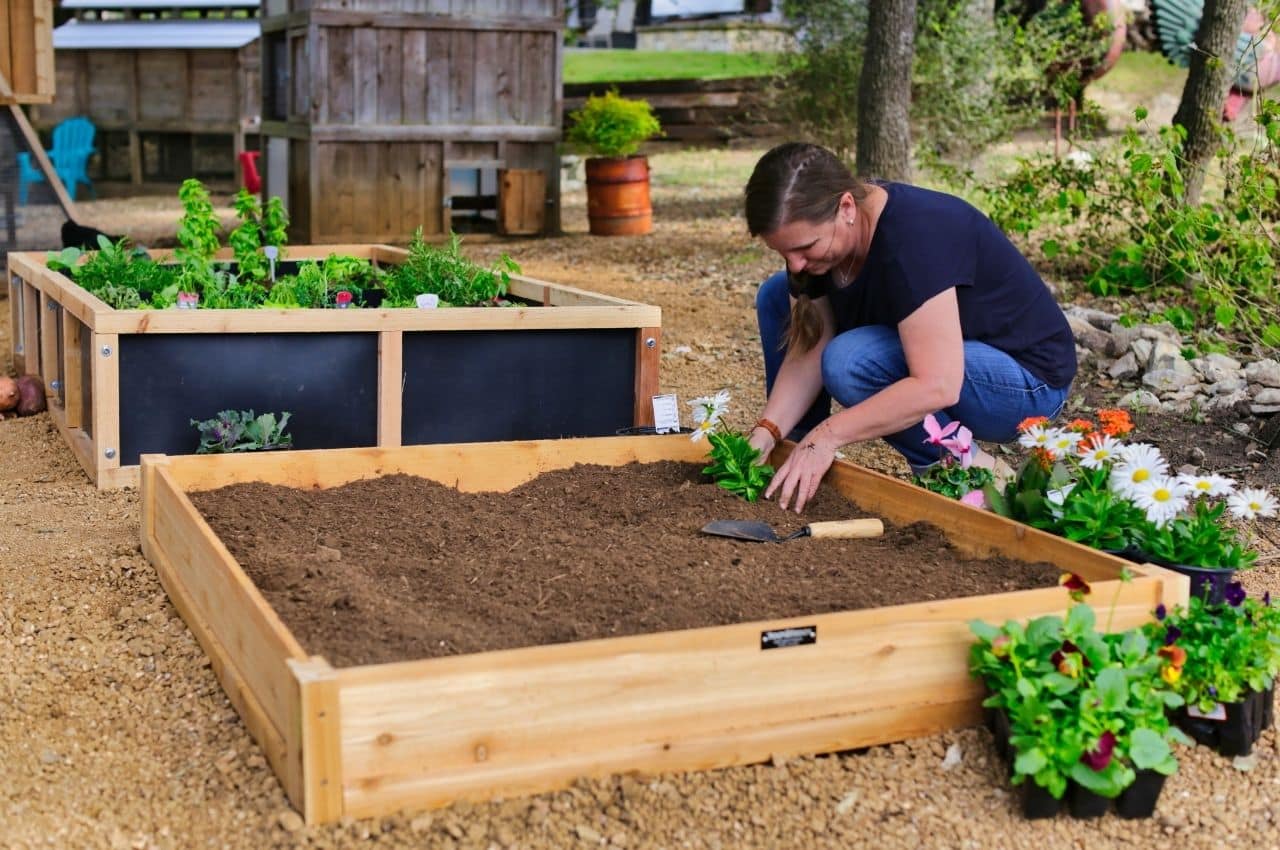
Starting a garden does not require a large backyard, expensive equipment, or years of experience. With a few suitable plants, good-quality soil, containers, sunlight, and a simple care routine, beginners can create a healthy garden at home.
Gardening in India can be especially rewarding because different regions offer a wide range of climates and growing conditions. The best plants and gardening practices can vary depending on whether you live in a hot, dry, humid, coastal, or cooler region.
Beginners often make the same mistakes: choosing plants without checking sunlight requirements, watering too frequently, using poor drainage, selecting containers that are too small, or trying to grow too many plants at once. Understanding a few basic principles can prevent most of these problems.
In this beginner-friendly guide, you will learn how to start gardening in India, choose beginner-friendly plants, prepare soil, select pots, understand sunlight requirements, water plants correctly, use fertilizers, deal with common pests, and build a simple gardening routine.
IN THIS ARTICLE
- Why Start Gardening?
- How to Start Gardening as a Beginner
- Best Plants for Gardening Beginners in India
- Understanding Sunlight Requirements
- How to Choose the Right Soil
- Choosing the Right Pots and Containers
- How to Water Plants Correctly
- Fertilizer and Plant Nutrition
- Gardening According to Indian Seasons
- Starting a Balcony Garden
- Starting a Kitchen Garden
- Common Plant Pests and Problems
- Basic Gardening Tools for Beginners
- Simple Gardening Routine for Beginners
- Common Gardening Mistakes
- Beginner Gardening Cheat Sheet
- Frequently Asked Questions
Why Start Gardening?
Gardening is a simple way to bring more greenery into your home. Growing plants can also become a relaxing hobby and gives you the opportunity to observe how plants respond to sunlight, water, soil, temperature, and seasonal changes.
You do not need a large garden to begin. A balcony, terrace, windowsill, small courtyard, or even a few containers near a sunny window can be enough for a beginner garden.
- Start with a small number of easy-to-grow plants.
- Learn how much sunlight your space receives.
- Use containers with proper drainage.
- Observe your plants regularly.
- Increase the number of plants gradually as you gain experience.
How to Start Gardening as a Beginner
Step 1: Choose Your Gardening Space
First, decide where you want to grow plants. Observe the area for several days and note how much direct and indirect sunlight it receives. Also consider wind, rain exposure, available floor space, and access to water.
Step 2: Start with Easy Plants
Beginners should avoid starting with plants that require very specific conditions. Choose hardy plants that can tolerate minor mistakes while you learn basic gardening skills.
Step 3: Choose Suitable Containers
Select a container that is appropriate for the plant's eventual size. Make sure it has drainage holes and enough space for the roots to grow.
Step 4: Prepare Good Soil
Healthy roots need a suitable growing medium. Use a loose, nutrient-rich and well-draining mix instead of heavy soil that remains wet for long periods.
Step 5: Create a Simple Care Routine
Check your plants regularly rather than waiting until problems become obvious. Look at the soil, leaves, stems, and overall growth before deciding whether a plant needs water, pruning, or additional care.
Best Plants for Gardening Beginners in India
The best beginner plants are generally those that are relatively adaptable and do not require complicated daily care. Choose plants according to your local climate and the conditions of your growing space.
| Plant | Light | Maintenance | Good For |
|---|---|---|---|
| Snake Plant | Low–Bright Indirect | Very Low | Beginners and indoor spaces |
| Money Plant | Low–Bright Indirect | Low | Homes and offices |
| Aloe Vera | Bright | Very Low | Sunny windows and balconies |
| Tulsi | Bright Sun | Low–Moderate | Home and herb gardens |
| Spider Plant | Bright Indirect | Low | Indoor containers |
| Marigold | Full Sun | Low | Flower gardens |
| Mint | Bright | Low | Kitchen gardens |
Understanding Sunlight Requirements
Sunlight is one of the most important factors in gardening. Before purchasing a plant, understand whether it needs direct sunlight, bright indirect light, or lower light.
| Light Level | What It Means | Example Plants |
|---|---|---|
| Full Sun | Several hours of direct sunlight | Marigold, Tulsi, Aloe Vera |
| Bright Indirect | Strong natural light without harsh direct rays | Spider Plant, Money Plant |
| Low Light | Limited natural light | Snake Plant, ZZ Plant |
Remember that low-light tolerant does not mean no-light. A completely dark room is not an appropriate long-term growing environment for most plants.
How to Choose the Right Soil
Good soil provides roots with support, moisture, nutrients, and access to air. For container gardening, the growing medium should generally be loose and well-draining rather than compact and waterlogged.
A Simple Container Mix
Beginners can use a quality potting mix containing components such as garden soil, compost or other organic matter, and an aerating material that improves drainage. The exact mix should be adjusted according to the plant.
What Good Soil Should Provide
- Good drainage
- Good air circulation around roots
- Suitable moisture retention
- Organic matter and nutrients
- A loose structure that does not become heavily compacted
Choosing the Right Pots and Containers
Container selection affects plant growth, watering frequency, stability, and root development. Beginners should focus less on decorative appearance and more on drainage, size, and suitability for the plant.
| Container Type | Suitable For | Important Point |
|---|---|---|
| Plastic Pots | Most beginner plants | Lightweight and easy to move |
| Terracotta Pots | Plants that prefer good drainage | Can dry out faster |
| Grow Bags | Vegetables and herbs | Need suitable placement and drainage |
| Hanging Pots | Trailing plants | Must be securely installed |
Always make sure the container has appropriate drainage holes and use a saucer or tray where necessary to protect indoor surfaces.
How to Water Plants Correctly
Watering is one of the most common areas where beginners make mistakes. More water does not always mean healthier plants. Different plants and different seasons require different watering frequencies.
Check the Soil First
Insert your finger into the upper layer of soil or use another simple method to check moisture. If the soil is still wet, many plants do not need additional water.
Water Thoroughly When Needed
When a plant needs watering, water the soil thoroughly so moisture reaches the root zone. Allow excess water to drain away instead of letting the pot remain in standing water.
Adjust for the Season
Hot weather, strong sunlight, wind, pot size, and plant type can increase water requirements. Cooler or rainy periods may reduce the need for additional watering.
Fertilizer and Plant Nutrition
Plants need nutrients for healthy roots, leaves, flowers, and overall growth. Container plants can eventually use nutrients from their growing medium, so occasional feeding may be useful during active growth.
Organic Matter
Compost and other suitable organic materials can help improve the growing medium and provide nutrients. Use mature, properly prepared compost rather than fresh organic waste directly around plant roots.
Liquid or Granular Fertilizers
Commercial fertilizers can provide specific nutrients. Beginners should follow the product instructions and avoid applying excessive fertilizer, which can damage roots and cause nutrient imbalances.
Do Not Overfeed
Fertilizer is not a substitute for sunlight, water, suitable soil, or proper drainage. Fix basic growing conditions before increasing fertilizer application.
Gardening According to Indian Seasons
India's climate varies significantly by region, so seasonal gardening should be adapted to local temperatures and rainfall. The following overview provides a general starting point rather than a fixed schedule for every city.
| Season | Gardening Focus | Beginner Tips |
|---|---|---|
| Summer | Heat management and watering | Monitor soil moisture and protect sensitive plants |
| Monsoon | Drainage and fungal prevention | Avoid waterlogging and improve airflow |
| Winter | Cooler-weather plants and reduced watering | Adjust watering according to soil moisture |
| Spring | New growth and planting | Gradually increase feeding and monitor growth |
Starting a Balcony Garden
A balcony is one of the easiest places to start container gardening. Before buying plants, determine how much sunlight the balcony receives and how much floor space is available.
Start Small
Begin with a few containers rather than filling the entire balcony. This gives you time to understand watering, sunlight, and maintenance requirements.
Use Vertical Space
Hanging baskets, wall planters, shelves, and suitable trellises can help maximize a small balcony without blocking walking areas.
Consider Weight and Safety
Soil and water make containers heavy. Use stable pots, secure hanging planters properly, and avoid creating hazards near balcony edges.
Starting a Kitchen Garden
A kitchen garden allows beginners to grow herbs and selected vegetables in containers or grow bags. Choose crops according to your local season, available sunlight, and container size.
| Plant | Suitable Space | Beginner Friendly |
|---|---|---|
| Mint | Medium Container | Yes |
| Coriander | Shallow Container | Yes |
| Tulsi | Medium Pot | Yes |
| Curry Leaf | Large Container | Moderate |
| Lemongrass | Large Container | Yes |
Common Plant Pests and Problems
Beginners should regularly inspect plants instead of waiting until damage becomes severe. Look underneath leaves, around new growth, and near stems for unusual spots, insects, webbing, or sticky residue.
| Problem | Possible Cause | Beginner Action |
|---|---|---|
| Yellow Leaves | Overwatering, stress, aging leaves, or other issues | Check soil moisture and roots |
| Wilting | Underwatering, heat, root problems, or other stress | Check soil and growing conditions |
| Small Insects | Aphids, mealybugs, or other pests | Isolate and inspect the plant |
| Root Rot | Excess moisture and poor drainage | Improve drainage and review watering |
| Brown Leaf Edges | Water stress, dry air, heat, or other conditions | Review light, watering, and environment |
Avoid immediately using strong pesticides whenever you see a problem. First identify the likely cause and inspect the plant carefully.
Basic Gardening Tools for Beginners
You do not need a large collection of gardening equipment when starting. A few basic tools are enough for most small home gardens.
| Tool | Purpose |
|---|---|
| Hand Trowel | Planting and moving soil |
| Pruning Shears | Cutting dead or unwanted growth |
| Watering Can | Controlled watering |
| Gardening Gloves | Protecting hands during gardening |
| Small Hand Fork | Loosening soil |
Simple Gardening Routine for Beginners
Daily or Regular Check
- Look for wilted or damaged leaves.
- Check for visible pests.
- Observe whether plants are receiving suitable light.
Watering Check
Check the soil before watering. Do not automatically water every plant simply because it is part of the same garden.
Weekly Maintenance
- Remove dead leaves and flowers.
- Inspect leaves for pests.
- Rotate indoor plants when appropriate.
- Clean dusty foliage.
- Check drainage holes and trays.
Monthly Review
Check whether plants have outgrown their containers, whether the soil has become compacted, and whether plants need pruning, repotting, or additional nutrition.
Common Gardening Mistakes
- Watering plants every day without checking the soil
- Choosing plants without considering sunlight requirements
- Using containers without drainage holes
- Keeping plants in containers that are too small for their root systems
- Using heavy soil that remains waterlogged
- Applying too much fertilizer
- Starting with too many plants at once
- Ignoring pests until significant damage occurs
- Expecting every plant to grow at the same speed
- Forgetting that Indian climate and growing conditions vary significantly from one region to another
Beginner Gardening Cheat Sheet
| Gardening Task | Beginner Rule | Why It Matters |
|---|---|---|
| Plant Selection | Choose plants suited to your space | Reduces stress and care problems |
| Sunlight | Match plant requirements to available light | Supports healthy growth |
| Soil | Use a loose, nutrient-rich, well-draining mix | Supports healthy roots |
| Watering | Check soil before watering | Helps prevent overwatering |
| Containers | Always provide appropriate drainage | Reduces waterlogging |
| Fertilizer | Follow product instructions | Prevents nutrient damage |
| Pests | Inspect plants regularly | Helps detect problems early |
| Maintenance | Start small and build a routine | Makes gardening easier to manage |
Frequently Asked Questions
Q1. How do I start gardening as a complete beginner in India?
Q2. Which plants are easiest for gardening beginners?
Q3. Can I start gardening without a garden?
Q4. How often should a beginner water plants?
Q5. What soil is best for beginner container gardening?
Q6. How much sunlight do plants need?
Q7. What gardening tools should a beginner buy?
Q8. Can I grow vegetables in pots as a beginner?
Q9. Why are my plant leaves turning yellow?
Q10. What is the biggest mistake beginners make in gardening?
Author Bio
Written by the Blooming Den Gardening Team – Verified plant experts helping urban India go green since 2025. We deliver plants, supplies, and professional care to your doorstep.