
Gardening for Children: Why Every Kid Should Grow a Plant
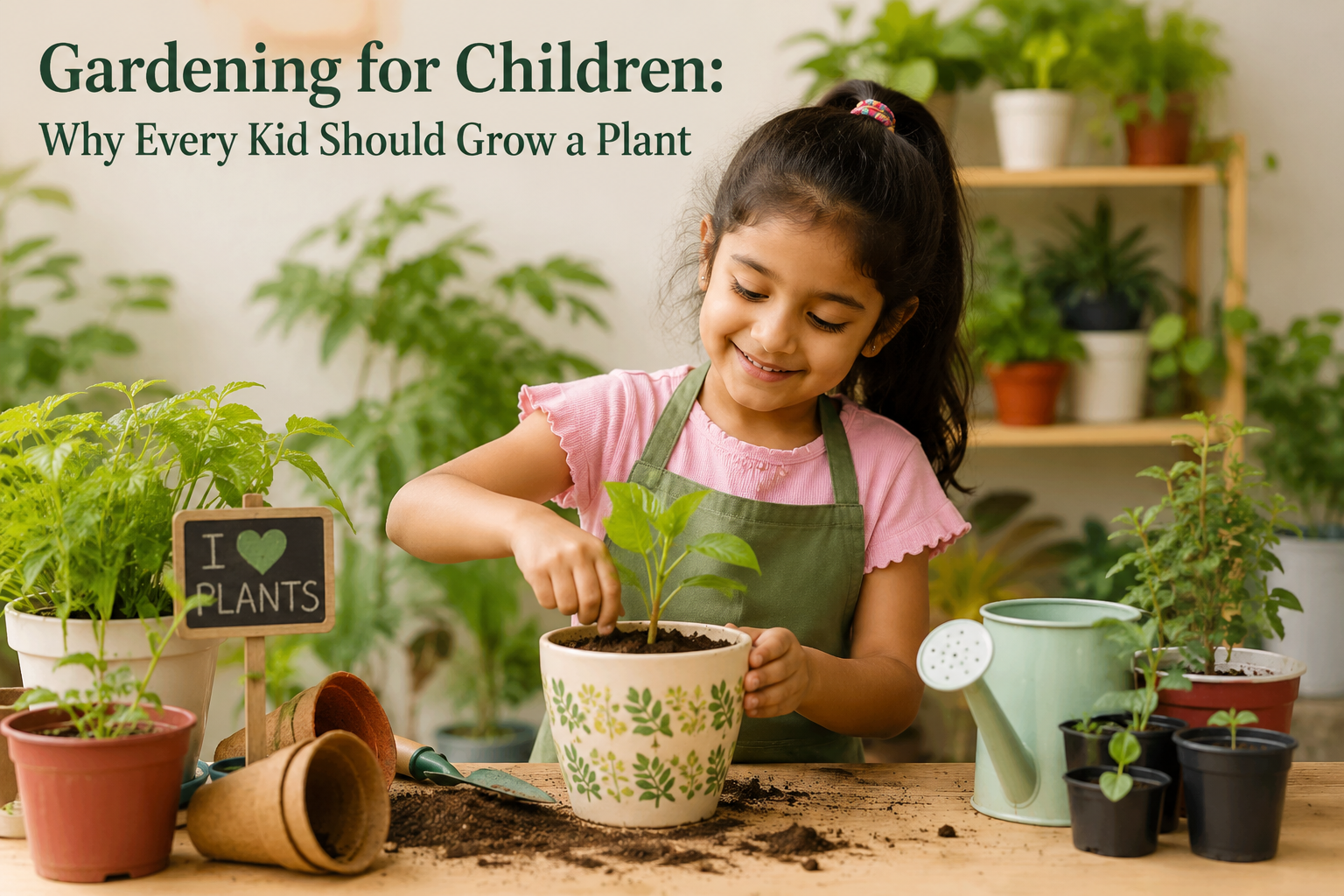
Gardening is one of the most valuable activities children can experience. Beyond planting seeds and watering flowers, it teaches important life skills such as patience, responsibility, observation, and appreciation for nature. Watching a tiny seed grow into a healthy plant helps children understand how living things develop while making learning enjoyable and interactive.
Whether you have a large backyard, a balcony garden, or just a few pots on a windowsill, every child can enjoy the excitement of growing a plant. Gardening encourages curiosity, creativity, and confidence while providing meaningful family time away from screens. This guide explores why every child should experience gardening and how parents can make it a fun and educational activity.
Why Gardening Is Important for Children
Children naturally enjoy exploring the world around them. Gardening gives them the opportunity to observe nature closely while participating in activities that are both educational and enjoyable. Planting seeds, watering plants, and watching new leaves appear help children understand the importance of patience, consistency, and care.
Gardening also encourages children to spend more time outdoors, reducing dependence on televisions, computers, and mobile devices. Outdoor activities support healthy development while providing opportunities for exploration, discovery, and imaginative play.
Every stage of gardening introduces valuable lessons that extend far beyond the garden. Children learn that success comes from regular effort and that small actions performed consistently can produce meaningful results over time.
Benefits of Gardening for Kids
- Develops responsibility through regular plant care.
- Teaches patience by observing gradual plant growth.
- Encourages curiosity and scientific thinking.
- Promotes creativity through garden design.
- Increases appreciation for nature.
- Provides enjoyable outdoor physical activity.
- Builds confidence through successful plant growth.
- Creates meaningful family learning experiences.
How Gardening Supports Early Learning
Gardening naturally introduces children to science, mathematics, environmental awareness, and problem-solving. Measuring plant height, counting leaves, observing insects, and learning about seasons make education practical and engaging. Instead of simply reading about plants, children experience how they grow firsthand.
Parents and teachers can use gardening activities to encourage observation, critical thinking, communication, and teamwork. These hands-on experiences make learning memorable while helping children develop lifelong skills.
What Children Learn Through Gardening
| Skill | How Gardening Helps |
|---|---|
| Responsibility | Children care for plants every day. |
| Patience | Plants grow gradually over time. |
| Observation | Children notice changes in leaves, flowers, and growth. |
| Problem Solving | They learn how to care for plants in different situations. |
1. Gardening Teaches Responsibility
One of the greatest life lessons children learn from gardening is responsibility. Every plant depends on regular care, including watering, providing enough sunlight, and checking its overall health. As children care for their own plants, they begin to understand that living things need attention and consistency to grow successfully.
Giving a child ownership of a single plant creates a sense of pride and accountability. As they watch their efforts produce healthy growth, they gain confidence while learning the importance of keeping daily commitments.
Simple Responsibilities for Children
- Water plants on schedule.
- Check soil moisture regularly.
- Remove dry or damaged leaves.
- Place plants where they receive enough sunlight.
- Observe new growth every day.
2. Gardening Helps Children Develop Patience
Today's children often expect immediate results, but gardening teaches that meaningful growth takes time. Seeds do not sprout overnight, and flowers do not bloom instantly. Children learn that regular care and patience are essential for achieving successful outcomes.
Watching a plant gradually grow over days and weeks helps children appreciate the value of persistence. They begin to understand that consistent effort often leads to rewarding results, a lesson that can benefit them in school, sports, and everyday life.
| Gardening Stage | Lesson Learned |
|---|---|
| Planting seeds | Every journey starts with a small step. |
| Waiting for sprouts | Good things require patience. |
| Caring for plants | Consistency produces growth. |
| Harvesting or flowering | Hard work leads to rewarding results. |
3. Gardening Encourages Curiosity and Creativity
Every garden is full of interesting discoveries. Children naturally become curious as they observe insects, flowers, leaves, roots, butterflies, birds, and changing weather conditions. Asking questions about how plants grow encourages scientific thinking and problem-solving skills.
Gardening also inspires creativity. Children can decorate pots, arrange colorful flowers, design miniature gardens, create plant labels, and experiment with different layouts. These creative activities make gardening both educational and entertaining.
Creative Gardening Activities
- Paint and decorate flower pots.
- Create handmade plant labels.
- Design a small fairy or miniature garden.
- Keep a plant growth journal.
- Draw pictures of plants as they grow.
4. Gardening Builds a Strong Connection with Nature
Spending time in nature helps children appreciate the environment and understand the importance of protecting it. Through gardening, they learn about soil, water, sunlight, insects, birds, seasons, and the role plants play in supporting life on Earth.
As children develop a connection with nature, they often become more interested in caring for the environment. Simple habits such as watering plants responsibly, avoiding waste, and respecting wildlife become part of their everyday behavior.
5. Gardening Improves Observation and Problem-Solving Skills
Every plant changes a little each day, encouraging children to observe carefully and notice small differences. They learn to recognize new leaves, flowers, buds, and signs that a plant may need water or additional sunlight. These simple observations strengthen attention to detail and develop critical thinking skills.
Gardening also introduces children to problem-solving. If a plant begins to wilt or stops growing, they learn to ask questions, identify possible causes, and try practical solutions. This process teaches logical thinking while helping children understand that challenges can often be solved through careful observation and patience.
Observation Activities for Kids
- Measure plant height every week.
- Count the number of leaves.
- Observe flowers as they bloom.
- Identify insects visiting the garden.
- Record daily changes in a gardening journal.
6. Gardening Encourages Healthy Outdoor Activity
Gardening gives children an enjoyable reason to spend time outdoors. Digging soil, planting seeds, watering pots, carrying watering cans, and removing weeds involve gentle physical activity that keeps children active while allowing them to explore nature.
Outdoor gardening also provides opportunities to enjoy fresh air and natural sunlight while reducing time spent on televisions, computers, tablets, and mobile phones. This healthy balance between outdoor play and technology contributes to a more active lifestyle.
| Gardening Activity | Skill Developed |
|---|---|
| Digging soil | Coordination and physical activity. |
| Watering plants | Responsibility and consistency. |
| Planting seeds | Fine motor skills and patience. |
| Harvesting vegetables or flowers | Confidence and sense of achievement. |
Best Plants for Children to Grow
Children enjoy growing plants that germinate quickly, produce colorful flowers, or provide edible harvests. Choosing easy-to-grow varieties helps maintain enthusiasm while allowing children to experience success early in their gardening journey.
Fast-growing plants also encourage children to continue caring for their garden because they can observe visible progress within a short period. Simple gardening projects create positive experiences that often develop into lifelong interests.
Beginner-Friendly Plants for Kids
- Sunflower
- Marigold
- Mint
- Basil
- Cherry Tomato
- Beans
- Coriander
- Aloe Vera
Simple Gardening Tips for Parents
Parents play an important role in making gardening enjoyable for children. Begin with simple activities, celebrate small achievements, and allow children to make decisions about their own plants. Giving children responsibility while providing guidance helps build confidence and encourages independent learning.
Focus on making gardening fun rather than perfect. Allow children to ask questions, explore nature, and learn from mistakes. Positive experiences in the garden often inspire a lifelong appreciation for plants and the environment.
Common Mistakes to Avoid When Gardening with Children
Gardening should be a fun and encouraging experience for children. Parents and teachers sometimes make gardening too complicated or expect perfect results, which can reduce a child's enthusiasm. Keeping activities simple and allowing children to learn through experience helps build confidence and long-term interest.
| Common Mistake | Better Approach |
|---|---|
| Choosing difficult plants | Start with fast-growing, easy-care plants. |
| Doing all the work for children | Allow children to complete simple gardening tasks themselves. |
| Expecting perfect results | Celebrate learning and progress instead of perfection. |
| Making gardening feel like a chore | Keep activities enjoyable and age appropriate. |
| Ignoring safety rules | Supervise children and use child-friendly gardening tools. |
Fun Gardening Activities for Children
Gardening offers endless opportunities for creative learning. By introducing enjoyable projects, parents and teachers can keep children excited while helping them develop practical skills and a stronger appreciation for nature.
- Decorate flower pots with colorful paint.
- Create handmade plant labels.
- Build a miniature fairy or dinosaur garden.
- Grow herbs for a family cooking project.
- Plant sunflowers and measure their height every week.
- Collect and identify different leaves.
- Maintain a gardening journal with drawings and observations.
- Create a butterfly-friendly flower garden.
Frequently Asked Questions
What is the best age to introduce children to gardening?
Children as young as three or four years old can participate in simple gardening activities such as watering plants, planting large seeds, and observing flowers with adult supervision.
Which plants are easiest for children to grow?
Sunflowers, marigolds, beans, mint, basil, cherry tomatoes, coriander, and radishes are excellent beginner-friendly plants because they grow quickly and are easy to care for.
Can children grow plants indoors?
Yes. Many herbs, succulents, and flowering plants grow well indoors when placed near a bright window and cared for with regular watering and adequate sunlight.
How much time should children spend gardening?
Spending 15 to 30 minutes a few times each week is usually enough to keep children engaged while allowing them to care for their plants and observe their progress.
Creating a Family Gardening Routine
Gardening becomes even more meaningful when the whole family participates. Setting aside time each week to water plants, remove weeds, harvest vegetables, or simply observe new growth creates lasting memories while strengthening family relationships. Working together also allows parents to teach valuable lessons about teamwork, responsibility, and caring for the environment.
Even a small balcony garden or a few pots on a windowsill can become an exciting family project. As children gain confidence, they can gradually take greater responsibility for caring for their own plants and experimenting with new gardening ideas.
Quick Gardening Checklist for Children
A simple gardening routine helps children develop consistency while keeping their plants healthy. This checklist provides an easy guide that parents and children can follow together throughout the growing season.
| Gardening Activity | Recommended Frequency | Purpose |
|---|---|---|
| Check soil moisture | Every 2–3 days | Learn when plants need water. |
| Water the plant | As needed | Keep plants healthy and growing. |
| Observe new leaves or flowers | Daily | Develop observation skills. |
| Remove dry leaves | Weekly | Keep plants neat and healthy. |
| Record plant growth | Weekly | Track progress and encourage learning. |
Signs That Children Are Learning Through Gardening
Gardening teaches valuable lessons that become visible over time. As children continue caring for their plants, parents often notice improvements in responsibility, confidence, and curiosity. These positive changes extend beyond gardening and support learning in many areas of life.
- They remember to water plants without reminders.
- They ask questions about how plants grow.
- They enjoy spending time outdoors.
- They become more patient while waiting for plants to grow.
- They proudly share their gardening achievements.
- They show greater care for nature and living things.
- They become more confident in completing simple responsibilities.
Help Your Child Discover the Joy of Gardening with BloomingDen
BloomingDen makes gardening enjoyable for the entire family. From easy-to-grow plants and colorful planters to child-friendly gardening tools and expert guidance, we provide everything you need to introduce children to the wonderful world of gardening.
Whether you're creating a small windowsill garden, a balcony herb garden, or a colorful outdoor flower bed, BloomingDen offers quality plants and gardening essentials to help children learn, explore, and grow with confidence.
Conclusion
Gardening is much more than planting seeds—it is an opportunity for children to develop responsibility, patience, creativity, observation, and a lifelong appreciation for nature. Every stage of caring for a plant teaches valuable lessons while making learning enjoyable and meaningful.
Whether children grow flowers, herbs, vegetables, or indoor plants, each gardening experience helps build confidence and encourages healthy outdoor activity. With simple guidance from parents or teachers, even the smallest gardening project can become an unforgettable educational adventure.
Start with one easy-to-grow plant, encourage children to care for it every day, celebrate every new leaf and flower, and watch their curiosity, confidence, and love for nature grow alongside their garden.