
How Home Gardens Support Birds and Butterflies: Creating a Wildlife-Friendly Garden
A home garden is more than just a beautiful outdoor space—it can become a thriving habitat for birds, butterflies, bees, and other beneficial wildlife. By growing a diverse collection of flowering plants, shrubs, herbs, and native species, homeowners can create welcoming environments that encourage wildlife to visit throughout the year.
Whether you have a spacious backyard, a compact balcony, or a small terrace garden, every green space contributes to local biodiversity. Simple additions such as nectar-rich flowers, bird-friendly shrubs, water sources, and natural shelter help transform ordinary gardens into vibrant ecosystems. This guide explains how home gardens support birds and butterflies and how you can build a wildlife-friendly garden that flourishes in every season.
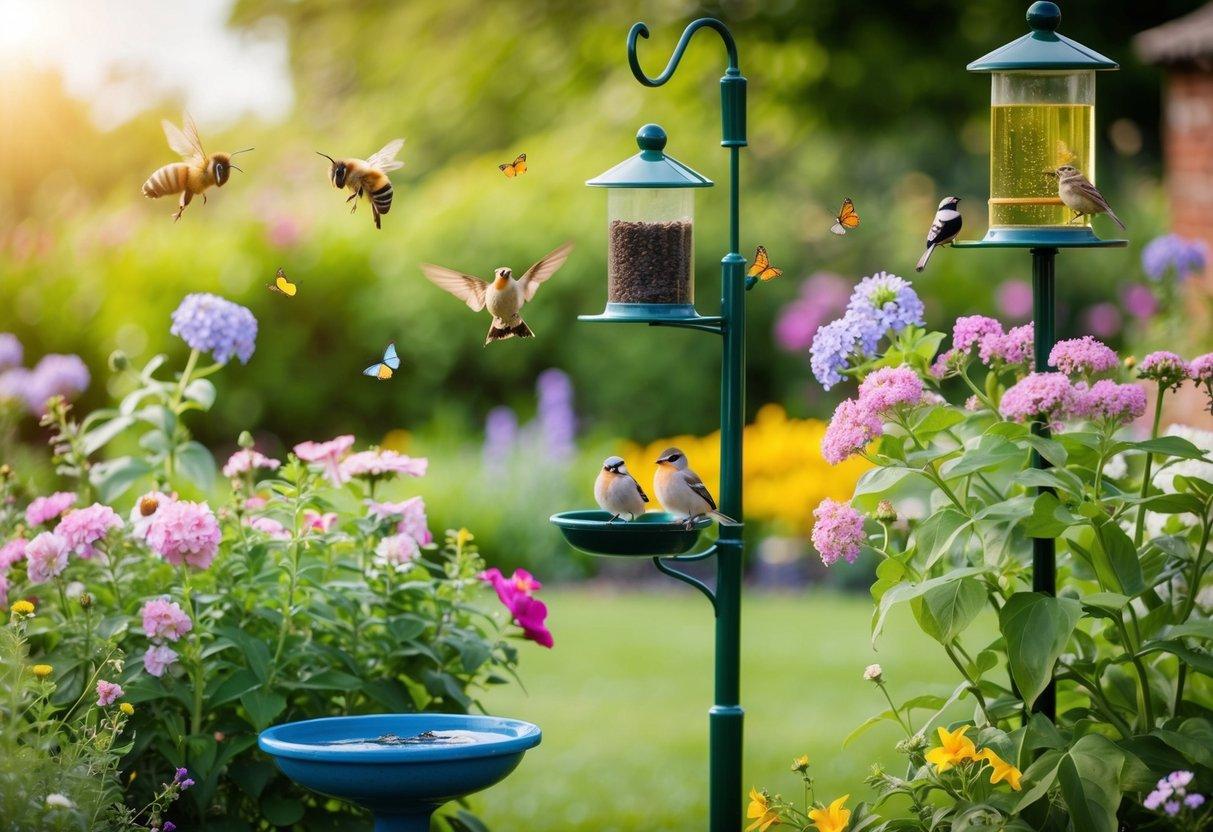
Why Birds and Butterflies Are Important for Home Gardens
Birds and butterflies play valuable roles in maintaining healthy gardens. Butterflies visit flowering plants while searching for nectar, adding movement and seasonal beauty to outdoor spaces. Birds contribute to vibrant garden ecosystems and make gardens more lively with their colorful appearance and natural activity.
Gardens that include a wide variety of flowers, shrubs, grasses, and native plants naturally become more attractive to wildlife. Even small urban gardens can provide welcoming spaces where birds and butterflies regularly visit.
By encouraging biodiversity, homeowners create gardens that remain colorful, dynamic, and enjoyable throughout the year.
Benefits of Wildlife-Friendly Gardens
- Attract colorful butterflies throughout the growing season.
- Create welcoming spaces for garden birds.
- Support local biodiversity.
- Add movement and natural beauty to outdoor spaces.
- Encourage sustainable gardening practices.
- Create enjoyable gardens for families and children.
- Enhance the appearance of flowers and landscapes.
- Promote environmentally responsible gardening.
Every Garden Can Support Wildlife
You do not need a large backyard to attract birds and butterflies. Balcony gardens, terrace gardens, rooftop gardens, community gardens, and even container gardens can provide valuable habitats. Choosing flowering plants, herbs, shrubs, and native species allows gardeners to create wildlife-friendly environments regardless of available space.
As more households include wildlife-friendly plants, neighborhoods become greener while providing additional habitats for birds, butterflies, and other beneficial creatures.
Plants That Attract Birds and Butterflies
| Plant Type | Wildlife Attraction |
|---|---|
| Marigold | Butterflies and beneficial insects. |
| Sunflower | Garden birds and pollinators. |
| Lavender | Butterflies and bees. |
| Zinnia | Colorful butterflies throughout the season. |
1. Flowering Plants Naturally Attract Butterflies
Butterflies are naturally attracted to gardens filled with colorful, nectar-rich flowers. By planting a variety of flowering species that bloom throughout the year, homeowners can encourage butterflies to visit regularly while adding vibrant color and movement to the garden.
Combining flowers with different blooming seasons ensures that butterflies continue visiting the garden over many months. Grouping similar flowering plants together also creates attractive displays that are easier for butterflies to locate.
Butterfly-Friendly Flowers
- Marigold
- Zinnia
- Lavender
- Cosmos
- Pentas
- Lantana
2. Gardens Provide Food and Shelter for Birds
Home gardens offer birds a welcoming environment by providing trees, shrubs, flowering plants, and natural shelter. Dense foliage creates safe resting places, while flowering and fruit-bearing plants encourage birds to visit throughout the year.
Installing bird feeders, shallow water bowls, and native shrubs further increases the variety of birds that may visit your garden. Even compact gardens can become popular resting places for many common garden bird species.
| Garden Feature | Benefit for Birds |
|---|---|
| Flowering Shrubs | Provide shelter and resting areas. |
| Bird Bath | Provides fresh drinking and bathing water. |
| Native Trees | Offer nesting and perching locations. |
| Bird Feeders | Encourage regular bird visits. |
3. Native Plants Help Build Healthy Garden Ecosystems
Native plants are well adapted to local climates and naturally support wildlife found in your region. Including native flowering plants, grasses, shrubs, and small trees creates habitats that birds, butterflies, and beneficial insects recognize and use throughout the year.
Mixing native species with ornamental garden plants creates attractive landscapes that are both visually appealing and environmentally responsible. Native plants also blend naturally into wildlife-friendly garden designs while requiring relatively simple maintenance.
Excellent Wildlife-Friendly Plants
- Sunflower
- Marigold
- Hibiscus
- Jasmine
- Lantana
- Ixora
4. Water Features Encourage More Wildlife
A simple water source can make your garden significantly more attractive to birds and butterflies. Bird baths, shallow water dishes, small fountains, or decorative ponds provide places where wildlife can drink and cool down, especially during warm weather.
Keeping water clean and easily accessible encourages regular visits while making your garden feel even more vibrant. Combined with flowering plants and natural shelter, water features help create a balanced and welcoming habitat for local wildlife.
5. Wildlife-Friendly Gardens Support Local Biodiversity
Every home garden contributes to the larger ecosystem by providing habitats for birds, butterflies, bees, and other beneficial wildlife. Although a single garden may seem small, many wildlife-friendly gardens across a neighborhood collectively create green corridors that allow animals and pollinators to thrive in urban environments.
By planting a diverse mix of flowers, shrubs, trees, and herbs, homeowners help create balanced ecosystems where wildlife can find food, shelter, and resting places throughout the year. These gardens become valuable refuges within rapidly growing cities.
Ways to Increase Garden Biodiversity
- Grow flowering plants with different blooming seasons.
- Plant native trees and shrubs.
- Include herbs that attract pollinators.
- Provide shallow water sources.
- Avoid removing every natural shelter area.
6. Gardens Become More Beautiful with Visiting Wildlife
Birds and butterflies bring movement, color, and life to every garden. Watching butterflies visit blooming flowers or listening to birds singing in nearby trees creates a peaceful outdoor environment that can be enjoyed throughout the year.
Wildlife-friendly gardens become living landscapes where plants and animals naturally interact. This creates a richer gardening experience while making outdoor spaces more enjoyable for families, children, photographers, and nature enthusiasts.
| Garden Element | Wildlife Benefit |
|---|---|
| Flower Beds | Provide nectar for butterflies. |
| Native Shrubs | Offer shelter for birds. |
| Small Trees | Create nesting and resting spaces. |
| Water Features | Support birds, butterflies, and beneficial insects. |
How to Start a Wildlife-Friendly Garden
Creating a garden that welcomes birds and butterflies begins with selecting diverse plant species. Include flowering plants, native shrubs, herbs, and small trees that bloom throughout different seasons. Providing food, shelter, and clean water encourages wildlife to visit regularly.
Even balcony gardens and small urban spaces can become valuable wildlife habitats by combining containers of flowering plants with water dishes and natural greenery. Start with a few carefully selected plants and gradually expand your garden over time.
Beginner-Friendly Wildlife Garden Plants
- Marigold
- Zinnia
- Sunflower
- Lavender
- Lantana
- Hibiscus
- Jasmine
- Cosmos
Simple Tips for Supporting Garden Wildlife
Maintaining a wildlife-friendly garden is simple. Keep flowering plants healthy, refill bird baths regularly, prune plants carefully, and provide year-round greenery wherever possible. A well-maintained garden naturally becomes more attractive to birds, butterflies, and beneficial insects.
Small improvements made consistently over time create lasting habitats that benefit wildlife while making your garden more colorful, vibrant, and enjoyable throughout every season.
Common Mistakes That Discourage Birds and Butterflies
Creating a wildlife-friendly garden requires more than simply planting flowers. Certain gardening practices can unintentionally make gardens less attractive to birds and butterflies. By avoiding these common mistakes, you can create a healthier environment where wildlife feels safe and continues to visit throughout the year.
| Common Mistake | Better Practice |
|---|---|
| Growing only one type of plant | Plant a diverse mix of flowers, shrubs, and trees. |
| Removing all natural shelter | Leave some shrubs and dense plants for resting places. |
| Ignoring water sources | Provide shallow, clean water for wildlife. |
| Poor plant maintenance | Keep flowering plants healthy throughout the year. |
| Using very few flowering plants | Grow flowers that bloom across multiple seasons. |
Creative Ideas for a Wildlife-Friendly Garden
Wildlife-friendly gardens can be both beautiful and functional. Combining flowering plants, native shrubs, decorative trees, water features, and comfortable seating creates outdoor spaces where people and wildlife can enjoy the garden together throughout the year.
- Create colorful flower borders with nectar-rich plants.
- Install a bird bath in a quiet garden corner.
- Grow climbing plants on fences and pergolas.
- Plant native shrubs for natural shelter.
- Add flowering herbs to attract butterflies.
- Mix trees, shrubs, flowers, and ground covers.
- Create a butterfly garden using seasonal flowering plants.
- Include decorative seating surrounded by greenery.
Frequently Asked Questions
Which flowers attract butterflies?
Marigolds, Zinnias, Lantanas, Lavender, Cosmos, Pentas, and Sunflowers are among the most popular flowering plants for attracting butterflies.
How can I attract more birds to my garden?
Grow trees and shrubs, provide fresh water in a bird bath, install bird feeders, and maintain a variety of flowering plants throughout your garden.
Can balcony gardens attract butterflies?
Yes. Balconies filled with flowering plants such as Marigolds, Pentas, Lantanas, and Zinnias can regularly attract butterflies, especially during flowering seasons.
Are wildlife-friendly gardens difficult to maintain?
No. Regular watering, seasonal pruning, healthy flowering plants, and clean water sources are usually enough to maintain a welcoming garden for birds and butterflies.
Every Garden Can Make a Difference
Every flower you plant, every shrub you grow, and every water source you provide contributes to a healthier environment for local wildlife. Whether your garden is a spacious backyard, a rooftop, or a small apartment balcony, it can become an important habitat for birds, butterflies, and other beneficial creatures.
By choosing wildlife-friendly plants and maintaining your garden throughout the seasons, you create a space that supports biodiversity while bringing natural beauty, color, and movement into your everyday surroundings. Small gardening efforts can have a lasting positive impact on both your home and the local environment.
Wildlife Garden Maintenance Checklist
A healthy wildlife-friendly garden requires regular care to remain attractive to birds, butterflies, and other beneficial wildlife. Following a simple maintenance routine ensures your plants stay vibrant while providing food, shelter, and water throughout the year.
| Gardening Activity | Recommended Frequency | Purpose |
|---|---|---|
| Water flowering plants | As required | Maintain healthy blooms and foliage. |
| Clean and refill bird baths | Every 2–3 days | Provide fresh water for birds and butterflies. |
| Remove dry flowers and leaves | Weekly | Encourage healthy plant growth. |
| Inspect plants for pests | Weekly | Keep plants healthy throughout the year. |
| Apply organic fertilizer | Every 4–6 weeks | Support continuous flowering and healthy growth. |
Signs Your Wildlife Garden Is Thriving
A healthy wildlife garden becomes increasingly active as plants mature and seasonal flowers bloom. Regular visits from birds and butterflies are strong indicators that your garden provides a welcoming habitat filled with food, shelter, and natural beauty.
- Butterflies regularly visit flowering plants.
- Birds frequently rest, feed, or sing in the garden.
- Flowers bloom consistently throughout the seasons.
- Plants produce healthy new leaves and shoots.
- Bird baths and feeders receive regular visitors.
- The garden supports a variety of flowering species.
- Your outdoor space remains colorful, lively, and full of natural activity.
Create a Wildlife-Friendly Garden with BloomingDen
BloomingDen offers a carefully selected collection of flowering plants, native species, shrubs, ornamental plants, decorative planters, premium potting mixes, and professional gardening services to help you create a thriving wildlife-friendly garden. Whether you have a backyard, balcony, terrace, or rooftop garden, we provide everything needed to attract birds, butterflies, and other beneficial wildlife.
Explore our range of butterfly-friendly flowers, bird-friendly plants, gardening accessories, and expert guidance to build a beautiful garden that supports biodiversity while transforming your outdoor space into a vibrant natural sanctuary.
Conclusion
Home gardens have the power to become thriving habitats for birds, butterflies, and countless beneficial creatures. By planting a diverse collection of flowering plants, shrubs, native species, and small trees, homeowners can create beautiful outdoor spaces that support local biodiversity while enhancing the beauty of their surroundings.
Whether your garden is a spacious backyard, a rooftop retreat, a balcony filled with containers, or a small courtyard, every plant contributes to creating a healthier environment. Providing flowers, clean water, and natural shelter encourages wildlife to return season after season, making your garden more colorful and enjoyable every year.
Start with a few butterfly-friendly flowers and bird-attracting plants, care for them consistently, and gradually expand your garden over time. Every bloom, every shrub, and every visitor from nature helps create a greener, more sustainable world—one garden at a time.