
How Plants Help Reduce Indoor Temperature: Natural Ways to Keep Your Home Cooler
During hot weather, keeping indoor spaces comfortable becomes a priority for many homeowners. While air conditioners and fans provide immediate relief, plants offer a natural way to create cooler and more pleasant living environments. Indoor plants, balcony gardens, and outdoor greenery help reduce heat around homes while adding beauty and freshness to everyday living spaces.
Whether you live in an apartment, independent house, or urban home, strategically placing plants indoors and around your property can contribute to a more comfortable environment. This guide explores how plants help reduce indoor temperature, which plants are best suited for cooling, and how you can design a greener home that stays naturally comfortable throughout the year.
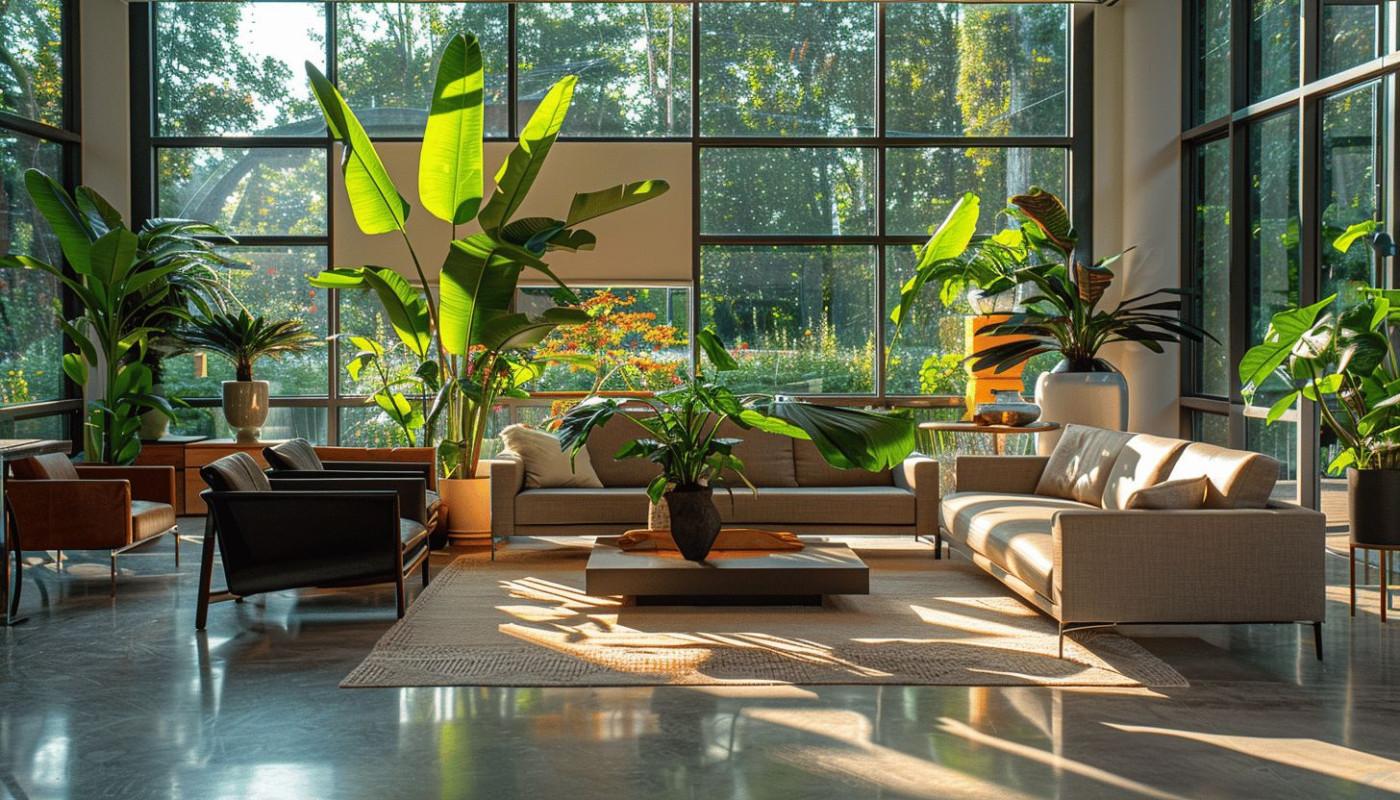
How Plants Help Keep Homes Cooler
Plants help create cooler surroundings by providing shade, covering heat-absorbing surfaces, and surrounding homes with natural greenery. Trees, shrubs, balcony plants, climbing vines, and indoor plants all contribute to reducing the amount of direct sunlight that reaches walls, windows, balconies, and outdoor spaces.
Green spaces also make homes feel fresher and more inviting. Even a small collection of indoor plants or balcony containers can soften hard surfaces and create a naturally pleasant atmosphere throughout the home.
Combining indoor plants with outdoor landscaping provides an attractive and environmentally friendly approach to improving comfort during warmer months.
Benefits of Cooling Plants
- Provide natural shade around homes.
- Create greener and more comfortable living spaces.
- Reduce direct sunlight on balconies and windows.
- Improve the appearance of indoor and outdoor areas.
- Support sustainable home landscaping.
- Suitable for apartments and independent homes.
- Enhance balcony and terrace gardens.
- Create refreshing environments throughout the year.
Every Home Can Benefit from Cooling Plants
You do not need a large garden to enjoy the cooling benefits of plants. Apartments can use balcony gardens, hanging baskets, and indoor plants, while independent homes can incorporate trees, shrubs, terrace gardens, and climbing vines. Every green addition helps create a more pleasant living environment.
Selecting plants based on available space and sunlight allows homeowners to maximize greenery while creating attractive landscapes that remain easy to maintain.
Best Places to Add Cooling Plants
| Location | Recommended Plants |
|---|---|
| Living Room | Areca Palm, Rubber Plant, Peace Lily. |
| Balcony | Money Plant, Bougainvillea, Hanging Plants. |
| Terrace | Large containers, shrubs, climbing vines. |
| Windows | Pothos, Spider Plant, Herbs. |
1. Plants Provide Natural Shade
One of the most effective ways plants help reduce indoor temperature is by providing natural shade. Trees, shrubs, climbing plants, and balcony greenery reduce the amount of direct sunlight that reaches walls, windows, balconies, and terraces. Less direct sunlight means surrounding surfaces absorb less heat, making indoor spaces feel more comfortable.
Climbing plants grown on trellises, pergolas, or balcony railings can create attractive green screens that block harsh afternoon sunlight while maintaining airflow. Larger outdoor trees also provide long-term shade for homes and surrounding landscapes.
Ways Plants Provide Natural Shade
- Plant trees near sunny outdoor areas.
- Grow climbing vines on balconies.
- Install vertical gardens on exposed walls.
- Use shrubs around patios and entrances.
- Place tall potted plants near windows.
2. Balcony Plants Help Create Cooler Outdoor Spaces
Balcony gardens add beauty while helping reduce heat around apartment homes. Containers filled with flowering plants, climbing vines, herbs, and ornamental foliage soften hard surfaces that normally absorb sunlight throughout the day. A greener balcony creates a more pleasant outdoor environment for relaxing and enjoying fresh air.
Combining railing planters, hanging baskets, and tall decorative plants creates multiple layers of greenery that improve the appearance of balconies while providing additional natural shade.
| Balcony Area | Recommended Plants |
|---|---|
| Railing Planters | Petunias, Bougainvillea, Herbs. |
| Hanging Baskets | Pothos, Spider Plant, English Ivy. |
| Corner Pots | Areca Palm, Rubber Plant. |
| Wall Trellis | Money Plant, Jasmine, Climbing Roses. |
3. Indoor Plants Make Living Spaces More Comfortable
Indoor plants help transform living rooms, bedrooms, home offices, and dining areas into greener and more welcoming environments. Their natural beauty softens interior spaces while creating a refreshing atmosphere that feels comfortable during warm weather.
Large leafy plants placed near bright windows or sunny corners add visual appeal while complementing modern interior design. Smaller houseplants placed on shelves, tables, and windowsills help distribute greenery throughout the home.
Best Indoor Cooling Plants
- Areca Palm
- Peace Lily
- Snake Plant
- Rubber Plant
- Spider Plant
- Pothos
4. Terrace Gardens Help Reduce Heat Around Homes
Terrace gardens are an excellent way to introduce greenery to flat rooftops while creating beautiful outdoor spaces. Containers filled with shrubs, ornamental plants, flowering species, and climbing vines provide shade and reduce the amount of heat absorbed by exposed rooftop surfaces.
With comfortable seating and thoughtfully arranged plants, terrace gardens become relaxing outdoor retreats that enhance the appearance of the home while contributing to a cooler and greener living environment.
5. Outdoor Landscaping Helps Create Cooler Surroundings
Landscaping with trees, shrubs, flowering plants, and ground covers creates pleasant outdoor environments around homes. Green landscapes soften concrete surfaces, decorate open spaces, and provide natural shade that makes gardens, patios, and walkways more comfortable during warm weather.
Combining different plant heights and varieties creates attractive landscapes while maximizing the cooling effect around the property. Large shade trees, ornamental shrubs, and flowering borders work together to create inviting outdoor spaces that remain enjoyable throughout the year.
Landscaping Ideas for Cooler Homes
- Plant shade trees along sunny boundaries.
- Create flower beds around patios.
- Grow climbing plants over pergolas.
- Use shrubs near outdoor seating areas.
- Add decorative plants around entrances.
6. Cooling Plants Improve Home Aesthetics
Cooling plants not only help create comfortable living environments but also enhance the beauty of every home. Large leafy plants, colorful flowers, climbing vines, and decorative planters bring natural texture and vibrant greenery that complement modern architecture and interior design.
Whether displayed indoors or outdoors, healthy plants make homes appear more welcoming and visually appealing. A thoughtfully designed collection of greenery can transform ordinary spaces into attractive living environments that family members and guests enjoy throughout the year.
| Home Area | Recommended Cooling Plants |
|---|---|
| Living Room | Areca Palm, Rubber Plant. |
| Bedroom | Snake Plant, Peace Lily. |
| Balcony | Bougainvillea, Money Plant, Hanging Plants. |
| Terrace | Shrubs, flowering plants, climbing vines. |
Choosing the Best Cooling Plants for Your Home
Selecting the right plants depends on available space, sunlight, and your home's layout. Large leafy plants are ideal for spacious living rooms and terraces, while compact plants perform well on balconies, windowsills, and apartment interiors. Matching plants to their growing conditions ensures healthy development and long-term success.
Combining indoor plants with outdoor landscaping provides year-round greenery while creating attractive living spaces that remain easy to maintain. Start with a few hardy plants and gradually expand your collection as your gardening experience grows.
Popular Cooling Plants
- Areca Palm
- Snake Plant
- Peace Lily
- Rubber Plant
- Spider Plant
- Pothos
- Money Plant
- Bamboo Palm
Simple Tips for Maintaining Cooling Plants
Healthy plants provide the greatest long-term benefits when they receive proper care. Water plants according to their needs, place them in suitable lighting conditions, remove dry or damaged leaves, and feed them with appropriate fertilizer during active growing seasons.
Regular maintenance keeps plants healthy, attractive, and capable of enhancing both the appearance and comfort of your home throughout every season.
Common Mistakes When Using Plants for Natural Cooling
Plants can contribute to a cooler and more comfortable home, but proper planning is important. Choosing suitable plants, placing them in the right locations, and maintaining them regularly ensures they remain healthy while maximizing their natural cooling benefits.
| Common Mistake | Better Practice |
|---|---|
| Choosing plants without considering sunlight | Select plants suited to your home's lighting conditions. |
| Overcrowding indoor spaces | Allow adequate spacing for healthy growth. |
| Overwatering plants | Water only when the soil requires it. |
| Ignoring plant maintenance | Prune, clean leaves, and inspect plants regularly. |
| Using unsuitable containers | Choose pots with proper drainage. |
Creative Ways to Use Plants for Natural Cooling
A combination of indoor plants, balcony gardens, terrace greenery, and outdoor landscaping creates an attractive home while naturally reducing exposure to direct sunlight. Thoughtful placement allows plants to become both decorative features and functional elements of your home's design.
- Place large leafy plants near bright windows.
- Create a shaded balcony using climbing vines.
- Install vertical gardens on sunny exterior walls.
- Grow shrubs around patios and outdoor seating areas.
- Decorate terraces with large container plants.
- Use hanging baskets to soften sunny balconies.
- Create a green entrance with decorative planters.
- Combine indoor and outdoor plants for year-round greenery.
Frequently Asked Questions
Can indoor plants help reduce indoor temperature?
Indoor plants help create a fresher and more comfortable living environment, especially when combined with outdoor greenery and proper home ventilation.
Which plants are best for creating cooler homes?
Areca Palm, Snake Plant, Peace Lily, Rubber Plant, Spider Plant, Bamboo Palm, Money Plant, and Pothos are popular choices for homes and apartments.
Can apartment balconies help reduce heat?
Yes. Balcony gardens with climbing plants, hanging baskets, and tall containers provide shade while creating more pleasant outdoor spaces.
Do I need a large garden to enjoy cooling plants?
No. Even small balconies, terraces, windowsills, and indoor corners can accommodate plants that contribute to a greener and more comfortable home.
Designing a Cooler and Greener Home
Creating a naturally comfortable home begins with thoughtful landscaping and indoor plant placement. Start with a few well-chosen plants near sunny windows, balconies, or terraces, then gradually expand your collection with larger decorative plants, climbing vines, and outdoor greenery as space allows.
By combining attractive landscaping with healthy indoor plants, you can create a home that feels greener, more inviting, and more enjoyable throughout every season while embracing sustainable gardening practices.
Cooling Plant Care Checklist
Healthy plants provide long-lasting beauty and contribute to a fresher home environment. Following a simple maintenance routine helps indoor and outdoor cooling plants remain vibrant throughout the year while keeping your living spaces attractive and comfortable.
| Care Activity | Recommended Frequency | Purpose |
|---|---|---|
| Check soil moisture | Every 2–3 days | Maintain proper watering levels. |
| Water plants | As required | Support healthy growth. |
| Clean leaves | Every 2–4 weeks | Keep foliage healthy and attractive. |
| Inspect for pests | Weekly | Identify issues before they spread. |
| Apply fertilizer | Every 4–6 weeks | Encourage healthy foliage and steady growth. |
Signs Your Cooling Plants Are Healthy
Healthy plants maintain their beauty throughout the year while enhancing both indoor and outdoor spaces. Regular observation helps you recognize healthy growth and address small problems before they affect the entire plant collection.
- Leaves remain green, healthy, and vibrant.
- Plants produce steady new growth.
- Stems remain strong and upright.
- Roots develop well inside containers.
- Minimal yellowing or leaf drop.
- Plants remain free from major pest damage.
- Indoor and outdoor spaces stay lush and attractive.
Create a Naturally Cooler Home with BloomingDen
BloomingDen offers a wide collection of indoor plants, balcony plants, shade-loving varieties, decorative planters, premium potting mixes, and professional gardening services to help you create greener and more comfortable living spaces. Whether you want to enhance your apartment, terrace, balcony, or garden, we have solutions for every home.
Explore our carefully selected cooling plants and gardening accessories to design a beautiful home that combines natural greenery, modern aesthetics, and year-round comfort.
Conclusion
Plants are an excellent addition to any home, bringing beauty, shade, and a refreshing natural atmosphere. From indoor foliage plants and balcony gardens to terrace landscaping and outdoor trees, every green space contributes to a more inviting and enjoyable living environment.
By thoughtfully placing plants around windows, balconies, patios, and living areas, homeowners can create greener surroundings that complement sustainable home design. Selecting suitable plant varieties and maintaining them regularly ensures long-lasting beauty throughout every season.
Start with a few easy-to-care-for plants, gradually expand your collection, and enjoy a home filled with natural greenery. Every plant adds character, enhances outdoor and indoor spaces, and helps create a cooler, more relaxing environment for you and your family.