
How to Grow Roses at Home: A Complete Beginner’s Guide
Growing roses at home is a rewarding way to add color, fragrance, and natural beauty to your garden, balcony, or terrace. With the right variety, sufficient sunlight, suitable soil, and proper watering, beginners can successfully grow roses in pots or directly in the ground.
Roses are available in many colors, including red, pink, white, yellow, orange, and peach. Some varieties are known for their fragrance, while others are valued for repeat flowering, compact growth, or suitability for container gardening.
Although roses require regular sunlight and maintenance, understanding their basic growing requirements can make rose gardening much easier. This beginner-friendly guide explains how to choose rose plants, prepare the soil, water correctly, encourage flowering, and manage common gardening problems in Indian conditions.
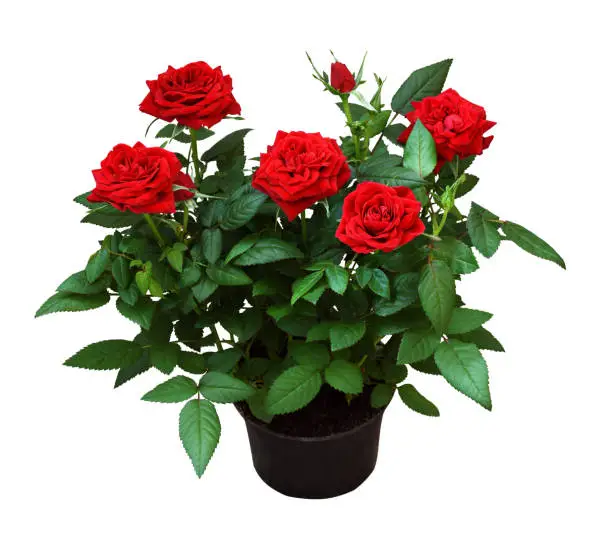
Rose Plant Care at a Glance
Roses generally grow best in sunny locations with fertile, well-draining soil, regular watering, good airflow, and appropriate feeding during active growth.
| Care Factor | General Requirement |
|---|---|
| Sunlight | Around 6–8 hours of direct sunlight daily, where practical |
| Water | Water thoroughly when the upper soil begins to dry |
| Soil | Fertile, moisture-retentive, well-draining soil |
| Pot | A suitably sized container with drainage holes |
| Fertilizer | Balanced rose fertilizer during active growth |
| Pruning | Remove dead growth and prune according to the rose variety |
| Temperature | Mild to warm conditions with protection from extreme heat |
Why Grow Roses at Home?
Roses are popular garden plants because they offer beautiful flowers, attractive foliage, and, in many varieties, a pleasant fragrance. They can be grown in traditional gardens, balconies, terraces, courtyards, and other outdoor spaces that receive sufficient sunlight.
Beautiful Flowers
Roses provide a variety of flower colors, shapes, and sizes that can brighten outdoor spaces and home gardens.
Pleasant Fragrance
Many rose varieties have fragrant flowers, making them appealing choices for gardens and outdoor seating areas.
Suitable for Pots
Compact and miniature rose varieties can grow successfully in containers when their sunlight, water, and root-space needs are met.
Choosing the Right Rose Variety for Beginners
Choosing an appropriate rose variety is an important first step. Consider the space available, the amount of sunlight, the expected mature size, and whether you prefer fragrant flowers, compact growth, or repeat flowering.
| Rose Type | Main Characteristics | Suitable Growing Space |
|---|---|---|
| Miniature Roses | Compact plants with relatively small flowers | Small gardens and suitable pots |
| Floribunda Roses | Often produce clusters of flowers | Gardens and larger containers |
| Hybrid Tea Roses | Often have large, well-formed individual blooms | Sunny gardens and spacious pots |
| Climbing Roses | Produce long canes that can be trained on supports | Walls, arches, trellises, and spacious gardens |
| Shrub Roses | Often have a bushy growth habit | Garden beds and large containers, depending on variety |
Beginner Tip
If you have limited space, start with a healthy miniature rose or a compact, container-suitable variety. Ask your local nursery which varieties perform well in your climate and whether the plant is suited to pots or garden beds.
How Much Sunlight Do Rose Plants Need?
Sunlight is one of the most important factors in growing roses at home. Most flowering roses perform best with approximately six or more hours of direct sunlight daily. Insufficient light can lead to weak growth, fewer flowers, and increased disease problems in some conditions.
In very hot Indian summers, strong afternoon sunlight can place additional stress on plants, particularly in small pots. Morning sunlight combined with protection from the harshest afternoon heat may help in particularly hot locations, although flowering can vary with the amount of light received.
| Light Condition | Possible Effect |
|---|---|
| Sufficient Direct Sunlight | Generally supports stronger growth and flowering. |
| Partial Sunlight | Some roses can grow, but flowering may be reduced. |
| Very Shady Location | Can result in weak growth and fewer flowers. |
| Intense Heat and Sun | May cause wilting, scorched foliage, or rapid soil drying. |
Best Soil for Growing Roses at Home
Roses grow best in fertile, well-draining soil that retains enough moisture to support their roots without becoming waterlogged. Good soil structure also helps roots access air and nutrients.
For container-grown roses, use a quality potting medium suitable for flowering plants. A mixture containing potting soil or coco-based growing medium, mature compost, and materials that improve drainage can work well when balanced appropriately. Avoid using heavy garden soil alone in pots because it may compact and drain poorly.
Good Drainage
Allows excess water to escape and helps prevent prolonged saturation around the roots.
Organic Matter
Mature compost can improve soil structure and contribute nutrients.
Suitable Soil Texture
A loose, stable growing medium supports root development and balanced moisture retention.
How to Choose the Right Pot for Roses
Roses can grow well in pots when the container provides sufficient root space and drainage. Choose a pot according to the mature size and growth habit of the variety rather than selecting a container based only on its appearance.
Many compact roses can begin in pots around 30–35 cm wide, while larger varieties may need substantially bigger containers. Check the nursery's guidance for the particular plant and repot when its roots and growth indicate that more space is needed.
- Choose a pot with unobstructed drainage holes.
- Use a container appropriate for the rose variety.
- Ensure the pot is stable enough to support the plant.
- Use fresh, suitable growing medium when planting.
- Avoid leaving the container standing in collected water.
How to Plant a Rose at Home
Starting with a healthy nursery plant is often the easiest way for beginners to grow roses. Look for a plant with healthy leaves, firm stems, and no obvious signs of pests, disease, or severe root damage.
Step 1: Prepare the Pot
Select a suitably sized container with drainage holes and fill it partially with fresh, well-draining growing medium.
Step 2: Remove the Plant Carefully
Slide the rose out of its nursery container while supporting the root ball and minimizing root disturbance.
Step 3: Position the Rose
Place the plant at an appropriate depth for its type, keeping the existing root ball intact where possible.
Step 4: Water and Settle
Fill around the root ball, water thoroughly, and allow excess water to drain from the pot.
After Planting
Give a newly planted rose time to adjust. Keep its soil appropriately moist without saturating it, and avoid applying strong fertilizer immediately unless the product instructions or nursery guidance specifically recommend it.
How Often Should You Water Rose Plants?
Rose plants need regular moisture, especially during active growth and flowering. However, watering frequency depends on the pot size, soil, temperature, sunlight, rainfall, and plant maturity.
Check the upper layer of soil before watering. If it has started to dry, water thoroughly around the root zone and allow excess water to drain. Container-grown roses may need more frequent checks during hot weather, while plants may use less water during cooler or rainy periods.
- Check soil moisture instead of relying on a fixed calendar.
- Water the soil around the roots rather than routinely soaking the flowers.
- Water thoroughly when needed, allowing excess water to escape.
- Avoid keeping the soil continuously saturated.
- Check pots more frequently during hot, dry weather.
- Account for rainfall before adding more water during the monsoon.
Avoid Overwatering Roses
Soil that remains waterlogged can deprive roots of oxygen and contribute to root damage. Yellowing leaves, wilting despite wet soil, and persistent dampness are reasons to check drainage and root health.
Best Fertilizer for Rose Plants
Roses benefit from suitable nutrition during active growth. A balanced fertilizer formulated for roses or flowering plants can support foliage, root development, and flowering when used according to its instructions.
Mature compost can also help improve soil structure and provide some nutrients. However, compost and fertilizer should not be used excessively. Too much nitrogen may encourage leafy growth at the expense of flowering, and excessive fertilizer salts can damage roots.
| Nutrient or Amendment | General Purpose |
|---|---|
| Balanced Rose Fertilizer | Provides a combination of nutrients for overall growth. |
| Mature Compost | Helps improve soil structure and contributes organic matter. |
| Potassium-Containing Fertilizer | Supplies potassium as part of balanced plant nutrition. |
Fertilizing Tip
Follow the fertilizer label for dosage and application frequency. Adjust feeding to the rose variety, season, growing medium, and plant condition. Avoid fertilizing severely stressed or very dry plants until their immediate growing conditions have been addressed.
How to Make Rose Plants Bloom More
Healthy rose plants can produce more flowers when their basic growing needs are met. Flowering depends on the variety, age of the plant, sunlight, nutrition, watering, pruning, and local weather.
Provide Enough Sunlight
Most flowering roses need several hours of direct sunlight to support healthy growth and flower production.
Maintain Balanced Nutrition
Feed appropriately during active growth without excessive nitrogen or unnecessary fertilizer applications.
Remove Spent Flowers
Deadheading repeat-flowering varieties can encourage another flowering cycle when growing conditions are suitable.
Rose Plant Pruning and Deadheading
Pruning helps remove dead or damaged growth and can maintain a suitable shape. The best pruning method depends on the type of rose. Many garden roses benefit from more substantial pruning during a suitable seasonal period, while climbing and miniature varieties may require different approaches.
Deadheading means removing flowers that have finished blooming. For repeat-flowering roses, removing spent blooms can help redirect the plant's resources and improve its appearance. Some varieties do not need frequent deadheading, so consider the plant's growth habit and flowering characteristics.
- Use clean, sharp pruning tools.
- Remove dead, diseased, or damaged stems where appropriate.
- Remove spent blooms from repeat-flowering roses if desired.
- Avoid removing too much healthy growth at once.
- Check the recommended pruning time for your rose variety and climate.
How to Care for Roses During Indian Summers
Hot weather can increase water loss from both the soil and the plant. Roses growing in pots may experience greater temperature fluctuations because their root zones heat up and dry out more quickly than those in the ground.
- Check container moisture more frequently during hot weather.
- Water when needed rather than automatically increasing the quantity.
- Protect plants from excessive afternoon heat if they show heat stress.
- Use suitable mulch over the soil surface while keeping it away from stems.
- Maintain good airflow around the foliage.
- Avoid heavy feeding during periods of severe heat stress.
Rose Plant Care During the Monsoon
Monsoon conditions can bring higher humidity, reduced sunlight, and prolonged wetness. These conditions may increase the risk of fungal diseases, especially when rose foliage remains wet and airflow is poor.
- Ensure pots and garden beds drain freely.
- Check the soil before watering after rainfall.
- Avoid overcrowding plants and maintain airflow.
- Remove fallen leaves and diseased plant material.
- Inspect foliage for spots, mildew, and unusual discoloration.
- Where possible, avoid routinely wetting leaves late in the day.
Rose Plant Care During Winter
In many parts of India, cooler months can provide favorable conditions for rose growth and flowering. However, the exact growing season varies according to local climate, variety, and temperature.
- Place roses in a sunny location.
- Adjust watering as the soil may dry more slowly in cooler weather.
- Check whether seasonal pruning is appropriate for the variety.
- Feed according to active growth and product instructions.
- Protect plants from unusually cold conditions where necessary.
Common Rose Plant Problems and Their Solutions
Rose plants can experience yellow leaves, black spots, powdery mildew, aphids, weak growth, or a lack of flowers. These symptoms can have different causes, so inspect the entire plant and its growing conditions before choosing a treatment.
| Problem | Possible Causes | What to Check |
|---|---|---|
| Yellow Leaves | Watering problems, nutrient deficiencies, pests, or natural aging | Soil moisture, drainage, foliage, and nutrition |
| Black Spots | Possible fungal disease, including rose black spot | Leaf markings, fallen foliage, airflow, and moisture |
| White Powdery Coating | Possible powdery mildew | New leaves, buds, airflow, and disease progression |
| Aphids | Sap-feeding insects often found on young shoots and buds | New growth, flower buds, and the undersides of leaves |
| Few Flowers | Insufficient sunlight, unsuitable pruning, nutrition problems, or heat stress | Sun exposure, variety, feeding, and seasonal conditions |
| Wilting | Dry soil, root problems, heat stress, or disease | Soil moisture, drainage, root health, and temperature |
How to Protect Roses from Pests
Common rose pests include aphids, spider mites, and thrips. Some pests feed on tender shoots, while others damage leaves or flowers. Regular inspection helps you notice infestations before they spread widely.
- Inspect new shoots, buds, and leaf undersides regularly.
- Remove heavily affected plant material when appropriate.
- Use a gentle stream of water to dislodge suitable pests where practical.
- Maintain good airflow and avoid unnecessary plant stress.
- Identify the pest before selecting a control method.
- If a treatment is necessary, use a product labeled for the pest and plant and follow its directions.
Inspect Before Treating
Yellowing, leaf spots, and distorted growth do not always indicate a pest infestation. Watering, sunlight, nutrition, weather, and diseases can cause similar symptoms. Identify the likely cause before applying pesticides or other treatments.
How to Grow Roses from Cuttings
Growing roses from stem cuttings is one way to propagate certain rose varieties at home. However, success depends on the variety, cutting maturity, environmental conditions, and rooting method. Some roses root more readily than others.
- Select a healthy stem from a suitable rose plant.
- Use clean, sharp pruning tools to prepare a suitable cutting.
- Remove lower leaves while retaining a small number of healthy leaves.
- Place the cutting in a clean, moist, well-draining propagation medium.
- Maintain suitable warmth, indirect light, and moisture without waterlogging.
- Monitor for root development and signs of rot or wilting.
Propagation Tip
Rose cuttings can take several weeks or longer to root, and not every cutting will succeed. For beginners, buying a healthy nursery-grown plant is often a more reliable way to start a rose garden.
How Long Does It Take for Roses to Grow?
The time required for a rose to grow and flower depends on whether you start with a mature nursery plant, a young plant, or a stem cutting. Variety, climate, sunlight, and care also affect development.
| Starting Method | General Expectation |
|---|---|
| Established Nursery Plant | May flower soon after planting if mature and growing conditions are suitable. |
| Young Rose Plant | May need time to establish before flowering consistently. |
| Stem Cutting | Must first develop roots and establish new growth; timing varies. |
| Rose Grown from Seed | Can take considerably longer and may not produce flowers identical to the parent plant. |
Common Mistakes to Avoid When Growing Roses
Many beginner problems can be avoided by choosing the right location, monitoring soil moisture, and providing suitable growing conditions. Avoid changing several care factors at once unless the plant needs immediate attention.
| Common Mistake | Why It Can Be a Problem | Better Approach |
|---|---|---|
| Insufficient Sunlight | Can reduce flowering and weaken growth. | Choose a location with sufficient direct sunlight. |
| Overwatering | Can cause poor root-zone conditions and root damage. | Check the soil and ensure good drainage. |
| Poor Soil | May restrict drainage, aeration, and root development. | Use fertile, well-draining growing medium. |
| Excess Fertilizer | Can damage roots and encourage unbalanced growth. | Follow the product label. |
| Ignoring Pests | Small infestations can spread and damage new growth. | Inspect foliage and buds regularly. |
| Incorrect Pruning | Can remove productive growth or stress the plant. | Follow pruning guidance for the rose variety. |
Frequently Asked Questions About Growing Roses at Home
Can beginners grow roses at home?
Yes. Beginners can grow roses successfully by choosing a suitable variety, providing enough sunlight, using well-draining soil, watering appropriately, and monitoring for pests and diseases.
Can roses grow in pots?
Yes. Many miniature, compact, and selected larger rose varieties can grow in containers. Choose a suitable pot with drainage holes and provide enough sunlight, root space, and nutrition.
How much sunlight do roses need?
Most roses perform best with around six or more hours of direct sunlight daily. In extremely hot conditions, monitor plants for heat stress and adjust their location when necessary.
How often should I water my rose plant?
Water when the upper soil begins to dry, adjusting according to weather, pot size, soil, sunlight, and plant growth. Avoid both prolonged dryness and constantly waterlogged soil.
Why is my rose plant not flowering?
Possible causes include insufficient sunlight, unsuitable pruning, excessive nitrogen, immature growth, heat stress, or seasonal changes. Review the plant's overall conditions before changing its care routine.
Why are my rose leaves turning yellow?
Yellow leaves may be caused by overwatering, poor drainage, nutritional problems, pests, disease, or natural leaf aging. Check soil moisture, foliage, and recent environmental changes to identify the likely cause.
Which month is best for planting roses in India?
The best planting time depends on your region and the type of rose. In many parts of India, cooler periods are favorable for establishing roses. Follow local nursery guidance and avoid planting during extreme heat when possible.
Which fertilizer is best for rose plants?
A balanced fertilizer formulated for roses or flowering plants can provide suitable nutrition. Follow the label instructions and avoid excessive feeding, particularly when plants are stressed.
Can roses grow in partial shade?
Some roses can grow in partial shade, but flowering may be reduced compared with plants receiving sufficient direct sunlight. Choose varieties suited to the light available in your garden.
How can I encourage more rose flowers?
Provide sufficient sunlight, balanced nutrition, appropriate watering, and variety-specific pruning. Removing spent blooms can also help some repeat-flowering roses produce additional flowers.
Important Rose Care Reminder
Every rose variety and growing environment is different. Use these recommendations as general guidance, observe your plant regularly, and consult a qualified horticulturist or local nursery when a persistent problem is difficult to identify.
Rose Plant Care Checklist
A simple care routine can help beginners maintain healthier rose plants. Use this checklist to review your plant's growing conditions and notice problems early.
Regular Rose Care Checklist
- ✓ Check the soil before watering.
- ✓ Confirm that the plant receives sufficient sunlight.
- ✓ Make sure the pot or garden bed drains properly.
- ✓ Inspect leaves and buds for pests or unusual spots.
- ✓ Remove fallen and diseased plant material.
- ✓ Remove spent flowers from repeat-flowering varieties when appropriate.
- ✓ Feed according to the plant's growth and fertilizer instructions.
- ✓ Review growing conditions when the plant shows signs of stress.
Monthly Rose Plant Maintenance
| Task | What to Check |
|---|---|
| Foliage | Look for yellowing, black spots, mildew, or pest damage. |
| Soil | Review drainage, moisture retention, and soil condition. |
| Container | Check stability, root space, and drainage holes. |
| Nutrition | Review whether feeding is appropriate for the current growth stage. |
| Growth | Observe new shoots, flowering, and overall plant development. |
Final Thoughts on Growing Roses at Home
Growing roses at home does not require an elaborate garden or years of gardening experience. With a suitable variety, enough sunlight, well-draining soil, balanced nutrition, and sensible watering, beginners can enjoy beautiful rose plants in pots, balconies, terraces, and garden beds.
The most important step is to understand the needs of your particular rose. Monitor the soil, observe changes in foliage, adjust watering to local weather, and provide suitable maintenance throughout the growing season.
Start with one healthy rose plant, learn how it responds to your environment, and build your gardening skills over time. With patience and consistent care, roses can become a beautiful and rewarding part of your home garden.
Grow a Beautiful Garden with BloomingDen
Discover practical gardening tips, plant care guides, and inspiration to help you create a greener, healthier, and more beautiful home garden.
Explore BloomingDen