
How to Start a Garden in India 2026: A Complete Beginner's Guide
Gardening Made Easy: Learn how to start a garden in India, choose the right location, select plants, prepare soil, choose containers, understand sunlight, water correctly, and build a simple gardening routine.
Posted: August 13, 2026 | Gardening for Beginners
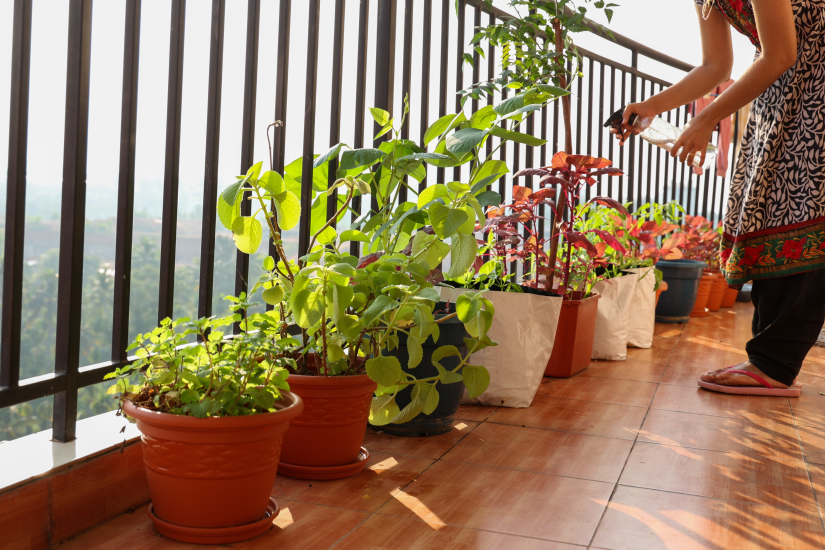
Starting a garden at home can be much easier than it first appears. You do not need a large backyard or expensive gardening equipment to grow healthy plants. A balcony, terrace, courtyard, windowsill, or a few containers can be enough to create your first garden.
The key to successful gardening in India is understanding the conditions available in your space. Sunlight, temperature, rainfall, soil, drainage, container size, and the type of plants you choose all affect how well your garden grows.
India's climate varies considerably between regions. A plant that performs well in a hot and dry area may need different care in a humid coastal location or a cooler region. For this reason, beginners should select plants according to their local climate and the specific conditions of their garden.
This guide explains how to start a garden in India step by step, from selecting the right location and preparing soil to choosing plants, watering, fertilizing, dealing with pests, and maintaining your garden throughout the year.
IN THIS ARTICLE
- Why Start a Garden?
- Step 1: Plan Your Garden
- Step 2: Choose the Right Location
- Step 3: Understand Sunlight
- Step 4: Choose the Right Plants
- Step 5: Choose Pots and Containers
- Step 6: Prepare the Soil
- Step 7: Plant Correctly
- Step 8: Learn How to Water
- Step 9: Feed Your Plants
- Step 10: Garden According to the Seasons
- How to Start a Balcony Garden
- How to Start a Kitchen Garden
- Common Garden Pests and Problems
- Basic Gardening Tools
- Garden Maintenance Routine
- Common Beginner Mistakes
- Quick Garden Starter Checklist
- Frequently Asked Questions
Why Start a Garden?
A home garden can bring greenery, colour, herbs, flowers, and fresh produce closer to your everyday life. Gardening is also a practical hobby that lets you learn how plants respond to light, water, soil, temperature, and seasonal changes.
You can start with just a few plants and expand gradually. Starting small is often easier for beginners because it allows you to understand your plants before taking on a larger garden.
- Grow flowers, herbs, vegetables, or ornamental plants.
- Add greenery to balconies, terraces, and indoor spaces.
- Learn practical plant-care skills.
- Create a more attractive outdoor or indoor space.
- Build a gardening routine that fits your lifestyle.
Step 1: Plan Your Garden
Before buying plants, decide what type of garden you want. Your goal will influence the plants, containers, soil, space, and maintenance required.
| Garden Type | Good For | Beginner Examples |
|---|---|---|
| Flower Garden | Colour and decoration | Marigold, Rose, Hibiscus |
| Herb Garden | Fresh herbs | Mint, Tulsi, Coriander |
| Vegetable Garden | Home-grown vegetables | Tomato, Chilli, Spinach |
| Indoor Garden | Indoor greenery | Snake Plant, Money Plant, ZZ Plant |
| Balcony Garden | Small-space gardening | Herbs, Flowers, Compact Vegetables |
Step 2: Choose the Right Location
The location of your garden is one of the most important decisions you will make. Before placing plants, observe the area during different parts of the day.
Check Sunlight
Note how many hours of direct sunlight reach the space and whether buildings, walls, trees, or other structures create shade.
Check Water Access
Choose a location where watering is convenient. Carrying water long distances every day can become difficult as your garden grows.
Check Wind and Rain
Strong winds can damage delicate plants, while heavy monsoon rain can cause waterlogging in containers without proper drainage.
Consider Available Space
Leave enough room to walk, water, prune, and move around your garden. Avoid overcrowding plants simply to fit more containers into a small area.
Step 3: Understand Sunlight
Plants have different light requirements. Choosing a plant that does not match your available sunlight is one of the easiest ways to create unnecessary gardening problems.
| Light Level | Description | Example Plants |
|---|---|---|
| Full Sun | Several hours of direct sunlight | Marigold, Tulsi, Aloe Vera |
| Partial Sun | Some direct sun with periods of shade | Some herbs and flowering plants |
| Bright Indirect | Strong natural light without harsh direct rays | Spider Plant, Money Plant |
| Low Light | Limited natural light | Snake Plant, ZZ Plant |
Low-light tolerant plants still need some light. A completely dark room is not suitable for long-term healthy plant growth.
Step 4: Choose the Right Plants
Beginners should choose plants based on their space, climate, available sunlight, and the amount of time they can dedicate to maintenance.
| Plant | Light | Maintenance | Best For |
|---|---|---|---|
| Snake Plant | Low–Bright Indirect | Very Low | Indoor Spaces |
| Money Plant | Low–Bright Indirect | Low | Indoor Spaces |
| Aloe Vera | Bright | Very Low | Sunny Balconies |
| Tulsi | Bright Sun | Low–Moderate | Herb Gardens |
| Marigold | Full Sun | Low | Flower Gardens |
| Mint | Bright | Low | Kitchen Gardens |
Step 5: Choose Pots and Containers
Container gardening is one of the easiest ways to start a garden, especially if you live in an apartment or do not have access to a traditional garden bed.
Choose the Correct Size
Select a container that gives the plant enough room for its roots. Very small pots can restrict root growth and dry out quickly, while excessively large pots can hold too much moisture for some plants.
Always Check Drainage
Containers should have suitable drainage holes. Excess water needs a way to escape to reduce the risk of waterlogged soil and root problems.
Choose the Right Container Type
Plastic pots, terracotta pots, grow bags, ceramic containers, and hanging planters can all be useful. Choose based on the plant, location, weight, and drainage requirements.
Step 6: Prepare the Soil
Healthy plants need healthy roots. The growing medium should provide support while allowing water and air to move through the root zone.
What Good Garden Soil Should Provide
- Good drainage
- Suitable moisture retention
- Organic matter
- Good root aeration
- Enough nutrients for healthy growth
Avoid Heavy, Compacted Soil
Soil that becomes dense and remains wet for long periods can create poor root conditions. For containers, a quality potting mix is often more suitable than using heavy garden soil alone.
Step 7: Plant Correctly
1. Prepare the Container
Make sure the container is clean and has appropriate drainage. Fill it with a suitable growing medium while leaving enough space near the top for watering.
2. Handle the Roots Carefully
When transplanting a nursery plant, handle the root ball carefully and avoid unnecessary damage to the roots.
3. Plant at the Correct Depth
Avoid burying the stem or crown deeper than recommended for the particular plant. The correct planting depth helps prevent stem and root problems.
4. Water After Planting
Water the plant appropriately after planting to settle the growing medium around the roots, while allowing excess water to drain away.
Step 8: Learn How to Water
Watering is one of the most important gardening skills to learn. The right frequency depends on plant type, container size, soil, sunlight, temperature, humidity, and season.
Check Before Watering
Check the moisture level of the soil before adding water. Do not follow a fixed daily schedule for every plant.
Water the Root Zone
When watering is needed, apply water to the growing medium so the root zone becomes properly hydrated. Avoid creating constantly saturated soil.
Adjust During Summer and Monsoon
Hot weather can increase water loss, while heavy monsoon rainfall can reduce the need for manual watering. Always check actual soil moisture instead of relying only on the calendar.
Step 9: Feed Your Plants
Plants need nutrients for healthy growth, but fertilizer should be used carefully. Good sunlight, suitable soil, correct watering, and proper drainage should come first.
| Nutrient / Material | General Role | Beginner Tip |
|---|---|---|
| Compost | Adds organic matter and nutrients | Use mature compost |
| Balanced Fertilizer | Provides multiple nutrients | Follow product directions |
| Organic Fertilizer | Provides nutrients and organic matter | Avoid excessive application |
Over-fertilizing can damage roots and create nutrient problems. Start conservatively and follow the instructions for the fertilizer you use.
Step 10: Garden According to the Seasons
Gardening in India should take seasonal conditions into account. Since India's regions have different climates, use local temperatures, rainfall, and growing conditions when deciding what to plant.
| Season | Main Consideration | Beginner Focus |
|---|---|---|
| Summer | Heat and water loss | Monitor moisture and protect sensitive plants |
| Monsoon | Heavy rainfall and humidity | Prioritize drainage and airflow |
| Winter | Cooler temperatures | Adjust watering and choose suitable seasonal plants |
| Spring | Active growth | Plant, prune, and feed according to plant needs |
How to Start a Balcony Garden
A balcony can be an excellent starting point for container gardening. Begin by observing sunlight and determining how much space is actually available.
Choose Plants According to Sunlight
A sunny balcony can support many flowering plants, herbs, vegetables, and sun-loving plants. A shaded balcony may be better suited to plants that tolerate lower or indirect light.
Use Vertical Space
Shelves, hanging planters, and suitable vertical supports can help you grow more plants without filling the entire floor area.
Keep Drainage in Mind
Make sure watering does not create standing water or damage the balcony surface. Use trays and suitable drainage arrangements where necessary.
Consider Weight
Large containers become significantly heavier after adding soil and water. Keep safety and structural limitations in mind when creating a balcony garden.
How to Start a Kitchen Garden
A kitchen garden can be started in containers, grow bags, raised beds, or suitable garden soil. Beginners should start with herbs or vegetables that match the local season and available sunlight.
| Plant | Container | Beginner Friendly |
|---|---|---|
| Mint | Medium Pot | Yes |
| Coriander | Shallow Container | Yes |
| Tulsi | Medium Pot | Yes |
| Chilli | Medium–Large Pot | Yes |
| Tomato | Large Container | Moderate |
Common Garden Pests and Problems
Regular inspection helps you identify problems early. Check the leaves, stems, new growth, and soil whenever you care for your plants.
| Problem | Possible Cause | First Step |
|---|---|---|
| Yellow Leaves | Watering, light, aging, or root problems | Check soil and growing conditions |
| Wilting | Water stress, heat, roots, or other causes | Check soil moisture |
| Aphids / Small Insects | Pest infestation | Isolate and inspect affected growth |
| Root Rot | Excess moisture and poor drainage | Review drainage and watering |
| Brown Leaf Edges | Water stress, heat, dry air, or other factors | Review light, moisture, and environment |
Basic Gardening Tools
You do not need a large collection of gardening tools when starting. A few basic tools can handle most tasks in a small home garden.
| Tool | Main Use |
|---|---|
| Hand Trowel | Planting and moving soil |
| Pruning Shears | Cutting dead or unwanted growth |
| Watering Can | Controlled watering |
| Gardening Gloves | Protecting hands |
| Hand Fork | Loosening soil |
Garden Maintenance Routine
Regular Checks
- Check soil moisture before watering.
- Look for pests on leaves and stems.
- Observe new growth.
- Check whether plants are receiving appropriate light.
Weekly Maintenance
- Remove dead leaves and flowers.
- Inspect plants for pests.
- Clean dusty indoor foliage.
- Check pots, trays, and drainage.
Monthly Review
Check whether plants are outgrowing their containers, whether the soil has become compacted, and whether plants need pruning, repotting, or additional nutrition.
Common Beginner Mistakes
- Watering plants every day without checking soil moisture
- Choosing plants without checking sunlight requirements
- Using pots without drainage holes
- Using heavy soil that stays wet for too long
- Planting too many plants in a small space
- Applying too much fertilizer
- Ignoring pests or damaged leaves
- Choosing plants that are not suited to the local climate
- Expecting immediate results instead of allowing plants time to establish
- Starting with a garden that is too large to maintain consistently
Quick Garden Starter Checklist
| Task | What to Do | Beginner Tip |
|---|---|---|
| Choose Location | Check sunlight, space, wind, and water access | Observe the area before buying plants |
| Choose Plants | Match plants to your climate and light | Start with easy plants |
| Prepare Soil | Use a loose and well-draining growing medium | Avoid compacted soil |
| Select Pots | Choose appropriate size with drainage | Drainage is essential |
| Water | Check soil before watering | Do not follow a fixed daily schedule |
| Fertilize | Feed according to plant requirements | Never over-fertilize |
| Inspect | Look for pests and plant stress | Catch problems early |
| Maintain | Prune, clean, water, and repot when needed | Build a simple routine |
Frequently Asked Questions
Q1. How do I start a garden in India as a beginner?
Q2. Can I start a garden without a backyard?
Q3. Which plants are easiest to grow in India?
Q4. How much sunlight does a garden need?
Q5. What soil should I use for a home garden?
Q6. How often should I water my garden?
Q7. What is the best time to start gardening in India?
Q8. Can beginners grow vegetables in pots?
Q9. What should I buy first for a new garden?
Q10. What is the biggest mistake when starting a garden?
Author Bio
Written by the Blooming Den Gardening Team – Verified plant experts helping urban India go green since 2025. We deliver plants, supplies, and professional care to your doorstep.