
How to Start a Home Garden: A Complete Beginner's Step-by-Step Guide
Starting a home garden is one of the most rewarding ways to bring nature into your daily life. Whether you have a spacious backyard, a small balcony, a rooftop, or just a sunny window, you can successfully grow beautiful flowers, fresh herbs, healthy vegetables, and decorative indoor plants. A home garden not only enhances your living space but also provides numerous physical, mental, and environmental benefits.
If you're new to gardening, you don't need expensive equipment or years of experience. With the right planning, quality soil, suitable plants, and consistent care, anyone can build a thriving home garden. This guide will walk you through every step of creating your first home garden, from selecting the perfect location to maintaining healthy plants throughout the year.
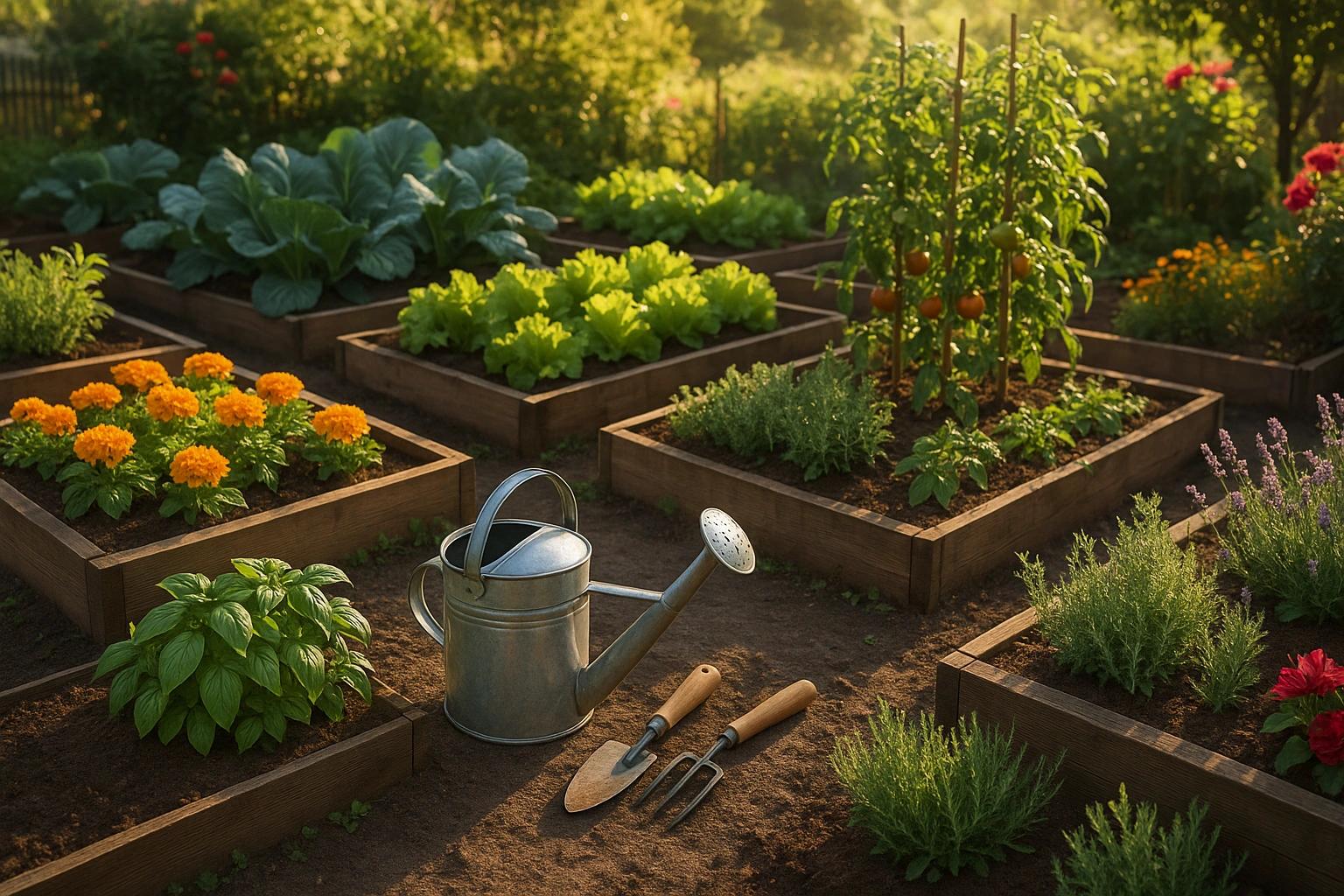
Why Start a Home Garden?
A home garden offers much more than beautiful plants. It creates a relaxing environment, encourages outdoor activity, improves air quality, supports local biodiversity, and gives you the satisfaction of nurturing living plants. Even a small collection of plants can transform the atmosphere of your home while providing a peaceful escape from daily stress.
Home gardening is suitable for people of all ages and experience levels. Whether your goal is to grow vegetables, herbs, flowering plants, or ornamental foliage, gardening becomes easier with each season as you gain confidence and experience.
The most successful home gardens begin with careful planning rather than purchasing large numbers of plants immediately.
Benefits of Home Gardening
- Creates a greener and healthier home environment.
- Reduces stress and supports mental well-being.
- Improves outdoor and indoor living spaces.
- Provides fresh herbs, vegetables, and flowers.
- Encourages sustainable gardening practices.
- Supports birds, butterflies, and beneficial insects.
- Offers enjoyable physical activity.
- Builds gardening skills for the entire family.
Step 1: Choose the Right Location
The location of your garden is one of the most important decisions you will make. Most plants require sufficient sunlight, good airflow, and easy access to water. Before purchasing plants, observe how much sunlight different areas of your home receive during the day.
Balconies, terraces, rooftops, windowsills, patios, and backyards can all become excellent gardening spaces when matched with the right types of plants. Selecting a location that suits your available time and maintenance routine will help your garden flourish.
| Garden Location | Best Plant Types |
|---|---|
| Indoor Space | Snake Plant, Pothos, Peace Lily, Spider Plant. |
| Balcony | Herbs, flowering plants, Aloe Vera. |
| Terrace | Vegetables, fruit plants, shrubs. |
| Backyard | Trees, flowers, vegetables, ornamental plants. |
Step 2: Decide What You Want to Grow
Before purchasing seeds or plants, decide what type of garden you want to create. Beginners often achieve the best results by starting with a small collection of easy-to-grow plants instead of trying to grow everything at once.
Great Plants for a Beginner's Home Garden
- Snake Plant
- Pothos
- Spider Plant
- Tulsi (Holy Basil)
- Mint
- Marigold
- Aloe Vera
- Peace Lily
Step 3: Prepare Healthy Soil
Healthy soil is the foundation of every successful home garden. Good soil provides nutrients, stores moisture, allows roots to breathe, and supports beneficial microorganisms that help plants grow stronger. Investing time in preparing your soil before planting will lead to healthier plants and better long-term results.
For container gardening, use a quality potting mix instead of ordinary garden soil. A balanced growing medium with compost and proper drainage materials helps prevent root problems while encouraging vigorous plant growth.
| Soil Component | Purpose |
|---|---|
| Garden Soil | Provides structure and stability. |
| Compost | Adds natural nutrients and organic matter. |
| Coco Peat | Retains moisture while remaining lightweight. |
| Perlite or Sand | Improves drainage and aeration. |
Step 4: Choose Suitable Containers or Garden Beds
Whether you grow plants in pots, raised beds, or directly in the ground, proper drainage is essential. Containers should always have drainage holes to prevent excess water from collecting around the roots, which can lead to root rot and poor plant health.
Choose container sizes based on the mature size of your plants. Small herbs can grow in compact pots, while vegetables, shrubs, and flowering plants often require larger containers to support healthy root development.
Popular Container Choices
- Terracotta pots
- Ceramic planters
- Plastic pots with drainage holes
- Raised garden beds
- Grow bags
- Wooden planter boxes
Step 5: Plant Carefully
Once your soil and containers are ready, it's time to plant. Handle seedlings gently to avoid damaging their roots, and plant them at approximately the same depth they were growing in their nursery containers. After planting, lightly press the soil around the roots to provide stability.
Leave enough space between plants to allow proper airflow and future growth. Overcrowding reduces sunlight exposure, limits air circulation, and increases competition for nutrients and water.
Planting Tips for Beginners
- Water lightly after planting.
- Avoid planting too deeply.
- Provide enough spacing between plants.
- Label plants if growing multiple varieties.
- Protect newly planted seedlings from harsh afternoon sun.
Step 6: Water Your Garden Properly
Watering correctly is one of the most important gardening skills. New gardeners often overwater their plants, believing more water means faster growth. In reality, healthy roots require both moisture and oxygen, so constantly wet soil can damage plants.
Check the soil before watering by inserting your finger a few centimeters into the growing medium. If it feels dry, water thoroughly until excess water drains out. Morning watering is generally the best time because it allows plants to absorb moisture before the heat of the day.
Consistent watering based on plant needs—not a fixed schedule—helps create healthier roots, stronger stems, and long-lasting gardens.
Step 7: Feed Your Plants Regularly
As plants grow, they gradually use the nutrients available in the soil. Replenishing these nutrients helps maintain healthy leaves, encourage flowering, strengthen roots, and improve overall plant growth. Regular feeding is especially important for container plants because nutrients are depleted more quickly than in garden beds.
Beginners can start with compost, vermicompost, or balanced organic fertilizers to provide steady nutrition. Apply fertilizers according to the specific needs of each plant and avoid excessive feeding, as too much fertilizer can harm roots and reduce healthy growth.
Beginner-Friendly Plant Nutrients
- Compost
- Vermicompost
- Organic potting mix
- Balanced organic fertilizer
- Homemade compost from kitchen waste
Step 8: Keep Your Garden Clean and Healthy
Regular garden maintenance keeps plants healthy while reducing the risk of pests and diseases. Removing dry leaves, faded flowers, weeds, and damaged stems allows plants to direct their energy toward producing fresh growth and beautiful blooms.
Spend a few minutes every week inspecting your garden. Small maintenance tasks performed regularly are much easier than trying to solve larger problems later.
| Maintenance Task | Recommended Frequency |
|---|---|
| Remove dry leaves | Weekly |
| Inspect for pests | Weekly |
| Weed garden beds | Every 1–2 weeks |
| Clean gardening tools | Monthly |
Essential Gardening Tools for Every Home Garden
You do not need professional equipment to build a successful home garden. A few simple gardening tools are enough to plant, water, prune, and maintain most flowers, herbs, vegetables, and indoor plants.
As your garden grows, you can gradually add more specialized tools, but these basic essentials will serve most beginners extremely well.
Basic Gardening Tool Kit
- Hand trowel
- Watering can
- Pruning shears
- Gardening gloves
- Spray bottle
- Hand fork
- Garden scissors
- Plant labels
Watch Your Garden Grow Season by Season
Gardening is not about creating a perfect garden overnight. Every season teaches valuable lessons about plant care, watering, sunlight, soil improvement, and seasonal maintenance. As your experience grows, your confidence will naturally increase, allowing you to grow a wider variety of plants.
Enjoy each stage of the journey. Every new leaf, flower, harvest, and healthy plant is a sign that your home garden is developing into a beautiful and thriving green space.
Common Home Gardening Mistakes to Avoid
Every beginner makes mistakes while learning to garden, but most problems can be prevented with a little planning and regular observation. Understanding these common mistakes will help you grow healthier plants and make your home gardening experience more enjoyable.
| Common Mistake | Better Practice |
|---|---|
| Planting too many plants at once | Begin with a small, manageable garden. |
| Ignoring sunlight requirements | Match each plant with the appropriate light conditions. |
| Overwatering plants | Check soil moisture before watering. |
| Using poor-quality soil | Use nutrient-rich, well-draining soil or potting mix. |
| Skipping regular maintenance | Inspect, clean, and care for plants every week. |
Weekly Home Garden Care Routine
A simple weekly routine is enough to keep most home gardens healthy. Spending a few minutes observing your plants, checking soil moisture, and removing damaged leaves helps prevent many common gardening problems before they become serious.
- Check soil moisture before watering.
- Inspect leaves for pests or diseases.
- Remove dry leaves and faded flowers.
- Rotate indoor pots for even sunlight exposure.
- Pull out weeds from garden beds.
- Clean fallen leaves around plants.
- Observe new growth and flowering.
- Keep gardening tools clean after use.
Frequently Asked Questions
Can I start a home garden without a backyard?
Yes. Many successful home gardens are created on balconies, terraces, patios, windowsills, and even indoors using containers and suitable plant varieties.
What are the easiest plants for a home garden?
Snake Plant, Pothos, Spider Plant, Aloe Vera, Tulsi, Mint, Marigold, and Peace Lily are excellent choices for beginners because they are relatively easy to maintain.
How much time does a home garden require?
Most home gardens require only 10–20 minutes of care a few times each week. Larger gardens may need additional maintenance depending on the number and type of plants.
When is the best time to water plants?
Early morning is generally the best time to water plants because it reduces evaporation and allows roots to absorb moisture before temperatures increase.
Enjoy Building Your Own Green Space
A home garden is more than just a collection of plants—it becomes a place where you can relax, learn, and connect with nature every day. Whether you grow flowers, vegetables, herbs, or indoor plants, every new leaf and bloom reflects the care and attention you invest in your garden.
Start with a few easy-to-grow plants, develop simple gardening habits, and allow your garden to grow naturally over time. Every successful home garden begins with a single plant and a willingness to learn.
Home Garden Maintenance Checklist
A successful home garden doesn't require hours of work every day. A simple maintenance routine helps your plants remain healthy, prevents common gardening problems, and keeps your garden looking beautiful throughout every season. Consistency is the key to long-term gardening success.
| Gardening Activity | Recommended Frequency | Benefit |
|---|---|---|
| Check soil moisture | Every 2–3 days | Prevents overwatering and underwatering. |
| Inspect plants for pests | Weekly | Detects problems before they spread. |
| Remove dry leaves and flowers | Weekly | Encourages healthy new growth. |
| Feed plants with compost or fertilizer | Every 4–6 weeks | Maintains healthy growth and flowering. |
| Clean gardening tools and pots | Monthly | Reduces disease and keeps the garden organized. |
Signs Your Home Garden Is Thriving
Healthy gardens show clear signs that your care routine is working. As you continue watering correctly, improving the soil, and maintaining your plants, you'll notice stronger growth and a more vibrant garden. Recognizing these positive signs helps you understand what your plants need and builds confidence in your gardening skills.
- Fresh green leaves appear regularly.
- Plants produce steady new growth.
- Flowers bloom during their natural season.
- Vegetables and herbs grow vigorously.
- Leaves remain firm and vibrant.
- Birds, butterflies, and beneficial insects visit the garden.
- The garden becomes greener and healthier each season.
Create Your Dream Home Garden with BloomingDen
BloomingDen makes home gardening simple for beginners and experienced gardeners alike. Discover our collection of indoor plants, flowering plants, herbs, vegetable plants, decorative planters, premium potting mixes, organic gardening products, and professional gardening services designed to help you create a thriving green space at home.
Whether you're starting with a single balcony planter or building a complete backyard garden, BloomingDen provides expert guidance and quality gardening essentials to help your plants flourish throughout the year.
Conclusion
Starting a home garden is one of the most rewarding investments you can make for your home, your health, and the environment. With the right location, healthy soil, suitable plants, proper watering, and consistent maintenance, anyone can build a beautiful garden regardless of available space or gardening experience.
Remember that gardening is a gradual learning process. Every plant you grow teaches valuable lessons about nature, patience, and plant care. Begin with a small collection of easy-to-grow plants, observe them regularly, and allow your garden to expand naturally as your confidence grows.
Whether you dream of a colorful flower garden, a productive vegetable patch, a relaxing balcony garden, or a lush indoor plant collection, your journey begins with a single step. Start today, enjoy the process, and watch your home transform into a vibrant, healthy, and inspiring green sanctuary.