
Hydroponics for Beginners in India 2026: How to Grow Plants in Water Without Any Soil
Gardening Made Easy: Learn how hydroponics works, the easiest systems for beginners, the best starter plants, nutrients, pH, and a simple step-by-step setup for Indian homes.
Posted: October 26, 2026 | Hydroponics
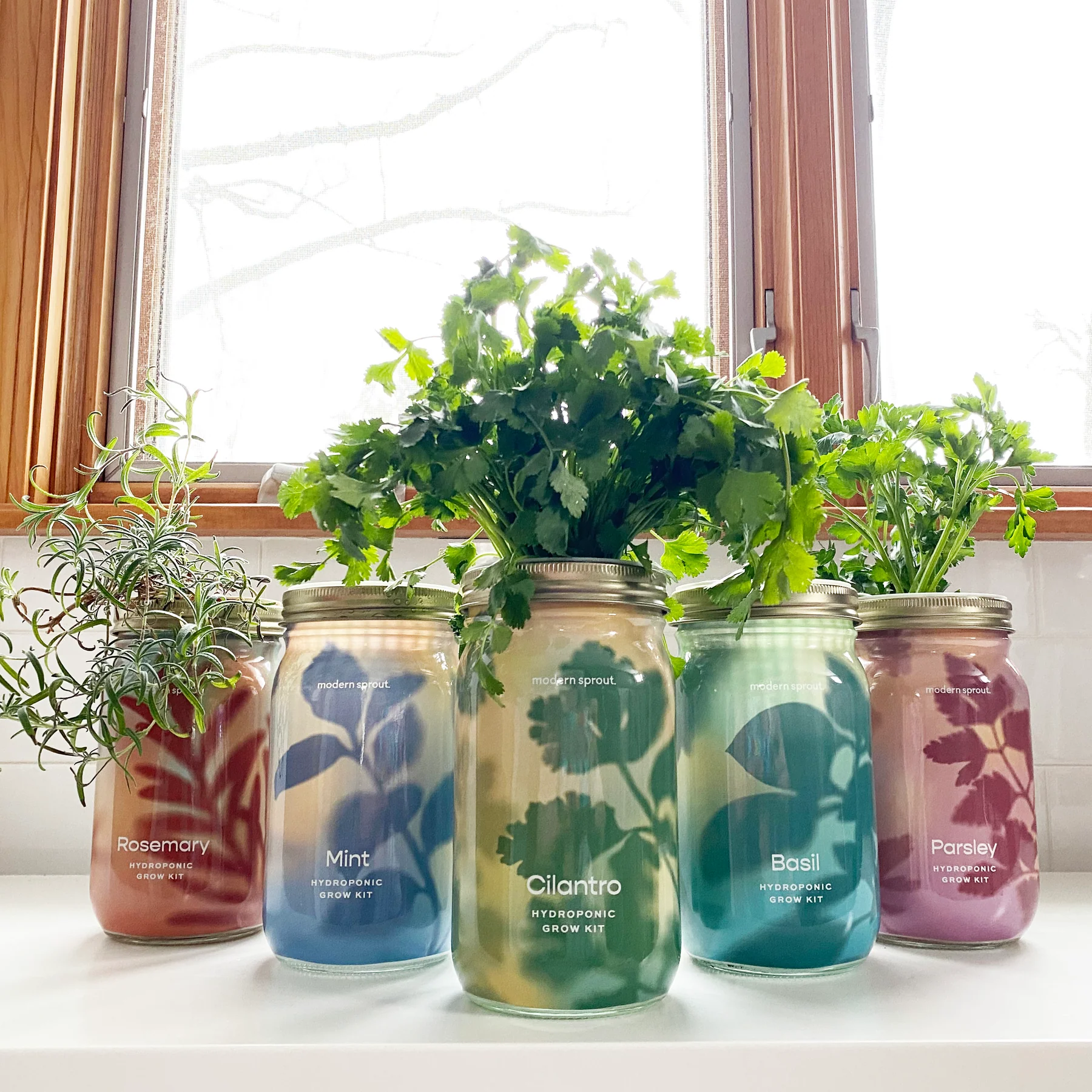
Growing plants without soil sounds complicated, but hydroponics is much simpler than most people expect. Instead of soil, the roots get water and nutrients directly, so plants often grow faster and cleaner.
It is also a great fit for Indian homes. You can grow fresh greens on a balcony, a sunny window, or a terrace, with no heavy pots, no soil mess, and less space.
This guide explains what hydroponics is, the main system types, the equipment you need, the best beginner plants, and a simple setup you can follow at home.
IN THIS ARTICLE
What Is Hydroponics?
Hydroponics is a way of growing plants in water that contains dissolved nutrients, instead of soil. The roots are supported by a material such as clay pebbles or cocopeat, or they simply hang in the nutrient water.
Plants do not need soil itself. They need water, nutrients, air for the roots, and light. Hydroponics supplies all four in a controlled way.
| What Plants Need | How Hydroponics Provides It |
|---|---|
| Water | Held in a reservoir or flowing through channels |
| Nutrients | Hydroponic nutrient mix dissolved in the water |
| Oxygen for roots | Air pump, air stone, or water flow |
| Light | Sunlight or a grow light |
| Support | Net pots with clay pebbles, cocopeat, or foam |
Benefits of Growing Without Soil
Hydroponics suits small homes and busy people. Once the system is running, it needs less daily work than a traditional garden.
- Uses less space, so it works on balconies and windowsills.
- Plants often grow faster because nutrients are easy to absorb.
- Uses less water than soil gardening, since the water is recirculated.
- No soil, so fewer soil pests, weeds, and mess.
- Lets you grow fresh greens at home all year.
Types of Hydroponic Systems
There are several system types, but beginners can start with one of the simple ones.
| System | How It Works | Best For |
|---|---|---|
| Wick system | A wick draws nutrient water up to the roots, with no pump | Herbs and absolute beginners |
| Deep Water Culture (DWC) | Roots sit in aerated nutrient water | Lettuce and leafy greens |
| Kratky method | A still container with no pump, and roots partly in the water | Low-cost first trial |
| NFT (Nutrient Film) | A thin stream of nutrient water flows past the roots | Greens, once you gain experience |
| Ebb and flow | The tray floods and drains on a timer | Mixed plants and larger setups |
For a first project, the Kratky method or a small DWC bucket is the easiest to manage.
Equipment You Need
You can begin with a very small kit. Add more equipment as you gain confidence.
- A container or tray that blocks light, so algae does not grow.
- Net pots and a growing medium such as clay pebbles or cocopeat.
- Hydroponic nutrient solution, usually sold as Part A and Part B.
- A pH test kit or digital pH meter.
- A TDS or EC meter to check nutrient strength.
- An air pump and air stone for DWC systems.
- A grow light if your space gets less than 5 to 6 hours of sun.
Best Plants for Beginners
Start with fast-growing leafy greens and herbs. They need little nutrient strength and give quick results.
| Plant | Why It Works | Light Needs |
|---|---|---|
| Lettuce | Fast growth and very forgiving | Bright light, some shade in summer |
| Mint | Strong roots and grows easily in water | Bright indirect to partial sun |
| Basil | Thrives with steady nutrients | Full sun or grow light |
| Spinach | Quick harvest of tender leaves | Bright, cooler conditions |
| Coriander | Useful in daily cooking | Bright light, cooler weather |
| Methi (fenugreek) | Fast, easy greens | Bright light |
Nutrients, pH, and Water
Without soil, the nutrient water does all the feeding, so it needs a little attention. Always use a nutrient mix made for hydroponics and follow the label for dilution.
- Keep the pH roughly between 5.5 and 6.5 for most leafy plants.
- Start with a weaker nutrient mix for young seedlings and increase slowly.
- Check your tap water. Very hard water may need filtering or testing.
- Change the full nutrient solution about every 2 weeks.
- Keep the water cool. Warm water holds less oxygen and encourages root problems, which matters in Indian summers.
Step-by-Step Setup
This simple method works for a small DWC or Kratky container.
- Choose a dark, lidded container and cut holes in the lid for net pots.
- Germinate seeds in cocopeat or a starter plug until they sprout.
- Place the seedlings into net pots with clay pebbles.
- Mix the nutrient solution, then check and adjust the pH.
- Fill the container so the water just touches the bottom of the net pots.
- Add an air stone and pump if you are using DWC.
- Place the setup in bright light and top up the water as it drops.
Common Beginner Mistakes
- Using a clear container, which lets light in and causes algae.
- Adding too much nutrient, which can burn roots and leaf tips.
- Ignoring pH, which stops plants from absorbing nutrients.
- Letting the water get too warm in summer.
- Giving too little light, which leads to weak, tall plants.
- Starting with a complex system instead of a simple one.
Care Checklist
| Check | Care Requirement | Why It Matters |
|---|---|---|
| ✓ | Light-proof container | Prevents algae in the water |
| ✓ | pH checked every few days | Helps roots absorb nutrients properly |
| ✓ | Correct nutrient strength | Avoids burnt or pale leaves |
| ✓ | Water topped up and changed | Keeps nutrients fresh and balanced |
| ✓ | Enough light each day | Supports strong, healthy growth |
| ✓ | Cool water and good airflow | Prevents root rot in hot weather |
Frequently Asked Questions
Q1. Can plants really grow in water without soil?
Q2. What is the easiest hydroponic system for beginners?
Q3. Do I need special nutrients, or can I use regular fertiliser?
Q4. How long does it take to harvest leafy greens?
Q5. Can I do hydroponics indoors without sunlight?
Q6. Is hydroponics expensive to start?
Author Bio
Written by the Blooming Den Gardening Team – Verified plant experts helping urban India go green since 2025. We deliver plants, supplies, and professional care to your doorstep.