
Organic Gardening vs Chemical Gardening: Which Is Better for Your Garden?
Every gardener wants healthy plants, productive gardens, and beautiful landscapes. One of the biggest decisions gardeners face is whether to follow organic gardening practices or use chemical fertilizers and pesticides. Both approaches aim to support plant growth, but they differ significantly in how they affect soil health, biodiversity, environmental sustainability, and long-term garden maintenance.
Organic gardening focuses on working with nature by improving soil naturally through compost, organic fertilizers, mulch, and environmentally friendly gardening practices. Chemical gardening relies on synthetic fertilizers and pesticides that can provide faster results but require careful use. Understanding the differences between these approaches helps gardeners choose the method that best fits their goals and gardening style.
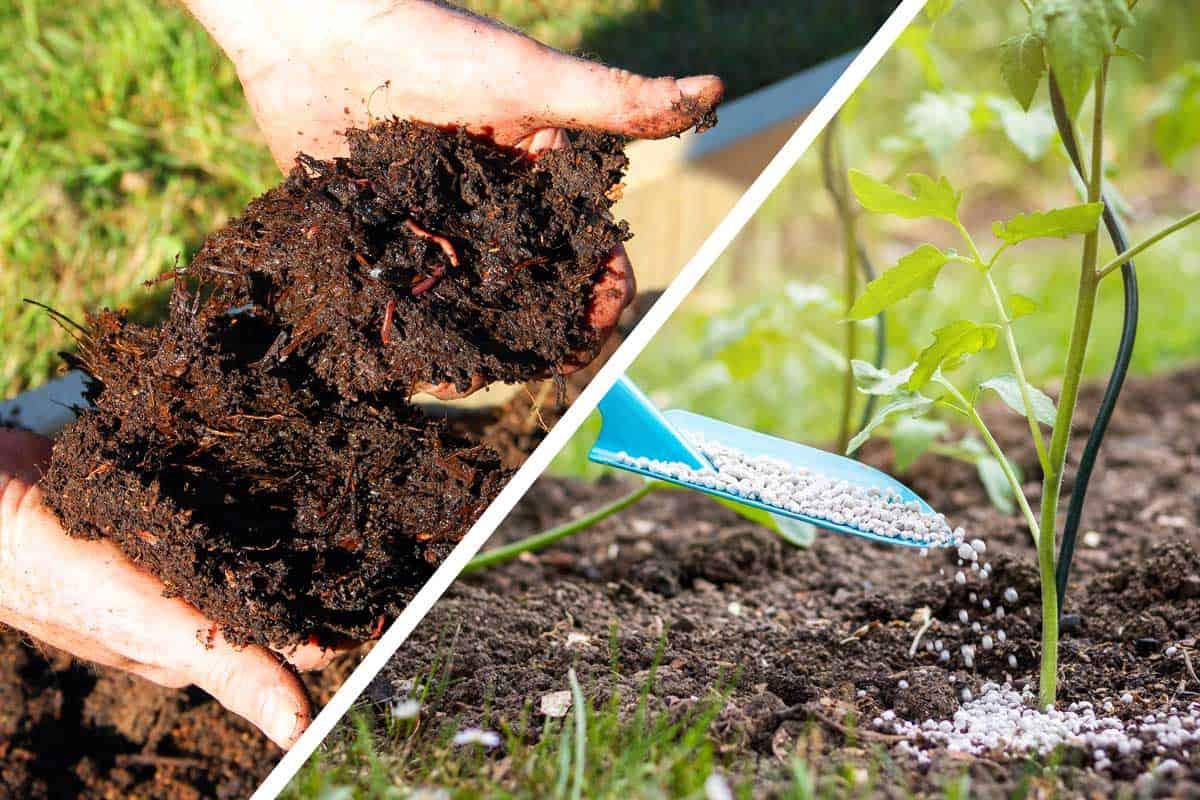
What Is Organic Gardening?
Organic gardening is a natural approach to growing plants that emphasizes healthy soil, composting, organic fertilizers, crop diversity, and environmentally responsible gardening practices. Instead of relying on synthetic chemicals, organic gardeners improve soil naturally while encouraging beneficial insects, birds, butterflies, and pollinators.
The primary goal of organic gardening is to build a healthy ecosystem where plants grow in nutrient-rich soil with minimal environmental impact. This method supports long-term soil fertility while promoting sustainable gardening practices.
Organic gardening is suitable for home gardens, vegetable gardens, balcony gardens, rooftop gardens, and community gardens of all sizes.
What Is Chemical Gardening?
Chemical gardening uses synthetic fertilizers, pesticides, herbicides, and other manufactured products to support plant growth and manage weeds or pests. These products are designed to supply nutrients or address specific gardening challenges efficiently when used according to their instructions.
Many gardeners choose chemical products because they are widely available and can produce noticeable improvements in plant growth. However, long-term gardening success depends on using these products responsibly while maintaining healthy soil and following recommended application practices.
Understanding both the advantages and limitations of chemical gardening helps gardeners make informed decisions based on their gardening goals.
Organic Gardening vs Chemical Gardening at a Glance
| Feature | Organic Gardening | Chemical Gardening |
|---|---|---|
| Primary Nutrient Source | Compost and organic fertilizers | Synthetic fertilizers |
| Soil Management | Builds long-term soil health | Focuses primarily on nutrient application |
| Environmental Focus | Supports sustainable gardening | Depends on responsible product use |
| Wildlife Support | Encourages biodiversity and pollinators | Varies with gardening practices |
1. Soil Health: Organic vs Chemical Gardening
Healthy soil is the foundation of every successful garden. Organic gardening focuses on improving soil over time by adding compost, organic matter, mulch, and natural fertilizers. These materials increase soil fertility, improve its structure, and encourage beneficial microorganisms that support long-term plant health.
Chemical gardening primarily supplies nutrients through manufactured fertilizers. While these products can support plant growth when used correctly, maintaining healthy soil still requires organic matter, proper watering, and responsible gardening practices. Many experienced gardeners combine good soil management with careful nutrient application for long-term success.
Ways to Improve Soil Naturally
- Add homemade compost regularly.
- Apply organic mulch around plants.
- Grow cover crops where possible.
- Mix well-rotted organic matter into soil.
- Reduce unnecessary soil disturbance.
2. Plant Growth and Garden Productivity
Both organic and chemical gardening aim to grow healthy plants, but they achieve this in different ways. Organic gardening encourages gradual, balanced growth by improving the overall health of the soil, while chemical fertilizers provide nutrients directly to plants through carefully formulated products.
Long-term garden productivity depends on consistent plant care, healthy soil, suitable watering practices, proper sunlight, and choosing plants that match local growing conditions, regardless of the gardening method used.
| Gardening Aspect | Organic Gardening | Chemical Gardening |
|---|---|---|
| Nutrient Source | Natural organic materials. | Synthetic fertilizers. |
| Soil Improvement | Builds soil over time. | May require additional soil management. |
| Long-Term Sustainability | Strong focus on sustainability. | Depends on responsible use and balanced practices. |
3. Environmental Impact
Organic gardening emphasizes environmentally responsible practices such as composting, conserving water, encouraging biodiversity, and supporting beneficial insects. These methods help create balanced ecosystems where plants, soil organisms, birds, butterflies, and pollinators can thrive together.
Chemical gardening can also be managed responsibly by carefully following product instructions, avoiding unnecessary applications, and combining synthetic products with sustainable gardening practices. Responsible gardening decisions play an important role in minimizing environmental impact regardless of the chosen approach.
Eco-Friendly Gardening Practices
- Compost kitchen and garden waste.
- Grow native plants.
- Support birds and pollinators.
- Conserve water with efficient irrigation.
- Reuse containers and gardening materials.
4. Cost and Long-Term Maintenance
Organic gardening often encourages gardeners to produce compost, reuse containers, and improve soil naturally, which can reduce dependence on purchased gardening inputs over time. Chemical gardening may involve purchasing fertilizers and plant protection products as needed, depending on the plants being grown and the garden's requirements.
Regardless of the gardening method, regular maintenance—including watering, pruning, soil care, and monitoring plant health—is essential for creating a productive and beautiful garden that remains healthy throughout the seasons.
5. Supporting Biodiversity and Garden Wildlife
One of the greatest advantages of organic gardening is its focus on creating healthy ecosystems that support birds, butterflies, bees, earthworms, and other beneficial organisms. By growing diverse plant species and enriching the soil naturally, organic gardens often become thriving habitats that encourage biodiversity throughout the year.
Gardens that rely on chemical products can also support wildlife when products are selected carefully, used only when necessary, and combined with wildlife-friendly landscaping. Plant diversity, water sources, and natural shelter remain important regardless of the gardening approach.
Ways to Support Garden Biodiversity
- Plant a variety of flowering species.
- Grow native plants whenever possible.
- Provide clean water for birds and pollinators.
- Maintain healthy soil with organic matter.
- Create natural shelter using shrubs and small trees.
6. Which Gardening Method Is Best for Beginners?
Beginners can succeed with either gardening approach when they understand their plants' needs and follow proper care practices. Organic gardening is often recommended for new gardeners because it teaches soil care, composting, water conservation, and sustainable habits that benefit gardens over the long term.
Some gardeners also combine both approaches by focusing on healthy soil, composting, and responsible gardening while using commercial fertilizers or plant protection products only when appropriate and according to product instructions. This balanced approach can provide flexibility while maintaining healthy gardens.
| Gardening Goal | Organic Gardening | Chemical Gardening |
|---|---|---|
| Improve soil naturally | Excellent choice. | Requires additional soil management. |
| Support biodiversity | Strong focus. | Depends on responsible product use. |
| Long-term sustainability | Primary objective. | Can be improved with sustainable practices. |
| Suitable for beginners | Yes. | Yes, with proper guidance. |
Choosing the Right Gardening Approach
The best gardening approach depends on your goals, available time, gardening experience, and the types of plants you grow. Gardeners interested in long-term soil health, environmental sustainability, and biodiversity often prefer organic gardening, while others may choose a balanced approach that combines sustainable practices with carefully managed commercial gardening products.
Regardless of the method you choose, success comes from understanding your plants, maintaining healthy soil, watering responsibly, selecting suitable plant varieties, and providing consistent care throughout the growing season.
Foundations of Every Healthy Garden
- Healthy, well-prepared soil.
- Appropriate watering practices.
- Adequate sunlight for each plant.
- Regular pruning and maintenance.
- Diverse plant selection.
- Seasonal garden care.
Building a Healthy Garden for the Future
Whether you choose organic gardening, carefully managed chemical gardening, or a combination of both, the ultimate goal is the same: creating healthy plants, fertile soil, and a beautiful garden that thrives year after year. Good gardening practices, regular observation, and continuous learning are the foundations of long-term success.
By making informed decisions and caring for your garden consistently, you can enjoy vibrant flowers, productive vegetables, healthy landscapes, and a greener environment that benefits both your home and the surrounding ecosystem.
Common Mistakes in Organic and Chemical Gardening
Both organic and chemical gardening can produce healthy, beautiful gardens when practiced correctly. However, gardeners often make mistakes that reduce plant health, waste resources, or create unnecessary maintenance problems. Understanding these common mistakes helps you build a more productive and sustainable garden regardless of the approach you choose.
| Common Mistake | Better Practice |
|---|---|
| Applying fertilizer without testing soil needs | Understand your plants and soil before adding nutrients. |
| Overwatering plants | Water according to soil moisture and plant requirements. |
| Growing only one type of plant | Increase plant diversity to support a healthier garden ecosystem. |
| Ignoring regular garden maintenance | Inspect plants, prune regularly, and monitor soil health. |
| Using products without following instructions | Always follow product recommendations and gardening best practices. |
Best Practices for a Healthy Garden
Regardless of whether you prefer organic gardening or a combination of different gardening methods, certain practices consistently contribute to healthier plants and stronger gardens. These habits improve soil quality, encourage biodiversity, and simplify long-term maintenance.
- Improve soil with compost and organic matter.
- Choose plants suited to your local climate.
- Water responsibly and avoid overwatering.
- Plant a variety of flowers, herbs, shrubs, and trees.
- Support birds, butterflies, and beneficial insects.
- Inspect plants regularly for signs of stress.
- Prune plants to encourage healthy growth.
- Continue learning about sustainable gardening practices.
Frequently Asked Questions
Is organic gardening better than chemical gardening?
Both approaches can support healthy plant growth when managed responsibly. Organic gardening emphasizes natural soil improvement and sustainability, while chemical gardening uses manufactured products that should always be applied according to their instructions.
Can beginners start with organic gardening?
Yes. Organic gardening is beginner-friendly and encourages good gardening habits such as composting, soil improvement, water conservation, and supporting biodiversity.
Can both gardening methods be combined?
Many gardeners combine healthy soil management, composting, and sustainable gardening practices with carefully managed commercial gardening products when appropriate for specific plants or situations.
Which gardening method is better for long-term soil health?
Long-term soil health depends on regular soil improvement, adding organic matter, responsible watering, and proper garden maintenance, regardless of the overall gardening approach.
Choosing the Right Gardening Style for Your Home
There is no single gardening method that suits every gardener. Your ideal approach depends on your goals, available time, gardening experience, and the plants you wish to grow. Many successful home gardeners focus on building healthy soil, conserving water, encouraging biodiversity, and maintaining their gardens consistently while selecting gardening products carefully whenever needed.
The most successful gardens are those that combine thoughtful planning, responsible maintenance, and continuous learning. By understanding the strengths of different gardening methods, you can develop a gardening routine that supports healthy plants, beautiful landscapes, and a greener environment for years to come.
Garden Maintenance Checklist for Long-Term Success
Regardless of whether you practice organic gardening, chemical gardening, or a combination of both, regular maintenance is the key to healthy plants and a productive garden. Consistent care improves soil quality, supports vigorous plant growth, and helps identify problems before they become serious.
| Gardening Activity | Recommended Frequency | Benefit |
|---|---|---|
| Check soil moisture | Every 2–3 days | Prevents overwatering and supports healthy roots. |
| Inspect plants for pests and diseases | Weekly | Allows early identification of problems. |
| Apply compost or fertilizer | Every 4–6 weeks | Maintains healthy plant growth. |
| Remove weeds and dry leaves | Weekly | Keeps the garden clean and reduces competition for nutrients. |
| Prune plants when needed | Seasonally | Encourages healthy growth and flowering. |
Signs of a Healthy and Well-Maintained Garden
Healthy gardens share many common characteristics regardless of the gardening method used. Rich soil, vigorous plant growth, seasonal flowering, and active wildlife indicate that the garden is receiving proper care and maintaining a balanced ecosystem.
- Plants produce healthy leaves, flowers, and new shoots.
- Soil remains loose, fertile, and rich in organic matter.
- Birds, butterflies, bees, and beneficial insects visit regularly.
- Plants show consistent growth throughout the growing season.
- Minimal weed and pest problems through regular maintenance.
- Garden beds remain clean, organized, and productive.
- The garden stays attractive and healthy throughout the year.
Grow Healthier Gardens with BloomingDen
Whether you prefer organic gardening, sustainable gardening, or a balanced gardening approach, BloomingDen offers everything you need to build a thriving garden. Explore our collection of indoor plants, flowering plants, herbs, vegetables, native species, premium potting mixes, decorative planters, organic gardening supplies, and professional gardening services designed for gardeners of every experience level.
Our expert guidance and carefully selected gardening products help you create healthier plants, beautiful landscapes, and environmentally responsible gardens that flourish season after season.
Conclusion
Organic gardening and chemical gardening each offer different approaches to growing healthy plants. Organic gardening emphasizes improving soil naturally, supporting biodiversity, and promoting long-term sustainability, while chemical gardening uses carefully formulated products that can support plant growth when applied responsibly and according to recommendations.
The most successful gardens are built on healthy soil, proper watering, regular maintenance, appropriate plant selection, and continuous learning. Many home gardeners choose to focus on sustainable gardening principles while adapting their methods to suit their individual gardening goals and local growing conditions.
No matter which gardening approach you choose, consistent care and informed decision-making will help you create a beautiful, productive, and resilient garden. By investing in healthy gardening practices today, you can enjoy vibrant plants, fertile soil, and a greener environment for many years to come.