
Sustainable Gardening for Beginners: A Complete Guide to Growing Green
Sustainable gardening is an environmentally responsible approach to growing plants while conserving natural resources and supporting healthy ecosystems. Whether you have a backyard, balcony, terrace, or indoor garden, sustainable gardening helps you grow beautiful plants while reducing waste, conserving water, and encouraging biodiversity.
The best part is that sustainable gardening is simple to begin. You do not need expensive equipment or years of experience. Small habits such as composting kitchen waste, choosing native plants, watering wisely, and reusing containers can make a significant difference over time. This beginner-friendly guide will help you start your sustainable gardening journey with practical and easy-to-follow techniques.
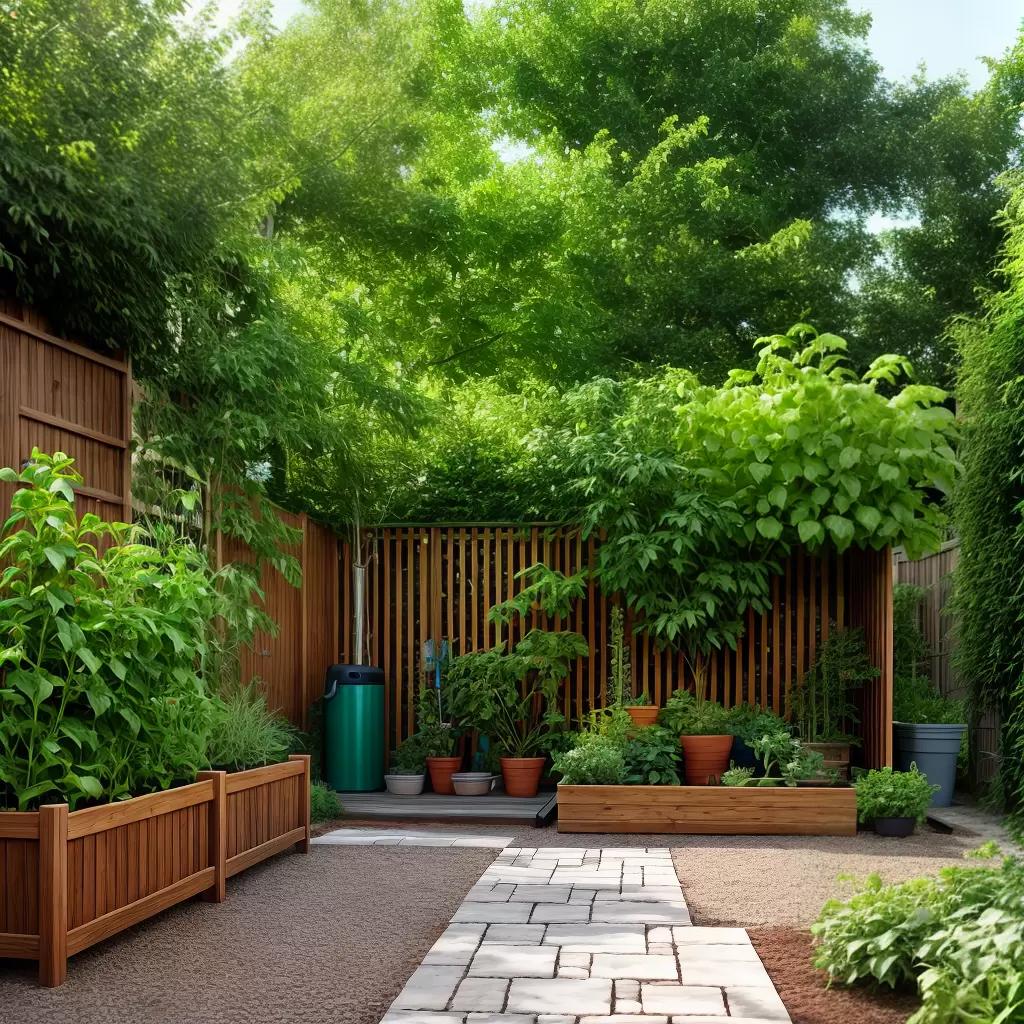
What Is Sustainable Gardening?
Sustainable gardening is the practice of growing and maintaining plants using methods that protect the environment while promoting healthy plant growth. It focuses on conserving water, improving soil naturally, reducing waste, encouraging biodiversity, and creating gardens that remain productive for many years.
Instead of relying on wasteful practices, sustainable gardeners work with nature by recycling organic materials, selecting suitable plants, and using resources efficiently. These simple methods help create stronger gardens while minimizing environmental impact.
Sustainable gardening is suitable for every type of garden, including apartment balconies, rooftop gardens, backyard landscapes, community gardens, and indoor plant collections.
Benefits of Sustainable Gardening
- Conserves water through responsible gardening practices.
- Improves soil quality naturally over time.
- Reduces household and garden waste.
- Supports birds, butterflies, bees, and beneficial wildlife.
- Creates healthier gardens with long-term sustainability.
- Encourages the use of native and climate-appropriate plants.
- Suitable for beginners with gardens of any size.
- Helps create a cleaner and greener environment.
Why Beginners Should Choose Sustainable Gardening
Sustainable gardening teaches beginners good gardening habits from the very beginning. Learning how to compost, water efficiently, improve soil naturally, and select suitable plants makes gardening easier while reducing unnecessary waste and maintenance.
Starting with sustainable practices also helps beginners develop gardens that remain healthier and more resilient over time. Small improvements made consistently often produce better long-term results than complicated gardening techniques.
Essential Sustainable Gardening Practices
| Sustainable Practice | Benefit |
|---|---|
| Composting | Creates natural fertilizer from organic waste. |
| Water Conservation | Reduces unnecessary water usage. |
| Native Plants | Support biodiversity and adapt well to local conditions. |
| Container Reuse | Minimizes waste and encourages recycling. |
1. Start with Easy-to-Grow Plants
Choosing beginner-friendly plants is one of the best ways to build confidence in sustainable gardening. Hardy plants require less maintenance, adapt well to different growing conditions, and help new gardeners learn essential care routines without becoming overwhelmed.
Begin with a small collection of herbs, flowering plants, or hardy indoor plants that suit your available sunlight and space. As your experience grows, you can gradually introduce vegetables, shrubs, and native flowering species to create a more diverse garden.
Beginner-Friendly Sustainable Plants
- Tulsi (Holy Basil)
- Mint
- Aloe Vera
- Marigold
- Snake Plant
- Pothos
2. Learn Simple Composting Techniques
Composting is an excellent habit for beginner gardeners because it transforms everyday organic waste into valuable plant nutrition. Vegetable peels, fruit scraps, coffee grounds, tea leaves, and dried garden waste can all become nutrient-rich compost that improves soil naturally.
Even apartment gardeners can compost using compact compost bins designed for small spaces. Over time, compost helps create healthier soil while reducing household waste and supporting sustainable gardening practices.
| Compost Material | Suitable for Compost? |
|---|---|
| Fruit peels | Yes |
| Vegetable scraps | Yes |
| Dry leaves | Yes |
| Grass clippings | Yes |
3. Water Plants Responsibly
Responsible watering is a key part of sustainable gardening. Instead of watering on a fixed schedule, beginners should check soil moisture before watering. This helps prevent overwatering while conserving valuable water resources.
Watering early in the morning or during the evening reduces evaporation and allows plants to absorb moisture more effectively. Adding mulch around plants also helps retain soil moisture for longer periods.
Water Conservation Tips
- Water early in the morning.
- Check soil before watering.
- Apply mulch around plants.
- Collect rainwater whenever possible.
- Choose drought-tolerant plants for sunny areas.
4. Choose Native and Climate-Appropriate Plants
Native and climate-appropriate plants are naturally suited to local weather conditions, making them excellent choices for beginners. These plants typically require less maintenance while supporting birds, butterflies, bees, and other beneficial wildlife.
Starting with plants that thrive in your local climate makes gardening easier and more enjoyable while helping create a sustainable garden that remains healthy throughout the seasons.
5. Reuse and Recycle Gardening Materials
Sustainable gardening encourages beginners to make the most of existing materials instead of purchasing new items whenever possible. Old buckets, wooden crates, ceramic pots, glass jars, and unused containers can often be repurposed into attractive planters or garden storage solutions.
Reusing gardening materials helps reduce waste, saves money, and gives everyday household items a second life. Creative recycling also adds character and uniqueness to your garden while supporting environmentally responsible gardening practices.
Items You Can Reuse in the Garden
- Old ceramic or terracotta pots.
- Wooden crates as planter boxes.
- Glass jars for plant propagation.
- Metal buckets for decorative planters.
- Plastic containers with proper drainage holes.
6. Encourage Birds, Butterflies, and Pollinators
Sustainable gardens become healthier when they welcome wildlife. Growing flowering plants, herbs, shrubs, and native species attracts birds, butterflies, bees, and other beneficial insects that contribute to a vibrant and balanced garden ecosystem.
Even beginners can support biodiversity by planting nectar-rich flowers, providing clean water, and maintaining a variety of flowering plants throughout the year. A wildlife-friendly garden becomes more colorful, lively, and enjoyable with every season.
| Garden Feature | Benefit |
|---|---|
| Flowering Plants | Attract butterflies and bees. |
| Native Shrubs | Provide shelter for birds. |
| Bird Bath | Provides drinking and bathing water. |
| Herb Garden | Supports beneficial pollinators. |
Creating Your First Sustainable Garden
Starting a sustainable garden is easier than many beginners expect. Begin with a few hardy plants that suit your available space and sunlight. Use quality potting soil, select reusable containers, compost kitchen waste, and establish a regular watering routine based on your plants' needs rather than a fixed schedule.
As your confidence grows, gradually introduce flowering plants, herbs, vegetables, native species, and wildlife-friendly features. Sustainable gardening is built through small improvements that accumulate over time, creating healthier gardens with less waste and lower maintenance.
Beginner's Sustainable Garden Starter List
- Tulsi (Holy Basil)
- Mint
- Marigold
- Aloe Vera
- Snake Plant
- Pothos
- Spider Plant
- Lemongrass
Simple Habits That Build Sustainable Gardens
Sustainable gardening does not require perfection. Small habits such as checking soil moisture before watering, composting regularly, reusing containers, planting diverse species, and caring for local wildlife gradually create a healthier and more environmentally responsible garden.
By practicing these simple habits consistently, beginners can build beautiful gardens that conserve natural resources, encourage biodiversity, and remain productive for many years while making gardening more enjoyable and rewarding.
Common Beginner Mistakes in Sustainable Gardening
Every gardener makes mistakes while learning, and sustainable gardening is no exception. Fortunately, most beginner mistakes are easy to correct. Understanding these common challenges helps you build healthier gardening habits while creating a more productive and environmentally friendly garden.
| Common Mistake | Better Practice |
|---|---|
| Starting with too many plants | Begin with a small collection and expand gradually. |
| Watering on a fixed schedule | Check soil moisture before watering. |
| Ignoring composting | Recycle organic waste into nutrient-rich compost. |
| Choosing plants unsuited to local conditions | Select native or climate-appropriate plants. |
| Throwing away reusable containers | Reuse pots, buckets, and planters whenever possible. |
Easy Sustainable Gardening Habits to Practice Every Day
Sustainable gardening becomes easier when small eco-friendly habits become part of your daily routine. Simple actions performed consistently often have a greater long-term impact than occasional large efforts. These habits help conserve resources while keeping your garden healthy and attractive.
- Inspect plants regularly for healthy growth.
- Water only when plants actually need moisture.
- Collect kitchen waste for composting.
- Reuse containers instead of purchasing new ones.
- Grow a variety of flowers, herbs, and native plants.
- Maintain clean water for birds and pollinators.
- Use mulch to retain soil moisture.
- Continue learning about environmentally friendly gardening methods.
Frequently Asked Questions
Is sustainable gardening suitable for complete beginners?
Yes. Sustainable gardening is beginner-friendly because it focuses on simple habits such as composting, responsible watering, reusing materials, and choosing suitable plants.
Can I practice sustainable gardening in an apartment?
Absolutely. Balcony gardens, terrace gardens, and indoor plants can all be maintained using sustainable gardening practices.
What are the easiest plants for beginners?
Tulsi, Mint, Aloe Vera, Snake Plant, Pothos, Marigold, Spider Plant, and Lemongrass are excellent beginner-friendly choices.
How long does it take to build a sustainable garden?
Sustainable gardening develops gradually. By consistently applying eco-friendly practices, your garden becomes healthier, more productive, and easier to maintain over time.
Your Sustainable Gardening Journey Starts Today
Every sustainable garden begins with a single step. Whether you start by planting one herb, creating your first compost bin, conserving water, or attracting butterflies with flowering plants, each small improvement contributes to a healthier environment and a more rewarding gardening experience.
Sustainable gardening is not about achieving perfection—it is about making thoughtful choices that benefit your plants, your home, and the natural world. As your skills grow, your garden will become greener, healthier, and more resilient, demonstrating how simple everyday actions can create lasting environmental benefits.
Sustainable Garden Maintenance Checklist
A sustainable garden thrives through consistent care rather than intensive maintenance. Following a simple gardening routine helps conserve resources, improve soil health, encourage biodiversity, and keep plants healthy throughout the year.
| Gardening Activity | Recommended Frequency | Sustainability Benefit |
|---|---|---|
| Check soil moisture | Every 2–3 days | Conserves water and prevents overwatering. |
| Add compost | Every 4–6 weeks | Improves soil fertility naturally. |
| Inspect plants for pests | Weekly | Maintains healthy plant growth. |
| Remove dry leaves and weeds | Weekly | Keeps the garden clean and productive. |
| Refill bird baths and water sources | Every 2–3 days | Supports birds, butterflies, and beneficial wildlife. |
Signs Your Sustainable Garden Is Flourishing
As sustainable gardening practices become part of your routine, your garden will naturally become healthier and more balanced. Rich soil, thriving plants, and increased wildlife activity are strong indicators that your environmentally friendly gardening methods are working successfully.
- Plants produce healthy leaves, flowers, and new growth.
- Soil becomes darker, richer, and full of organic matter.
- Butterflies, bees, and birds visit regularly.
- Water is used efficiently with minimal waste.
- Garden waste is reduced through composting and recycling.
- Native plants thrive with relatively low maintenance.
- Your garden remains productive and attractive throughout the seasons.
Start Your Sustainable Gardening Journey with BloomingDen
BloomingDen makes sustainable gardening simple with premium indoor plants, flowering plants, native species, herbs, eco-friendly planters, quality potting mixes, organic gardening supplies, and professional gardening services. Whether you're starting your very first balcony garden or developing a thriving backyard landscape, we provide everything you need to grow responsibly.
Explore our carefully selected collection of beginner-friendly plants and sustainable gardening products to build a greener, healthier, and more beautiful garden while making environmentally responsible choices every step of the way.
Conclusion
Sustainable gardening is one of the most rewarding ways to care for both your plants and the environment. By conserving water, composting organic waste, growing native plants, supporting local wildlife, and reusing gardening materials, even beginners can create gardens that remain healthy and productive for years to come.
You do not need a large garden or advanced gardening knowledge to get started. A few carefully chosen plants, simple eco-friendly habits, and consistent care are enough to transform any balcony, terrace, backyard, or indoor space into a thriving green sanctuary.
Every sustainable gardening decision—no matter how small—helps build a healthier home and a greener planet. Start with one plant, one compost bin, or one water-saving habit today, and watch your garden grow into a beautiful example of sustainability for future generations.