
The Leaf Whisperer in India 2026: How to Read Your Plant's Leaves to Diagnose Illness Instantly
Gardening Made Easy: Learn what yellow, brown, curling, spotted, and drooping leaves are telling you, how to find the real cause, and what to do first to bring your plant back to health.
Posted: October 27, 2026 | Plant Health
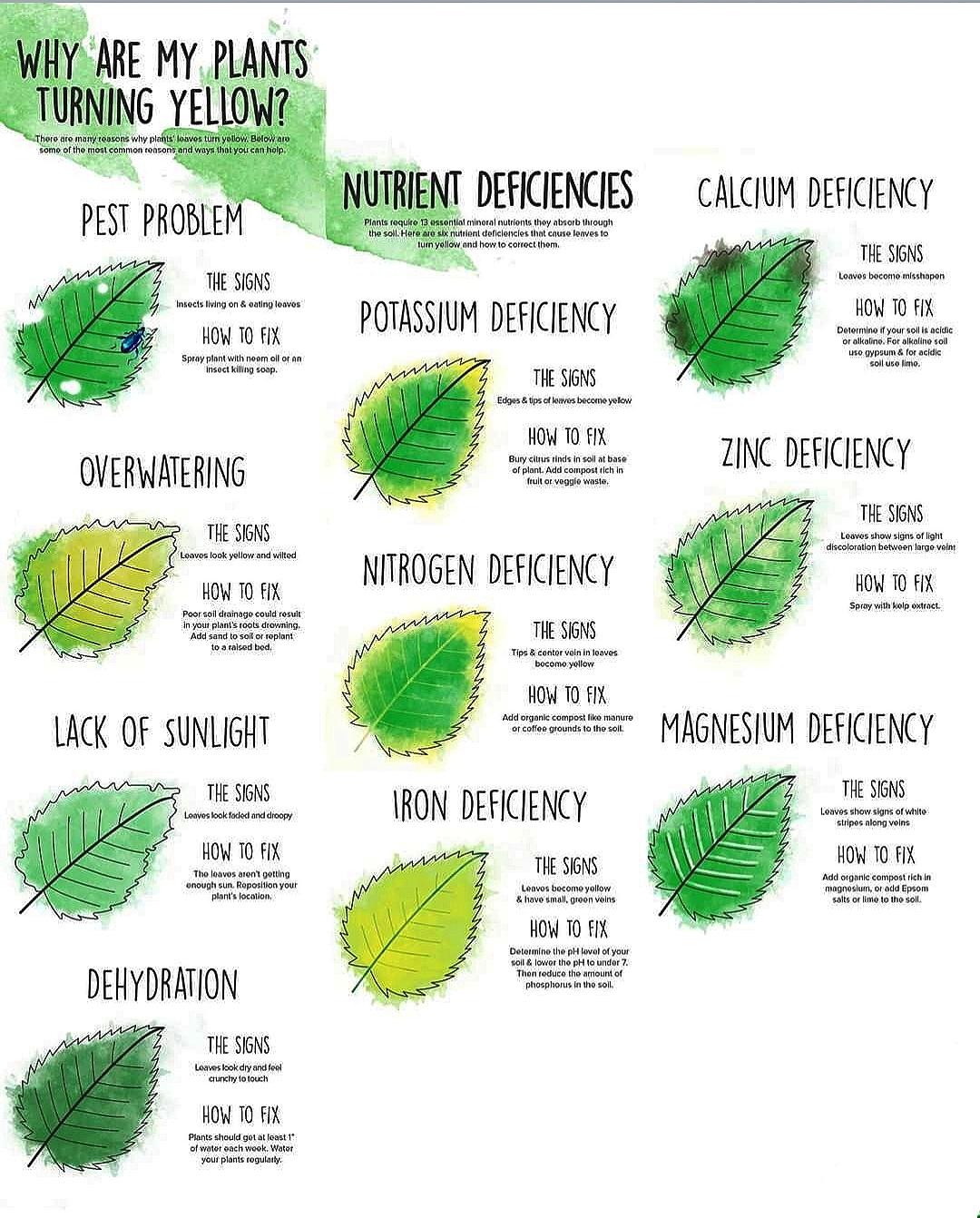
Your plant cannot tell you when something is wrong, but its leaves can. Colour, shape, texture, and position all change when a plant is stressed, and learning to read those signs is the fastest way to catch problems early.
Most leaf problems come down to a handful of causes: too much or too little water, wrong light, dry air, pests, or poor nutrition. The trick is to look at the pattern, because the same symptom can have different causes.
A single yellow leaf is rarely an emergency, but many yellow leaves, or sudden changes, deserve attention. A quick look at the leaf, the soil, and the surroundings usually points you toward the answer.
This guide explains how to read your plant's leaves step by step, including what yellow, brown, curling, spotted, and drooping leaves usually mean, how to check roots, and what to do first.
IN THIS ARTICLE
- Why Leaves Tell the Story
- Step 1: Look at the Whole Plant
- Step 2: Quick Leaf Symptom Chart
- Step 3: Yellow Leaves
- Step 4: Brown Leaves
- Step 5: Drooping and Wilting
- Step 6: Curling Leaves
- Step 7: Spots, Powder, Webs and Holes
- Step 8: Colour and Size Changes
- Step 9: Check the Roots
- Step 10: Fix One Thing at a Time
- Leaf Problems by Season in India
- Common Beginner Mistakes
- Quick Leaf Diagnosis Checklist
- Frequently Asked Questions
Why Leaves Tell the Story
Leaves are the plant's engine. They collect light, release water, and show first signs when something in the plant's environment is off. A change in a leaf is usually the plant's early warning.
No leaf symptom gives a perfect diagnosis on its own, so treat these signs as clues. Combine them with a check of the soil, light, and recent changes before acting.
- Leaves show problems before the whole plant declines.
- The same symptom can have several causes.
- Where the problem appears (old leaves, new leaves, tips, edges) is an important clue.
- Changing one thing at a time makes it easier to find what works.
Step 1: Look at the Whole Plant First
Before focusing on a single leaf, step back and ask a few simple questions. These quickly narrow down the cause.
Is the Problem on Old or New Leaves?
Problems on older, lower leaves often point to watering, natural ageing, or a nutrient shortage. Problems on new growth often point to light, nutrients, pests, or root trouble.
Is It One Leaf, Some Leaves, or Everywhere?
One or two leaves can be natural ageing or minor damage. A pattern across many leaves usually means something about the plant's environment or care.
What Does the Underside Look Like?
Turn the leaf over. Pests such as mites, mealybugs, and aphids often hide underneath.
What Does the Soil Feel Like?
Push a finger 2 inches into the soil. Is it soggy, damp, or completely dry? This one check solves many leaf mysteries.
What Changed Recently?
Think about moves, repotting, new fertilizer, a change in watering, or a change of season. Plants often react to changes within a week or two.
Step 2: Quick Leaf Symptom Chart
Use this chart as a quick starting point. Each symptom has more than one possible cause, so confirm using the checks in the steps below.
| Leaf Symptom | Common Causes | First Step |
|---|---|---|
| Yellow leaves | Overwatering, low light, nutrient shortage, or natural ageing | Check soil moisture and drainage |
| Brown tips or edges | Dry air, salt build-up, or uneven watering | Review watering and humidity |
| Brown or black spots | Fungal or bacterial leaf spot, or sunburn | Remove affected leaves and improve airflow |
| Drooping or wilting | Thirst, root rot, or heat | Check the soil before watering |
| Curling leaves | Heat, thirst, low humidity, or pests | Check the underside and the soil |
| White powdery coating | Powdery mildew | Improve airflow and remove badly affected leaves |
| Sticky leaves | Sap-sucking pests such as aphids or mealybugs | Inspect closely and wipe leaves |
| Pale, washed-out leaves | Too much direct sun or nutrient shortage | Check light and feeding |
Step 3: What Yellow Leaves Mean
Yellow leaves are the most common sign gardeners notice. The position and pattern of the yellowing usually tell you the most.
Older Lower Leaves Turning Yellow
One or two old leaves at the bottom turning yellow can be natural. If it happens quickly or on many leaves, check for overwatering or a nutrient shortage.
Yellow Leaves with Soggy Soil
Soil that stays wet for days reduces oxygen around the roots. Let the soil dry, empty the saucer, and check that the pot drains well.
New Leaves Turning Yellow
Yellowing on new growth can point to low light, a nutrient shortage, or roots that cannot absorb nutrients properly.
Yellow Leaves with Green Veins
This pattern often points to a lack of certain nutrients, such as iron, and it can be linked to soil pH. Testing the soil pH can help.
Step 4: What Brown Leaves Mean
Brown leaves usually come from stress to the leaf edges or tips, where water reaches last.
Brown, Crispy Tips
Dry air, uneven watering, or salt build-up from fertilizer or hard water are common causes. Some plants, such as spider plants and peace lilies, are also sensitive to minerals in tap water.
Brown, Dry Patches on the Leaf Surface
These can be sunburn, especially if the plant was moved into stronger light. Move the plant to filtered light or acclimatize it gradually.
Brown Spots with a Yellow Ring
This can point to a fungal or bacterial leaf spot, which is more common in humid weather and when leaves stay wet. Remove affected leaves and avoid wetting the foliage.
Brown, Soft, Mushy Leaves
Soft brown or black leaves often mean rot, usually from too much water. Check the roots and the drainage.
Step 5: What Drooping Leaves Mean
A drooping plant is asking for attention, but not always for water. Always check the soil first.
Drooping with Dry Soil
The plant is thirsty. Water thoroughly until water drains from the bottom, and the plant often recovers within hours.
Drooping with Wet Soil
This points to root problems, usually from overwatering or poor drainage. Do not add more water. Check the roots and let the soil dry.
Drooping in Strong Midday Heat
Some plants droop temporarily in heat and recover in the evening. If it keeps happening, move the plant to a spot with less harsh sun.
Step 6: What Curling Leaves Mean
Leaves curl to protect themselves, so the direction and the condition of the plant matter.
| What You See | Possible Cause | First Step |
|---|---|---|
| Leaves curling inward or upward | Heat, thirst, or very dry air | Check soil moisture and move away from hot spots |
| Leaves curling downward | Overwatering, root trouble, or cold | Check the soil and drainage |
| Twisted or distorted new growth | Pests such as aphids or thrips | Inspect new growth closely |
| Curling with sticky leaves | Sap-sucking pests | Wipe leaves and treat as directed |
Step 7: Spots, Powder, Webs and Holes
Some signs on the leaf surface are easier to read than others. Look closely, using a magnifier if you can.
| Sign | What It Usually Means | First Step |
|---|---|---|
| White powdery coating | Powdery mildew | Improve airflow and remove badly affected leaves |
| Fine webbing and speckled leaves | Spider mites | Wash leaves and increase humidity; treat as directed |
| White cotton-like clumps | Mealybugs | Wipe off and inspect nearby plants |
| Sticky leaves or black sooty film | Pests leaving honeydew, then sooty mould | Treat the pests, then wipe leaves |
| Holes or chewed edges | Caterpillars, snails, or slugs | Inspect at night and remove by hand |
For mild pest problems, wiping leaves and spraying neem oil as directed is a good first step. Isolate affected plants so problems do not spread.
Step 8: Leaf Colour and Size Changes
Overall leaf colour and size also show how well a plant is doing. These are slower signs but just as useful.
Pale or Washed-Out Leaves
Too much direct sun can bleach leaves, and a lack of nutrients can also make them pale. Check where the plant sits and when you last fed it.
Dark Green but Stretched, Leggy Growth
Long gaps between leaves and small new leaves usually mean the plant is reaching for light. Move it to a brighter place.
Small New Leaves
Low light, a root-bound plant, or a nutrient shortage can all cause new leaves to come out smaller than before.
Step 9: Check the Roots When Leaves Look Bad
When leaves keep declining and nothing else explains it, check the roots. Gently slide the plant out of its pot and look.
Healthy Roots
Firm, light-coloured roots with a fresh, earthy smell are healthy.
Unhealthy Roots
Brown or black, mushy roots with a bad smell point to root rot. Trim the damaged parts with clean scissors, repot into fresh, well-draining soil, and water less.
Roots Circling the Pot
Many roots wrapped around the soil, or growing out of drainage holes, mean the plant needs a larger pot.
Step 10: Fix One Thing at a Time
The most common mistake is changing too many things at once, such as moving the plant, repotting it, and feeding it on the same day. This stresses the plant more and makes it hard to know what worked.
- Find the most likely cause using the steps above.
- Make one change, such as watering less or moving to better light.
- Remove badly damaged leaves with clean scissors.
- Wait one to two weeks and watch the new growth, since old damaged leaves will not heal.
- Make the next change only if there is no improvement.
Leaf Problems by Season in India
Indian weather brings predictable leaf problems through the year.
| Season | Common Leaf Problems | Tip |
|---|---|---|
| Summer | Crispy edges, sunburn, drooping from heat | Give filtered light and check soil moisture often |
| Monsoon | Leaf spots, mildew, yellowing from wet soil | Improve airflow and drainage, and water less |
| Winter | Slower growth, cold damage, leaf drop | Protect from cold drafts and water less |
| With air conditioning | Brown tips and dry leaves | Keep plants away from direct cold air and add humidity |
Common Beginner Mistakes
- Watering every time a leaf droops, without checking the soil
- Cutting off all yellow leaves at once
- Changing light, water, and soil on the same day
- Overfeeding a plant that already looks stressed
- Ignoring the underside of leaves
- Using strong sprays without identifying the problem
- Expecting damaged leaves to turn green again
- Moving the plant around too often
Quick Leaf Diagnosis Checklist
| Leaf Sign | What to Check | First Action |
|---|---|---|
| Yellow leaves | Soil moisture, drainage, light | Let soil dry and improve drainage |
| Brown tips | Humidity, watering routine, salt build-up | Water evenly and flush the soil with plain water |
| Brown spots | Leaf wetness and airflow | Remove leaves and avoid wetting foliage |
| Drooping | Soil dryness or sogginess | Water only if dry; otherwise check roots |
| Curling | Heat, thirst, and the leaf underside | Move from heat and inspect for pests |
| Sticky or webbed leaves | Underside of leaves and new growth | Wipe, isolate, and treat as directed |
| No improvement | Roots and pot size | Check roots and repot if needed |
Frequently Asked Questions
Q1. Can I diagnose a plant problem just by looking at its leaves?
Q2. Why are my plant leaves turning yellow?
Q3. Why do leaf tips turn brown?
Q4. Should I cut off yellow or brown leaves?
Q5. Why is my plant drooping even though I water it?
Q6. What do sticky leaves mean?
Q7. How long does it take for a plant to recover?
Q8. Do leaves curl because of too much sun?
Q9. Can overfeeding cause leaf problems?
Q10. When should I check the roots?
Author Bio
Written by the Blooming Den Gardening Team – Verified plant experts helping urban India go green since 2025. We deliver plants, supplies, and professional care to your doorstep.