
The Railing Garden Blueprint: Maximizing Tight Apartment Balconies Safely
Most apartment balconies in Indian cities are small and narrow, with just enough floor space for a chair or a clothes stand. But the railing, which is usually empty, can become your garden. A railing garden uses vertical space along the balcony edge, so you can grow herbs, flowers, and even some vegetables without crowding the floor.
A balcony railing is also a safety point. A falling pot from an upper floor can hurt someone below, and a railing that is not strong enough can be damaged by too much weight. In this guide, we'll explain how to build a railing garden safely, including the right planters, lightweight soil, the best plants, a simple layout, and how to water without mess.
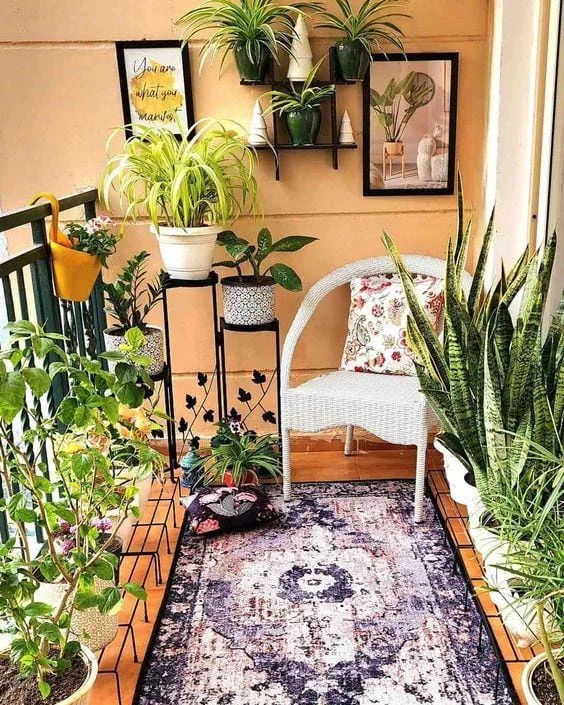
Why Build a Railing Garden?
A railing garden makes the most of space that is usually wasted. Instead of filling the floor with pots, you can keep the floor open for walking and sitting while still growing a good number of plants. It adds greenery, a little shade, and some privacy to a tight space.
It also works well for renters, since many railing planters can be moved or taken down without damaging the building. With the right setup, even a very narrow balcony can become a small, productive garden.
Benefits of a Railing Garden
- Uses vertical space and keeps the floor free.
- Adds greenery, privacy, and some shade.
- Works for herbs, flowers, and small vegetables.
- Keeps plants at hand height for easy watering and harvesting.
- Can be set up on a small budget.
- Suits renters, since most planters can be removed easily.
Safety First: Check Before You Install
Before buying a single pot, spend a few minutes on safety. This protects your family, your neighbours, and the people walking below your building.
Railing Safety Checklist
- Check the railing material and make sure it is firmly fixed, without rust, wobbling, or loose fittings.
- Remember that railings are built to stop falls, not to carry heavy loads.
- Check with your RWA or building management for rules on balcony items, especially if you rent.
- Mount planters on the inside of the railing so they cannot fall outward.
- Use secure fastenings and lighter plants on higher floors, where winds are stronger.
Measuring and Planning Your Railing
A few simple measurements save you from buying planters that do not fit. Note them down before you shop.
| What to Measure | How | Why It Matters |
|---|---|---|
| Railing length | Measure the usable length along the balcony. | Decides how many planters fit. |
| Railing top width | Measure the top bar or the bars. | Decides which brackets or clamps fit. |
| Railing height | Measure from the floor to the top. | Helps you plan planter height and layers. |
| Clear walking space | Measure floor space left in front of the railing. | Keeps the balcony usable and safe. |
| Sunlight hours | Note when sun reaches the railing. | Decides which plants will thrive. |
Choosing Safe Planter Types
The right planter makes a railing garden both beautiful and safe. Choose lightweight, sturdy planters with drainage holes and a tray underneath. Plastic, fibre, and fabric are better choices for railing use than heavy clay or ceramic.
| Planter Type | Best For | Safety Tip |
|---|---|---|
| Railing planter with brackets | Herbs, flowers, leafy greens | Use sturdy brackets and mount on the inside. |
| Hanging baskets | Trailing plants | Hang from a strong overhead hook, not the railing. |
| Grow bags | Vegetables and herbs | Keep them on the floor or a tray. |
| Wall-mounted pockets | Small herbs and succulents | Fix to the wall with proper anchors. |
| Ladder or tiered stand | Many small pots in a small area | Keep heavier pots on the lower shelves. |
Understanding Your Balcony Sunlight
Railings usually get more light than the back of a balcony, but the direction and neighbouring buildings change how much. Observe your balcony for a full day before choosing plants.
| Sunlight | Good Plant Choices |
|---|---|
| 6 or more hours of sun | Chilli, basil, marigold, portulaca. |
| 3 to 5 hours of sun | Coriander, mint, spinach, lettuce. |
| Less than 3 hours | Money plant, spider plant, ferns. |
Lightweight Soil for Railing Planters
Wet soil is heavy, and weight is the biggest enemy on a railing. A light, well-draining mix reduces the load and also helps plants grow better. Garden soil on its own becomes dense and heavy when wet, and it drains poorly in containers.
A Simple Lightweight Mix
- Cocopeat, which is light and holds moisture.
- Compost or vermicompost, for nutrients.
- A smaller amount of garden soil, perlite, or coarse sand for drainage.
- Keep the soil about an inch below the rim to avoid overflow.
1. Coriander
Coriander is one of the best plants for a railing planter. Its shallow roots suit a narrow box, and the leaves can be harvested often. It grows well in winter and does best with partial to full sun.
Coriander Care Tips
- Sow seeds thickly in a shallow rail box.
- Keep the soil lightly moist.
- Give it 4 to 5 hours of sunlight.
- Harvest outer leaves first.
2. Mint
Mint is compact and grows well in a railing box. It spreads quickly, so give it a planter of its own. It grows in partial sun and recovers well after regular harvesting.
Mint Care Tips
- Grow it in its own planter.
- Keep the soil evenly moist.
- Pinch the tips often to keep it bushy.
- Provide partial sunlight.
3. Basil
Basil loves sun, so it suits a bright railing. It grows into a bushy plant and gives a steady harvest when pinched regularly. It is a good choice for sunny balconies with several hours of direct light.
| Requirement | Recommendation |
|---|---|
| Light | Full sun, about 6 hours. |
| Watering | Water when the top inch of soil is dry. |
| Maintenance | Pinch tips and remove flower buds. |
| Ideal Placement | Sunny railing planter. |
4. Money Plant
Money Plant is perfect for shaded or partly shaded railings. Its trailing vines look beautiful spilling over the edge of a planter, and it tolerates lower light better than most flowering plants.
Why Money Plant Suits a Railing
- Grows well in shade or bright indirect light.
- Trails nicely over planter edges.
- Needs very little maintenance.
- Lets you add greenery where flowers will not grow.
More Railing-Friendly Plants
Choose compact, lightweight plants with shallow roots, and avoid tall, top-heavy plants that catch the wind. Here are more good options.
| Plant | Light | Why It Suits a Railing |
|---|---|---|
| Dwarf marigold | Full sun | Compact and colourful. |
| Portulaca (moss rose) | Full sun | Low and spreading, handles heat well. |
| Spinach and lettuce | Partial sun | Shallow-rooted greens for cooler months. |
| Spider plant | Bright indirect | Light, arching leaves and easy care. |
Planning Your Railing Garden Layout
A good layout uses height without crowding the balcony. Plan from the floor up, and keep a clear path to walk and water.
- Place the heaviest pots and tall plants at the bottom or in corners, not on the railing.
- Fix railing planters on the inside of the railing at a comfortable height.
- Put sun-loving plants on the sunniest side and shade-lovers on the shadier side.
- Add a trailing plant at the end of a planter to soften the edge.
- Keep herbs you use daily within easy reach.
- Leave a clear path along the balcony for walking, watering, and cleaning.
Securing Everything Properly
A railing planter that is only resting on the railing can fall in a strong wind or if someone bumps it. Always fasten it properly, and check the fastenings regularly.
Security Tips
- Choose brackets that fit your railing width and tighten them well.
- Add a second fixing, such as a sturdy cable tie or wire, as a backup.
- Never balance pots loosely on the top of the railing.
- Keep planters light by using lightweight soil and not overfilling.
- Check brackets every few weeks, and after strong winds or heavy rain.
Watering Without the Mess
In an apartment, water running off your balcony can annoy neighbours below and stain building walls. A few small habits prevent this, and they also help you water better.
- Place a drip tray or built-in reservoir under each planter, and empty it after watering.
- Pour slowly and stop when you see a little water at the bottom.
- Use a small watering can with a narrow spout for better control.
- Mulch the top soil with dry leaves or coco chips to reduce evaporation.
- Check the soil with a finger and water when the top inch is dry, instead of following a fixed schedule.
Railing Garden Care by Season
Small planters react quickly to weather, so adjust your care through the year.
| Season | Main Challenge | What to Do |
|---|---|---|
| Summer | Heat and fast-drying soil | Check soil often, mulch, and shade delicate plants at noon. |
| Monsoon | Heavy rain, wind, and waterlogging | Check drainage, tighten fastenings, and move delicate pots indoors. |
| Winter | Cooler weather and slower growth | Water less, and grow leafy greens and herbs. |
| Spring | Fresh growth | Refresh the soil, prune, and start new plants. |
Common Mistakes to Avoid with Railing Gardens
Most railing garden problems come from skipping safety steps or choosing the wrong setup. Avoiding these common mistakes keeps your garden safe and healthy.
| Common Mistake | Better Practice |
|---|---|
| Placing heavy clay or ceramic pots on the railing | Use lightweight planters and keep heavy pots on the floor. |
| Mounting planters on the outside of the railing | Mount them on the inside so they cannot fall outward. |
| Skipping society or building rules | Check with your RWA or building management first. |
| Using heavy garden soil alone | Use a light mix of cocopeat, compost, and a little soil. |
| Resting pots loosely on the railing top | Fasten planters with brackets and a backup fixing. |
| Forgetting drip trays | Add trays and water slowly to avoid dripping on neighbours. |
Frequently Asked Questions
Is it safe to grow plants on an apartment balcony railing?
It can be safe if you check the railing strength, follow your society's rules, use lightweight planters, mount them on the inside of the railing, and fasten them securely. A falling pot can hurt someone, so safety must come first.
Should planters go on the inside or outside of the railing?
The inside is safer. A planter mounted on the inside cannot fall outward onto people or balconies below, and it is easier to reach for watering and harvesting.
Do I need permission to install railing planters?
Many societies and buildings have rules about items hanging outside balconies. Check with your RWA or building management, and with your landlord if you rent.
Which plants are best for a railing garden?
Compact, light plants with shallow roots work well, such as coriander, mint, basil, dwarf marigold, portulaca, spinach, money plant, and spider plant. Choose according to your sunlight.
How do I stop water from dripping onto my neighbours?
Use drip trays under planters, water slowly, stop when water first appears at the bottom, and empty trays after watering. Mulching also reduces how often you need to water.
Can I grow vegetables in a railing planter?
Yes, shallow-rooted ones like spinach, lettuce, coriander, and herbs do well. Larger fruiting vegetables such as tomatoes need deep, heavy containers and are better placed on the floor.
How often should I check my planter fastenings?
Check them every few weeks, and after strong winds or heavy rain. Replace any bracket that is loose, rusty, or damaged.
Build Your Balcony Garden with BloomingDen
At BloomingDen, we make balcony gardening simple and enjoyable. Whether you're starting a small railing garden or transforming your whole balcony, we offer plants, gardening supplies, and expert guidance to help you succeed.
Explore the Bloom Store for easy-care plants and book a verified gardener to help you set up and maintain a greener, safer, and more beautiful balcony.
Conclusion
A railing garden is one of the smartest ways to bring greenery to a tight apartment balcony. By using vertical space, choosing lightweight planters and soil, and picking plants that suit your sunlight, you can grow herbs, flowers, and greens without losing floor space.
Most importantly, make safety your first step. Check the railing and your society's rules, mount planters on the inside, fasten them securely, and water without mess so you stay a good neighbour.
Start with a few easy plants, check your setup regularly, and expand slowly. With patience and care, even the narrowest balcony can become a green, relaxing corner of your home.