
Why Urban Gardening Matters: Building Greener, Healthier, and More Sustainable Cities
As cities continue to grow, green spaces are becoming increasingly limited. Urban gardening offers a practical solution by transforming rooftops, balconies, terraces, courtyards, and even small indoor spaces into thriving gardens. Whether growing flowers, herbs, vegetables, or ornamental plants, urban gardening helps reconnect people with nature while making cities greener and more enjoyable places to live.
You do not need a large backyard to become a gardener. Modern urban gardening techniques allow people living in apartments, condominiums, and compact homes to successfully grow plants in containers, raised beds, hanging baskets, and vertical gardens. This guide explores why urban gardening matters and how it contributes to healthier communities, sustainable living, and more beautiful cities.
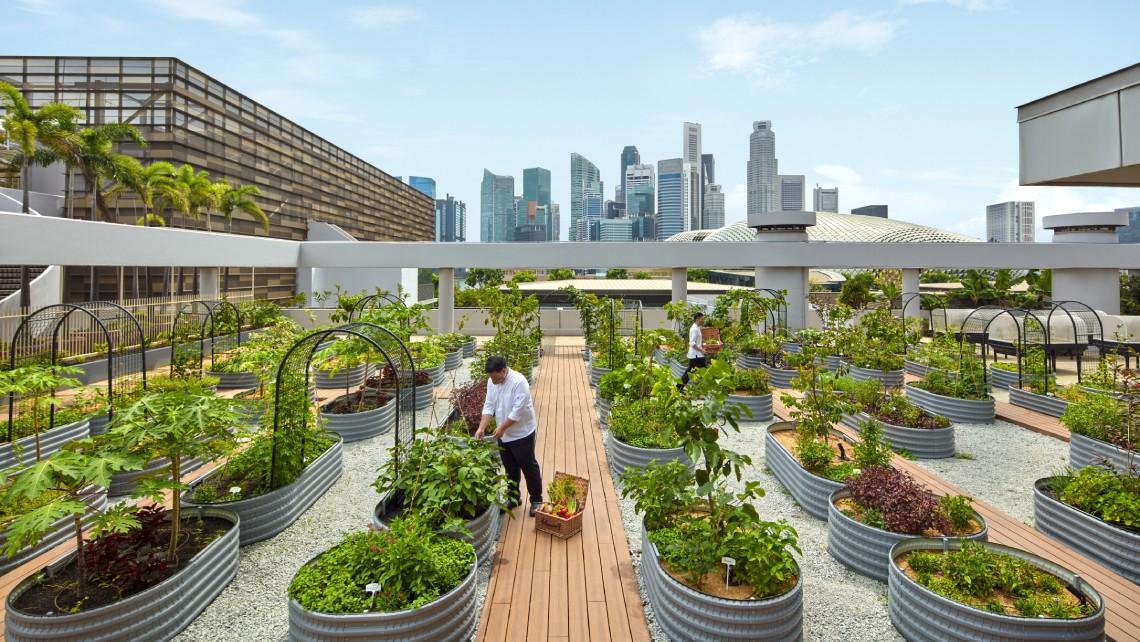
What Is Urban Gardening?
Urban gardening refers to the practice of growing plants within cities and densely populated areas. Instead of relying on large gardens or farmland, urban gardeners creatively use available spaces such as balconies, rooftops, patios, windowsills, terraces, community gardens, and indoor areas to cultivate flowers, vegetables, herbs, and ornamental plants.
Urban gardening makes efficient use of limited space while bringing greenery closer to where people live and work. It encourages city residents to participate in gardening regardless of property size, making plant cultivation accessible to nearly everyone.
As more people embrace sustainable lifestyles, urban gardening has become an important part of creating healthier neighborhoods and environmentally friendly cities.
Benefits of Urban Gardening
- Transforms unused spaces into productive green areas.
- Brings nature closer to everyday urban life.
- Supports sustainable gardening practices.
- Encourages home food production through herbs and vegetables.
- Creates attractive balconies, rooftops, and terraces.
- Promotes community participation through shared gardens.
- Makes gardening possible even in small homes and apartments.
- Contributes to greener and more beautiful cities.
Urban Gardening Makes the Most of Small Spaces
Limited space is no longer a barrier to gardening. Urban gardeners successfully grow plants using containers, vertical gardens, hanging baskets, railing planters, raised beds, and indoor pots. These methods allow city residents to enjoy gardening without requiring large outdoor areas.
With thoughtful planning, even a compact apartment balcony or sunny windowsill can support a vibrant collection of flowers, herbs, or vegetables that add beauty and functionality to everyday living.
Popular Types of Urban Gardens
| Garden Type | Best Location |
|---|---|
| Balcony Garden | Apartment balconies and terraces. |
| Rooftop Garden | Residential and commercial rooftops. |
| Vertical Garden | Walls, fences, and compact outdoor areas. |
| Community Garden | Shared neighborhood spaces and public gardens. |
1. Urban Gardening Creates Greener Cities
One of the greatest advantages of urban gardening is its ability to introduce greenery into densely populated areas. Rooftops, balconies, terraces, sidewalks, and community spaces that might otherwise remain unused can be transformed into attractive gardens filled with flowers, shrubs, herbs, and ornamental plants.
Every balcony garden, rooftop planter, or community flower bed contributes to making cities more visually appealing. As more households and businesses embrace urban gardening, neighborhoods become greener and more enjoyable places to live, work, and visit.
Ways to Add Greenery in Cities
- Create balcony gardens with flowering plants.
- Install rooftop container gardens.
- Grow herbs on kitchen windowsills.
- Use vertical gardens on exterior walls.
- Participate in community gardening projects.
2. Urban Gardening Encourages Sustainable Living
Urban gardening encourages people to make better use of available space while developing environmentally responsible habits. Growing herbs, vegetables, flowers, and ornamental plants at home promotes resource-conscious gardening practices and encourages people to appreciate the value of caring for living plants.
Many urban gardeners also adopt practices such as composting kitchen waste, collecting rainwater where appropriate, reusing containers, and selecting native or climate-appropriate plants. Together, these small actions contribute to more sustainable cities and responsible gardening.
| Sustainable Practice | Benefit |
|---|---|
| Container gardening | Makes efficient use of limited space. |
| Composting | Recycles organic household waste. |
| Rainwater collection | Supports responsible water use. |
| Growing herbs at home | Provides convenient access to fresh ingredients. |
3. Urban Gardens Support Local Biodiversity
Even small gardens can provide valuable habitats for butterflies, bees, birds, and other beneficial wildlife. Flowering plants attract pollinators, while shrubs and container gardens create resting places for small birds and insects. As more green spaces appear throughout cities, they collectively contribute to healthier urban ecosystems.
Choosing a diverse mix of flowering plants, herbs, and native species helps create vibrant gardens that support local biodiversity while adding seasonal beauty to urban environments.
Plants That Support Urban Wildlife
- Marigold
- Lavender
- Sunflower
- Zinnia
- Cosmos
- Basil
4. Urban Gardening Brings Communities Together
Community gardens provide opportunities for neighbors to work together, exchange gardening knowledge, and build stronger relationships. Shared gardening projects encourage cooperation while transforming underused spaces into productive and attractive green areas that everyone can enjoy.
Whether through neighborhood gardens, residential associations, schools, or local organizations, urban gardening encourages people of all ages to participate in creating greener communities while sharing ideas, plants, and gardening experiences.
5. Urban Gardening Makes Fresh Food More Accessible
Urban gardening allows families to grow fresh herbs, leafy vegetables, tomatoes, peppers, and other edible plants close to home. Even a small balcony or rooftop garden can provide ingredients for everyday meals while encouraging people to appreciate where their food comes from.
Growing edible plants at home also encourages seasonal gardening and reduces the need for frequent trips to purchase small quantities of herbs and vegetables. Harvesting fresh produce directly from your own garden adds convenience while making everyday cooking more enjoyable.
Easy Edible Plants for Urban Gardens
- Basil
- Mint
- Coriander
- Cherry Tomatoes
- Spinach
- Green Chilies
- Lettuce
- Spring Onions
6. Urban Gardening Improves the Appearance of Cities
Plants have the ability to transform ordinary urban spaces into attractive landscapes. Balconies filled with flowers, rooftop gardens, green office terraces, and community parks add visual appeal while creating more pleasant neighborhoods for residents and visitors.
Businesses, apartment complexes, schools, and public spaces all benefit from thoughtfully designed gardens. As more green spaces appear throughout cities, urban environments become more vibrant, colorful, and inviting for everyone.
| Urban Space | Gardening Opportunity |
|---|---|
| Apartment Balconies | Flower gardens, herbs, decorative containers. |
| Building Rooftops | Vegetable gardens and relaxation spaces. |
| Schools | Educational gardens for students. |
| Office Buildings | Green terraces and decorative landscaping. |
Getting Started with Urban Gardening
Starting an urban garden is easier than many people expect. Begin by identifying the available space, whether it is a balcony, rooftop, windowsill, patio, or indoor corner with sufficient natural light. Select plants that suit your environment and start with a few easy-to-maintain varieties before expanding your garden.
Containers with proper drainage, quality potting mix, and regular watering are usually all that is needed to establish a successful urban garden. As your experience grows, you can experiment with vertical gardens, raised beds, companion planting, and seasonal flowers.
Beginner-Friendly Urban Garden Plants
- Snake Plant
- Pothos
- Aloe Vera
- Basil
- Mint
- Marigold
- Spider Plant
- Cherry Tomato
Basic Urban Gardening Tips
Successful urban gardening begins with understanding your available sunlight, choosing suitable containers, and following a consistent care routine. Most plants thrive with adequate drainage, regular watering, and occasional feeding during the growing season.
Keep your garden simple in the beginning, observe how your plants respond to their environment, and gradually expand your collection as you gain confidence. Small, consistent efforts can transform even the most compact urban spaces into thriving green gardens.
Common Urban Gardening Mistakes to Avoid
Urban gardening is simple to begin, but avoiding a few common mistakes can make your garden healthier and easier to maintain. Careful planning, proper plant selection, and regular maintenance help urban gardens flourish even in limited spaces.
| Common Mistake | Better Practice |
|---|---|
| Choosing plants unsuitable for available sunlight | Select plants that match your location's light conditions. |
| Overcrowding containers | Allow enough space for healthy growth. |
| Overwatering plants | Check soil moisture before watering. |
| Using containers without drainage | Choose pots with proper drainage holes. |
| Ignoring seasonal plant care | Adjust watering and maintenance throughout the year. |
Creative Urban Gardening Ideas
Urban gardening encourages creativity by making use of every available space. Whether decorating a balcony, transforming a rooftop, or creating a vertical garden, thoughtful plant arrangements can make even the smallest city home feel connected to nature.
- Create a vertical herb garden on a balcony wall.
- Use hanging baskets for trailing flowering plants.
- Build a rooftop vegetable garden using raised planters.
- Decorate windowsills with compact herbs and succulents.
- Transform unused corners into indoor plant displays.
- Install railing planters for seasonal flowers.
- Mix ornamental plants with edible herbs.
- Create a community garden with neighbors.
Frequently Asked Questions
What is urban gardening?
Urban gardening is the practice of growing plants in cities using spaces such as balconies, rooftops, terraces, windowsills, patios, community gardens, and indoor areas.
Can I start an urban garden without a backyard?
Yes. Many successful urban gardens are created on apartment balconies, rooftops, windowsills, and even inside homes using containers and vertical gardening systems.
Which plants are best for urban gardening?
Herbs, leafy vegetables, flowering plants, succulents, and hardy indoor plants such as Snake Plant, Pothos, Spider Plant, and Aloe Vera are excellent choices for urban gardens.
Is urban gardening suitable for beginners?
Absolutely. Starting with a few easy-to-grow plants in containers is an excellent way for beginners to learn basic gardening skills before expanding their garden.
Building a Greener Future Through Urban Gardening
Every balcony garden, rooftop planter, community garden, and indoor plant contributes to a greener urban environment. Although individual gardens may seem small, their combined impact creates more attractive neighborhoods, encourages sustainable lifestyles, and inspires others to introduce greenery into their own spaces.
As cities continue to expand, urban gardening offers an accessible way for residents to reconnect with nature while improving their homes and communities. By making the most of available space, every gardener can play a role in creating cleaner, greener, and more enjoyable cities for future generations.
Urban Gardening Maintenance Checklist
Maintaining an urban garden is simple when you follow a regular care routine. Consistent attention helps plants remain healthy while ensuring balconies, rooftops, terraces, and indoor gardens continue to flourish throughout the year.
| Gardening Activity | Recommended Frequency | Purpose |
|---|---|---|
| Check soil moisture | Every 2–3 days | Maintain proper watering levels. |
| Water plants | As needed | Support healthy plant growth. |
| Remove dry leaves | Weekly | Keep plants healthy and attractive. |
| Inspect for pests | Weekly | Detect problems before they spread. |
| Apply fertilizer | Every 4–6 weeks | Encourage vigorous growth and flowering. |
Signs Your Urban Garden Is Thriving
Healthy urban gardens reflect consistent care and thoughtful planning. Observing your plants regularly allows you to enjoy their progress while identifying any issues early. Whether you grow flowers, herbs, vegetables, or ornamental plants, these signs indicate your garden is flourishing.
- Plants produce healthy new leaves and shoots.
- Flowers bloom consistently during the season.
- Herbs and vegetables show steady growth.
- Leaves remain vibrant and free from major damage.
- Containers drain properly after watering.
- Pollinators such as butterflies and bees visit flowering plants.
- Your garden remains clean, organized, and easy to maintain.
Create Your Urban Garden with BloomingDen
BloomingDen helps you transform balconies, rooftops, terraces, and indoor spaces into beautiful green gardens. From flowering plants and indoor greenery to herbs, vegetables, decorative planters, premium potting mixes, and expert gardening services, we provide everything you need to build a thriving urban garden.
Whether you're starting your first balcony garden or expanding a rooftop oasis, BloomingDen offers high-quality plants and professional guidance to help you create a greener, healthier, and more sustainable urban lifestyle.
Conclusion
Urban gardening proves that meaningful green spaces can thrive even in the heart of busy cities. By making use of balconies, rooftops, terraces, windowsills, and community spaces, people can enjoy the beauty of nature while contributing to cleaner, more attractive, and more sustainable neighborhoods.
Whether you choose to grow colorful flowers, fresh herbs, nutritious vegetables, or decorative indoor plants, every garden—no matter how small—plays an important role in creating healthier urban environments. Simple gardening practices also inspire families, neighbors, and communities to appreciate nature and make better use of available space.
Start with a few easy-to-grow plants, care for them consistently, and gradually expand your garden over time. Every container, every flower, and every green corner brings cities one step closer to a more sustainable, beautiful, and environmentally friendly future.