
Zero-Waste Gardening in India 2026: Reusing Everyday Kitchen Scraps to Grow New Plants
Gardening Made Easy: Learn how to regrow vegetables and herbs from kitchen scraps, grow plants from kitchen seeds, make compost, create natural plant food, and reuse household containers to build a low-cost, zero-waste garden.
Posted: October 27, 2026 | Sustainable Gardening
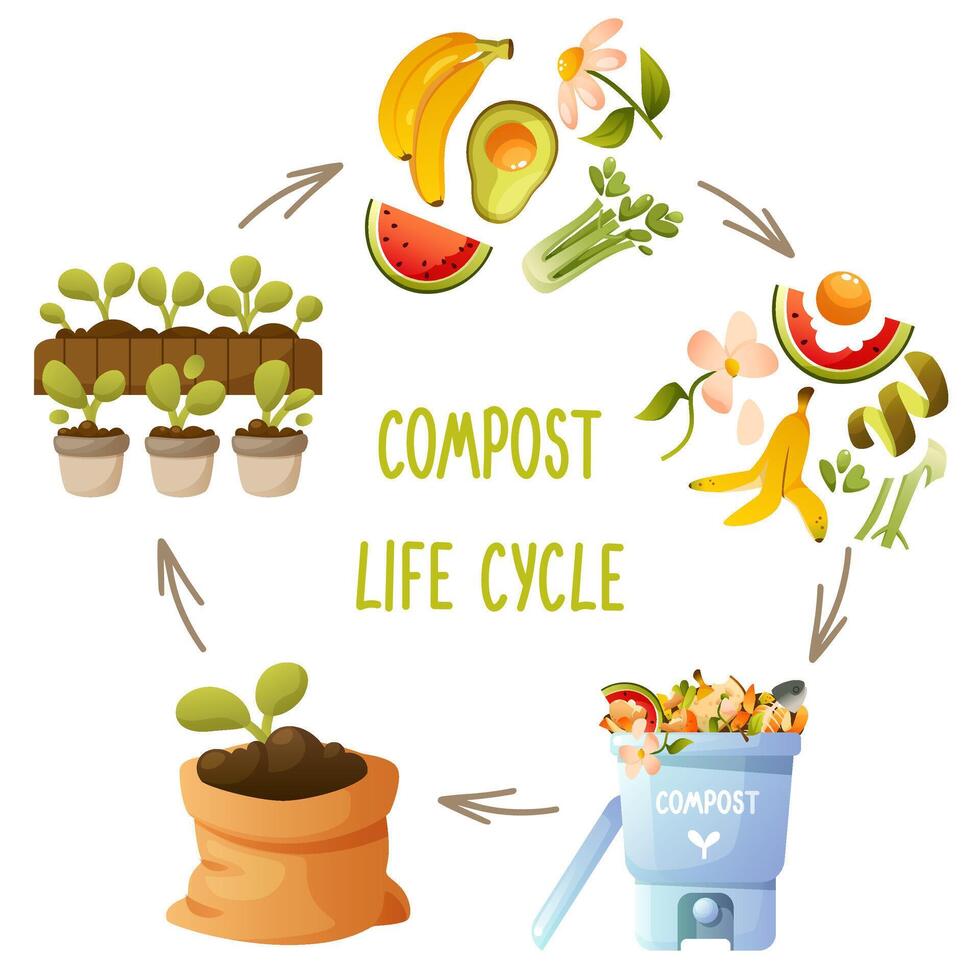
Every kitchen produces small amounts of waste every day: onion roots, vegetable peels, seeds, tea leaves, and eggshells. Most of it goes into the dustbin, even though much of it can be used to grow new plants or feed existing ones.
Zero-waste gardening is the habit of giving kitchen scraps a second life. You can regrow some vegetables and herbs, grow plants from the seeds already in your kitchen, turn peels into compost, and reuse old containers as pots.
It is also one of the cheapest ways to start gardening. You do not need to buy many plants, pots, or fertilizers to begin, and it is a good way to involve children and family members.
This guide explains how to start zero-waste gardening in India step by step, including which scraps work, how to regrow them, how to make compost, and how to avoid common mistakes.
IN THIS ARTICLE
- Why Try Zero-Waste Gardening?
- Step 1: Know What You Can Reuse
- Step 2: Regrow Scraps in Water
- Step 3: Grow from Kitchen Seeds
- Step 4: Plant Ginger, Turmeric, Garlic and Potato
- Step 5: Make Compost from Kitchen Waste
- Step 6: Natural Plant Food from Scraps
- Step 7: Reuse Containers
- Step 8: Save and Reuse Water
- Step 9: Grow According to the Season
- Common Problems and Fixes
- Common Beginner Mistakes
- Quick Zero-Waste Starter Checklist
- Frequently Asked Questions
Why Try Zero-Waste Gardening?
Zero-waste gardening reduces the amount of waste leaving your home and gives you free materials for your plants. It also teaches you how plants grow, since you watch them develop from a scrap, a seed, or a cutting.
Not every scrap will grow, and some take time, so treat it as a fun experiment rather than a guarantee. Start with the easiest ones and build from there.
- Reduce kitchen waste going to the dustbin.
- Save money on plants, pots, and fertilizer.
- Grow fresh herbs and greens at home.
- Learn how plants grow and root.
- Involve children and family in a simple gardening activity.
Step 1: Know What You Can Reuse
Before you start, sort your kitchen waste into what can grow, what can feed, and what should go in the bin.
| Kitchen Waste | What You Can Do | Result |
|---|---|---|
| Green onion roots | Place in water or soil | New green leaves |
| Mint and tulsi stems | Root in water | New plants |
| Methi, coriander, mustard seeds | Sow in soil | Fresh greens |
| Ginger, turmeric, garlic pieces | Plant in soil | New plants over time |
| Vegetable and fruit peels | Add to compost | Natural soil food |
| Eggshells and used tea leaves | Add to compost or soil | Soil improvement |
| Plastic bottles, tins, old buckets | Make drainage holes and reuse | Free containers |
Step 2: Regrow Scraps in Water
Some scraps and cuttings root easily in plain water. Use a clean glass or jar, keep it in bright but not harsh light, and change the water every 2 to 3 days to prevent bad smell and rotting.
Green Onions (Spring Onions)
Cut the green leaves for cooking, leaving about 2 inches above the white root end. Place the root end in a little water so only the roots are covered. New leaves usually start to grow within a week or two. For a longer supply, move them into soil.
Mint and Tulsi Cuttings
Take a 4 to 6 inch stem, remove the lower leaves, and place it in water. Roots usually appear in about 1 to 2 weeks. Once the roots are a few centimetres long, plant the cutting in a pot with well-draining soil.
Lemongrass Stalks
Buy fresh stalks with the root end still attached, place them in water in a sunny spot, and wait for roots to appear. Then plant them in a large pot, since lemongrass grows into a big clump.
Celery Base
Cut the base of the celery and place it cut-side up in shallow water. Small leaves and roots may appear in about a week. Plant it in soil for the best results.
Step 3: Grow from Kitchen Seeds
Seeds already in your kitchen can grow into leafy greens, spices, and vegetables. Use whole, untreated seeds. Use fresh seeds from ripe vegetables, and remember that plants grown from supermarket hybrid vegetables may not look exactly like the parent.
| Kitchen Seed | How to Use | Good to Know |
|---|---|---|
| Methi (fenugreek) | Sow in a shallow pot of loose soil | Leaves are usually ready in 3 to 4 weeks |
| Coriander (dhania) | Lightly crush whole seeds and sow | Leaves usually ready in 4 to 6 weeks |
| Mustard | Sow thickly for young greens | Quick-growing leafy crop |
| Tomato | Take seeds from a ripe fruit, dry them, then sow | Needs lots of sun and a large pot |
| Dry red chilli | Sow seeds from dried chillies | Slow to start; needs warmth and sun |
Sow seeds at the depth mentioned on the packet or about twice their size, keep the soil lightly moist, and place the pot in a bright spot.
Step 4: Plant Ginger, Turmeric, Garlic and Potato
Some kitchen items are underground parts of the plant and can be planted if they show small buds or sprouts. These take longer than leafy scraps, so be patient.
Ginger and Turmeric
Choose a fresh piece with small bud-like bumps (eyes). Plant it about 2 inches deep with the buds facing up in a wide pot with loose, rich soil. These plants like warm, humid weather, so the start of the monsoon is a good time. They need several months before the roots are ready.
Garlic
Plant individual cloves that are firm and sprouting, with the pointed end up, about 1 to 2 inches deep. You can also snip the green shoots and use them like garlic greens.
Sprouted Potatoes
Potatoes that have sprouted can be cut into pieces with at least one or two eyes and planted in a deep bucket or grow bag. They need sunlight and regular watering, and the crop takes a few months.
Step 5: Make Compost from Kitchen Waste
Composting turns vegetable waste into dark, crumbly, nutrient-rich soil food. You can compost in a bucket, a drum with holes, or a pot on the balcony.
What to Add
- Vegetable and fruit peels, in small pieces.
- Used tea leaves and coffee grounds, in small amounts.
- Crushed eggshells.
- Dry leaves and shredded paper or cardboard.
- Coconut husk and garden trimmings.
What to Avoid
- Meat, fish, and bones.
- Dairy products, oily and cooked food, which can smell and attract pests.
- Large amounts of citrus peel or onion, which can slow down composting.
- Diseased plants and plastic or synthetic materials.
Simple Method
Keep a container with drainage holes and a lid. Add a layer of dry leaves or soil, then your kitchen scraps, and cover them with more dry material each time. Mix once a week and keep it damp but not soggy. In a few months, the material turns dark and smells earthy, and it is ready to use.
Step 6: Natural Plant Food from Scraps
Some kitchen waste can be used to give plants a gentle boost. Use these in small amounts and watch how your plants respond, since too much of anything can harm roots.
| Material | How to Use | Beginner Tip |
|---|---|---|
| Crushed eggshells | Mix into soil or compost | Break into very small pieces; they act slowly |
| Banana peels | Chop and bury in the soil or add to compost | Bury them so they do not attract flies |
| Used tea leaves | Mix into compost or lightly into topsoil | Use only plain, dry used leaves |
| Coffee grounds | Add small amounts to compost | Do not apply a thick layer on soil |
| Compost | Mix a handful into pots | Use mature compost with an earthy smell |
Step 7: Reuse Containers as Pots
You do not need to buy pots to start. Many household items can become planters, as long as they are clean and have drainage.
Good Containers to Reuse
Plastic bottles (cut open), food tins, old buckets, cracked mugs, large ice cream tubs, and egg cartons for starting seeds all work well.
Always Add Drainage
Make several holes at the bottom with a heated nail or drill, and keep a tray underneath if needed. Without drainage, water collects and roots can rot.
Clean and Check First
Wash containers well before use. Avoid any container that held chemicals, paint, or pesticides.
Step 8: Save and Reuse Water
Water is part of zero-waste gardening too. Keep a bucket to collect water that would otherwise go down the drain, and use it on your plants.
Water You Can Reuse
- Water used to rinse fresh vegetables or fruit.
- Water left from boiling vegetables, once it has cooled and without salt.
- Leftover drinking water from glasses and bottles.
Water to Avoid
Do not use water containing soap, detergent, salt, oil, or chemicals on plants, and do not store water for many days, as it can attract mosquitoes.
Step 9: Grow According to the Season
Season affects how well scraps and seeds grow. This is a general guide, so adjust for your local climate.
| Season | What Works Well | Beginner Tip |
|---|---|---|
| Summer | Mint, lemongrass, tulsi cuttings | Protect from harsh afternoon sun and water regularly |
| Monsoon | Ginger, turmeric, mint, tulsi | Ensure good drainage and avoid soggy soil |
| Winter | Methi, coriander, mustard, spinach seeds | Give plants as much sun as possible |
| Spring | Garlic greens, onions, new cuttings | A good time to start fresh pots |
Common Problems and Fixes
Not every scrap will grow, and a few problems are common. Here is how to deal with them.
| Problem | Possible Cause | First Step |
|---|---|---|
| Cutting turns slimy or smells | Dirty or unchanged water | Rinse the stem and change the water every 2 to 3 days |
| Seeds do not sprout | Old or treated seeds, or too dry or too wet soil | Try fresh seeds and keep soil lightly moist |
| Compost smells bad | Too wet or too many food scraps | Add dry leaves and mix well |
| Fruit flies around compost | Exposed food waste | Cover scraps with dry material and keep a lid on |
| Weak, thin growth | Not enough sunlight | Move to a brighter spot |
Common Beginner Mistakes
- Using containers without drainage holes
- Not changing the water for cuttings
- Adding meat, dairy, or oily food to compost
- Putting a thick layer of scraps directly on soil
- Expecting every scrap to grow
- Keeping new cuttings in harsh direct sun
- Planting too many things at once
- Giving up too early, as some plants are slow to start
Quick Zero-Waste Starter Checklist
| Task | What to Do | Beginner Tip |
|---|---|---|
| Collect Scraps | Save clean onion roots, stems, seeds, peels, and eggshells | Keep a small box in the kitchen |
| Regrow in Water | Root green onions, mint, tulsi, and lemongrass | Change the water every 2 to 3 days |
| Sow Kitchen Seeds | Grow methi, coriander, mustard, tomato, or chilli | Use fresh, untreated seeds |
| Plant Roots | Plant ginger, turmeric, garlic, and sprouted potato | Choose pieces with visible buds |
| Compost | Add peels, tea leaves, and dry leaves in layers | Avoid meat, dairy, and oily food |
| Reuse Containers | Turn bottles, tins, and buckets into pots | Always make drainage holes |
| Watch and Adjust | Check for pests, water, and light regularly | Be patient and try again |
Frequently Asked Questions
Q1. What kitchen scraps can I regrow at home in India?
Q2. Can I grow plants from kitchen seeds?
Q3. How long does it take to regrow green onions?
Q4. Can I put all kitchen waste in compost?
Q5. Do eggshells and banana peels really help plants?
Q6. What containers can I reuse for plants?
Q7. Is it safe to plant sprouted potatoes?
Q8. When is the best time to plant ginger and turmeric?
Q9. Why do my cuttings in water turn slimy?
Q10. Is zero-waste gardening good for beginners?
Author Bio
Written by the Blooming Den Gardening Team – Verified plant experts helping urban India go green since 2025. We deliver plants, supplies, and professional care to your doorstep.