
Indoor Plants / Plant Guide
Areca Palm: Complete Care Guide, Varieties & Benefits
Learn how to grow and care for Areca Palm with practical guidance on sunlight, watering, soil, fertilizer, pruning, propagation, varieties, common problems, and indoor placement.
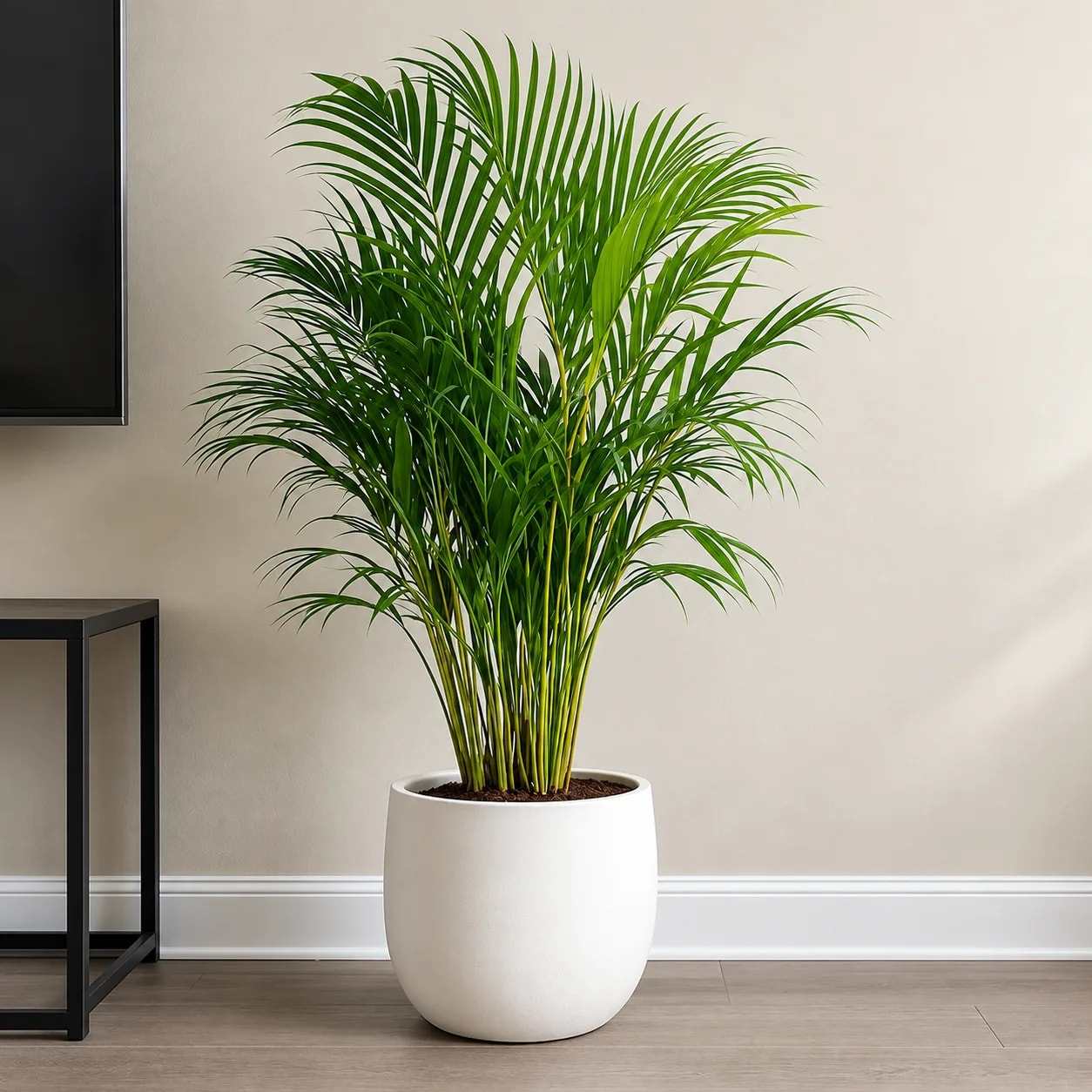
Areca Palm Guide
Everything you need to know about Areca Palm
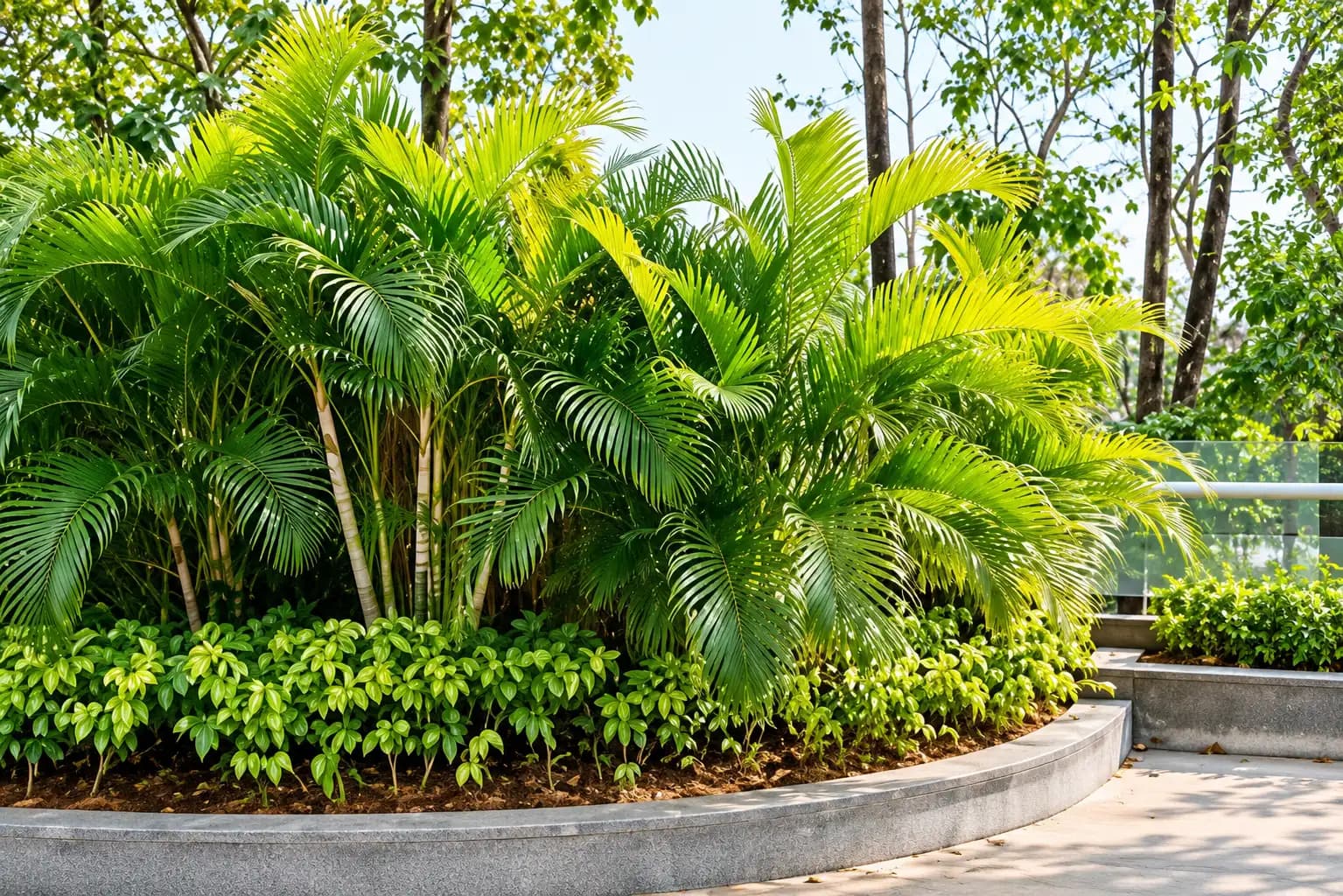
Areca Palm is a popular indoor plant valued for its lush, arching fronds and tropical appearance. It can add height and greenery to living rooms, bedrooms, offices, entrances, balconies, and other suitable spaces.
Areca Palm generally performs best with bright indirect light, moderate watering, well-draining soil, suitable humidity, warm temperatures, and good airflow. Container size and available space are also important because mature plants can develop a broad canopy.
If you are looking for indoor plants, plants for home or office spaces, Areca Palm can be considered when the light and growing conditions match its requirements.
Quick facts
Areca Palm at a Glance
Use these basic characteristics as a starting point when choosing and caring for an Areca Palm.
Common name
Areca Palm
Also known as
Butterfly Palm / Golden Cane Palm
Plant type
Tropical ornamental palm
Light
Bright indirect light
Watering
Moderate, with good drainage
Maintenance
Moderate
Growth
Moderate to fast under suitable conditions
Propagation
Clump division / Offsets
About the plant
What Is an Areca Palm?
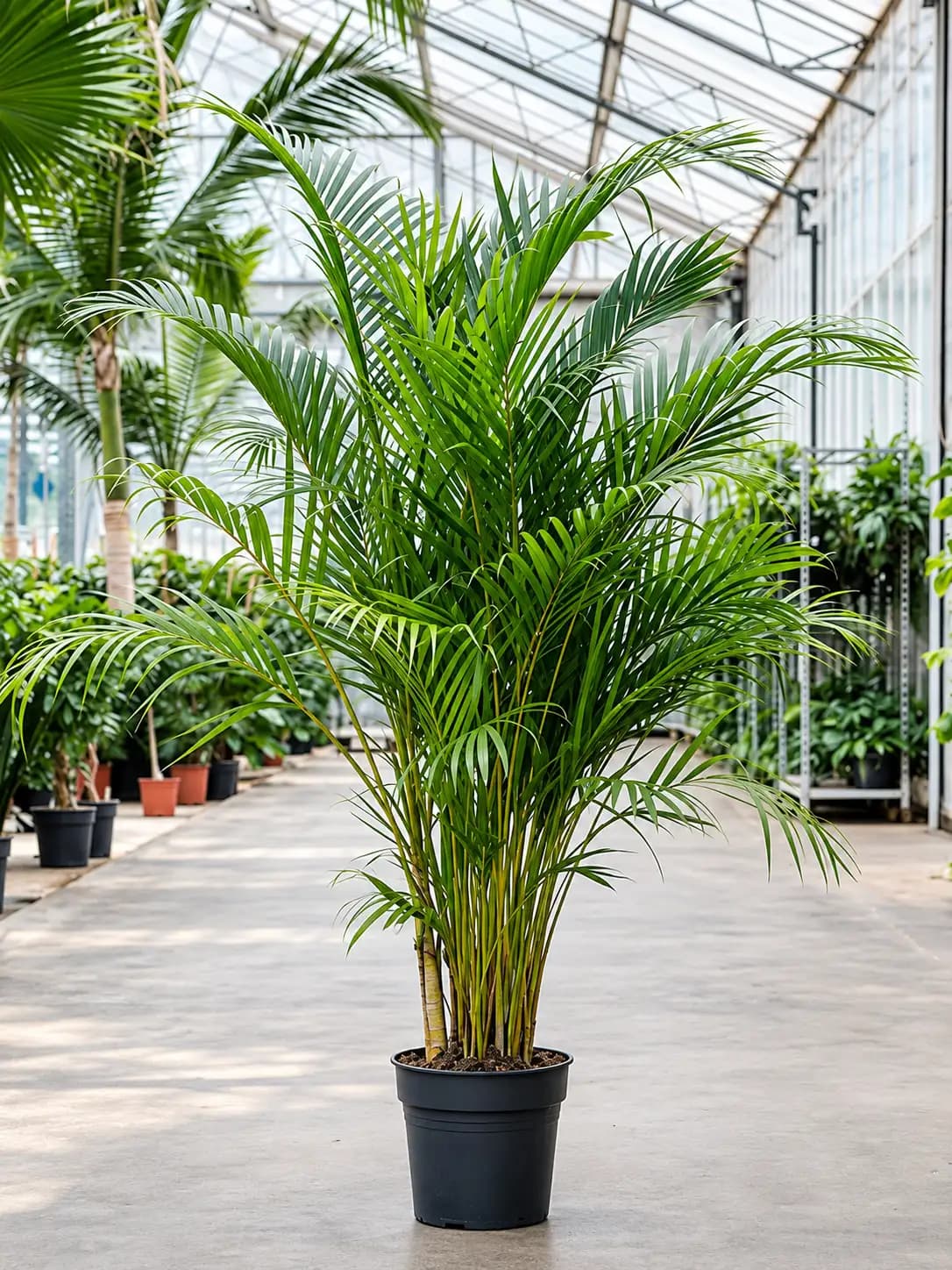
Areca Palm commonly refers to Dypsis lutescens, a tropical palm known for its multiple slender stems and arching feather-like fronds. It is widely used as an ornamental plant in homes, offices, gardens, balconies, and other suitable spaces.
The plant can develop into a large, full specimen when given adequate light, root space, warmth, and moisture. Its spreading fronds should be considered when selecting a location and container.
Areca Palm generally performs best with bright indirect light, fertile well-draining soil, appropriate watering, moderate to higher humidity, and protection from prolonged exposure to harsh direct sunlight or cold conditions.
Care guide
How to Care for an Areca Palm
Good Areca Palm care starts with bright indirect light, appropriate watering, well-draining soil, suitable humidity, warm temperatures, and enough space for healthy growth.
Areca Palm Light Requirements
Areca Palm generally prefers bright, indirect light. Place it near a bright window where it receives filtered light rather than prolonged harsh direct sunlight.
If you are looking for more plants suited to indoor conditions, explore our indoor plants collection.
Areca Palm Watering
Water when the upper layer of the growing medium begins to dry. Water thoroughly and allow excess water to drain from the container.
Avoid keeping the roots constantly waterlogged. Watering frequency can change with indoor temperature, humidity, light, pot size, soil, and season.
For more plant options suitable for home interiors, explore our indoor plants collection.
Best Soil for Areca Palm
Use a fertile, airy, well-draining potting medium that retains enough moisture for the plant while allowing excess water to escape. Avoid dense soil that remains wet for long periods.
Temperature
Areca Palm prefers warm conditions and should be protected from prolonged exposure to cold temperatures and sudden temperature changes. Avoid placing the plant directly next to cold drafts or strong heating and cooling sources.
Humidity & Airflow
Areca Palm generally appreciates moderate to higher humidity. Dry indoor air can contribute to brown leaf tips and edges. Maintain reasonable airflow while avoiding strong continuous drafts.
Areca Palm Fertilizer
Feed Areca Palm during active growth using a suitable balanced fertilizer according to the product instructions. Avoid excessive fertilizer because accumulated salts can contribute to leaf-tip browning and root stress.
Areca Palm Repotting
Repot when the plant has significantly outgrown its container or the growing medium has deteriorated. Choose a container with drainage holes and only move to a moderately larger pot to avoid excessive moisture retention.
Areca Palm Pruning
Remove completely brown, yellow, damaged, or dead fronds using clean tools. Avoid excessive pruning of healthy green foliage because the plant needs its leaves for photosynthesis and growth.
Choose the right space
Areca Palm for Different Spaces
Areca Palm can work in several home and workspace environments when light, available space, airflow, temperature, and container size are considered.
Home
Use Areca Palm to add tropical greenery to living rooms, bedrooms, entry areas, and other bright indoor spaces.
Explore home plants →Office Plants
Explore greenery suitable for offices and workspaces while considering available light and indoor conditions.
Explore office plants →Balcony Plants
Discover plants for balconies and covered outdoor areas while considering sunlight, wind, and temperature.
Explore balcony plants →Low-Light Plants
Explore indoor plants suited to lower-light locations when a space does not receive strong natural light.
Explore low-light plants →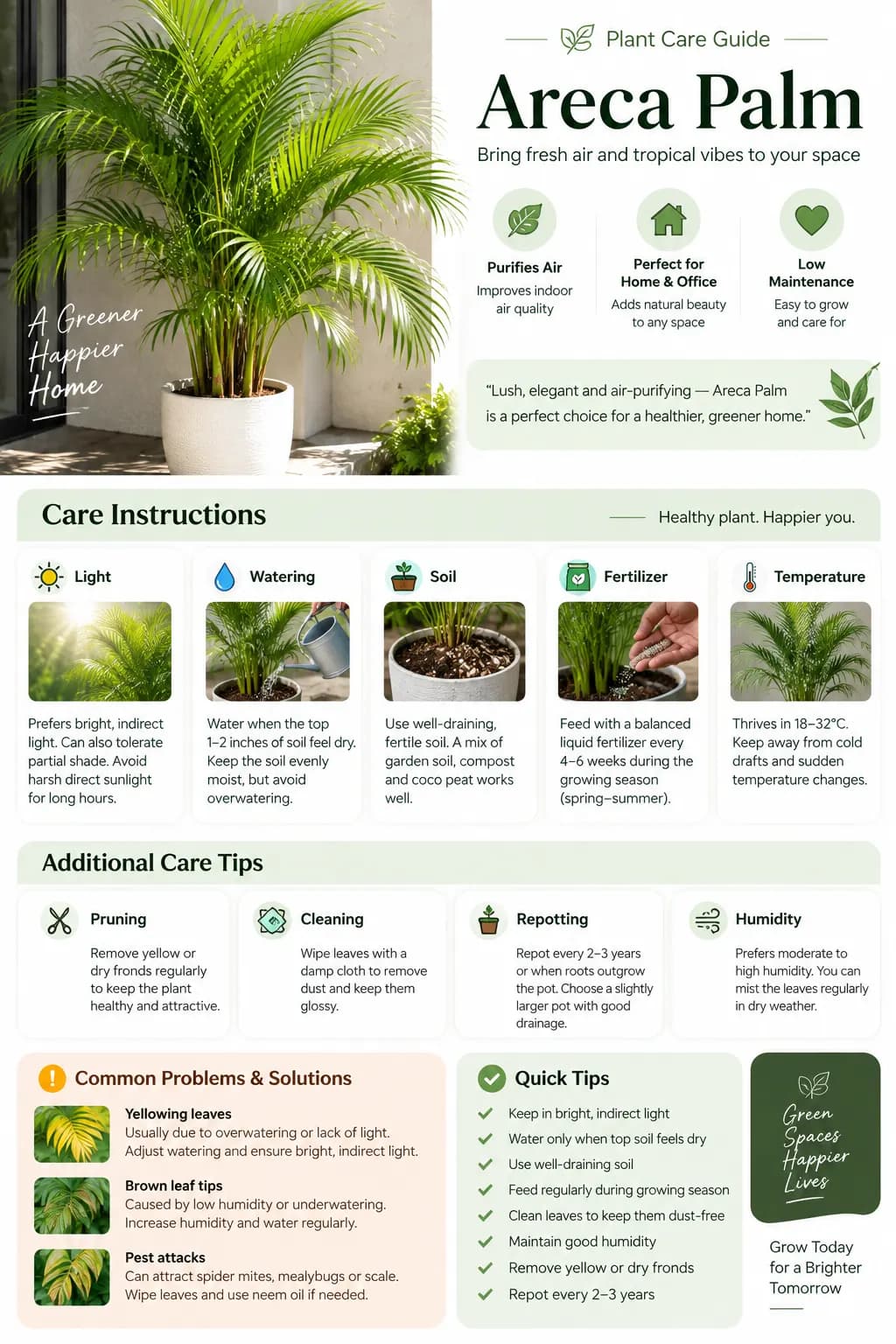
Continue learning
Read our Areca Palm Care Guide
Want more practical guidance on growing Areca Palm? Explore our detailed care resources covering light, watering, soil, humidity, feeding, repotting, pruning, propagation, and common problems.
Popular varieties
Areca Palm Varieties
Areca palms and related species can vary in size, growth habit, foliage, and suitability for different environments.
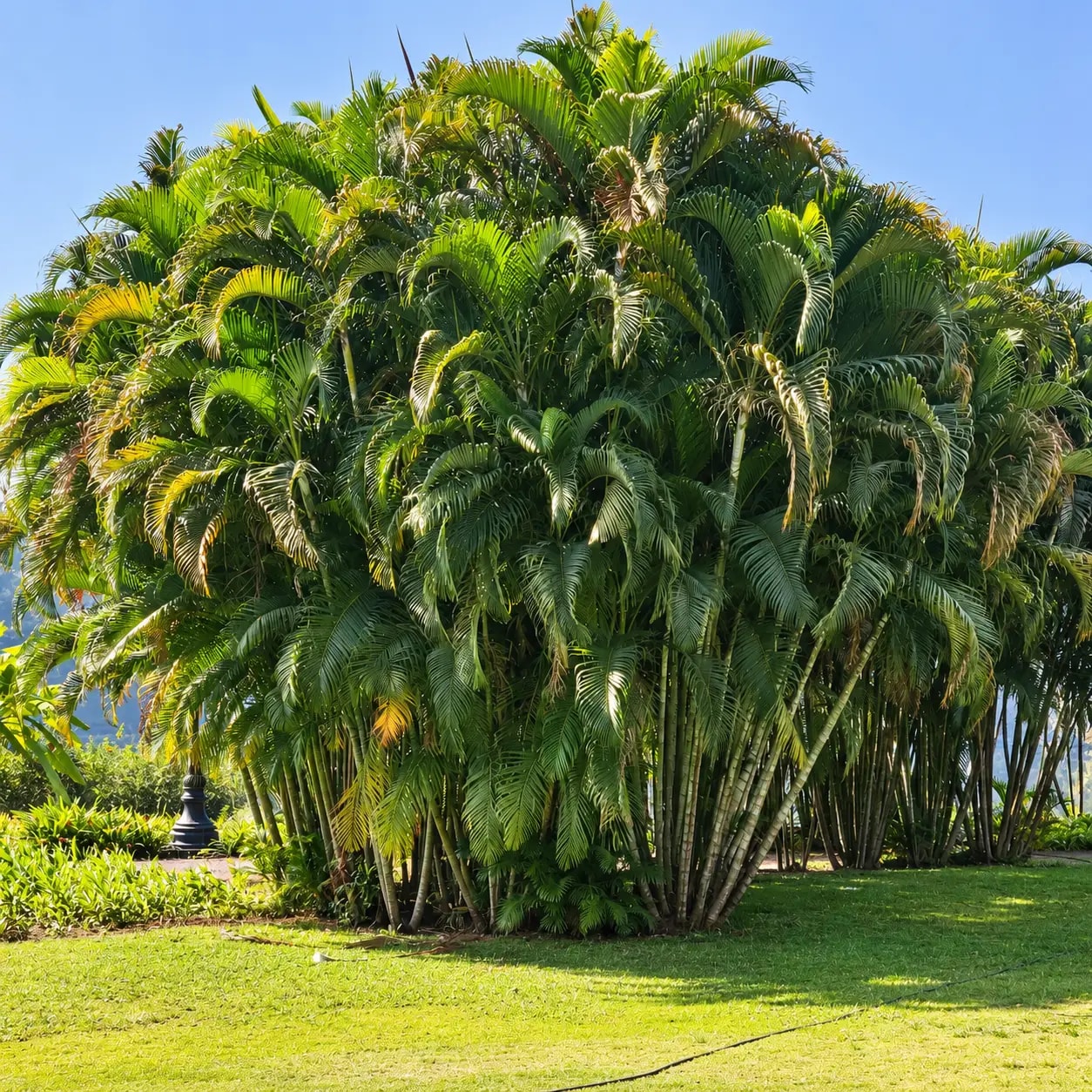
Dypsis lutescens
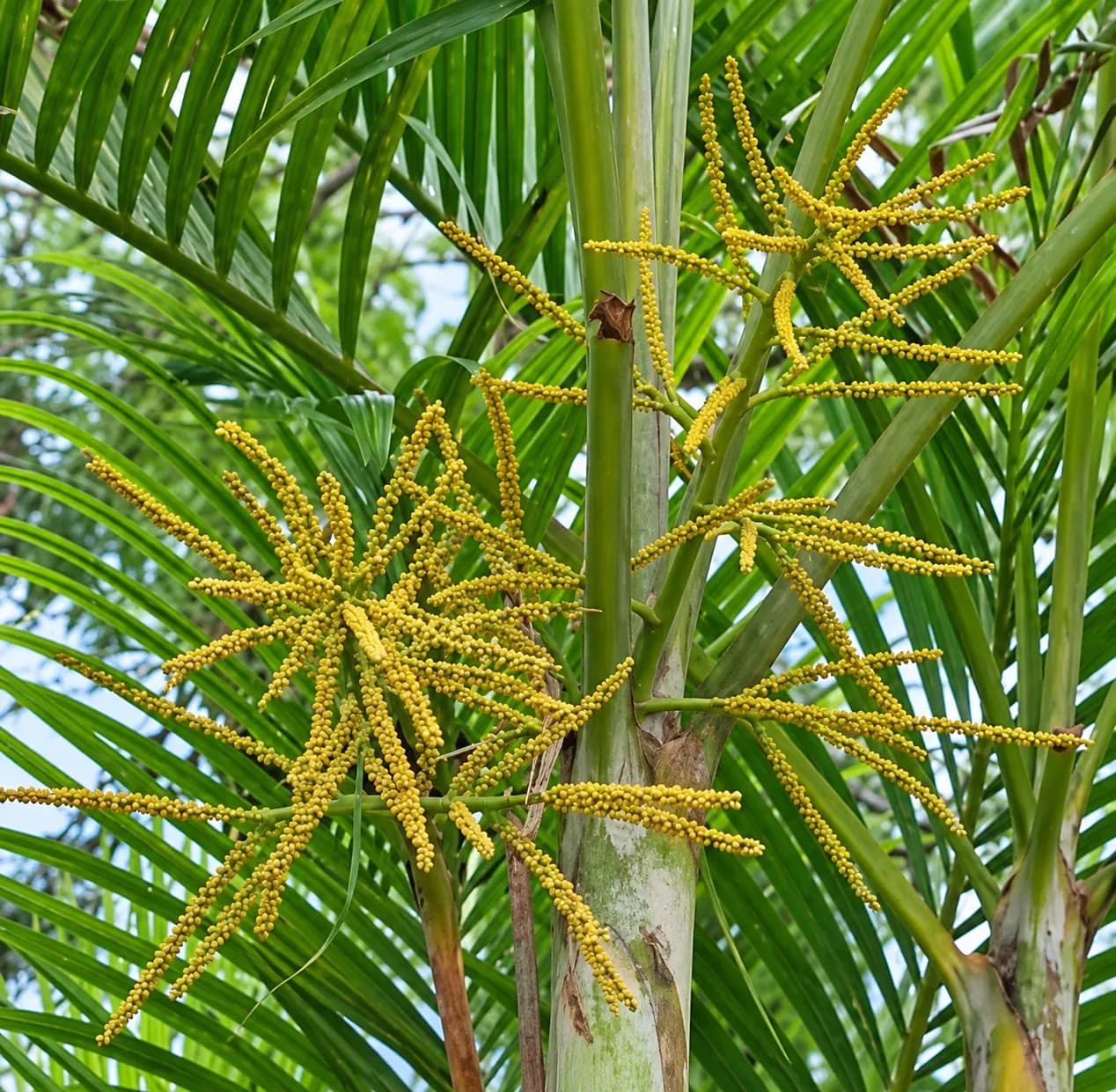
Dypsis lutescens is the species commonly sold as Areca Palm, Golden Cane Palm, or Butterfly Palm. It develops multiple slender stems and arching feather-like fronds.
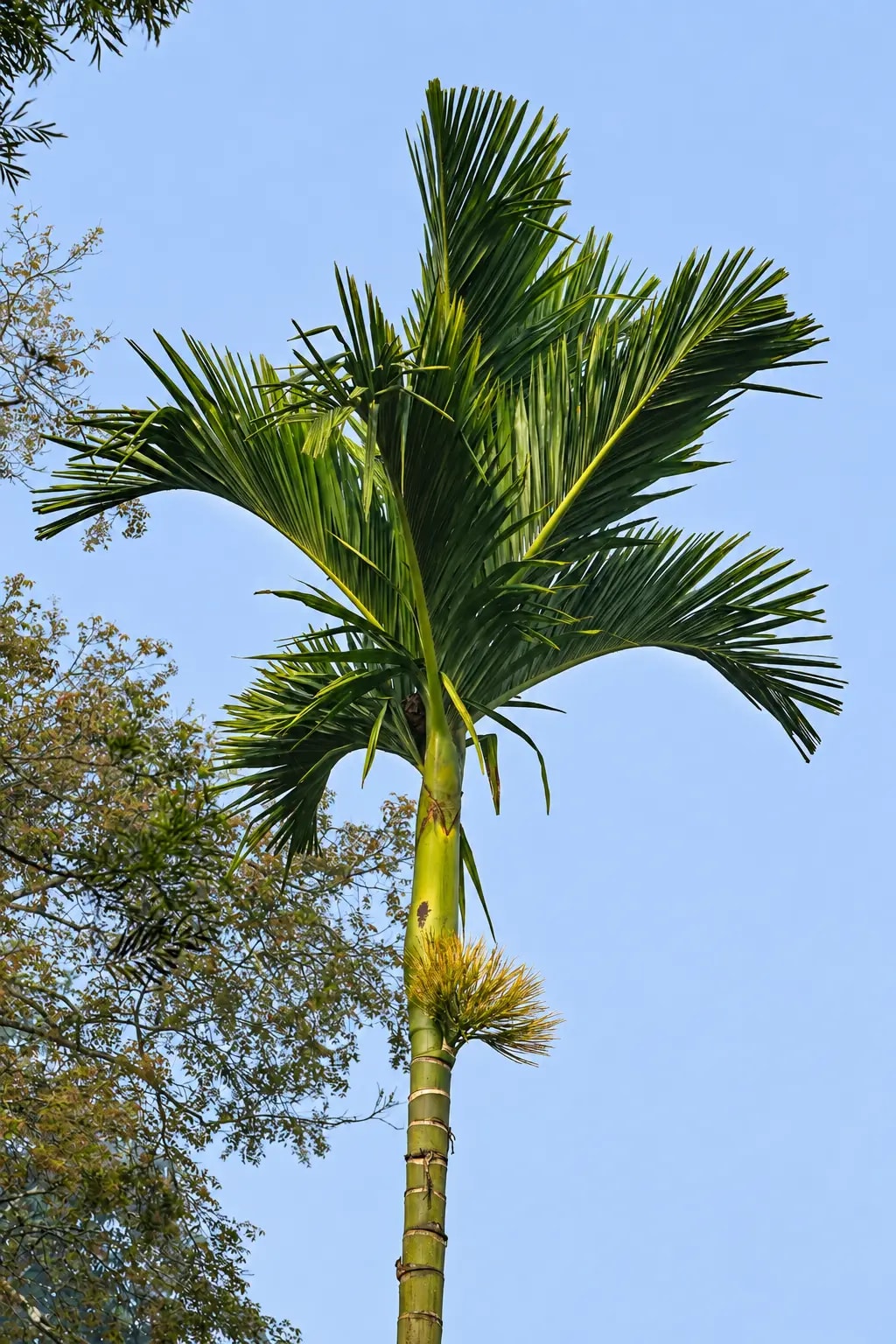
Areca catechu
Areca catechu is a tropical palm species with a more upright growth habit and a different appearance from the commonly cultivated Areca Palm sold for indoor use.
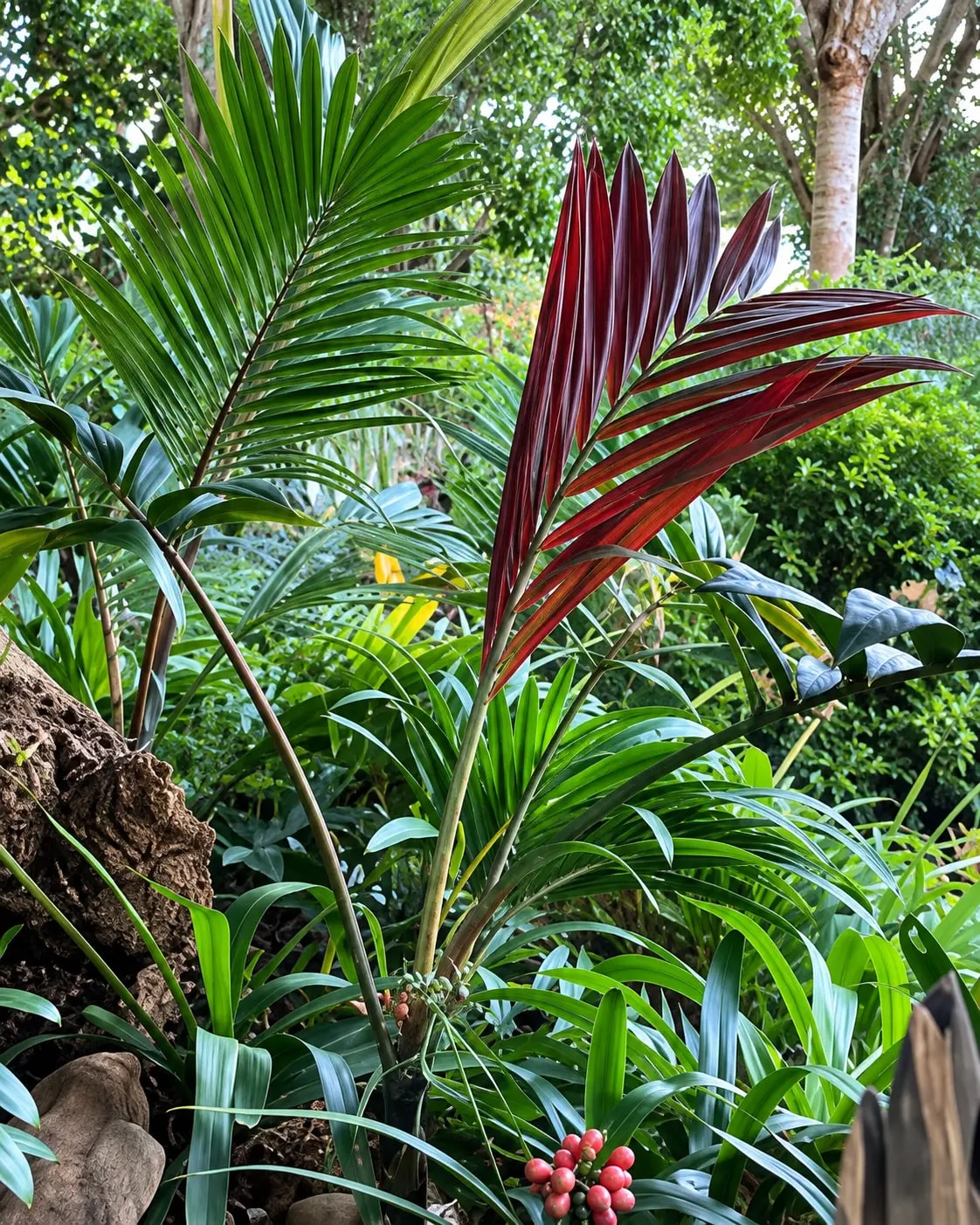
Areca macrocarpa
Areca macrocarpa is a tropical palm species that can develop larger foliage and a different growth form under suitable warm growing conditions.
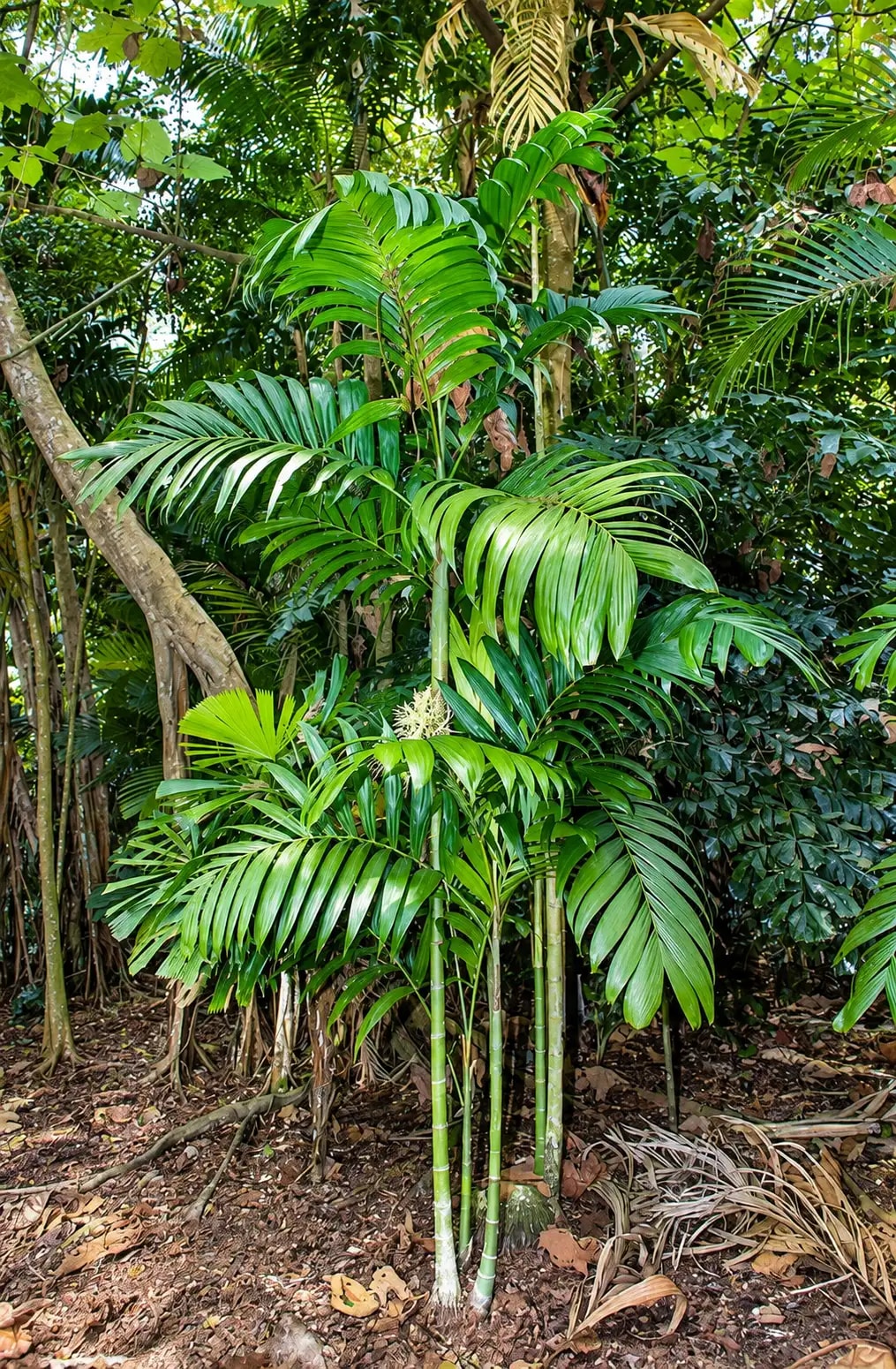
Areca triandra
Areca triandra is another tropical Areca species with clustering stems and attractive palm foliage, suited to suitable warm outdoor environments.
Why choose Areca Palm?
Areca Palm Benefits
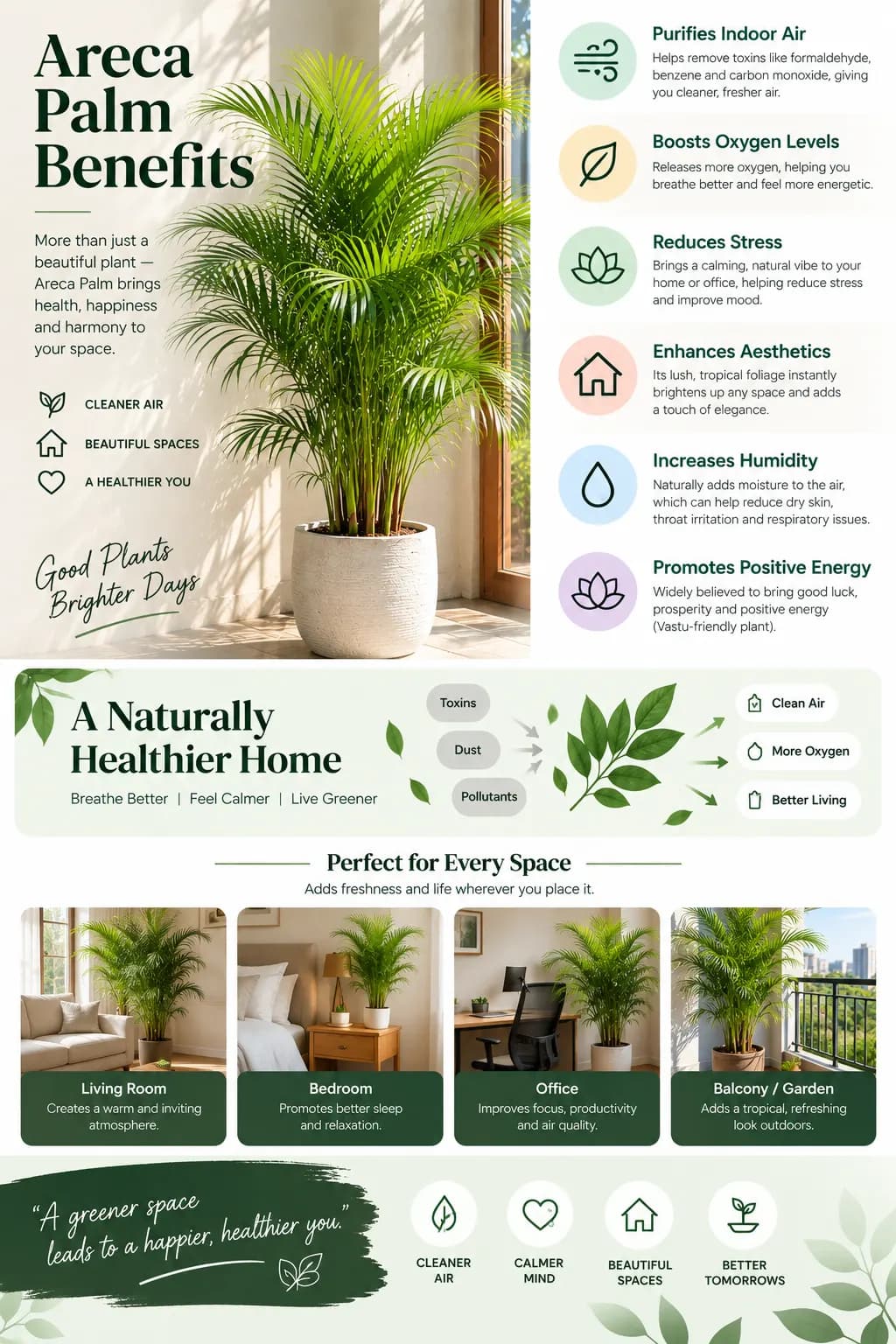
- • Adds lush tropical greenery to indoor spaces.
- • Works well as a large decorative floor plant.
- • Can be grown successfully in suitable containers.
- • Suitable for homes, offices, and bright indoor spaces.
- • Creates a fuller green appearance with multiple fronds.
- • Can also work in suitable balconies and covered outdoor areas.
Indoor placement
Where to Keep an Areca Palm
Choose a location based on light, available floor space, airflow, temperature, humidity, and the mature size of the plant.
Living Room
Areca Palm can make an attractive floor plant for bright living rooms. Place it near a suitable window with filtered or indirect light and leave enough room for its spreading fronds.
Bedroom
A bright bedroom can be suitable for Areca Palm when the plant receives adequate indirect light and is kept away from strong drafts, radiators, or air-conditioning outlets.
Office
Areca Palm can work well in offices with suitable natural or supplemental light. Keep it away from continuous strong airflow from air-conditioning vents.
Balcony & Covered Outdoor Spaces
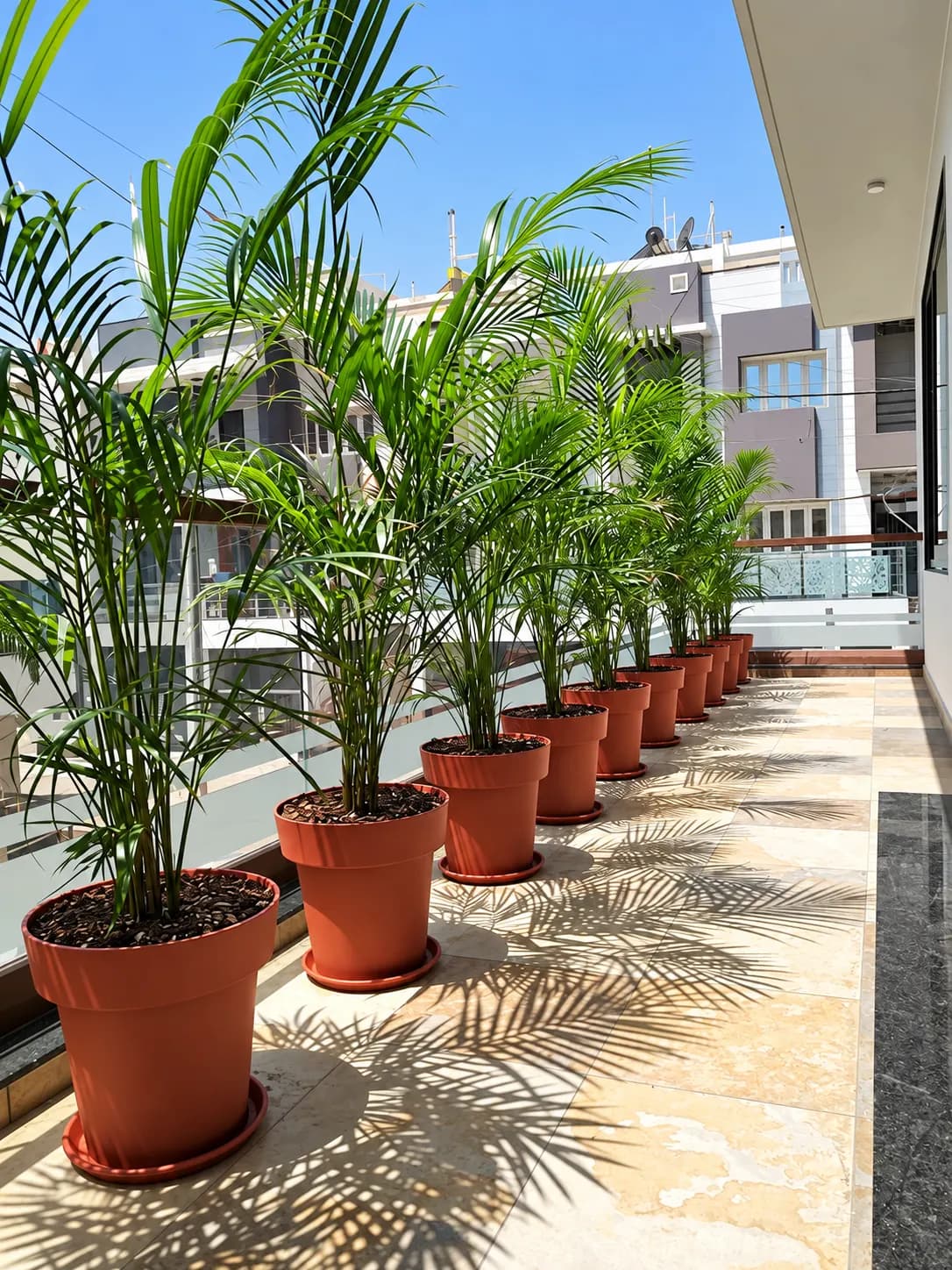
Areca Palm can be placed on a bright covered balcony or outdoor area when temperatures and sunlight are suitable. Protect it from harsh direct sun and extreme weather conditions.
Propagation
How to Propagate Areca Palm
Areca Palm is commonly propagated by separating suitable clumps from an established plant. Successful division depends on healthy roots, suitable plant sections, appropriate moisture, and suitable growing conditions.
Propagation by Clump Division
Separate a healthy established clump into suitable sections while retaining an adequate root system with each section. Replant the divisions in a suitable well-draining growing medium and keep moisture appropriate while they establish.
Choose Healthy Plant Sections
Use healthy, well-established sections with suitable roots. Avoid separating severely stressed, damaged, diseased, or pest-affected portions of the plant.
Troubleshooting
Common Areca Palm Problems
Changes in fronds, leaf colour, tips, growth, and overall plant condition can provide clues that the plant's light, watering, drainage, humidity, nutrition, or environment needs attention.
Areca Palm Yellow Leaves
Yellowing leaves can be associated with overwatering, underwatering, poor drainage, nutrient issues, environmental stress, pests, or naturally ageing foliage.
Areca Palm Brown Tips
Brown tips can be associated with dry air, inconsistent watering, fertilizer salt buildup, harsh direct sunlight, or other environmental stress.
Areca Palm Leaves Drooping
Drooping foliage can occur when the plant experiences insufficient water, root problems, sudden environmental changes, or unsuitable light and temperature conditions.
Areca Palm Pests
Areca Palms can experience spider mites, mealybugs, scale insects, and other common houseplant pests. Inspect leaves, stems, and leaf joints regularly.
Areca Palm Root Problems
Poor drainage and consistently waterlogged soil can contribute to root problems. Use a well-draining growing medium and a container with adequate drainage holes.
Areca Palm Slow Growth
Slow growth can be associated with insufficient light, poor nutrition, unsuitable temperature, restricted roots, watering problems, or seasonal changes.
For Indian homes
Areca Palm Care in India
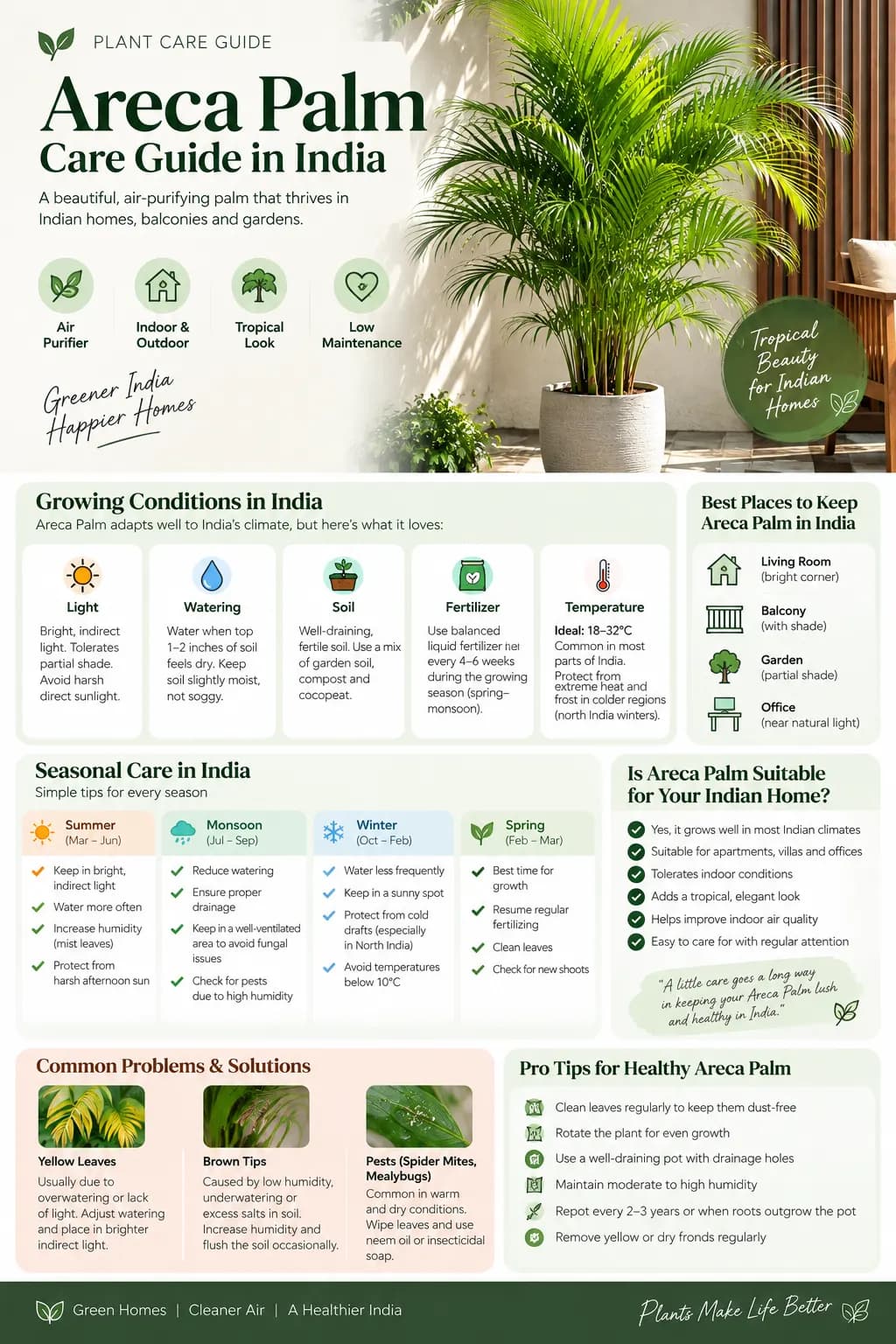
Areca Palm is commonly used in Indian homes, offices, balconies, terraces, entrances, and other indoor or semi-outdoor spaces. Growing conditions can vary considerably between Indian cities and seasons.
During hot periods, plants kept near bright windows can lose moisture more quickly. Check the growing medium regularly and adjust watering according to the indoor temperature, humidity, pot size, and light.
During monsoon periods, indoor humidity may increase while evaporation slows. Avoid unnecessary watering and make sure the container and growing medium provide good drainage.
In air-conditioned rooms, dry airflow can contribute to brown leaf tips. Keep the plant away from continuous direct airflow and provide a suitable environment with adequate indirect light and reasonable humidity.
Seasonal care
Areca Palm Care Through the Seasons
Areca Palm care can change with indoor temperature, humidity, sunlight, and seasonal weather. Adjust watering, feeding, and monitoring according to the conditions in your space.
Summer
Check soil moisture more frequently as warm conditions can increase water loss. Protect the plant from harsh direct sunlight through hot windows.
Monsoon
Higher humidity can slow soil drying. Check the growing medium before watering and maintain good drainage and airflow.
Winter
Watering may need to be reduced as temperatures and growth change. Keep the plant away from cold drafts and maintain suitable bright indirect light.
Pruning
Remove completely brown, yellow, damaged, or dead fronds using clean tools. Avoid unnecessary removal of healthy green foliage.
Quick checklist
Simple Areca Palm Care Checklist
- • Provide bright indirect light.
- • Check soil moisture before watering.
- • Avoid keeping the roots constantly waterlogged.
- • Use fertile, well-draining potting medium.
- • Maintain suitable humidity and airflow.
- • Feed appropriately during active growth.
- • Protect the plant from harsh direct sunlight and cold drafts.
- • Inspect fronds regularly for pests and leaf problems.
Plant care principle
Observe the plant, not just the calendar
Areca Palm watering and care requirements can change with light, temperature, humidity, pot size, soil, season, and plant maturity. An observation-based routine is more useful than treating every plant exactly the same way.
Related reading
More Indoor Plant Guides
Explore related Blooming Den guides for choosing and caring for indoor plants.
Areca Palm
Areca Palm Care Guide
Learn practical guidance for growing and caring for Areca Palm indoors.
Read guide →Indoor Plants
Best Indoor Plants for Home
Explore foliage and flowering plants suitable for different indoor spaces.
Read guide →Office Plants
Best Plants for Office
Discover indoor plants that can work well in office and workspace environments.
Read guide →Low Light
Best Low-Light Indoor Plants
Explore indoor plants for spaces with limited natural light.
Read guide →Balcony Plants
Best Plants for Balcony
Explore plants suitable for balconies and covered outdoor spaces.
Read guide →Plant Care
Indoor Plant Care Guide
Learn practical basics for watering, light, soil, feeding, and maintaining indoor plants.
Read guide →Frequently asked questions
Areca Palm FAQs
Answers to common questions about Areca Palm care, watering, sunlight, yellow leaves, brown tips, propagation, and placement.
How often should you water an Areca Palm?
Water an Areca Palm when the upper layer of the growing medium begins to dry. Water thoroughly and allow excess water to drain away. Watering frequency depends on light, temperature, humidity, pot size, soil, and season.
Does Areca Palm need direct sunlight?
Areca Palm generally prefers bright, indirect light. It can tolerate some gentle direct sunlight, but prolonged harsh direct sun can scorch the foliage, particularly when the plant is not acclimated.
Is Areca Palm easy to grow?
Areca Palm can grow well indoors when provided with suitable bright indirect light, appropriate watering, good drainage, suitable humidity, and adequate space. Consistent care is important for maintaining healthy foliage.
Where should I place an Areca Palm?
Place an Areca Palm in a bright indoor location with filtered or indirect light and good airflow. It can work well in living rooms, bedrooms, offices, entry areas, balconies with suitable light, and covered outdoor spaces.
Why are Areca Palm leaves turning yellow?
Yellow leaves can be associated with overwatering, underwatering, poor drainage, nutrient issues, sudden environmental changes, pests, or naturally ageing foliage. Check the soil moisture, drainage, light, and overall plant condition.
Why are Areca Palm leaves turning brown?
Brown leaf tips or edges can be associated with dry air, inconsistent watering, excessive fertilizer salts, direct harsh sunlight, or other environmental stress. Check humidity, watering, light exposure, and the condition of the growing medium.
How do you propagate Areca Palm?
Areca Palm is commonly propagated by separating suitable clumps or offsets from an established plant. Each separated section should have an appropriate root system and be replanted in a suitable well-draining growing medium.
Can Areca Palm grow in pots?
Yes. Areca Palm is commonly grown in containers. Choose a pot with drainage holes and enough room for the roots while avoiding an unnecessarily oversized container that can retain excess moisture.
Blooming Den
Grow a beautiful green indoor space
Explore indoor plants and practical gardening support for your home, office, balcony, terrace, or other spaces.