
Outdoor Plants / Plant Guide
Hibiscus: Complete Care Guide, Varieties & Benefits
Learn how to grow and care for hibiscus with practical guidance on sunlight, watering, soil, fertilizer, pruning, propagation, varieties, common problems, and outdoor placement.
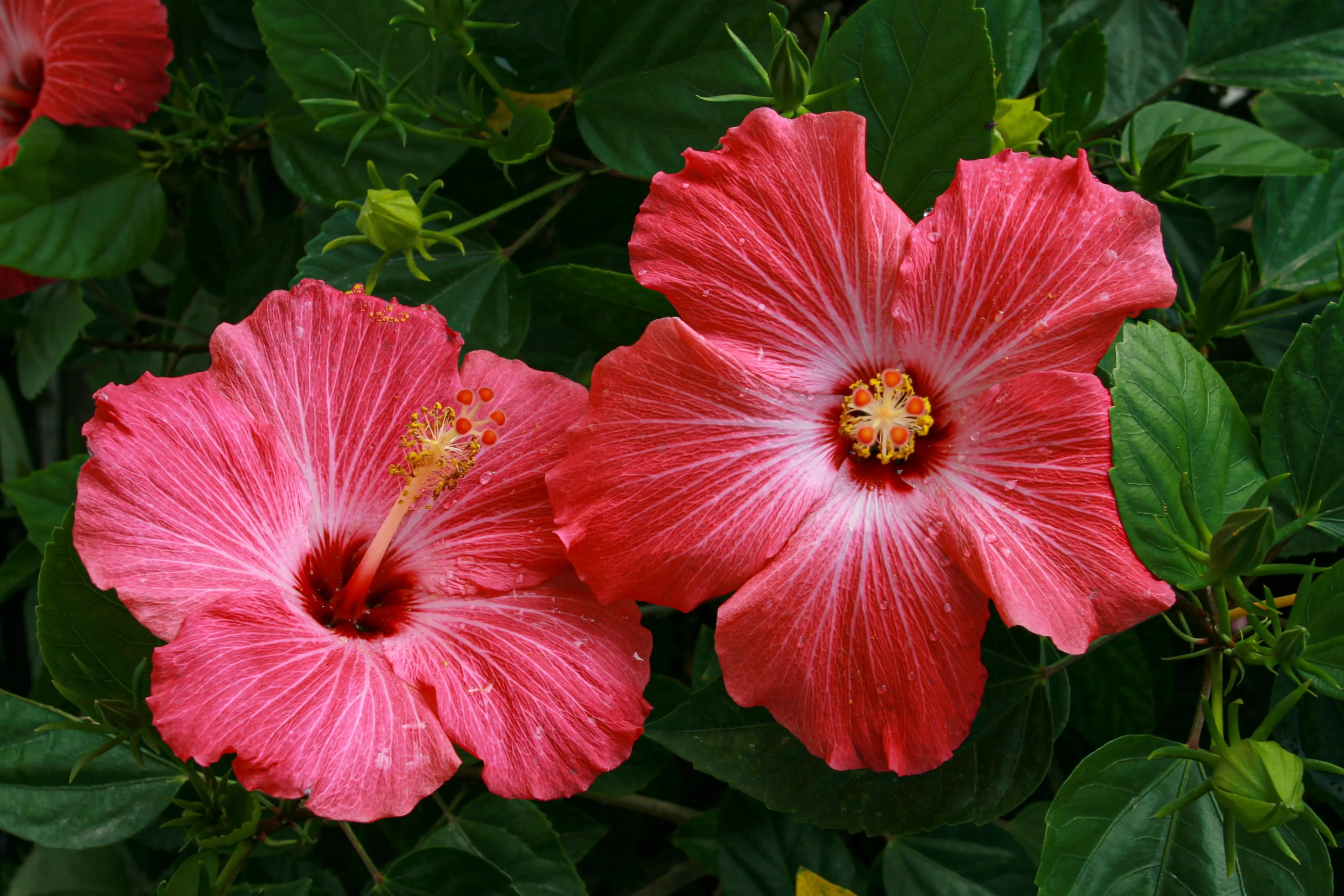
Hibiscus Guide
Everything you need to know about hibiscus
Hibiscus is one of the most popular outdoor plants for gardens, balconies, terraces, entrances, and other sunny outdoor spaces. Its colourful flowers can create a strong visual feature when the plant is grown in suitable conditions.
Hibiscus generally prefers plenty of sunlight, fertile well-draining soil, appropriate watering, suitable feeding, and regular pruning. It can also be grown in containers when the pot, drainage, support, and available space are suitable.
If you are looking for full-sun outdoor plants, flowering plants, or plants for a balcony or terrace garden, hibiscus can be considered when the growing conditions match its requirements.
Quick facts
Hibiscus at a Glance
Use these basic characteristics as a starting point when choosing and caring for a hibiscus plant.
Common name
Hibiscus
Also known as
China Rose
Plant type
Flowering outdoor plant
Light
Bright sunlight / Full sun
Watering
Regular watering while avoiding waterlogging
Maintenance
Moderate
Growth
Fast-growing under suitable warm conditions
Propagation
Stem cuttings
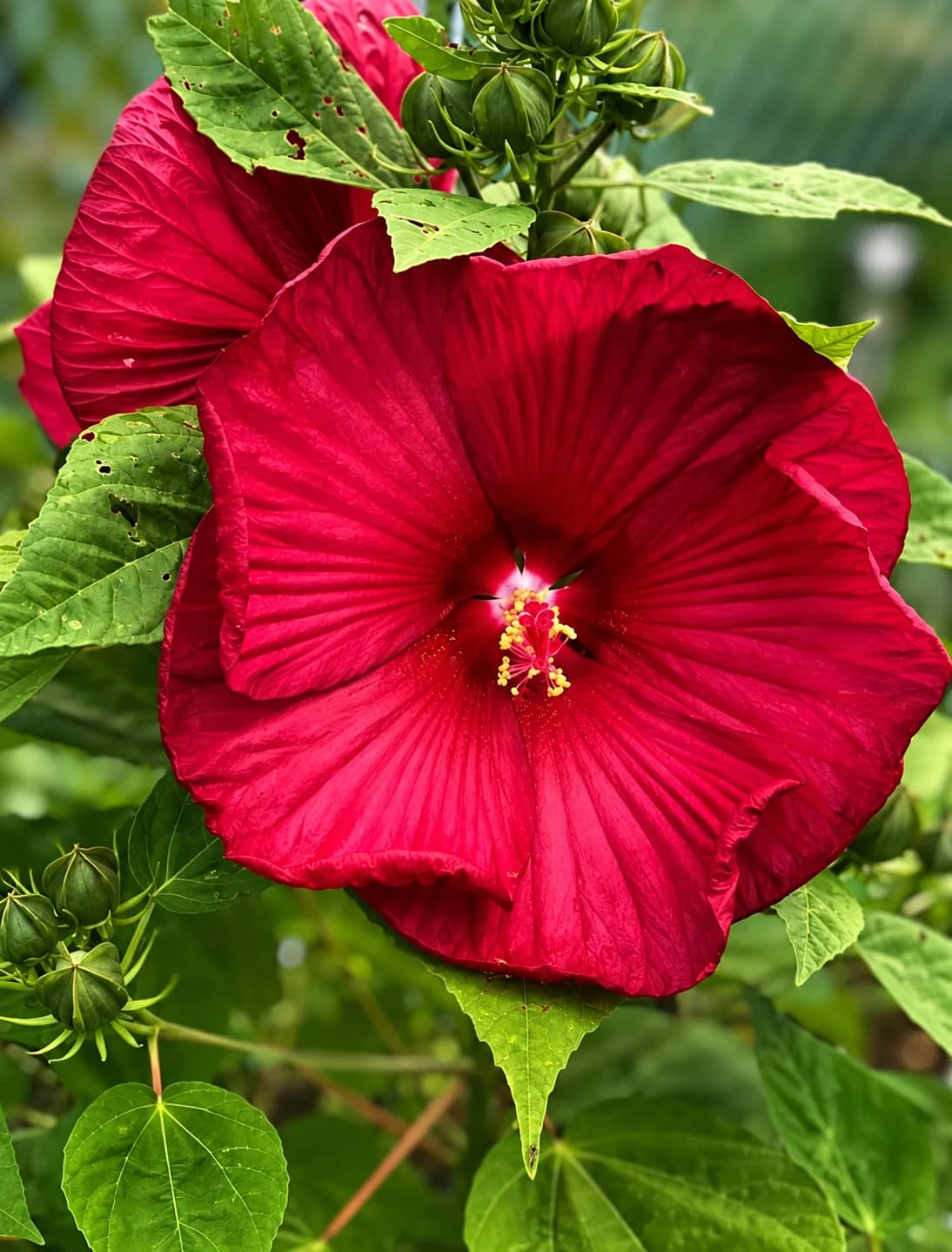
About the plant
What Is a Hibiscus Plant?
Hibiscus is a popular flowering plant widely grown in warm outdoor environments. It is recognised for its large, colourful flowers and attractive green foliage.
Depending on the type and growing conditions, hibiscus can develop as a shrub or container-grown flowering plant. It can be used around gardens, balconies, terraces, entrances, pathways, and outdoor seating areas.
The plant generally performs best when it receives plenty of sunlight and is grown in fertile soil with good drainage. Watering should be adjusted according to the plant, container or ground conditions, weather, and season.
Care guide
How to Care for a Hibiscus Plant
Good hibiscus care starts with plenty of sunlight, fertile well-draining soil, appropriate watering, suitable feeding, and regular pruning.
Hibiscus Light Requirements
Hibiscus generally performs best when grown in a bright outdoor location with plenty of direct sunlight.
Good sunlight is particularly important when the goal is to encourage flowering. If you are looking for more plants suited to bright outdoor conditions, explore our full-sun outdoor plants guide.
Hibiscus Watering
Water hibiscus according to the condition of the soil rather than following a rigid calendar. Give the plant a thorough watering when appropriate, then allow the upper layer of the growing medium to begin drying before watering again.
Avoid keeping the roots constantly wet. Container size, temperature, rainfall, sunlight, soil type, and plant size can all affect how quickly the soil dries.
For more outdoor plant options, explore our outdoor plants collection.
Best Soil for Hibiscus
Use a fertile, well-draining growing medium that retains some moisture without remaining waterlogged for long periods. Good drainage is especially important for hibiscus grown in containers.
Temperature
Hibiscus generally performs well in warm outdoor conditions. Protect plants from prolonged exposure to unsuitable cold conditions, especially when growing them in containers or areas with seasonal temperature changes.
Humidity & Airflow
Hibiscus can grow in a range of outdoor conditions, but good airflow around the plant is useful. Avoid overcrowding the plant where possible, particularly in humid conditions.
Hibiscus Fertilizer
Feed according to the plant's growth stage and the product instructions. A suitable fertilizer for flowering plants can be used during active growth. Avoid excessive fertilizer application because it can contribute to excessive vegetative growth or nutrient problems.
Hibiscus Repotting
Container-grown hibiscus may need repotting when the root system has significantly outgrown the container or the growing medium has deteriorated. Choose a container with adequate drainage and avoid unnecessarily disturbing established roots.
Hibiscus Pruning
Regular pruning can help control size, maintain shape, remove damaged growth, and encourage branching. Use clean, sharp tools and avoid removing excessive healthy growth at one time.
Choose the right space
Hibiscus for Different Outdoor Spaces
Hibiscus can be used in several outdoor settings when sunlight, available space, container size, drainage, and mature plant size are considered.
Garden Plants
Explore flowering plants and garden greenery for larger outdoor spaces, boundaries, entrances, and landscaped areas.
Explore garden plants →Balcony Plants
Find suitable outdoor plants for balconies while considering sunlight, wind exposure, container size, and available space.
Explore balcony plants →Terrace Plants
Discover plants for terrace gardens, containers, vertical greenery, and sunny outdoor seating areas.
Explore terrace plants →Full-Sun Plants
Explore outdoor plants that can perform well in bright sunny locations.
Explore full-sun plants →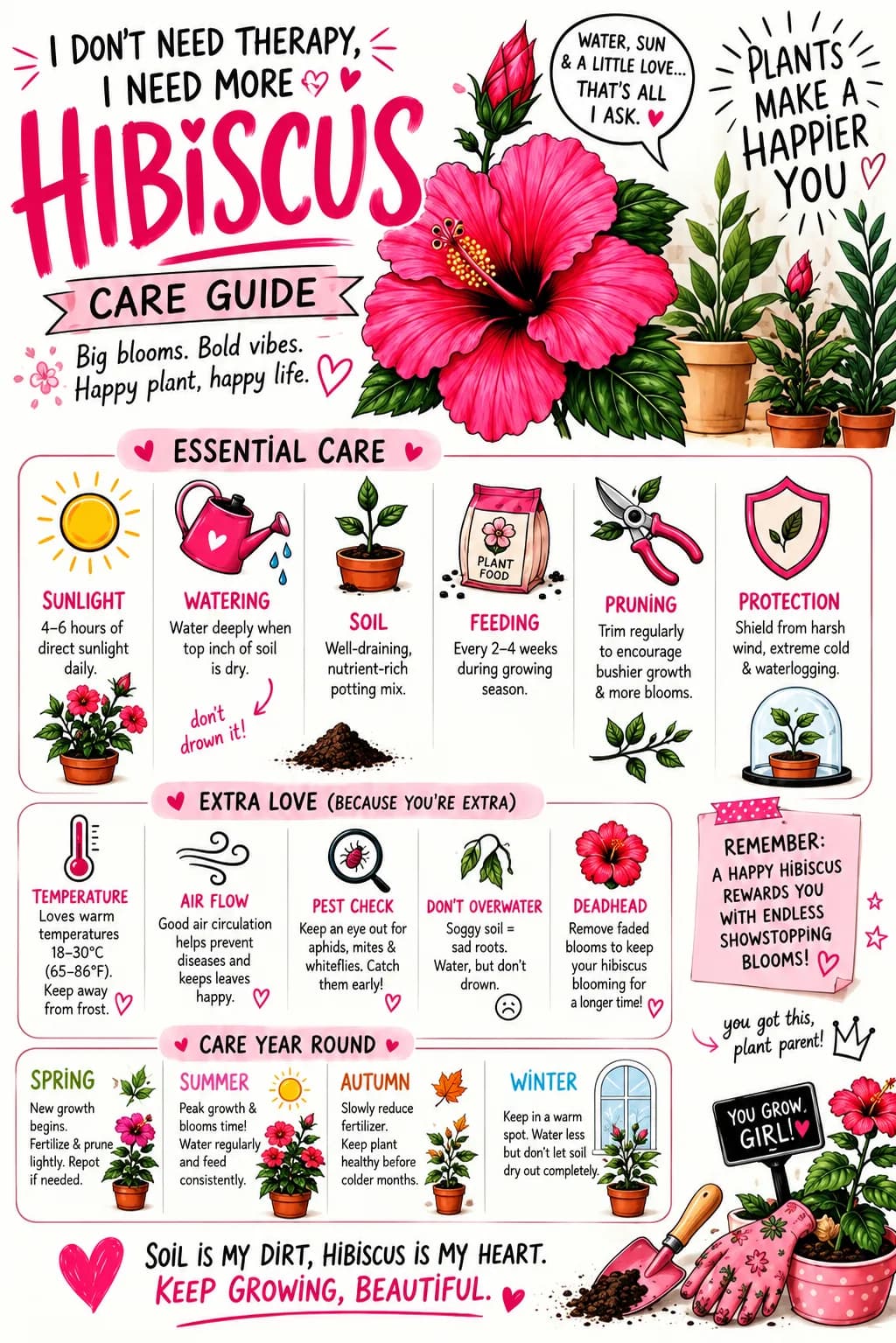
Continue learning
Read our Hibiscus Care Guide
Want more practical guidance on growing hibiscus? Explore our detailed care resources covering sunlight, watering, soil, feeding, pruning, propagation, flowering, and common problems.
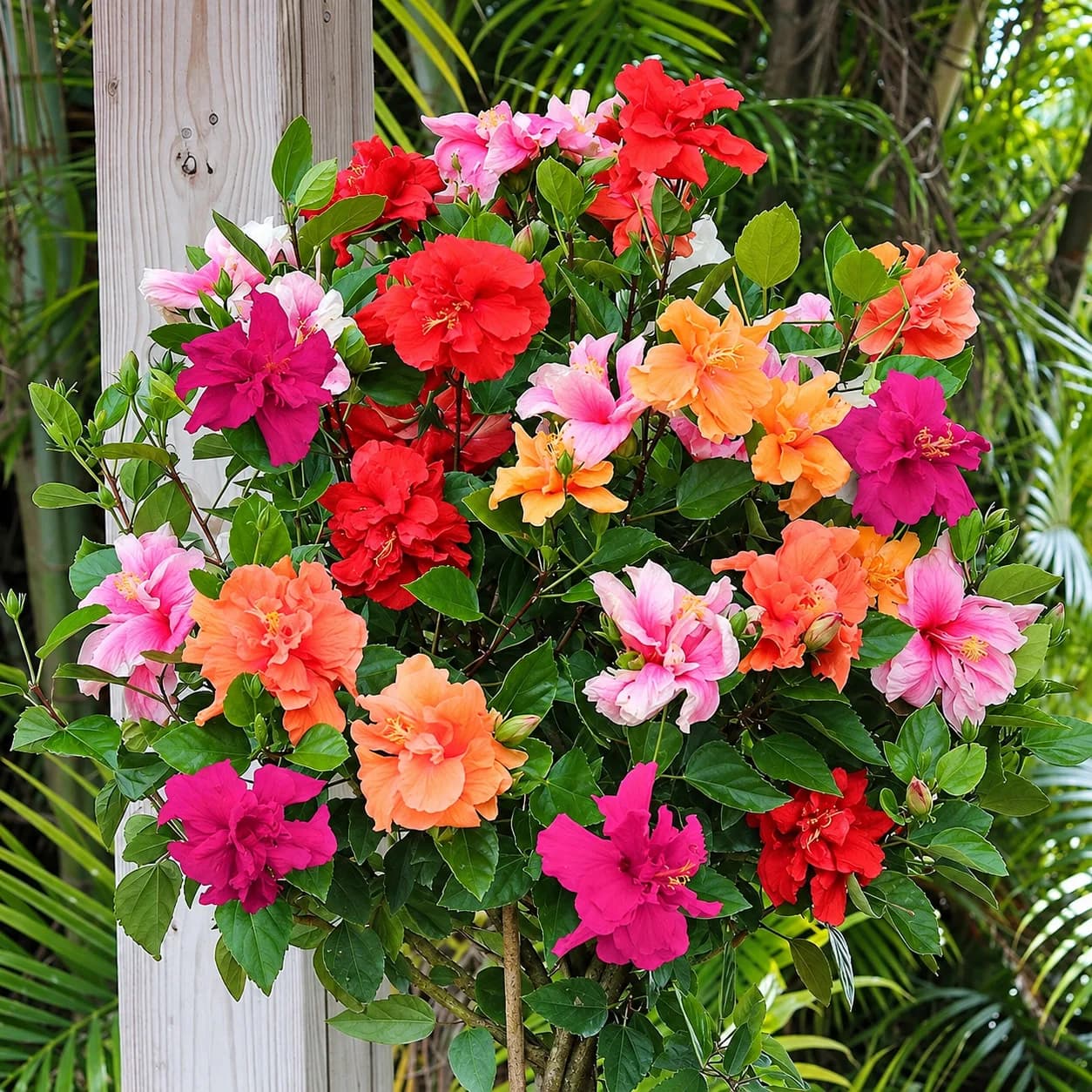
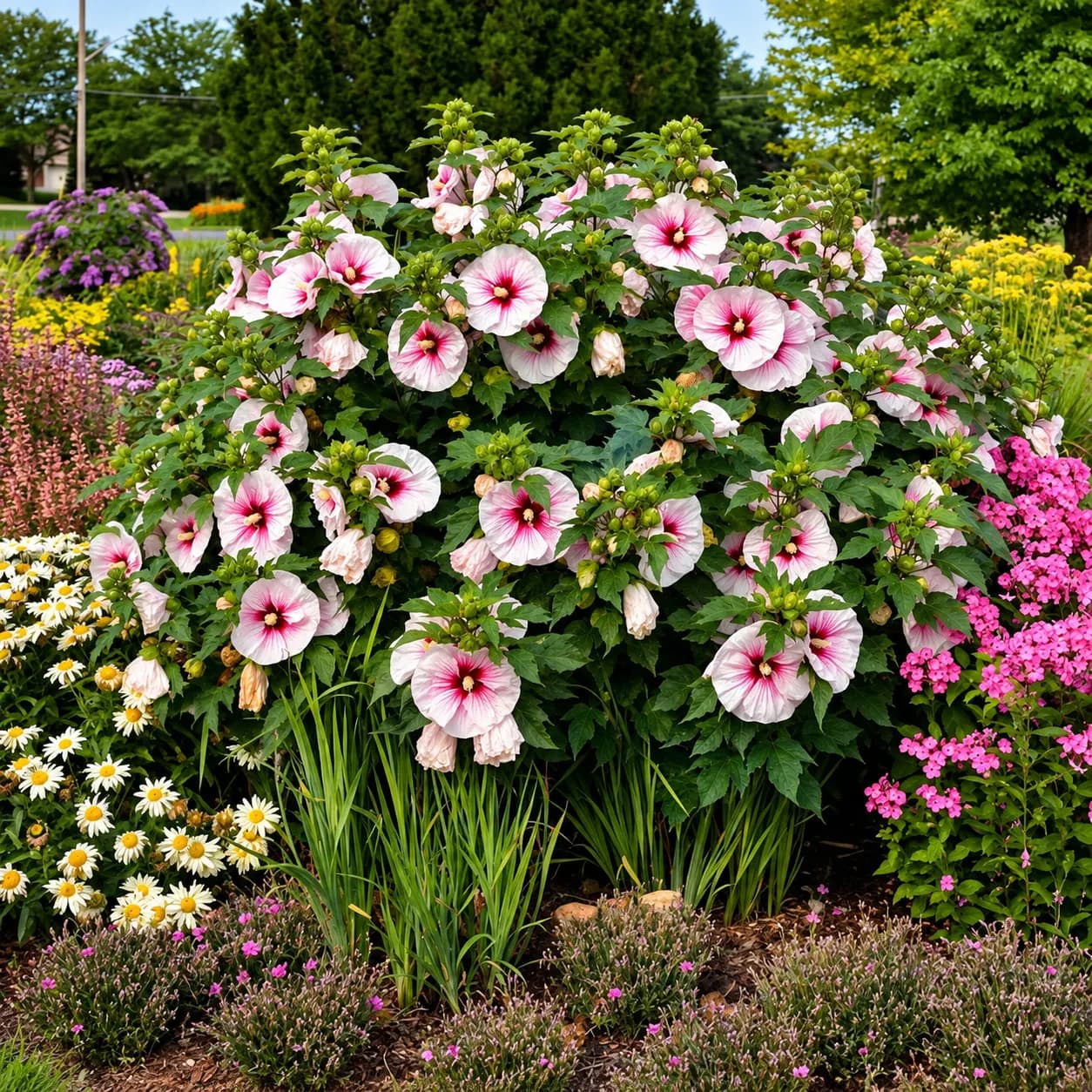
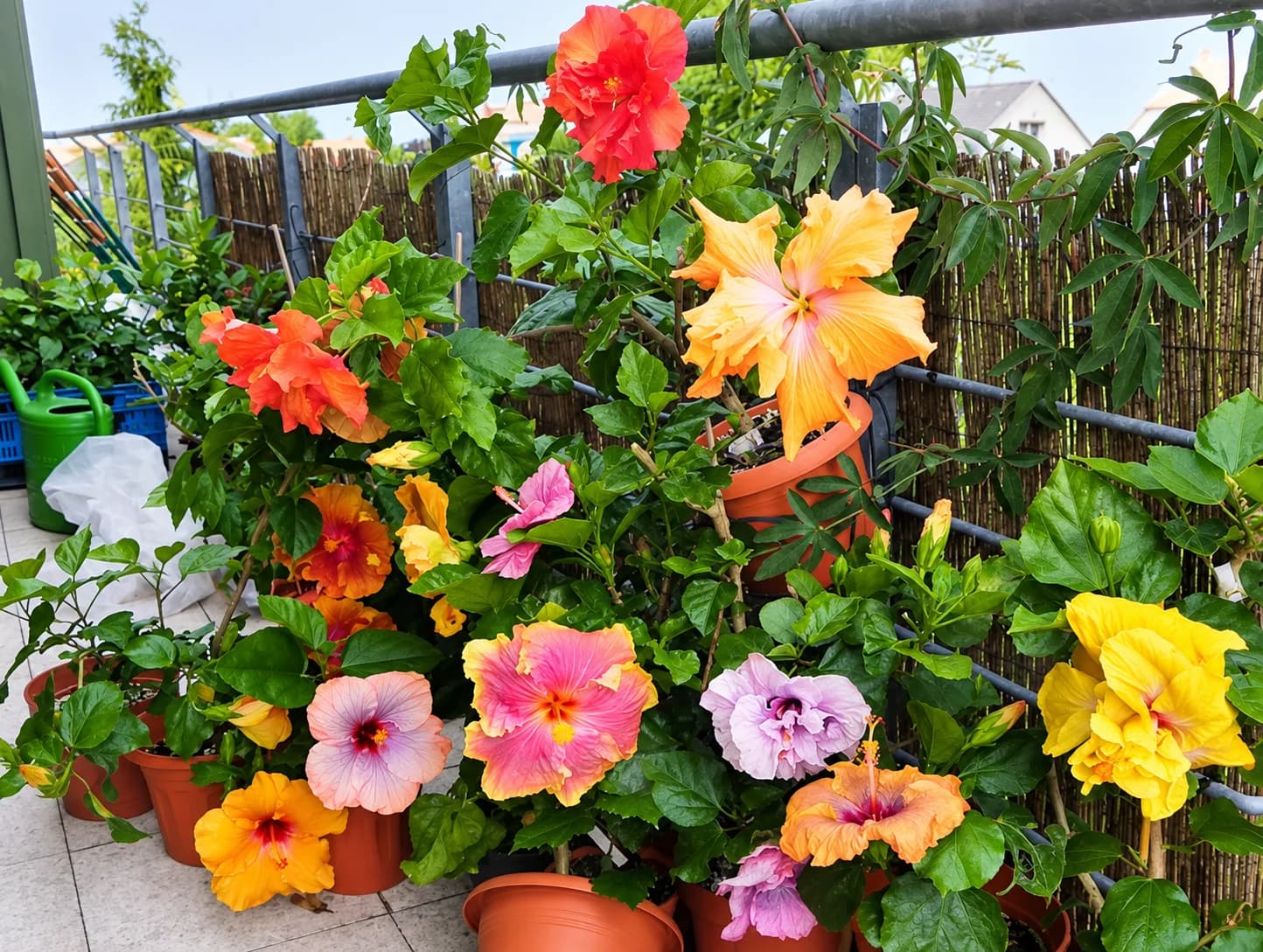
Popular varieties
Hibiscus Varieties
Hibiscus includes different species and forms with variations in flower size, growth habit, climate preference, and ornamental appearance.
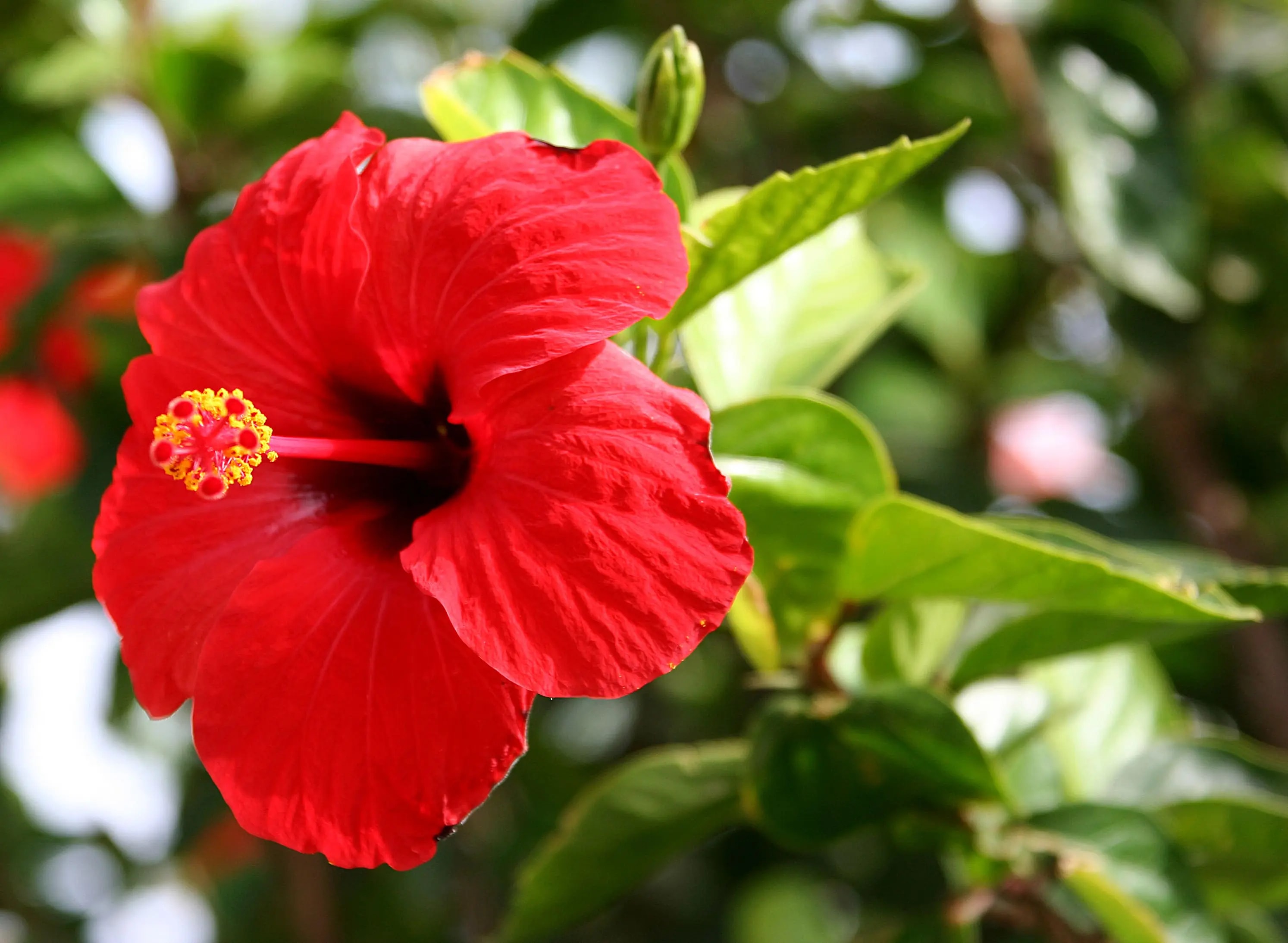
Hibiscus rosa-sinensis
A popular tropical hibiscus species widely grown for its large, colourful flowers and suitability for warm outdoor environments.
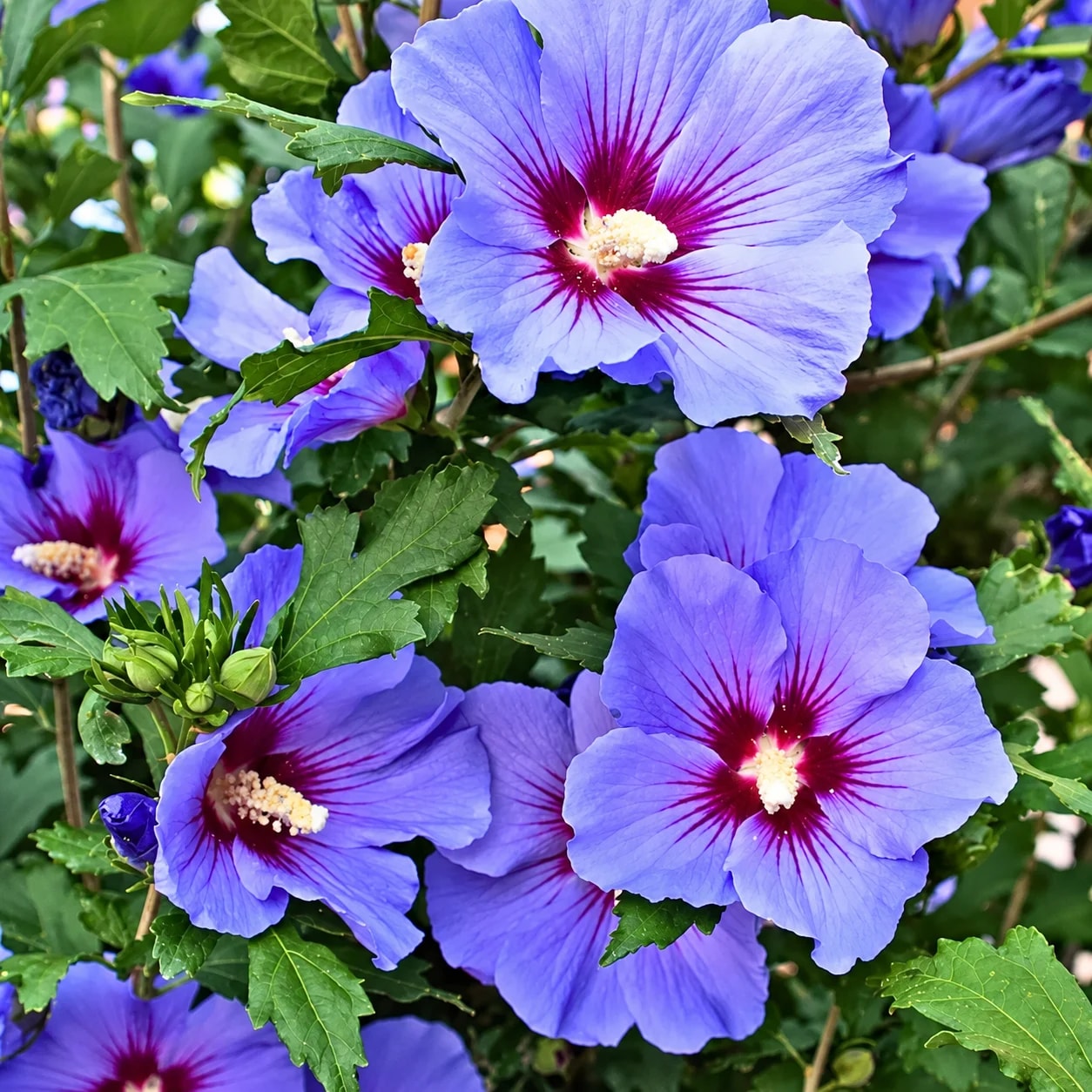
Hibiscus syriacus
Also known as Rose of Sharon, this hibiscus species is a deciduous flowering shrub that produces attractive flowers during its blooming season.
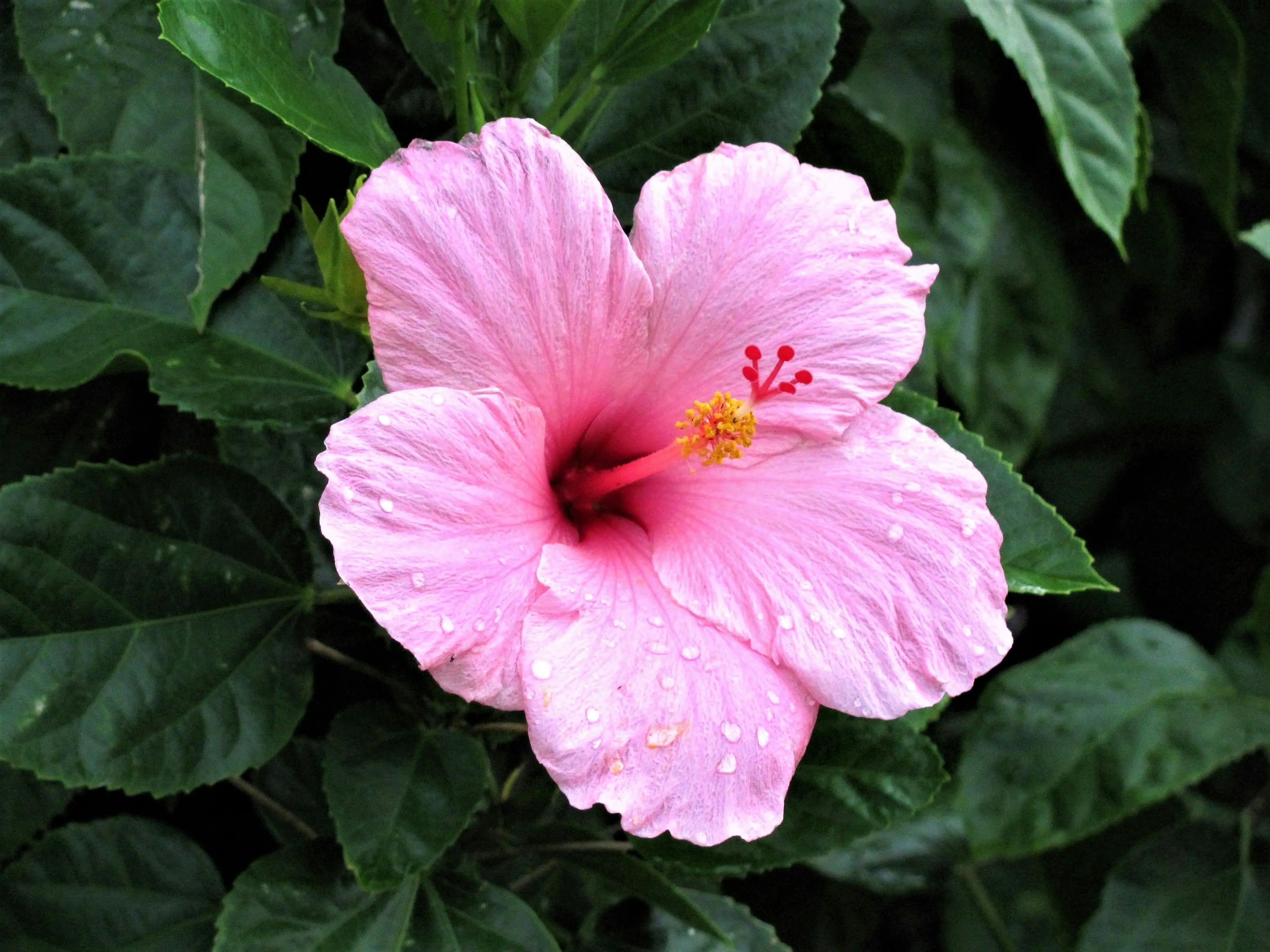
Hibiscus moscheutos
Known for its large flowers, this hibiscus group is commonly grown as an ornamental flowering plant in suitable outdoor conditions.
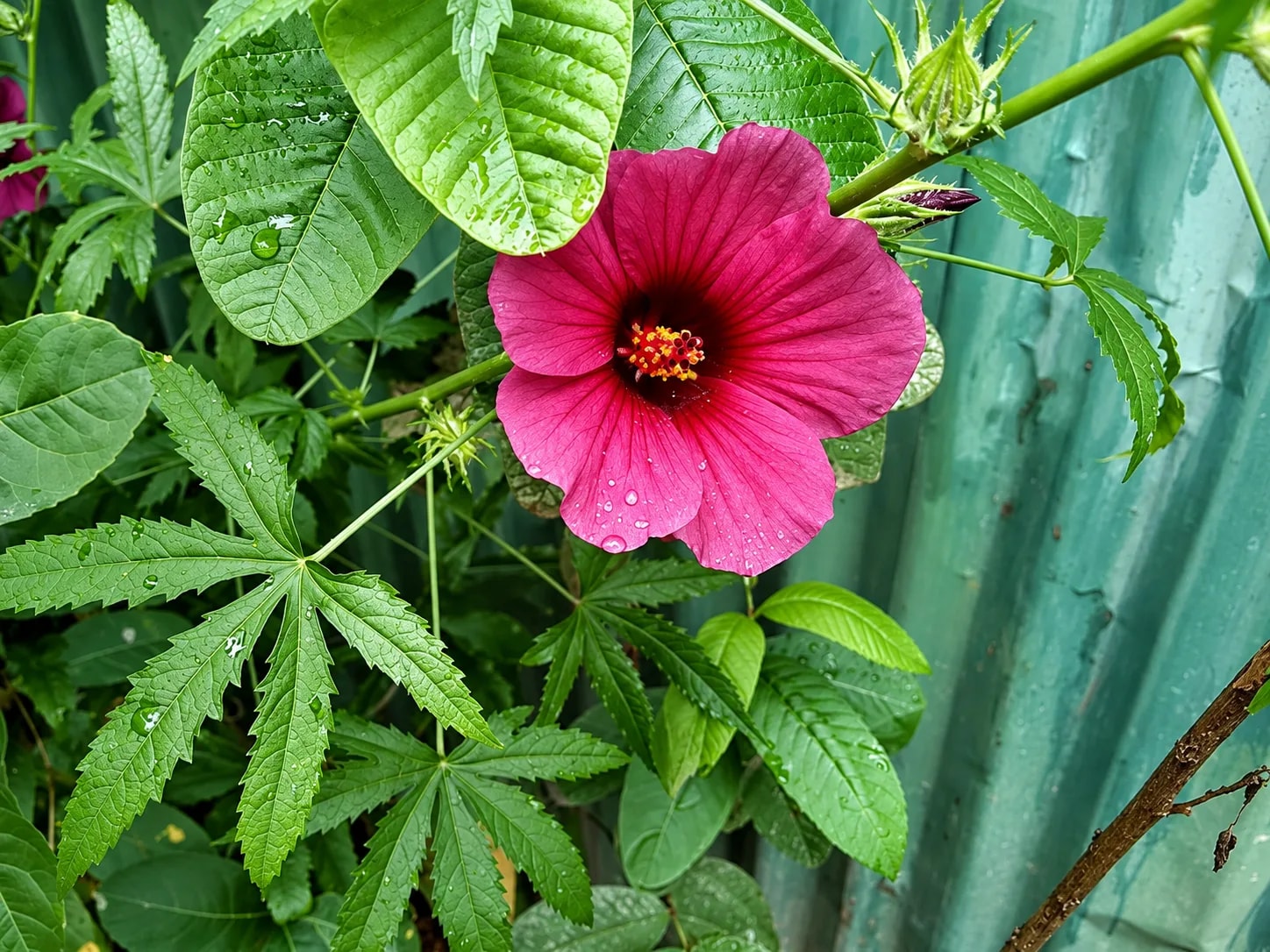
Hibiscus cannabinus
A fast-growing hibiscus relative associated with warm climates and cultivated for multiple purposes.
Why choose hibiscus?
Hibiscus Benefits
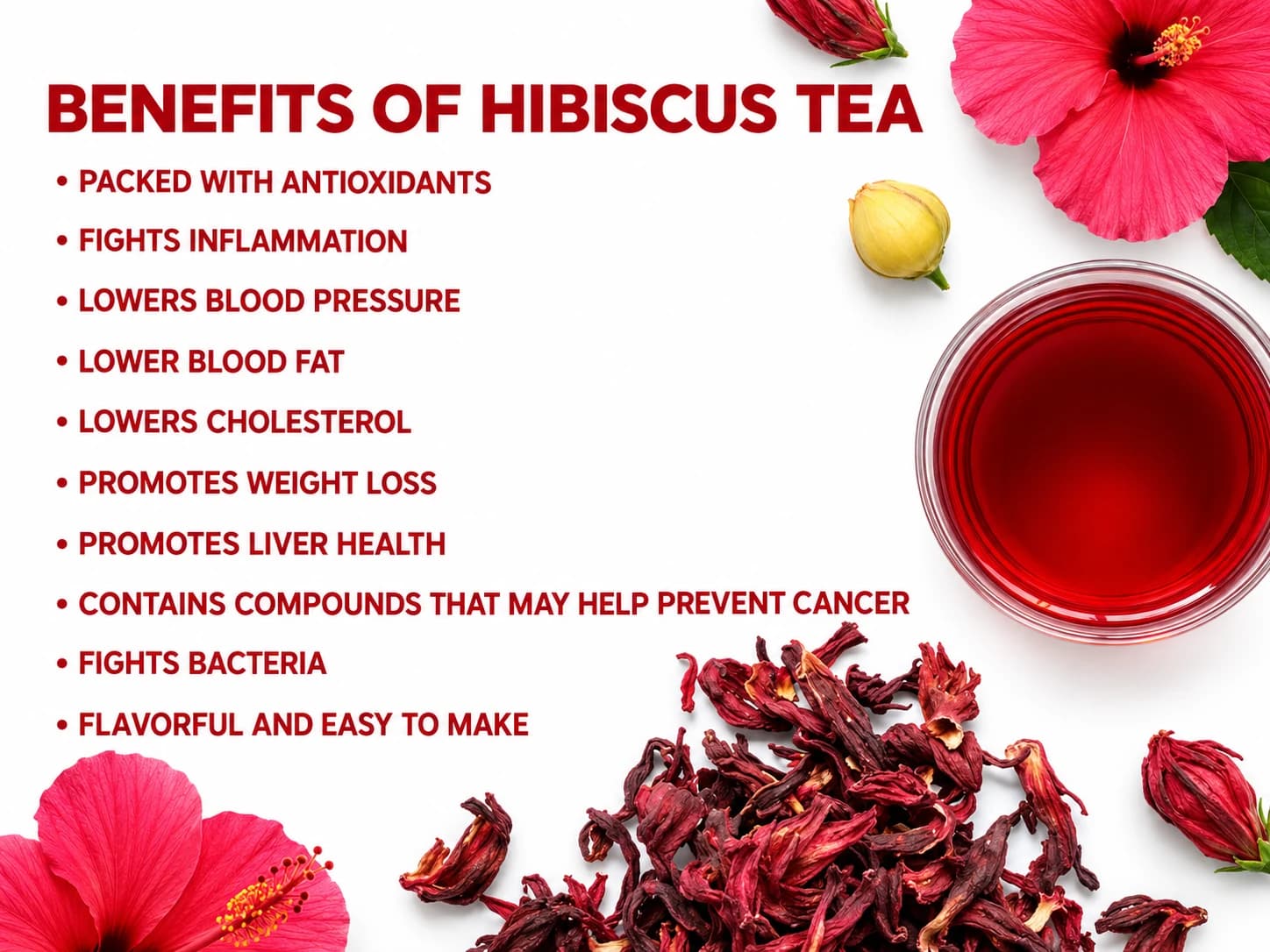
- • Produces colourful ornamental flowers.
- • Can perform well in bright sunny locations.
- • Can be grown in suitable containers.
- • Works well for sunny balconies and terraces.
- • Can create a fuller flowering display with suitable pruning and feeding.
- • Available in different flower colours and growth forms.
Outdoor placement
Where to Keep a Hibiscus Plant
Choose a location based on sunlight, available space, container size, drainage, wind exposure, and the mature size of the plant.
Garden
Hibiscus can create strong colour in gardens and landscaped areas. Provide enough space, sunlight, fertile soil, and good drainage for healthy growth.
Balcony
Hibiscus can be grown in a suitable balcony container when there is sufficient sunlight and enough room for the plant to develop. Consider wind exposure, container size, and drainage.
Terrace
Sunny terraces can be suitable for container-grown hibiscus. Choose a stable container with good drainage and consider the mature size of the plant.
Entrance & Outdoor Spaces
Hibiscus can be used around entrances, pathways, outdoor seating areas, and garden corners where its colourful flowers can create an attractive outdoor feature.
Propagation
How to Propagate Hibiscus
Hibiscus is commonly propagated using stem cuttings. Good propagation conditions and careful moisture management can help encourage root development.
Propagation by Stem Cuttings
Select healthy suitable stem material and prepare cuttings using clean tools. Place the cutting in a well-draining propagation medium and maintain appropriate moisture without keeping the medium waterlogged.
Choose Healthy Plant Material
Use healthy stems from a suitable parent plant. Avoid propagation material showing obvious disease, severe damage, or pest problems.
Troubleshooting
Common Hibiscus Problems
Changes in leaves, flowering, buds, and growth can provide clues that the plant's light, watering, drainage, nutrition, pruning, or environment needs attention.
Hibiscus Not Flowering
Lack of flowers can be associated with insufficient sunlight, excessive nitrogen, irregular watering, unsuitable pruning, insufficient nutrition, or other environmental conditions.
Hibiscus Yellow Leaves
Yellowing leaves can have several causes, including watering problems, poor drainage, nutrient issues, environmental stress, or naturally ageing foliage.
Hibiscus Bud Drop
Sudden changes in watering, temperature, light, humidity, or other environmental conditions can cause buds to drop before opening.
Hibiscus Leaves Curling
Curling foliage can occur because of heat stress, inconsistent watering, environmental changes, or pest activity. Inspect the plant and growing conditions before changing the care routine.
Hibiscus Pests
Outdoor hibiscus can occasionally experience aphids, whiteflies, mealybugs, and other common garden pests. Regularly inspect leaves, stems, and new growth so problems can be identified early.
Hibiscus Root Problems
Persistently wet soil and poor drainage can create unfavorable conditions for roots. Containers should always have adequate drainage.
For Indian gardens
Hibiscus Care in India
Hibiscus is widely used in warm outdoor landscapes, gardens, terraces, balconies, entrances, and home garden areas. However, growing conditions can vary significantly between Indian cities, seasons, elevations, and microclimates.
During hot periods, container-grown hibiscus may dry out faster than plants growing in the ground. Check the soil regularly rather than following a fixed watering schedule.
During monsoon periods, pay particular attention to drainage and avoid unnecessary watering when rainfall is already keeping the growing medium wet.
Strong sunlight can be beneficial for hibiscus, but newly planted or recently moved plants should still be monitored for signs of environmental stress. Good drainage, suitable feeding, pruning, and regular observation are important throughout the year.
Seasonal care
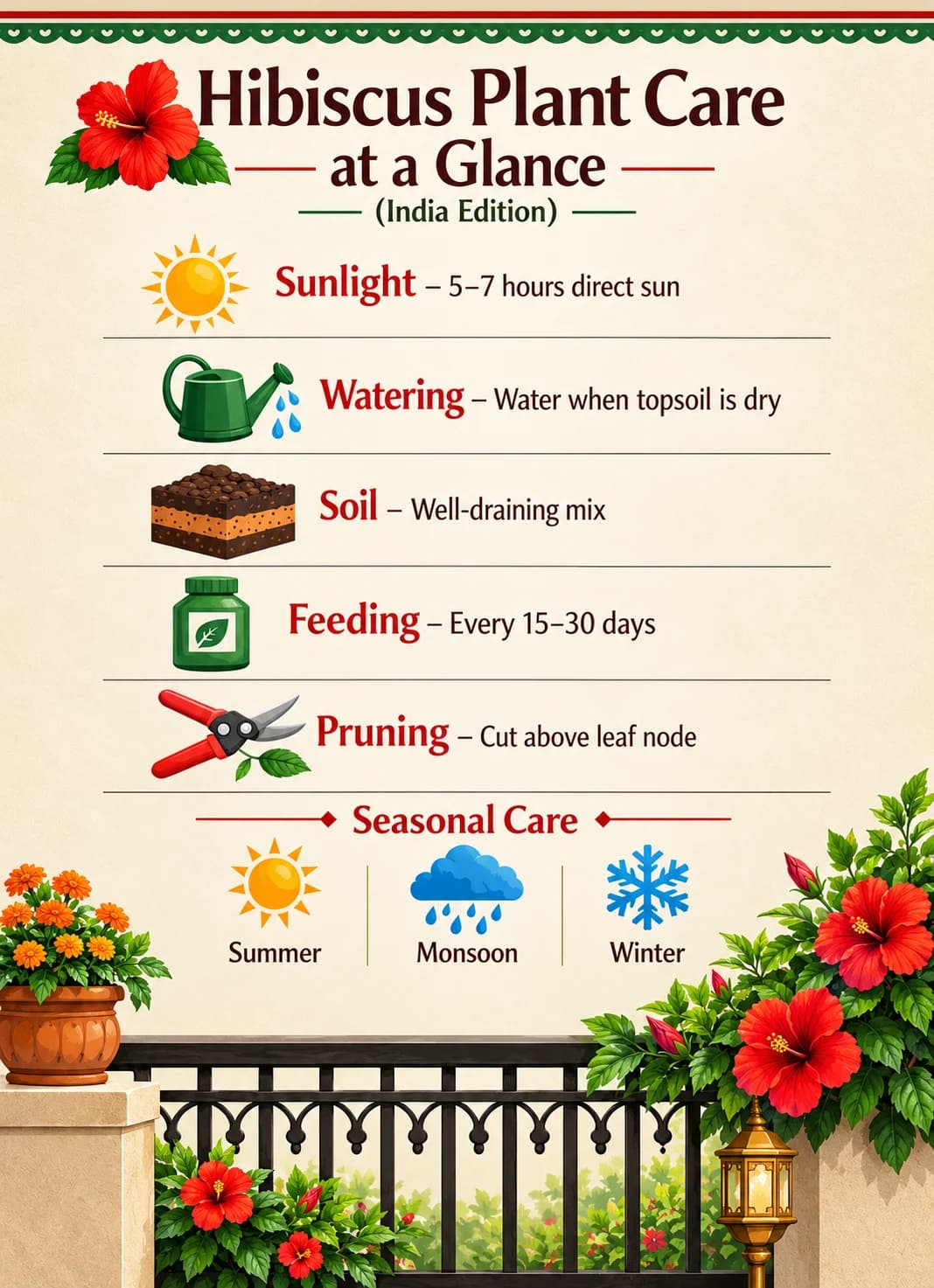
Hibiscus Care Through the Seasons
Hibiscus care can change with temperature, rainfall, sunlight, and the plant's active growth. Adjust watering, pruning, feeding, and monitoring according to the conditions in your location.
Summer
Check soil moisture regularly, especially for plants growing in containers. Monitor heat and moisture loss during very hot weather.
Monsoon
Focus on drainage and avoid unnecessary watering when rainfall has already kept the soil sufficiently moist.
Winter
Watering requirements can change as temperatures and growth change. Check the soil before watering.
Pruning
Prune according to the plant's growth, desired shape, and growing conditions. Remove weak, damaged, or overcrowded growth when appropriate.
Quick checklist
Simple Hibiscus Care Checklist
- • Provide plenty of suitable sunlight.
- • Use fertile, well-draining soil or potting medium.
- • Check soil moisture before watering.
- • Avoid keeping the roots constantly waterlogged.
- • Feed periodically during active growth.
- • Prune to maintain shape and encourage branching.
- • Inspect leaves and stems regularly for pests and damage.
- • Adjust care according to season and local weather.
Plant care principle
Observe the plant, not just the calendar
Hibiscus watering and care requirements can change with sunlight, temperature, rainfall, pot size, soil, season, and plant maturity. An observation-based routine is more useful than treating every plant exactly the same way.
Related reading
More Outdoor Plant Guides
Explore related Blooming Den guides for choosing and caring for outdoor plants.
Hibiscus
Hibiscus Care Guide
Learn practical guidance for growing and caring for hibiscus in outdoor spaces.
Read guide →Outdoor Plants
Best Outdoor Plants for Home
Explore flowering and foliage plants suitable for gardens and other outdoor spaces.
Read guide →Balcony Plants
Best Plants for Balcony
Compare hibiscus with other outdoor plants suitable for balcony containers.
Read guide →Terrace Gardening
Best Plants for Terrace Garden
Explore plant options for sunny terraces, containers, and terrace gardens.
Read guide →Full Sun
Full-Sun Outdoor Plants
Discover outdoor plants that can work well in bright and sunny locations.
Read guide →Garden Plants
Garden Plants for Home
Find flowering, foliage, and ornamental plants for home gardens.
Read guide →Frequently asked questions
Hibiscus FAQs
Answers to common questions about hibiscus care, watering, sunlight, flowering, pruning, propagation, and outdoor placement.
How often should you water a hibiscus plant?
Water hibiscus according to soil moisture, weather, plant size, container conditions, and growing location. Water thoroughly when the soil begins to dry rather than keeping it constantly wet. Plants growing in containers may need more frequent checks during hot weather.
Does hibiscus need full sun?
Hibiscus generally performs best in a bright, sunny outdoor location. Adequate sunlight supports healthy growth and flowering. A location with insufficient light may result in weaker growth and fewer flowers.
Is hibiscus easy to grow?
Hibiscus can be relatively easy to grow when it receives suitable sunlight, well-draining soil, appropriate watering, regular feeding, and periodic pruning. Its care requirements can vary depending on climate, container size, soil, and growing location.
Where should I place a hibiscus plant?
Choose a bright outdoor location that receives plenty of sunlight and has good drainage. Hibiscus can be grown in gardens, terraces, balconies, entrances, and large containers when the available space and growing conditions are suitable.
Why is my hibiscus not flowering?
Limited sunlight, excessive nitrogen, irregular watering, unsuitable pruning, environmental stress, or insufficient nutrition can affect flowering. Check the plant's light exposure, watering routine, drainage, fertilizer use, and overall growing conditions.
How do you propagate hibiscus?
Hibiscus is commonly propagated through stem cuttings. Select healthy material, use a suitable well-draining propagation medium, maintain appropriate moisture without waterlogging, and provide suitable warmth and light while roots develop.
How often should hibiscus be pruned?
Hibiscus benefits from pruning to maintain shape, remove weak or damaged growth, and encourage branching. The timing and intensity of pruning depend on the variety, climate, growing location, and desired shape.
Can hibiscus grow in pots?
Yes. Hibiscus can be grown in suitable containers when the pot provides adequate drainage and enough room for the plant's root system. Container-grown plants require closer attention to watering, feeding, sunlight, and pruning.
Blooming Den
Grow a beautiful hibiscus outdoor space
Explore outdoor plants and practical gardening support for your garden, balcony, terrace, or home.