
Effective Pest Control for Healthy Plants
Posted: March 15, 2026 | Pest Control



IN THIS ARTICLE
Understanding Common Plant Pests
Have you ever looked at your plants and wondered why they seem messy or weak? Many people think more growth always means healthier plants. However, that is not always true. Pest Control plays a key role in keeping your plants strong and beautiful at home.
 Why Do Pests Attack Indoor Plants?
Pests usually target weak or stressed plants. For example, overwatering or poor sunlight can make plants vulnerable. At the same time, indoor spaces often lack natural predators, which allows pests to multiply quickly. As a result, even a small issue can turn into a bigger problem if ignored.
Aphids – The Sap Suckers
Aphids are among the most common pests found at home. These tiny insects gather on new growth and suck the sap from plants. Because of this, leaves may curl or turn yellow. You might also notice a sticky substance on the leaves, which is a clear sign of their presence.
Spider Mites – The Silent Spreaders
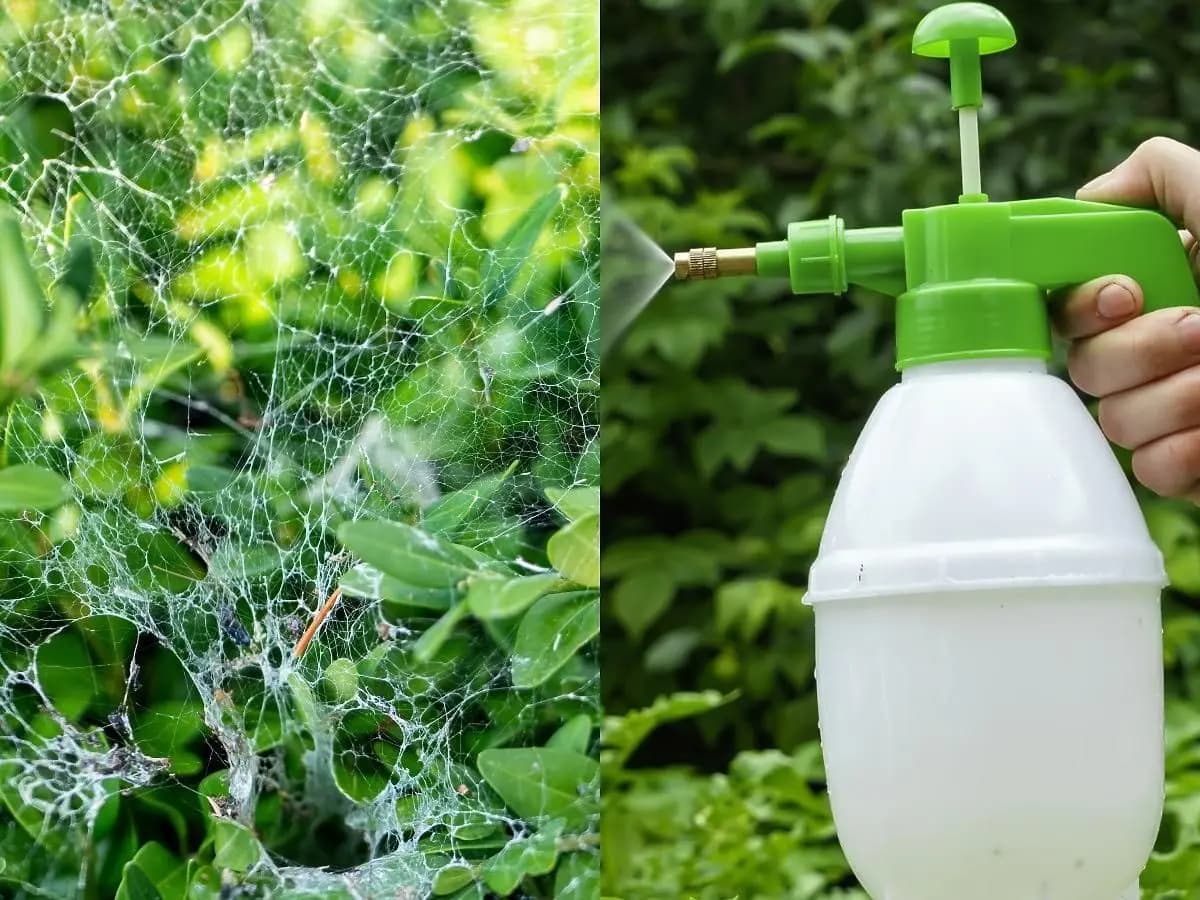
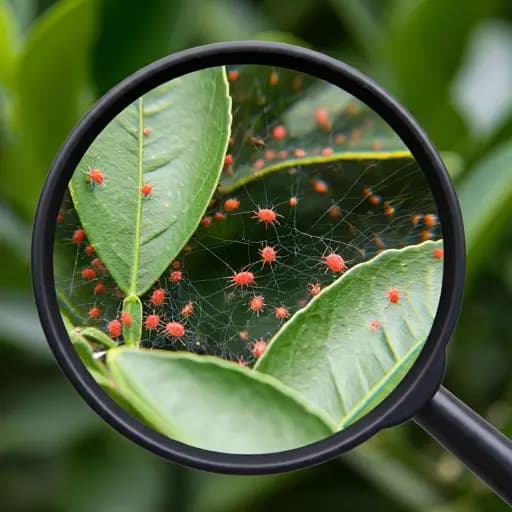
Spider mites are very small and hard to notice at first. However, they leave behind fine webbing on leaves. Over time, they cause tiny yellow spots and weaken the plant. Since they spread quickly, early detection becomes very important.
Mealybugs – The Cotton-Like Invaders
Mealybugs appear as white, cottony clusters on stems and leaf joints. They feed on plant juices and slow down growth. In addition, they can spread from one plant to another if not controlled. That is why regular checking helps you catch them early.
Whiteflies – The Flying Trouble
Whiteflies are small insects that fly around when you disturb the plant. They usually stay under the leaves and feed on sap. As a result, leaves may turn pale and weak. Their quick movement makes them slightly harder to control.
Symptoms of pest damage
- 🍃
Yellowing Leaves: Leaves start turning yellow even when you water properly. This often happens because pests suck nutrients from the plant.
- 🍃
Curled or Twisted Leaves: New leaves may look deformed or curled. This is a common sign of pests like aphids feeding on fresh growth.
- 🍃
Sticky Residue on Leaves: You may notice a shiny or sticky layer on leaves or nearby surfaces. This substance, called honeydew, attracts ants and signals pest activity.
- 🍃
Tiny Holes in Leaves: Small holes or chewed edges appear on leaves. This indicates that insects are feeding directly on the plant tissue.
- 🍃
White or Cotton-Like Clusters: Soft white patches on stems or leaf joints often point to mealybugs. These pests hide in clusters and spread quickly.
How Pests Quietly Damage Your Plants
At first, pests may seem like a small problem. You might notice just a few insects or minor spots on leaves. However, the real damage often happens slowly and silently. Pests feed on plant sap, which reduces the energy needed for healthy growth.
Over time, this weakens the plant from the inside. Leaves lose their strength, stems become fragile, and new growth slows down. Because of this gradual damage, many people realize the issue only when it becomes serious.
Why Early Action Makes a Big Difference
The earlier you act, the easier it is to control pests. When the problem is small, simple cleaning or natural solutions can fix it quickly. On the other hand, waiting too long allows pests to spread and multiply.
That is why regular checking becomes important. Even a quick glance at your plants every few days can help you catch issues early and keep your plants safe.
Sticky Trap Strategy (Visual Monitoring)
One of the easiest and most effective ways to monitor pests is by using sticky traps. These traps help you detect insect activity early, even before visible damage appears on your plants. They work by attracting and capturing flying pests, giving you a clear idea of what you are dealing with.
What Are Sticky Traps?
Sticky traps are brightly colored cards coated with a glue-like substance. Most commonly, yellow traps attract pests like whiteflies, fungus gnats, and aphids. Once insects land on them, they get stuck, helping you track pest levels in your plants.
Why Use Sticky Traps?
- 🍃
Early Detection: Helps you spot pests before they spread and damage your plants.
- 🍃
Easy Monitoring: You can quickly check pest activity just by looking at the trap.
- 🍃
Chemical-Free: A safe and natural way to manage pests indoors.
How to Use Them Effectively
- 🍃
Place traps near the plant canopy or close to the soil where pests are active.
- 🍃
Check traps every few days to monitor pest levels.
- 🍃
Replace traps once they are full or lose their stickiness.
Sticky traps do not completely eliminate pests, but they are a powerful tool for early detection and control. When combined with regular plant care, they help keep your indoor plants healthy and pest-free. You can also schedule pest control visits with the Blooming Den App.